The shelf life of fish is a critical aspect that directly influences both food safety and culinary quality. Fish is a highly perishable product due to its high moisture content and the presence of enzymes that can lead to rapid spoilage. Understanding the factors that affect fish shelf life is essential for consumers, chefs, and food industry professionals alike. The degradation of fish can lead to the growth of pathogenic microorganisms, which pose significant health risks, including foodborne illnesses such as Salmonella and Listeria.
The importance of fish shelf life extends beyond mere safety; it also encompasses flavor, texture, and nutritional value. Fresh fish is known for its delicate taste and firm texture, which can deteriorate quickly if not stored properly. The nutritional profile of fish, rich in omega-3 fatty acids, proteins, and essential vitamins, can also diminish over time. Therefore, maintaining optimal shelf life is crucial not only for health but also for enjoying the full sensory experience that fresh fish offers.
When considering the shelf life of fish, it’s essential to understand how proper storage can significantly impact freshness and safety. For those interested in enhancing their culinary skills, you might find it useful to explore related cooking techniques and recipes. One such article that can inspire your holiday cooking is found here: 10 Easy Brown Sugar Glaze Recipes to Perfect Your Holiday Ham. This resource offers delicious ideas that can complement your fish dishes during festive gatherings.
Selecting the Freshest Fish at Purchase
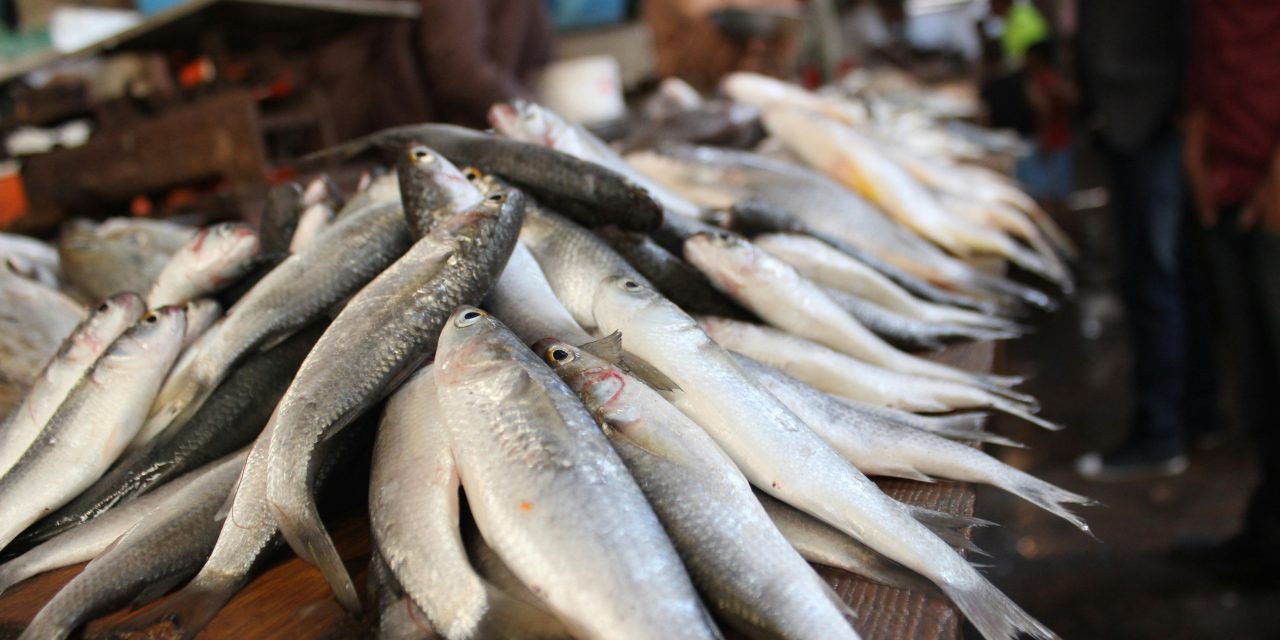
When purchasing fish, selecting the freshest specimens is paramount to ensuring quality and safety. Several indicators can help consumers identify fresh fish. First and foremost, the eyes should be clear and bulging, indicating freshness. Dull or sunken eyes are often signs of age. The skin should appear shiny and metallic, with vibrant colors that reflect the species’ natural hues. Additionally, fresh fish should have firm flesh that springs back when pressed; any indentation suggests spoilage.
Another critical factor to consider is the smell. Fresh fish should have a mild scent reminiscent of the ocean rather than a strong, fishy odor. The gills should be bright red or pink, indicating oxygen-rich blood, while brown or gray gills suggest that the fish is no longer fresh. It is also advisable to purchase fish from reputable sources that adhere to proper handling and storage practices, ensuring that the product has been kept at optimal temperatures throughout its journey from sea to table.
Proper Cleaning and Gutting Techniques

Once fresh fish has been purchased, proper cleaning and gutting techniques are essential to maintain its quality and safety. The first step involves rinsing the fish under cold running water to remove any surface contaminants. Using a sharp knife, one should carefully scale the fish by scraping from the tail towards the head, ensuring that all scales are removed to prevent any unpleasant texture during cooking.
Gutting is another critical step in preserving fish quality. This process involves making an incision along the belly from the anal opening to the head and carefully removing the internal organs. It is crucial to avoid puncturing the gallbladder, as this can release bile and impart a bitter flavor to the flesh. After gutting, rinsing the cavity thoroughly with cold water helps eliminate any residual blood or organ remnants, further enhancing freshness.
Optimal Storage Temperatures for Fish

Maintaining optimal storage temperatures is vital for prolonging the shelf life of fish. The ideal temperature for storing fresh fish is between 32°F (0°C) and 39°F (4°C). At these temperatures, bacterial growth is significantly slowed down, reducing the risk of spoilage. It is essential to use a refrigerator that maintains consistent temperatures within this range; fluctuations can lead to accelerated deterioration.
For longer-term storage, freezing fish is an effective method to halt spoilage processes entirely. When freezing, it is crucial to ensure that the temperature remains at or below 0°F (-18°C). This temperature effectively preserves the cellular structure of the fish while preventing freezer burn, which can negatively impact texture and flavor upon thawing.
Understanding the shelf life of fish is crucial for maintaining its freshness and safety for consumption. For those interested in enhancing their overall well-being, proper food handling and hygiene practices play a significant role. You can explore more about the importance of regular grooming and its benefits in this informative article. By adopting good habits in both personal care and food safety, you can ensure a healthier lifestyle. For further insights, check out this article on regular grooming.
Using Airtight Containers and Wrapping Methods
Proper packaging plays a significant role in extending the shelf life of fish. Utilizing airtight containers or wrapping methods can significantly reduce exposure to air and moisture, both of which contribute to spoilage. Vacuum sealing is one of the most effective methods for preserving fish freshness; it removes air from the packaging, thereby minimizing oxidation and preventing freezer burn.
If vacuum sealing is not an option, wrapping fish tightly in plastic wrap followed by aluminum foil can also provide adequate protection against air exposure. It is essential to ensure that there are no gaps or openings in the wrapping to prevent moisture loss and contamination. Labeling packages with dates can help track freshness and ensure that older products are used first.
The Role of Ice and Refrigeration in Preservation
Ice plays a crucial role in preserving fish quality during transportation and storage. When purchasing fresh fish, it is advisable to keep it on ice until ready for preparation or cooking. Ice helps maintain low temperatures while absorbing excess moisture that could promote bacterial growth. For optimal preservation, it is recommended to use crushed ice rather than whole cubes, as it conforms better to the shape of the fish and provides more surface area for cooling.
In commercial settings, refrigeration units designed specifically for seafood storage are equipped with features such as adjustable temperature controls and humidity regulation. These specialized units help maintain ideal conditions for preserving freshness while minimizing spoilage risks. Regular monitoring of temperature and ice levels ensures that fish remains at safe storage conditions throughout its shelf life.
Freezing Fish Correctly to Extend Shelf Life
Freezing is an effective method for extending the shelf life of fish significantly. However, proper freezing techniques must be employed to maintain quality. Before freezing, it is advisable to clean and gut the fish thoroughly as previously described. Once prepared, fish should be portioned into meal-sized pieces to facilitate even freezing and thawing.
To freeze fish correctly, wrap each portion tightly in plastic wrap or aluminum foil before placing it in a freezer-safe bag or container. Removing as much air as possible from the packaging will help prevent freezer burn and maintain texture upon thawing. It is essential to label each package with the date of freezing to ensure proper rotation and usage within recommended time frames—typically six months for fatty fish like salmon and up to a year for leaner varieties like cod.
Avoiding Cross-Contamination in Storage
Cross-contamination poses a significant risk when storing fish alongside other food items. To mitigate this risk, it is crucial to store raw fish separately from cooked foods and other perishables. Utilizing designated containers for raw seafood can help prevent juices from contaminating other items in the refrigerator or freezer.
Additionally, using separate cutting boards and utensils when preparing fish can further reduce cross-contamination risks in the kitchen. It is advisable to wash hands thoroughly after handling raw fish and sanitize surfaces that may have come into contact with it. Implementing these practices not only enhances food safety but also preserves the integrity of flavors across different dishes.
Recognizing Signs of Spoilage and When to Discard
Recognizing signs of spoilage is essential for ensuring food safety when consuming fish. Common indicators include off-putting odors—fresh fish should smell mild rather than pungent or sour—and changes in texture; spoiled fish may feel slimy or sticky rather than firm and moist. Additionally, discoloration or dullness in skin color can signal deterioration.
If there are any doubts about a fish’s freshness or safety, it is best to err on the side of caution and discard it. Consuming spoiled seafood can lead to serious health issues such as food poisoning or gastrointestinal distress. Regularly checking stored fish for signs of spoilage can help prevent accidental consumption of unsafe products.
Utilizing Vacuum Sealing for Maximum Freshness
Vacuum sealing has emerged as one of the most effective methods for preserving fish freshness over extended periods. This technique involves removing air from packaging before sealing it tightly around the product. By eliminating oxygen exposure, vacuum sealing significantly slows down oxidation processes that lead to spoilage.
In addition to extending shelf life, vacuum-sealed fish retains its flavor and texture better than traditionally wrapped products. This method also prevents freezer burn by minimizing moisture loss during storage. For optimal results, it is advisable to use a vacuum sealer specifically designed for food preservation, ensuring a tight seal that maintains freshness until ready for use.
Tips for Thawing Fish Safely and Effectively
Thawing frozen fish safely is crucial for maintaining quality while preventing bacterial growth. The safest method involves transferring frozen fish from the freezer to the refrigerator and allowing it to thaw gradually over several hours or overnight. This method ensures that the temperature remains within safe limits throughout the thawing process.
For quicker thawing, placing sealed packages of frozen fish under cold running water can expedite the process without compromising safety; however, this method should not exceed one hour to prevent temperature abuse. Microwaving frozen fish is another option but should be approached with caution; uneven heating can lead to partially cooked areas that may harbor bacteria.
In summary, understanding how to properly select, store, clean, gut, freeze, and thaw fish is essential for maximizing its shelf life while ensuring safety and quality. By implementing best practices such as using airtight containers, avoiding cross-contamination, recognizing spoilage signs, and utilizing vacuum sealing techniques, consumers can enjoy fresh seafood while minimizing health risks associated with spoilage.
FAQs
What is the typical shelf life of fresh fish?
The typical shelf life of fresh fish is about 1 to 2 days when stored properly in the refrigerator at temperatures below 40°F (4°C). It is important to consume fresh fish as soon as possible for the best quality and safety.
How long can cooked fish be stored in the refrigerator?
Cooked fish can be stored in the refrigerator for about 3 to 4 days. It should be kept in an airtight container to maintain its freshness and prevent contamination.
What factors affect the shelf life of fish?
Several factors affect the shelf life of fish, including the type of fish, how it was processed, storage temperature, and exposure to air. Fish that is vacuum-sealed or frozen typically has a longer shelf life compared to fresh fish.
Can fish be frozen to extend its shelf life?
Yes, fish can be frozen to extend its shelf life significantly. Most fish can be frozen for up to 6 months, while fatty fish like salmon may last about 2 to 3 months in the freezer without losing quality.
How can you tell if fish has gone bad?
Fish that has gone bad may have a sour or ammonia-like smell, a slimy texture, or a dull color. Fresh fish should have a mild scent, firm flesh, and bright, clear eyes. If any of these signs are present, it is best to discard the fish.