Selecting the appropriate cut of beef is paramount when utilizing a pressure cooker, as it directly influences the final texture and flavor of the dish. Cuts that are rich in connective tissue, such as chuck roast, brisket, and short ribs, are ideal for pressure cooking. These cuts benefit from the high-pressure environment, which breaks down collagen and transforms tougher fibers into succulent, tender morsels. Conversely, lean cuts like sirloin or tenderloin may not yield the same results, as they can become dry and chewy under high heat.
When considering the cut, it is also essential to factor in the intended recipe. For instance, if preparing a hearty stew, chuck roast is an excellent choice due to its marbling and flavor profile. On the other hand, if crafting a dish that requires sliced beef, such as beef stroganoff, flank steak or skirt steak may be more suitable. Understanding the characteristics of various cuts will enhance your culinary experience and ensure a successful outcome.
If you’re looking to elevate your culinary skills with beef tips in the pressure cooker, you might find it helpful to explore related cooking techniques. For instance, this article on 7 Tips for Tender Beef Stew in a Slow Cooker offers valuable insights that can enhance your understanding of meat tenderness and flavor development, which can also be applied when using a pressure cooker.
Preparing Beef: Trimming and Cutting Tips
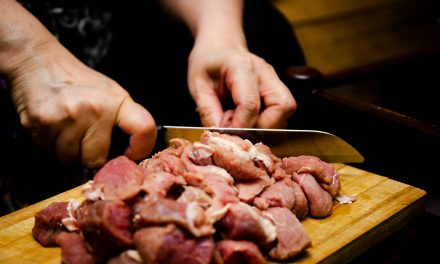
Proper preparation of beef is crucial for achieving optimal results in pressure cooking. Trimming excess fat is one of the first steps to consider. While some fat contributes flavor and moisture, excessive fat can lead to greasy dishes. Aim to remove any large chunks of fat while leaving a thin layer for richness. Additionally, cutting the beef into uniform pieces promotes even cooking. Aim for 1 to 2-inch cubes for stews or larger chunks for roasts.
Another important aspect of preparation is the grain direction of the meat. Cutting against the grain will yield more tender slices, as it shortens the muscle fibers. This technique is particularly important for tougher cuts that require longer cooking times. By taking the time to properly trim and cut your beef, you set the foundation for a delicious meal that showcases the meat’s natural flavors.
Marinating Beef to Enhance Flavor and Tenderness

Marinating beef before pressure cooking can significantly enhance both flavor and tenderness. A well-balanced marinade typically consists of an acid (such as vinegar or citrus juice), oil, and various seasonings or herbs. The acid helps to break down proteins, making the meat more tender while infusing it with flavor. A marinade should ideally be allowed to work its magic for at least 30 minutes, but longer marination times—up to 24 hours—can yield even better results.
When marinating, consider incorporating ingredients that complement your dish’s overall flavor profile. For example, a soy sauce-based marinade works well for Asian-inspired dishes, while a red wine marinade can enhance Italian recipes. Remember to discard any leftover marinade that has come into contact with raw meat to prevent cross-contamination.
Browning Beef Before Pressure Cooking: Why It Matters

Browning beef before pressure cooking is a technique that should not be overlooked. This step enhances the overall flavor profile through the Maillard reaction, which occurs when proteins and sugars in the meat react under high heat, creating complex flavors and a rich color. Browning also adds depth to sauces and gravies by creating fond—the browned bits stuck to the bottom of the pot—which can be deglazed with liquid after searing.
To achieve optimal browning, ensure that your pressure cooker is preheated and that you do not overcrowd the pot. Working in batches allows for better caramelization and prevents steaming. Once browned, remove the beef from the pot before adding other ingredients; this will help maintain those flavorful bits that contribute to a delicious final dish.
If you’re looking for a delicious way to prepare beef tips in a pressure cooker, you might also enjoy exploring other culinary options that cater to various dietary needs. For instance, you can check out this article on gluten-free recipes that you’ll love to try today, which offers a variety of tasty dishes that can complement your beef tips perfectly. Whether you’re in the mood for a hearty meal or something lighter, these recipes can inspire your next cooking adventure.
Using the Correct Amount of Liquid for Juicy Results
Liquid is a critical component in pressure cooking, as it generates steam necessary for building pressure. However, using too much or too little liquid can adversely affect your dish’s outcome. A general rule of thumb is to use at least one cup of liquid for most recipes; this ensures adequate steam generation while preventing burning.
The type of liquid used can also influence flavor. Broths, stocks, or even wine can add depth to your dish. When cooking tougher cuts of beef, consider using a combination of liquid and aromatics to enhance flavor further. Be mindful that while pressure cooking concentrates flavors, too much liquid can dilute them; striking a balance is key.
If you’re looking to elevate your culinary skills, consider trying out beef tips in the pressure cooker, a dish that promises tender, flavorful results in a fraction of the time. For those interested in exploring more delicious recipes and cooking techniques, you might find this article on puppy day care and training particularly engaging, as it offers insights into creating a nurturing environment for your furry friends while you whip up your next meal. Check it out for some great tips here.
Adjusting Cooking Times Based on Beef Cut and Size
Cooking times in a pressure cooker vary significantly based on both the cut of beef and its size. Tougher cuts generally require longer cooking times—typically ranging from 45 minutes to 90 minutes—while more tender cuts may only need 10 to 30 minutes. For example, a chuck roast may take around 60-70 minutes, whereas flank steak could be ready in just 15 minutes.
It is essential to consult specific recipes or guidelines for precise cooking times based on your chosen cut and size. Additionally, remember that larger pieces of meat will require more time than smaller ones; thus, uniformity in size is crucial for even cooking throughout.
Layering Ingredients for Even Cooking and Flavor Distribution
Layering ingredients strategically within the pressure cooker can significantly impact both cooking efficiency and flavor distribution. Begin by placing denser ingredients—such as root vegetables—at the bottom of the pot since they require longer cooking times. Next, add your beef cut followed by lighter ingredients like herbs or spices on top.
This method ensures that all components cook evenly while allowing flavors to meld beautifully throughout the dish. Additionally, avoid stirring ingredients once they are layered; this helps maintain their structure during cooking and prevents overcooking delicate components.
Understanding when to use natural release versus quick release is vital for achieving desired results in pressure cooking. Natural release involves allowing the pressure to decrease gradually on its own, which can take anywhere from 10 to 30 minutes depending on the recipe. This method is ideal for tougher cuts of beef as it allows flavors to continue developing while ensuring tenderness.
Conversely, quick release involves manually releasing steam by turning the valve on the lid; this method is suitable for more delicate dishes or when you need to stop cooking immediately. Knowing when to apply each technique will enhance your culinary skills and ensure perfectly cooked meals every time.
Checking for Doneness and Avoiding Overcooking
Monitoring doneness is crucial when pressure cooking beef to avoid overcooking—a common pitfall due to the high-pressure environment. The best way to check doneness is by using an instant-read thermometer; for most cuts of beef, an internal temperature of 145°F (63°C) is recommended for medium-rare doneness.
If you find that your beef has reached its desired doneness before completing the recommended cooking time, you can quickly release pressure to halt further cooking. This technique helps maintain juiciness while preventing dryness or toughness from overexposure to heat.
Incorporating Vegetables Without Overcooking Them
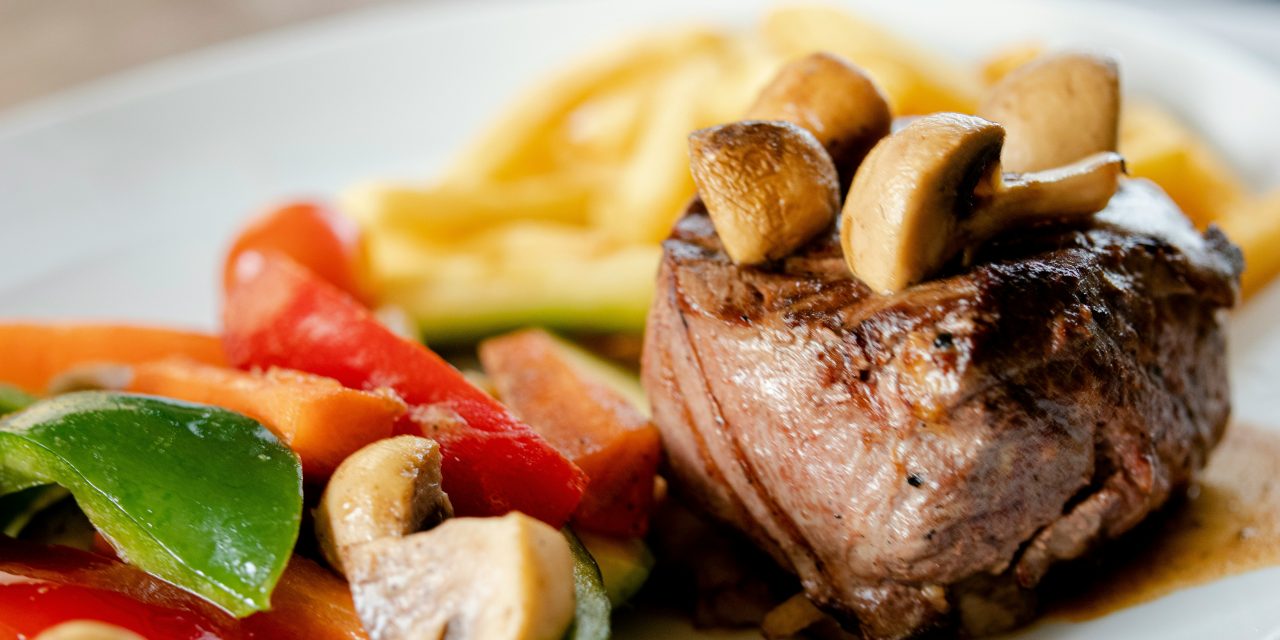
Adding vegetables to your pressure-cooked beef dish can elevate flavors and provide nutritional benefits; however, timing is essential to prevent overcooking them into mushy oblivion. To achieve optimal results, consider adding vegetables with shorter cooking times—such as bell peppers or zucchini—during the last few minutes of pressure cooking.
Alternatively, you can layer sturdier vegetables like carrots or potatoes at the bottom of the pot alongside your beef since they require longer cooking times. By strategically timing vegetable additions based on their individual cooking requirements, you can create a harmonious dish with vibrant textures and flavors.
Storing and Reheating Pressure Cooker Beef Meals Safely
Proper storage and reheating techniques are essential for maintaining food safety and quality after preparing pressure cooker beef meals. Allow cooked dishes to cool completely before transferring them into airtight containers; this helps prevent bacterial growth during storage. Refrigerated meals should be consumed within three to four days or frozen for longer preservation.
When reheating leftovers, ensure that they reach an internal temperature of at least 165°F (74°C) before consumption. Utilizing a microwave or stovetop method works well; however, be cautious not to overheat as this can lead to dryness in previously tender cuts of beef.
In summary, mastering pressure cooking with beef involves understanding various techniques—from selecting appropriate cuts and preparing them correctly to managing cooking times and incorporating vegetables effectively. By following these guidelines and employing best practices in marinating, browning, and layering ingredients, you can create flavorful meals that showcase tender beef while ensuring food safety during storage and reheating processes.
FAQs
What are beef tips?
Beef tips are small, tender pieces of beef that are typically cut from various parts of the cow, such as the sirloin or tenderloin. They are often used in recipes that require quick cooking methods, making them ideal for pressure cooking.
How long does it take to cook beef tips in a pressure cooker?
Cooking beef tips in a pressure cooker usually takes about 15 to 20 minutes under high pressure. The exact time may vary depending on the size of the beef pieces and the specific pressure cooker model being used.
What ingredients are commonly used with beef tips in a pressure cooker?
Common ingredients used with beef tips in a pressure cooker include broth or stock, onions, garlic, mushrooms, and various seasonings such as salt, pepper, and herbs. Vegetables like carrots and potatoes can also be added for a complete meal.
Can I use frozen beef tips in a pressure cooker?
Yes, you can use frozen beef tips in a pressure cooker. However, you will need to increase the cooking time by about 5 to 10 minutes to ensure they are fully cooked and tender.
What are the benefits of cooking beef tips in a pressure cooker?
Cooking beef tips in a pressure cooker offers several benefits, including reduced cooking time, enhanced flavor retention, and increased tenderness. The high-pressure environment helps to break down tough fibers in the meat, resulting in a juicy and flavorful dish.