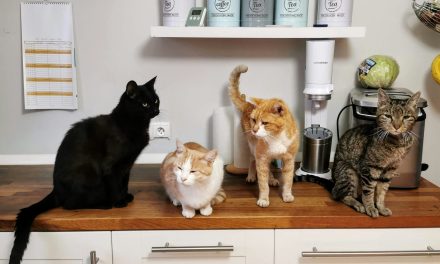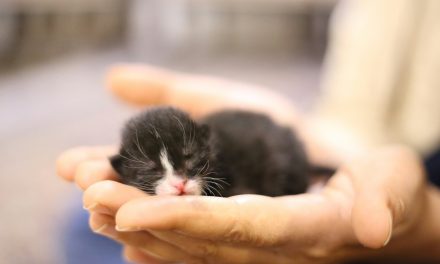
Cats are complex creatures with distinct personalities, preferences, and health requirements. Understanding your feline companion’s unique needs is paramount when considering care options, whether it be for grooming, veterinary services, or pet sitting. Each cat has its own temperament, which can range from the highly social to the more reserved. Factors such as age, breed, and health status also play a significant role in determining what kind of care your cat requires. For instance, senior cats may need specialized diets or medications, while younger cats might require more playtime and stimulation.
Moreover, behavioral traits should not be overlooked. Some cats thrive in environments with plenty of interaction, while others may prefer solitude. Understanding these nuances can help you choose a caregiver who is well-equipped to cater to your cat’s specific needs. This understanding will also facilitate better communication with potential caregivers about your cat’s habits, preferences, and any special requirements they may have.
Verify Experience and References
When selecting a caregiver for your cat, verifying their experience and references is crucial. A caregiver with a solid background in feline care will have a deeper understanding of cat behavior and health issues. Look for individuals who have worked in veterinary clinics, animal shelters, or have formal training in animal care. Their experience will not only ensure that they can handle routine tasks but also manage any unexpected situations that may arise.
Requesting references from previous clients can provide valuable insights into the caregiver’s reliability and effectiveness. Speak to these references about their experiences—ask about the caregiver’s punctuality, attentiveness, and how well they interacted with their pets. A reputable caregiver should be more than willing to provide references and share their experiences in caring for cats similar to yours.
Assess Communication Skills

Effective communication is a cornerstone of any successful caregiver-client relationship. When evaluating potential caregivers, pay attention to their communication skills during initial interactions. A good caregiver should be able to articulate their approach to cat care clearly and answer any questions you may have with confidence and clarity. They should also demonstrate active listening skills, ensuring they fully understand your concerns and preferences regarding your cat’s care.
Moreover, consider how the caregiver communicates with your cat. A skilled caregiver will know how to approach your feline friend in a way that is non-threatening and comforting. Observing their body language and tone of voice can provide insights into their ability to connect with animals. A caregiver who can effectively communicate with both you and your cat will foster a trusting relationship that benefits everyone involved.
Confirm Availability and Flexibility

Availability and flexibility are essential factors when selecting a caregiver for your cat. Cats thrive on routine, so it is important to find someone who can accommodate your schedule and your cat’s needs. Inquire about the caregiver’s availability during holidays, weekends, and evenings, as these are often times when pet owners require additional support.
Flexibility is equally important; life can be unpredictable, and having a caregiver who can adapt to changing circumstances can alleviate stress for both you and your pet. Discuss potential scenarios where flexibility may be required—such as last-minute changes in plans or emergencies—and gauge the caregiver’s willingness to accommodate these situations. A reliable caregiver will prioritize your cat’s well-being while also being responsive to your needs as a pet owner.
Evaluate Emergency Preparedness
In the realm of pet care, emergencies can arise unexpectedly. Evaluating a caregiver’s emergency preparedness is crucial for ensuring your cat’s safety and well-being. Inquire about their training in first aid for pets and whether they have experience handling emergencies such as sudden illness or injury. A knowledgeable caregiver should be able to provide examples of how they have managed emergencies in the past.
Additionally, discuss their protocols for emergencies—do they have a plan in place for contacting a veterinarian? Are they familiar with the nearest veterinary clinics or emergency animal hospitals? Understanding how a caregiver would respond in an emergency situation can provide peace of mind, knowing that your cat will receive prompt and appropriate care if needed.
Discuss Feeding and Medication Protocols
Feeding and medication protocols are critical components of your cat’s daily routine that must be clearly communicated to any caregiver. Discuss your cat’s dietary preferences, any specific feeding schedules, and any restrictions or allergies they may have. A knowledgeable caregiver should be able to follow these guidelines meticulously to ensure your cat remains healthy and happy.
If your cat requires medication, it is essential to discuss this aspect in detail as well. Provide clear instructions on dosage, timing, and administration methods—whether it involves pills, injections, or topical treatments. A competent caregiver should be comfortable administering medications and should have experience doing so if necessary. This discussion will help ensure that your cat receives consistent care even in your absence.
Observe Interaction with Your Cat
Observing how a potential caregiver interacts with your cat can provide invaluable insights into their suitability for the role. During an initial meeting or trial session, take note of the caregiver’s approach—do they allow your cat to come to them at their own pace? Are they gentle and patient? A positive interaction between the caregiver and your feline friend is essential for building trust.
Additionally, observe how the caregiver responds to your cat’s behavior. Do they recognize signs of stress or discomfort? Are they able to engage your cat in play or provide comfort when needed? A skilled caregiver will be attuned to your cat’s body language and will adapt their approach accordingly. This ability to connect with your pet can significantly enhance the quality of care provided.
Review Pricing and Services Offered
Understanding the pricing structure and services offered by potential caregivers is essential for making an informed decision. Different caregivers may offer varying levels of service at different price points; therefore, it is important to clarify what is included in their fees. Some caregivers may offer basic services such as feeding and litter box maintenance, while others may provide additional services like grooming or administering medications.
When reviewing pricing, consider not only the cost but also the value of the services provided. Cheaper options may not always equate to better care; investing in a qualified caregiver can lead to better outcomes for your cat’s health and happiness. Additionally, inquire about any additional fees that may apply for services such as overnight stays or extended visits.
Check for Proper Certifications and Insurance
Ensuring that a potential caregiver has the proper certifications and insurance is vital for safeguarding both you and your pet. Certifications from recognized organizations indicate that the caregiver has undergone training in animal care practices, behavior management, or first aid for pets. These credentials can provide reassurance that they possess the knowledge necessary to care for your cat effectively.
Insurance is equally important; it protects both you and the caregiver in case of accidents or unforeseen incidents during caregiving. Inquire whether the caregiver carries liability insurance that covers any potential injuries or damages that may occur while caring for your pet. This added layer of protection can provide peace of mind as you entrust someone else with the care of your beloved feline companion.
Arrange a Meet-and-Greet Session
Arranging a meet-and-greet session between your cat and potential caregivers is an essential step in the selection process. This meeting allows you to observe how well the caregiver interacts with your pet in a relaxed environment. It also provides an opportunity for you to discuss any specific concerns or preferences you may have regarding your cat’s care.
During this session, pay attention to how your cat responds to the caregiver—do they seem comfortable or curious? A positive reaction from your feline friend can indicate that the caregiver has the right temperament and skills to provide quality care. Additionally, use this time to ask any lingering questions you may have about their experience or approach to caregiving.
Trust Your Instincts and Make an Informed Decision
Ultimately, trusting your instincts plays a crucial role in selecting the right caregiver for your cat. After conducting thorough research and evaluations based on the criteria outlined above, take a moment to reflect on how you feel about each candidate. Your intuition can often guide you toward making the best choice for both you and your pet.
Making an informed decision involves weighing all factors—experience, communication skills, emergency preparedness, pricing, and personal rapport with both you and your cat. By taking the time to carefully assess each candidate against these criteria, you can feel confident that you are choosing someone who will prioritize your cat’s well-being while providing peace of mind during your absence.
In summary, selecting a suitable caregiver for your cat requires careful consideration of various factors including understanding unique needs, verifying experience, assessing communication skills, confirming availability, evaluating emergency preparedness, discussing feeding protocols, observing interactions with your pet, reviewing pricing structures, checking certifications, arranging meet-and-greets, and ultimately trusting your instincts. By following these guidelines diligently, you can ensure that you make an informed decision that prioritizes the health and happiness of your feline companion while providing you with peace of mind during times away from home.
FAQs
What is a cat pet sitter?
A cat pet sitter is a professional who provides care for cats while their owners are away. This service typically includes feeding, providing fresh water, cleaning litter boxes, administering medications if needed, and offering companionship and playtime to ensure the cat remains happy and healthy during the owner’s absence.
How do I find a reliable cat pet sitter?
To find a reliable cat pet sitter, you can start by asking for recommendations from friends, family, or your veterinarian. Additionally, you can search online platforms that specialize in pet sitting services, read reviews, and check the sitter’s credentials. It’s also advisable to conduct interviews and meet the sitter in person to ensure they are a good fit for your cat.
What should I prepare before hiring a cat pet sitter?
Before hiring a cat pet sitter, you should prepare a detailed care plan that includes your cat’s feeding schedule, dietary restrictions, medication instructions, and any specific behavioral traits. Additionally, ensure that your home is safe for the sitter and your cat, and provide emergency contact information, including your veterinarian’s details.
How much does a cat pet sitter typically charge?
The cost of hiring a cat pet sitter can vary widely based on location, the sitter’s experience, and the services provided. On average, you can expect to pay between $15 to $30 per visit. Some sitters may offer discounts for multiple visits or extended periods of care.
What are the benefits of hiring a cat pet sitter instead of using a boarding facility?
Hiring a cat pet sitter offers several benefits over boarding facilities, including reduced stress for your cat, as they can stay in their familiar environment. A pet sitter can provide personalized attention and care tailored to your cat’s needs, maintain their routine, and minimize exposure to illnesses that can occur in boarding facilities.