Carpets serve as a fundamental element in interior design, providing warmth, comfort, and aesthetic appeal to residential and commercial spaces. However, they are also prone to accumulating dirt, allergens, and stains over time, necessitating regular cleaning to maintain their appearance and hygiene. Various methods exist for carpet cleaning, each with its unique advantages and disadvantages. Among the most popular techniques are steam cleaning and carpet shampooing. Understanding these methods is crucial for homeowners and businesses alike, as it enables informed decisions regarding carpet maintenance.
The choice of cleaning method can significantly impact not only the cleanliness of the carpet but also its longevity and the overall indoor air quality. This article delves into the intricacies of steam cleaning and carpet shampooing, comparing their effectiveness, health implications, and cost considerations. By examining these factors, readers will be better equipped to select the most suitable carpet cleaning method for their specific needs.
Understanding Steam Cleaning: How It Works
Steam cleaning, also known as hot water extraction, is a widely recognized method that utilizes high-temperature water vapor to remove dirt and stains from carpets. The process begins with the application of a specialized cleaning solution that is injected into the carpet fibers under pressure. This solution loosens embedded dirt and grime, making it easier to extract. Following this, hot water is introduced into the carpet, which further aids in breaking down stubborn stains and contaminants.
The steam cleaning apparatus then employs a powerful vacuum system to extract both the cleaning solution and the dislodged dirt from the carpet. This dual-action approach not only cleans the surface but also penetrates deep into the fibers, ensuring a thorough cleanse. The high temperatures involved in steam cleaning also serve to kill bacteria, dust mites, and other allergens, contributing to a healthier indoor environment.
What Is Carpet Shampooing?

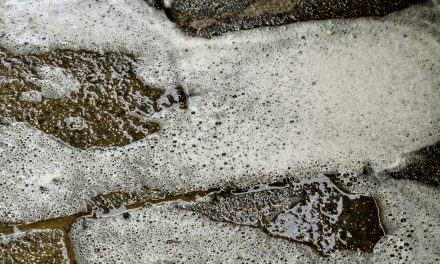
Carpet shampooing is another prevalent method of carpet cleaning that involves applying a foamy detergent solution to the carpet surface. This technique typically employs a rotary brush machine that agitates the carpet fibers, allowing the shampoo to penetrate deeply into the pile. The agitation helps to lift dirt and stains from the fibers, which can then be extracted through vacuuming or rinsing.
Unlike steam cleaning, which relies on hot water extraction, shampooing often leaves behind some residue from the cleaning agents used. This residue can attract dirt over time if not adequately rinsed out, potentially leading to a cycle of re-soiling. While shampooing can effectively clean carpets with moderate soiling, it may not be as effective for heavily soiled or stained carpets compared to steam cleaning.
Comparing the Cleaning Effectiveness

When evaluating the effectiveness of steam cleaning versus shampooing, several factors come into play. Steam cleaning is generally regarded as superior for deep cleaning due to its ability to penetrate carpet fibers with hot water and extract dirt effectively. The high temperatures involved not only remove visible stains but also eliminate allergens and bacteria that may be lurking within the carpet.
On the other hand, carpet shampooing can be effective for surface-level cleaning and maintenance but may fall short in addressing deeply embedded dirt or stubborn stains. The agitation provided by the rotary brush can lift some dirt; however, without adequate rinsing, residues may remain in the fibers. Consequently, while both methods have their merits, steam cleaning is often recommended for thorough cleans, especially in households with pets or allergy sufferers.
Impact on Carpet Fibers and Longevity
The choice of cleaning method can significantly influence the longevity of carpet fibers. Steam cleaning is generally considered gentler on carpets because it uses hot water rather than harsh chemicals. This method minimizes wear on fibers while effectively removing dirt and allergens. Additionally, because steam cleaning extracts moisture more thoroughly than shampooing, it reduces the risk of mold and mildew growth that can occur when carpets remain damp for extended periods.
Conversely, carpet shampooing can sometimes lead to fiber damage if not performed correctly. The mechanical agitation involved in shampooing can cause fraying or matting of delicate fibers over time. Furthermore, if residues from shampoos are not adequately rinsed out, they can lead to accelerated soiling and deterioration of the carpet’s appearance. Therefore, for those seeking to prolong the life of their carpets, steam cleaning is often the preferred option.
Health and Environmental Considerations
Health considerations play a pivotal role in selecting a carpet cleaning method. Steam cleaning is advantageous in this regard as it utilizes high temperatures that effectively kill bacteria, dust mites, and other allergens without relying heavily on chemical agents. This makes it an excellent choice for individuals with allergies or respiratory issues who may be sensitive to chemical residues left behind by traditional cleaning methods.
In contrast, carpet shampooing often involves synthetic detergents that may contain harmful chemicals. These substances can contribute to indoor air pollution if not adequately rinsed out after cleaning. Moreover, some shampoos may have adverse environmental impacts due to their chemical composition. For eco-conscious consumers, opting for steam cleaning or using environmentally friendly shampoos during the shampooing process can mitigate these concerns.
Time and Convenience Factors
Time efficiency is another critical aspect when considering carpet cleaning methods. Steam cleaning typically requires more time than shampooing due to the need for thorough drying after the process is complete. While steam cleaners extract moisture effectively, carpets may still take several hours to dry completely depending on humidity levels and airflow in the area.
On the other hand, carpet shampooing can be quicker in terms of application since it does not require extensive drying times associated with hot water extraction. However, if residues are left behind after shampooing, additional time may be needed for subsequent cleanings as dirt accumulates more rapidly on treated areas. Ultimately, individuals must weigh their time constraints against the effectiveness of each method when making a decision.
Cost considerations are paramount when selecting a carpet cleaning method. Generally speaking, steam cleaning tends to be more expensive than shampooing due to the specialized equipment required and the expertise needed for effective execution. Professional steam cleaning services often charge higher rates because of the thoroughness of their work and the advanced technology involved.
Conversely, carpet shampooing can be more budget-friendly, especially for DIY enthusiasts who choose to rent or purchase a shampoo machine. However, it is essential to factor in potential long-term costs associated with residue buildup and more frequent cleanings that may arise from using shampoos that do not adequately rinse out. In summary, while initial costs may favor shampooing, steam cleaning may prove more economical over time due to its superior effectiveness and longevity benefits.
Best Practices for Different Carpet Types
Different types of carpets require tailored approaches to cleaning methods for optimal results. For example, synthetic carpets such as nylon or polyester are generally more resilient and can withstand both steam cleaning and shampooing effectively. However, natural fiber carpets like wool demand more caution; steam cleaning should be performed at lower temperatures to prevent damage.
Additionally, berber carpets may benefit from steam cleaning due to their looped construction that traps dirt but can be susceptible to fraying with excessive agitation from shampooing machines. It is crucial for homeowners to consult manufacturer guidelines regarding recommended cleaning methods for their specific carpet types to avoid unintentional damage.
Common Misconceptions About Each Method
Several misconceptions surround both steam cleaning and carpet shampooing that can lead to confusion among consumers. One common myth about steam cleaning is that it leaves carpets excessively wet; however, modern equipment is designed to extract moisture efficiently, resulting in quicker drying times than many believe.
Conversely, some individuals assume that shampooing guarantees a deep clean simply because it involves scrubbing; this is misleading as residues left behind can lead to rapid re-soiling. Understanding these misconceptions allows consumers to make informed decisions based on facts rather than assumptions.
Choosing the Right Method for Your Needs
In conclusion, selecting an appropriate carpet cleaning method hinges on various factors including effectiveness, health implications, cost considerations, and specific carpet types. Steam cleaning emerges as a superior choice for deep cleansing while promoting longevity and minimizing health risks associated with allergens and chemicals. Conversely, carpet shampooing may serve well for routine maintenance but requires careful consideration regarding residue management.
Ultimately, individuals must assess their unique circumstances—such as budget constraints, carpet materials, and health concerns—to determine which method aligns best with their needs. By understanding these nuances in carpet care techniques, consumers can ensure their carpets remain clean and vibrant for years to come.