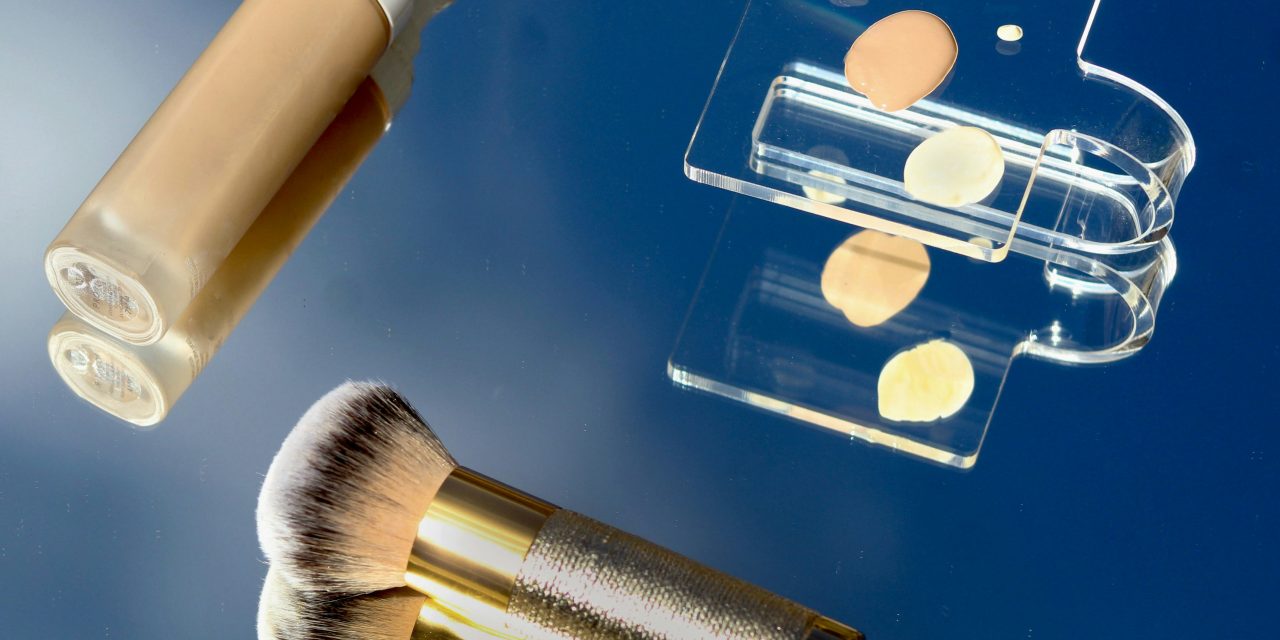
Makeup stains can be a common nuisance, particularly for those who frequently wear cosmetics. These stains can originate from various products, including foundation, concealer, blush, and even mascara. Each type of makeup has its unique composition, which can affect how it interacts with fabrics. For instance, liquid foundations often contain oils and pigments that can penetrate fibers deeply, making them particularly challenging to remove. Conversely, powder-based products may sit on the surface of the fabric, allowing for easier removal if treated promptly.
Foundation stains are particularly notorious due to their oily nature and the pigments used to achieve skin tones. These stains can vary in color from light beige to deep brown, depending on the product. Additionally, other makeup items like lipsticks and eyeliners can leave behind greasy or waxy residues that complicate the cleaning process. Understanding the specific type of makeup stain is crucial for selecting the appropriate treatment method and cleaning agents.
Acting Quickly: The Importance of Immediate Stain Treatment
When faced with a makeup stain, time is of the essence. The longer a stain sits on fabric, the more difficult it becomes to remove. Immediate action can significantly increase the likelihood of successful stain removal. This is primarily due to the fact that many makeup products contain oils and pigments that can bond with fabric fibers over time. By acting quickly, you can prevent these substances from setting into the material.
Moreover, immediate treatment allows for the use of milder cleaning solutions that are less likely to damage the fabric. If left untreated, stains may require harsher chemicals or professional cleaning methods, which can be costly and time-consuming. Therefore, having a plan in place for quick action can save both time and money while preserving your favorite garments.
Pre-Treatment Steps: Removing Excess Makeup from Fabric

Before diving into stain removal techniques, it is essential to assess the situation and remove any excess makeup from the fabric. Gently scraping off any solid residue with a dull knife or spoon can prevent further spreading of the stain. It is crucial to avoid rubbing the stain, as this can push the makeup deeper into the fibers.
Once excess makeup has been removed, blotting the area with a clean cloth or paper towel can help absorb any remaining product. It is advisable to blot rather than rub, as this technique minimizes damage to the fabric while effectively lifting away some of the stain. This pre-treatment step sets the stage for more effective cleaning methods.
Choosing the Right Cleaning Products for Makeup Stains

Selecting appropriate cleaning products is vital for effectively treating makeup stains without damaging fabrics. Common household items such as dish soap, laundry detergent, and vinegar can be effective against many types of makeup stains. However, it is essential to consider the fabric type before applying any cleaning solution.
For delicate fabrics like silk or wool, it is advisable to use gentle detergents specifically formulated for sensitive materials. On the other hand, cotton and polyester blends may respond well to stronger cleaning agents. Always check labels for compatibility with your fabric type and perform a patch test on an inconspicuous area before full application.
How to Use Dish Soap to Remove Foundation Stains
Dish soap is a versatile cleaning agent that can effectively tackle foundation stains due to its grease-cutting properties. To utilize dish soap for stain removal, begin by mixing a few drops of liquid dish soap with warm water in a bowl. Using a clean cloth or sponge, gently dab the soapy solution onto the stained area.
Allow the solution to sit for approximately 5-10 minutes to penetrate the fibers and break down the oils in the foundation. Afterward, rinse the area with cold water to remove both the soap and any loosened makeup residue. Repeat this process if necessary until the stain is no longer visible. This method is particularly effective for cotton and synthetic fabrics.
Using Makeup Remover or Micellar Water on Clothes
Makeup removers and micellar water are specifically designed to dissolve cosmetic products, making them excellent choices for treating makeup stains on clothing. To use these products effectively, apply a small amount directly onto a cotton ball or clean cloth and gently dab it onto the stained area.
Allow the remover to sit for a few minutes to break down the makeup before blotting with a clean cloth to lift away the stain. Rinse thoroughly with cold water afterward to ensure no residue remains on the fabric. This method works exceptionally well on synthetic fibers but should be approached cautiously with delicate materials.
Applying Baking Soda and Vinegar for Tough Stains
For stubborn foundation stains that resist conventional cleaning methods, a combination of baking soda and vinegar can provide an effective solution. Begin by sprinkling baking soda directly onto the stained area; this will help absorb excess oils and moisture from the makeup.
Next, pour a small amount of white vinegar over the baking soda. The reaction between these two substances will create fizzing bubbles that help lift the stain from the fabric. Allow this mixture to sit for about 15-20 minutes before rinsing with cold water. This method is particularly effective on cotton and polyester blends but should be avoided on delicate fabrics due to potential damage.
Washing Techniques to Effectively Remove Makeup Residue
After treating a makeup stain using one of the aforementioned methods, it is crucial to wash the garment properly to eliminate any remaining residue. Begin by checking care labels for washing instructions specific to your fabric type. For machine-washable items, use a gentle cycle with cold water and an appropriate detergent.
If hand washing is recommended, fill a basin with cold water and add a small amount of detergent. Gently agitate the water before submerging the stained area and allowing it to soak for 10-15 minutes. Rinse thoroughly under cold running water until all soap is removed. Avoid using hot water, as this can set stains further into fabrics.
Tips for Treating Delicate Fabrics and Dry Clean-Only Items
When dealing with delicate fabrics or items labeled as dry clean-only, caution is paramount. For silk or lace garments, it is advisable to consult a professional cleaner rather than attempting home remedies that could cause irreversible damage. If you must treat a stain at home, use only specialized products designed for delicate materials.
For minor stains on dry clean-only items, gently blotting with a damp cloth may suffice until professional cleaning can be arranged. Always avoid rubbing or scrubbing these fabrics, as this can lead to fraying or tearing.
Preventing Makeup Stains: Best Practices for Clothing Care
Prevention is always better than cure when it comes to makeup stains on clothing. Implementing best practices can significantly reduce the likelihood of staining your garments in the first place. One effective strategy is to apply makeup while wearing an old shirt or apron that you don’t mind getting dirty.
Additionally, consider using setting sprays or powders after applying makeup; these products can help lock in cosmetics and minimize transfer onto clothing. Finally, always keep tissues or blotting papers handy while applying makeup; these tools can quickly address any accidental smudges before they become stains.
When to Seek Professional Cleaning Help for Stubborn Stains
Despite your best efforts at home, some makeup stains may prove too stubborn for DIY methods. In such cases, seeking professional cleaning assistance may be necessary. Professional cleaners have access to specialized equipment and solvents that can effectively treat tough stains without damaging your garments.
If you notice that a stain persists after multiple attempts at home treatment or if you are dealing with high-value items such as designer clothing or vintage fabrics, do not hesitate to consult a professional cleaner. Their expertise can save your garments from permanent damage while ensuring they are restored to their original condition.
In summary, understanding different types of makeup stains and acting quickly are crucial steps in effective stain removal. Pre-treatment techniques such as removing excess makeup and choosing appropriate cleaning products set the stage for successful outcomes. Utilizing household items like dish soap, baking soda, and vinegar can yield excellent results when tackling foundation stains. For delicate fabrics or stubborn stains, professional cleaning may be necessary to preserve your garments’ integrity while preventing future mishaps through careful practices will ensure your clothing remains pristine despite your love for cosmetics.