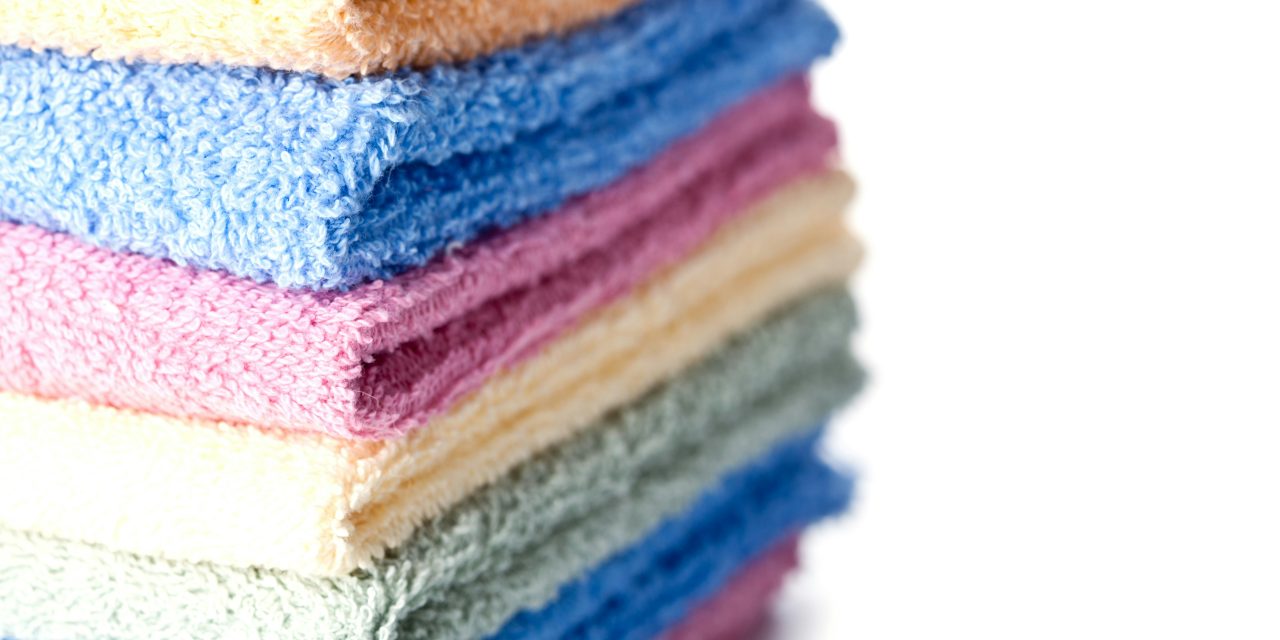
Musty odors in towels can be attributed to a variety of factors, primarily stemming from moisture retention and bacterial growth. When towels are damp and not dried properly, they create an ideal environment for mold and mildew to flourish. These microorganisms thrive in warm, humid conditions, leading to the characteristic musty smell that can permeate fabrics. Additionally, the presence of organic matter, such as skin cells and soap residues, can exacerbate the problem by providing nutrients for these odor-causing agents.
Another significant contributor to the unpleasant scent is the accumulation of detergent residues. Over time, these residues can build up in the fibers of the towels, trapping moisture and creating a breeding ground for bacteria. Furthermore, using towels in environments with high humidity or inadequate ventilation can lead to persistent odors. Understanding these causes is crucial for implementing effective solutions to maintain freshness and hygiene in your towels.
The Importance of Proper Towel Care
Proper towel care is essential not only for maintaining their freshness but also for prolonging their lifespan. Towels that are not adequately cared for can become rough, lose absorbency, and develop unpleasant odors. Regular maintenance ensures that towels remain soft and functional, providing a pleasant experience during use. Moreover, neglecting towel care can lead to the proliferation of harmful bacteria, which may pose health risks, particularly for individuals with sensitive skin or compromised immune systems.
In addition to hygiene concerns, proper towel care contributes to environmental sustainability. By extending the life of towels through appropriate washing and drying techniques, consumers can reduce waste and minimize their ecological footprint. Investing time in understanding how to care for towels effectively can yield significant benefits in terms of both personal health and environmental responsibility.
Pre-Treatment: Identifying and Soaking Towels

Before embarking on a thorough cleaning regimen, it is essential to identify towels that exhibit musty odors or visible signs of mildew. A simple sniff test can help determine which towels require immediate attention. Once identified, pre-treatment is a crucial step in restoring freshness. Soaking towels in a solution of warm water and white vinegar can effectively loosen embedded dirt and odors.
To prepare the soaking solution, mix one cup of white vinegar with a gallon of warm water in a large basin or bathtub. Submerge the affected towels completely and allow them to soak for at least 30 minutes. This process not only helps to eliminate odors but also aids in breaking down detergent residues that may have accumulated over time. After soaking, it is advisable to wash the towels as usual to ensure complete odor removal.
Using Vinegar to Eliminate Odors

Vinegar is a powerful natural deodorizer that can effectively combat musty smells in towels. Its acetic acid content helps neutralize odors while also breaking down mineral deposits and soap residues that contribute to unpleasant scents. When added during the washing cycle, vinegar acts as a natural fabric softener without leaving behind any harmful chemicals.
To utilize vinegar effectively, add one cup of white vinegar to the washing machine during the rinse cycle. This method not only helps eliminate odors but also enhances the overall cleanliness of the towels. For particularly stubborn smells, consider repeating this process or soaking the towels in vinegar before washing. The versatility of vinegar makes it an invaluable tool in maintaining fresh-smelling towels.
Baking Soda: A Natural Deodorizer for Towels
Baking soda is another effective natural deodorizer that can be employed to combat musty odors in towels. Its alkaline properties help neutralize acidic odors while also acting as a gentle abrasive that can lift stains and residues from fabric fibers. Incorporating baking soda into your towel care routine can significantly enhance freshness.
To use baking soda, add half a cup to your regular laundry detergent during the wash cycle. This combination not only helps eliminate odors but also boosts the cleaning power of your detergent. For an extra deodorizing boost, consider creating a paste with baking soda and water to treat specific areas of concern before washing. The effectiveness of baking soda makes it an essential component in maintaining clean and fresh towels.
Choosing the Right Detergent and Washing Temperature
Selecting an appropriate detergent is crucial for effective towel care. Opt for a high-quality detergent that is specifically formulated for removing tough stains and odors. Avoid using excessive amounts of detergent, as this can lead to residue buildup that contributes to mustiness over time. Instead, follow the manufacturer’s recommendations for dosage based on load size and soil level.
Washing temperature also plays a vital role in odor elimination. For optimal results, wash towels in hot water whenever possible, as this helps kill bacteria and mold spores that may be present. However, always check the care labels on your towels to ensure they can withstand higher temperatures without damage. By combining the right detergent with appropriate washing temperatures, you can significantly enhance the cleanliness and freshness of your towels.
Avoiding Fabric Softeners and Their Impact on Towels
While fabric softeners may seem like an appealing option for achieving soft and fragrant towels, they can actually have detrimental effects on their performance. Fabric softeners work by coating fibers with a thin layer of chemicals that can reduce absorbency over time. This coating traps moisture within the fabric, creating an environment conducive to bacterial growth and musty odors.
Instead of using fabric softeners, consider alternative methods for achieving softness without compromising absorbency. For instance, adding white vinegar during the rinse cycle serves as a natural fabric softener while maintaining towel performance. By avoiding fabric softeners altogether, you can ensure that your towels remain fluffy, absorbent, and free from unpleasant odors.
Proper Drying Techniques to Prevent Mustiness
Proper drying techniques are essential for preventing mustiness in towels after washing. Towels should be dried thoroughly to eliminate any residual moisture that could foster bacterial growth. Ideally, use a dryer set to a high heat setting to ensure complete drying; however, be cautious not to over-dry, as this can lead to fabric damage.
If air drying is preferred or necessary due to environmental considerations, ensure that towels are hung in a well-ventilated area with ample airflow. Avoid leaving damp towels in piles or enclosed spaces where moisture can accumulate. By implementing effective drying techniques, you can significantly reduce the likelihood of musty odors developing in your towels.
Regular Maintenance: How Often to Wash Towels
Establishing a regular washing schedule is crucial for maintaining fresh-smelling towels. It is generally recommended to wash bath towels every three to four uses, while hand towels and washcloths should be laundered more frequently—ideally after each use or every two days at most. This routine helps prevent the buildup of bacteria and odors while ensuring optimal cleanliness.
In addition to frequency, consider factors such as humidity levels and personal usage patterns when determining your washing schedule. For instance, if you live in a particularly humid climate or frequently use towels after workouts or swimming, more frequent washing may be necessary. By adhering to a consistent maintenance routine, you can keep your towels fresh and hygienic.
Storing Towels to Maintain Freshness
Proper storage techniques are essential for maintaining towel freshness between washes. After laundering and drying, ensure that towels are completely dry before folding and storing them in a clean, dry location. Avoid storing damp or partially dried towels, as this can lead to mustiness and mildew growth.
Consider using breathable storage solutions such as cotton or linen bags instead of plastic containers that trap moisture. Additionally, avoid overcrowding towel storage areas; allowing adequate airflow around each towel helps prevent odor retention. By implementing effective storage practices, you can prolong the freshness of your towels between uses.
Additional Tips and Tricks for Long-Lasting Fresh Towels
To further enhance towel freshness and longevity, consider incorporating additional tips into your care routine:
1. **Rotate Towels**: Regularly rotate your towel collection to ensure even wear and prevent any single towel from becoming overly soiled.
2. **Use Essential Oils**: Adding a few drops of essential oils such as lavender or tea tree oil during washing can impart pleasant scents while providing antimicrobial properties.
3. **Avoid Overloading**: Do not overload your washing machine; this ensures that each towel receives adequate cleaning and rinsing.
4. **Regularly Clean Washing Machine**: Periodically clean your washing machine with vinegar or specialized cleaners to prevent odor transfer from the machine itself.
5. **Consider Sunlight**: Whenever possible, hang towels outside in sunlight; UV rays help kill bacteria while imparting a fresh scent.
By integrating these practices into your towel care routine, you can enjoy long-lasting freshness and optimal performance from your linens.
In summary, maintaining fresh-smelling towels requires understanding their causes of odor development and implementing effective care strategies. From pre-treatment methods like soaking with vinegar to proper washing techniques using suitable detergents and avoiding fabric softeners, each step plays a vital role in preserving towel hygiene and longevity. Regular maintenance through appropriate washing frequency and proper storage further enhances freshness while minimizing mustiness. By adopting these practices along with additional tips for care, you can ensure that your towels remain clean, soft, and inviting for every use.