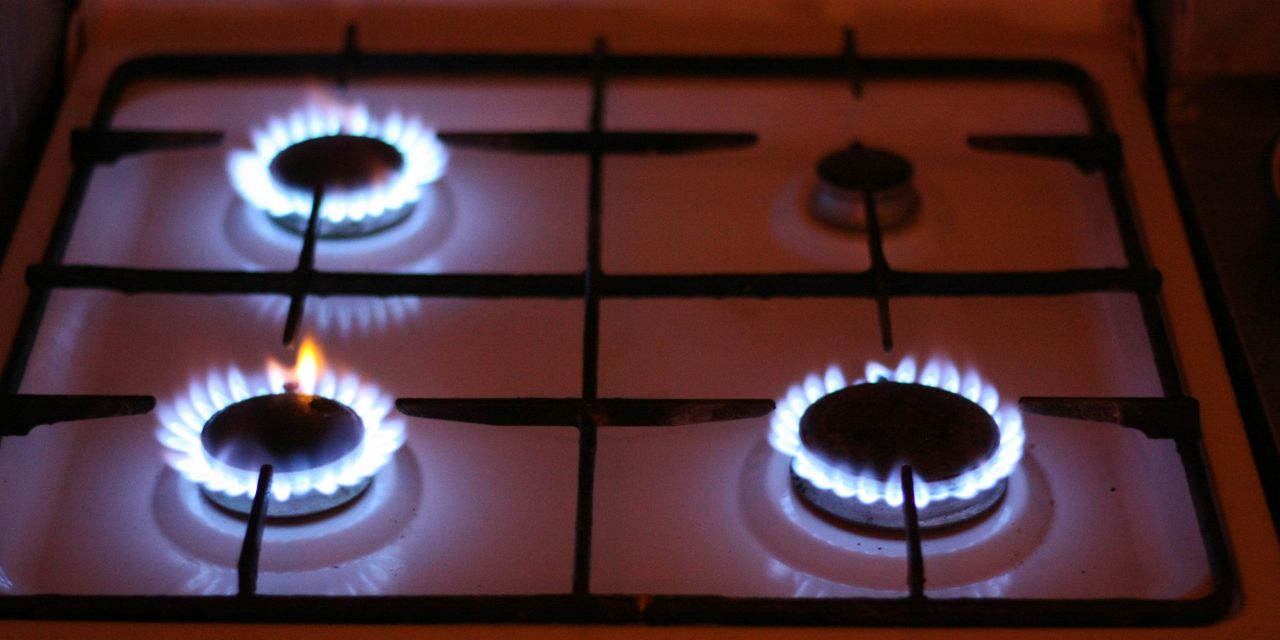
Glass stovetops are a popular choice in modern kitchens due to their sleek appearance and ease of use. However, one of the most significant challenges associated with these surfaces is the accumulation of burnt-on food residues. When food spills over during cooking, it can adhere to the glass surface, creating unsightly stains and potentially damaging the cooktop if not addressed promptly. The high temperatures involved in cooking can cause sugars and fats to caramelize and bond with the glass, making removal difficult.
The composition of glass stovetops, typically made from tempered glass, means they are resistant to scratches and heat but can be sensitive to abrasive cleaning methods. This duality presents a unique challenge: while you want to effectively remove burnt-on food, you must also avoid damaging the surface. Understanding the nature of these residues and the appropriate cleaning techniques is essential for maintaining the aesthetic and functional integrity of your glass stovetop.
Safety Precautions Before Cleaning Your Glass Stovetop
Before embarking on the cleaning process, it is crucial to prioritize safety. First and foremost, ensure that the stovetop is completely cool to prevent burns or injuries. Glass surfaces can retain heat long after being turned off, so waiting at least 30 minutes after cooking is advisable. Additionally, wearing protective gloves can shield your hands from harsh chemicals or sharp edges during cleaning.
Another important precaution involves ensuring that the kitchen is well-ventilated. Many commercial cleaners emit fumes that can be harmful if inhaled in large quantities. Open windows or turn on exhaust fans to facilitate airflow. Lastly, keep children and pets away from the cleaning area to prevent accidents or exposure to potentially harmful substances.
Essential Tools and Materials Needed for Effective Cleaning

To effectively clean a glass stovetop, having the right tools and materials on hand is essential. Here’s a comprehensive list of items you may need:
1. **Plastic Scraper**: A plastic scraper is designed specifically for glass surfaces and helps lift burnt-on food without scratching.
2. **Microfiber Cloths**: These are ideal for wiping down surfaces without leaving lint or scratches.
3. **Baking Soda**: A natural abrasive that can help lift stubborn stains.
4. **White Vinegar**: This versatile liquid acts as a natural disinfectant and helps dissolve grease.
5. **Commercial Glass Cooktop Cleaner**: Formulated specifically for glass surfaces, these cleaners can provide a deep clean.
6. **Spray Bottle**: Useful for applying vinegar or other cleaning solutions evenly.
7. **Soft-Bristled Brush**: For scrubbing without scratching.
Having these tools ready will streamline the cleaning process and enhance effectiveness.
Initial Steps: Cooling and Preparing the Stovetop

Once you have gathered your cleaning supplies, the first step is to ensure that the stovetop is cool. As mentioned earlier, this is crucial for safety reasons. After confirming that it has cooled down, remove any loose debris or crumbs from the surface using a dry microfiber cloth. This initial step prevents scratching during the cleaning process.
Next, inspect the stovetop for any particularly stubborn spots or burnt-on food residues. Identifying these areas will allow you to focus your cleaning efforts where they are most needed. If there are any removable burner grates or trivets, take them off to clean separately, ensuring a thorough clean of the entire surface.
Using a Scraper to Gently Remove Burnt Residue
With the stovetop prepared, it’s time to tackle the burnt-on food residues using a plastic scraper. Hold the scraper at a 45-degree angle to the surface and gently slide it across the stained areas. The goal is to lift the residue without applying excessive pressure that could scratch the glass.
For particularly stubborn spots, you may need to apply a bit more pressure but do so cautiously. It’s advisable to work in small sections, scraping gently until you see progress. After scraping, wipe away any loosened debris with a microfiber cloth before moving on to other areas.
Applying Baking Soda and Vinegar for Natural Cleaning
For those who prefer natural cleaning solutions, combining baking soda and vinegar can be highly effective against burnt-on food stains. Begin by sprinkling a generous amount of baking soda over the stained areas of the stovetop. The mild abrasiveness of baking soda helps lift residues without scratching.
Next, spray white vinegar over the baking soda. This combination will create a fizzing reaction that helps break down tough stains. Allow this mixture to sit for about 10-15 minutes; this dwell time enhances its effectiveness. Afterward, use a soft-bristled brush or cloth to scrub gently in circular motions, focusing on stubborn spots.
Utilizing Commercial Glass Cooktop Cleaners
If natural methods do not yield satisfactory results, consider using commercial glass cooktop cleaners specifically formulated for this purpose. These products often contain powerful surfactants and solvents designed to dissolve grease and burnt-on food effectively.
To use these cleaners, follow the manufacturer’s instructions carefully. Typically, you will apply a small amount directly onto the stained area and allow it to sit for a few minutes before wiping it away with a microfiber cloth. For best results, use a clean cloth for each wipe-down to avoid redistributing dirt.
Techniques for Stubborn Burnt-On Food Spots
In cases where burnt-on food remains stubbornly attached despite your best efforts, additional techniques may be necessary. One effective method involves creating a paste using baking soda and water. Apply this paste directly onto the affected area and let it sit for an extended period—up to an hour if needed.
Another technique involves using heat as a cleaning aid. After applying your chosen cleaner (baking soda paste or commercial cleaner), cover it with a damp cloth and turn on the stovetop to low heat for a few minutes. The warmth will help loosen the residue further, making it easier to wipe away once cooled.
Rinsing and Wiping Down the Surface Properly
After successfully removing burnt-on food residues, it’s essential to rinse and wipe down the stovetop thoroughly. Use a clean microfiber cloth dampened with warm water to remove any remaining cleaner or residue from previous cleaning steps. This step ensures that no cleaning agents are left behind that could affect future cooking.
Once rinsed, dry the surface with another clean microfiber cloth to prevent streaks or water spots from forming on the glass surface. A thorough rinse and drying process will leave your stovetop looking pristine and ready for use.
Preventative Tips to Avoid Future Burnt-On Food
Preventing burnt-on food from becoming an issue in the first place can save time and effort in cleaning later on. Here are several tips to consider:
1. **Use Appropriate Cookware**: Opt for flat-bottomed pots and pans that distribute heat evenly and minimize spills.
2. **Monitor Cooking Temperatures**: Cooking at lower temperatures can reduce splattering and burning.
3. **Clean Spills Immediately**: Wipe up spills as soon as they occur while the stovetop is still warm (but not hot) for easier removal.
4. **Use Splatter Guards**: These can help contain splatters when frying or boiling foods.
5. **Regular Maintenance**: Incorporate regular cleaning into your routine to prevent buildup over time.
By implementing these preventative measures, you can maintain your glass stovetop’s appearance and functionality.
Maintaining a Sparkling Glass Stovetop Regularly
Regular maintenance is key to keeping your glass stovetop looking its best and functioning efficiently. Establishing a routine cleaning schedule—ideally after each use—can significantly reduce the likelihood of burnt-on food residues accumulating over time.
In addition to immediate clean-ups after cooking, consider performing a deeper clean weekly using either natural solutions or commercial cleaners as needed. This practice not only preserves the aesthetic appeal of your stovetop but also enhances its longevity by preventing damage from accumulated grime.
In summary, maintaining a glass stovetop requires understanding its unique challenges while employing effective cleaning techniques and preventative measures. By following these guidelines, you can ensure your stovetop remains sparkling clean and ready for culinary adventures.
### FAQ Section
1. **Can I use steel wool on my glass stovetop?**
– No, steel wool can scratch and damage the surface of your glass stovetop.
2. **What should I do if my glass stovetop has deep scratches?**
– Deep scratches may require professional repair or replacement of the cooktop.
3. **Is it safe to use bleach on my glass stovetop?**
– No, bleach can damage glass surfaces; stick to recommended cleaners instead.
4. **How often should I clean my glass stovetop?**
– Ideally, clean after each use; perform deeper cleans weekly.
5. **Can I use oven cleaner on my glass stovetop?**
– No, oven cleaners are too harsh; use products specifically designed for glass cooktops.
6. **What if my stovetop has burned-on food that won’t come off?**
– Try soaking with baking soda paste or using commercial cleaners designed for tough stains.
7. **Are there any specific brands of commercial cleaners you recommend?**
– Look for brands like Cerama Bryte or Weiman Cooktop Cleaner which are well-reviewed for effectiveness.
8. **How do I prevent scratches while cleaning?**
– Always use plastic scrapers and soft cloths designed for glass surfaces.
9. **Is it safe to cook on a stained glass stovetop?**
– While it may not affect functionality, it’s best to clean stains before cooking for hygiene reasons.
10. **Can I use vinegar alone for cleaning?**
– Yes, vinegar is effective on its own but works best when combined with baking soda for tough stains.
In conclusion, maintaining a glass stovetop requires diligence in both cleaning practices and preventative measures to ensure its longevity and aesthetic appeal while minimizing challenges associated with burnt-on food residues.