A door that sticks can be a frustrating issue, often leading to inconvenience and potential damage to the door frame or hardware. The first step in addressing this problem is to identify the underlying cause. Sticking doors can result from various factors, including environmental changes, improper installation, or wear and tear over time. Seasonal fluctuations in temperature and humidity can cause materials to expand or contract, leading to misalignment. Additionally, structural shifts in the home, such as settling or foundation issues, may exacerbate the problem.
To effectively diagnose the cause of a sticking door, one must conduct a thorough examination. Begin by observing the door’s movement when opened and closed. Is it sticking at the top, bottom, or along one side? Noting these details can help pinpoint whether the issue is related to the door itself or its frame. Furthermore, checking for any visible gaps between the door and the frame can provide insight into alignment issues. By systematically identifying these factors, homeowners can take appropriate steps to rectify the situation.
Checking for Warped or Swollen Wood
Wooden doors are particularly susceptible to warping and swelling due to changes in humidity and temperature. When wood absorbs moisture, it expands, which can lead to a door that no longer fits its frame properly. To assess whether warping is the culprit behind a sticking door, inspect the surface of the door for any irregularities. Look for signs of bowing or twisting, particularly along the edges and corners. A straightedge or level can be used to determine if the door is flat.
If swelling is suspected, it may be beneficial to measure the humidity levels in your home. High humidity can lead to excessive moisture absorption in wooden materials. If this is the case, consider using a dehumidifier to regulate indoor moisture levels. In some instances, allowing the door to dry out naturally may resolve minor swelling issues. However, if significant warping is present, replacement of the door may be necessary to restore functionality.
Inspecting and Tightening Hinges

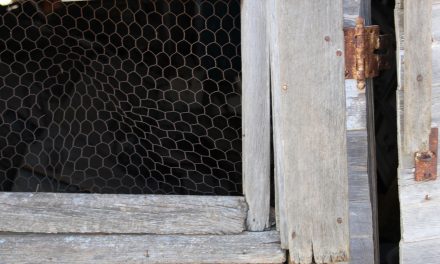
Hinges play a crucial role in the operation of a door, and any misalignment or looseness can contribute to sticking. Begin by inspecting each hinge for signs of wear or damage. Look for rust, corrosion, or any physical deformities that may impede movement. Additionally, check for loose screws that may have come undone over time. Tightening these screws can often alleviate sticking issues caused by hinge misalignment.
In some cases, replacing old hinges with new ones may be warranted. Heavy-duty hinges are available that provide enhanced support and durability, particularly for larger doors. When installing new hinges, ensure they are aligned correctly with both the door and frame to prevent future sticking problems. Regular maintenance of hinges, including periodic inspections and tightening, can prolong their lifespan and ensure smooth operation.
Adjusting the Door Frame Alignment

Misalignment of the door frame can lead to significant sticking issues. Over time, homes settle and shift, which can cause frames to become skewed. To assess alignment, use a level to check both the vertical and horizontal positioning of the frame. If discrepancies are found, adjustments may be necessary to restore proper alignment.
One method of adjusting a misaligned frame involves shimming the hinges or strike plate. This process requires inserting thin pieces of material behind the hinge or strike plate to elevate it slightly, allowing for better alignment with the door itself. Care must be taken during this process to ensure that adjustments do not create new issues elsewhere in the frame. If significant adjustments are needed, it may be advisable to consult with a professional carpenter for assistance.
Planing the Door Edges for a Better Fit
If a door continues to stick despite addressing other potential causes, planing may be an effective solution. This process involves removing a small amount of material from the edges of the door to create a better fit within its frame. Using a hand planer or electric planer, carefully shave off thin layers from areas where sticking occurs.
Before beginning this process, it is essential to mark the areas that require adjustment clearly. Take care not to remove too much material at once; gradual adjustments will yield better results and prevent over-planing. After planing, sand down any rough edges to ensure a smooth finish. This method can significantly improve door functionality while maintaining its aesthetic appeal.
Lubricating Hinges and Hardware
Regular lubrication of hinges and other moving parts is vital for maintaining optimal door function. Over time, dust and debris can accumulate in hinge mechanisms, leading to friction and resistance when opening or closing the door. To prevent this issue, apply a suitable lubricant such as silicone spray or graphite powder directly onto the hinges.
When lubricating hinges, ensure that excess lubricant does not drip onto surrounding surfaces, as this can create unsightly stains or attract dirt. Additionally, consider lubricating other hardware components such as locks and latches to enhance overall performance. Regular maintenance of these components will not only improve functionality but also extend their lifespan.
Replacing or Repairing Weatherstripping
Weatherstripping serves an essential function in sealing gaps around doors, preventing drafts and moisture intrusion. Over time, weatherstripping can become worn or damaged, leading to sticking issues as well as decreased energy efficiency in your home. Inspect weatherstripping for signs of deterioration such as cracks or peeling.
If damage is detected, replacing weatherstripping is a straightforward process that can significantly improve door performance. Various types of weatherstripping materials are available, including foam tape, V-strip, and rubber gaskets. Choose a material that best suits your specific door type and environmental conditions. Proper installation will ensure a tight seal while allowing for smooth operation of the door.
Fixing Issues with the Door Latch or Strike Plate
A malfunctioning latch or strike plate can contribute to sticking doors by preventing proper engagement when closing. Begin by inspecting both components for signs of wear or misalignment. If the latch does not align correctly with the strike plate when closed, adjustments may be necessary.
To address misalignment issues, consider repositioning the strike plate by loosening screws and shifting it slightly until proper alignment is achieved. In cases where components are damaged beyond repair, replacement may be necessary. Ensure that new latches and strike plates are compatible with your existing hardware for optimal performance.
Addressing Moisture Problems Around the Door
Moisture intrusion around doors can lead to various issues including swelling of wooden components and mold growth. To mitigate these problems, it is crucial to identify sources of moisture such as leaks from gutters or improper drainage around the foundation. Regularly inspect caulking and seals around doors for signs of deterioration.
Implementing preventive measures such as installing proper drainage systems and ensuring gutters are clear can significantly reduce moisture-related issues. Additionally, using water-resistant materials for door frames and thresholds can enhance durability against moisture damage.
Ensuring Proper Door Installation
Proper installation is fundamental in preventing sticking doors from occurring in the first place. When installing a new door or replacing an existing one, ensure that it is hung level and plumb within its frame. Utilize shims as necessary during installation to achieve proper alignment.
Furthermore, consider consulting manufacturer guidelines for specific installation instructions tailored to your door type. Adhering to these guidelines will help prevent future issues related to misalignment or improper fit.
When to Call a Professional Carpenter
While many sticking door issues can be resolved through DIY methods, there are instances where professional assistance is warranted. If significant structural problems are suspected—such as foundation shifts or extensive warping—consulting a professional carpenter is advisable. They possess specialized knowledge and tools necessary for addressing complex issues effectively.
Additionally, if attempts at DIY repairs have been unsuccessful or if you lack confidence in your ability to perform repairs safely, seeking professional help can save time and prevent further damage.
In summary, addressing a sticking door involves identifying underlying causes such as warping wood or misaligned frames while implementing solutions like lubrication and weatherstripping replacement. Regular maintenance practices can prevent future issues while ensuring optimal functionality of doors throughout your home.
### FAQ Section
1. **What causes doors to stick?**
– Doors may stick due to environmental changes (humidity/temperature), warped wood, misaligned frames or hinges, and wear on hardware components.
2. **How can I tell if my door is warped?**
– Inspect for visible irregularities along edges; use a straightedge or level for accurate assessment.
3. **What type of lubricant should I use on my hinges?**
– Silicone spray or graphite powder are recommended lubricants for hinges; avoid oil-based products that attract dirt.
4. **How often should I lubricate my door hardware?**
– It’s advisable to lubricate hinges and locks every six months or more frequently if you notice resistance during operation.
5. **Can I fix a sticking door myself?**
– Yes! Many common issues can be resolved through DIY methods such as tightening hinges or adjusting frames.
6. **When should I consider replacing my door?**
– If significant warping or damage is present that cannot be repaired effectively through planing or adjustments.
7. **What materials are best for weatherstripping?**
– Foam tape, V-strip, and rubber gaskets are effective materials; choose based on your specific needs.
8. **How do I know if my foundation is shifting?**
– Look for cracks in walls or ceilings; doors that stick consistently may also indicate foundation issues.
9. **Is it necessary to call a professional carpenter?**
– If structural problems are suspected or if DIY attempts have failed, professional assistance is recommended.
10. **What preventive measures can I take against moisture?**
– Ensure proper drainage around your home; regularly inspect caulking and seals around doors.
In conclusion, addressing sticking doors requires careful assessment of various factors including environmental influences and hardware condition while implementing effective solutions such as lubrication and alignment adjustments. Regular maintenance practices will enhance longevity and functionality while ensuring comfort within your living space.
FAQs
What are common causes of a door that sticks or won’t close properly?
Common causes of a door that sticks or won’t close properly include misalignment of the door or frame, swollen wood due to humidity, loose hinges, or obstructions in the door frame. Additionally, worn-out weather stripping or a damaged latch can also contribute to these issues.
How can I determine if my door is misaligned?
You can determine if your door is misaligned by checking the gaps between the door and the frame. If the gaps are uneven or if the door rubs against the frame when opening or closing, it is likely misaligned. You can also check if the door latches properly when closed.
What tools do I need to fix a sticking door?
To fix a sticking door, you may need a screwdriver, a level, a chisel, sandpaper, and possibly wood filler. If the hinges are loose, a drill may also be necessary to tighten or replace screws. For more extensive adjustments, a plane or saw might be required.
How can I fix a door that is swollen due to humidity?
To fix a swollen door, you can try sanding down the edges that are sticking. If the swelling is significant, you may need to remove the door and let it dry out in a controlled environment. Applying a sealant or paint can also help prevent future moisture absorption.
When should I consider replacing my door instead of repairing it?
You should consider replacing your door if it is severely damaged, warped, or if the frame is compromised. Additionally, if repairs are becoming frequent and costly, or if the door is outdated and inefficient, replacement may be a more practical solution.