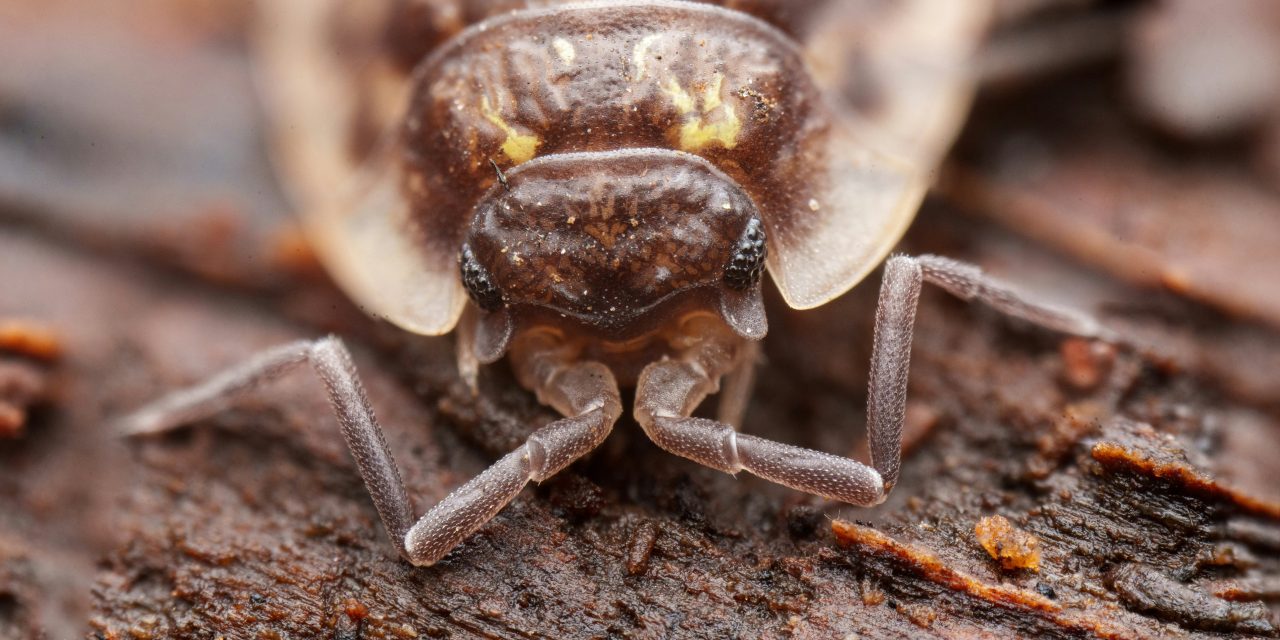
Bed bugs, scientifically known as Cimex lectularius, are small, nocturnal insects that feed on the blood of humans and other warm-blooded hosts. Adult bed bugs are approximately 4 to 5 millimeters in length, resembling an apple seed in shape and color. Their bodies are flat, oval, and reddish-brown, which allows them to hide easily in crevices and seams of furniture, bedding, and walls. Nymphs, or juvenile bed bugs, are smaller and lighter in color, making them even more challenging to detect.
These pests are primarily active at night, utilizing their keen sense of smell to locate hosts. They can survive for several months without feeding, which contributes to their resilience and ability to proliferate in various environments. Bed bugs reproduce rapidly; a single female can lay up to 500 eggs in her lifetime. The eggs are tiny, white, and often hidden in cracks or crevices, making them difficult to spot. Understanding their behavior is crucial for effective management and eradication.
Common Signs of a Bed Bug Infestation
Identifying a bed bug infestation early is vital for effective control. Common signs include the presence of small, reddish-brown stains on bedding or mattresses, which are often the result of crushed bed bugs. Additionally, individuals may notice tiny white eggs or shed skins in areas where bed bugs hide. Another telltale sign is the appearance of bite marks on the skin, typically in a linear pattern or clustered together. These bites can cause itching and discomfort, leading to secondary infections if scratched.
Moreover, an unpleasant musty odor may emanate from heavily infested areas due to the pheromones released by bed bugs. It is essential to conduct thorough inspections of sleeping areas, including seams of mattresses, box springs, headboards, and furniture joints. Early detection can significantly reduce the time and resources needed for eradication.
Myths and Misconceptions About Bed Bug Removal

Several myths surround bed bug removal that can hinder effective treatment. One common misconception is that bed bugs only infest dirty environments; however, these pests can thrive in both clean and cluttered spaces. Their presence is not indicative of poor hygiene but rather a result of their ability to hitch rides on clothing, luggage, or used furniture.
Another prevalent myth is that bed bugs can be eliminated with household remedies such as essential oils or vinegar. While these substances may provide temporary relief or deter bed bugs, they do not eradicate infestations effectively. Relying solely on these methods can lead to prolonged infestations and increased frustration. Understanding these misconceptions is crucial for adopting a realistic approach to bed bug management.
Effective DIY Methods to Eliminate Bed Bugs

For those seeking to address a bed bug infestation independently, several DIY methods can be employed. One effective strategy involves thorough vacuuming of infested areas, including carpets, upholstery, and baseboards. This process should be followed by disposing of the vacuum bag immediately to prevent reinfestation.
Additionally, washing bedding and clothing in hot water (at least 60°C or 140°F) can kill both adult bed bugs and their eggs. Drying items on high heat for at least 30 minutes further ensures elimination. Steam cleaning is another effective method; the high temperatures can penetrate cracks and crevices where bed bugs hide. However, it is essential to use a steam cleaner specifically designed for pest control to achieve optimal results.
Professional Pest Control: When and Why to Call Experts
While DIY methods can be effective for minor infestations, professional pest control services may be necessary for severe cases or when initial attempts fail. Pest control experts possess specialized knowledge and tools that allow them to identify the extent of the infestation accurately and implement targeted treatments.
Professionals often utilize integrated pest management (IPM) strategies that combine multiple approaches for maximum effectiveness. This may include chemical treatments, heat applications, and ongoing monitoring to ensure complete eradication. Calling in experts not only saves time but also provides peace of mind that the problem will be addressed thoroughly.
Heat Treatment: How High Temperatures Kill Bed Bugs
Heat treatment has emerged as one of the most effective methods for eliminating bed bugs. This process involves raising the temperature of infested areas to a lethal level (typically between 48°C to 60°C or 120°F to 140°F) for a sustained period. Bed bugs cannot survive these temperatures at any life stage, including eggs.
Professional pest control companies often employ specialized equipment to ensure even heat distribution throughout the affected area. This method is advantageous because it penetrates furniture and walls where chemicals may not reach effectively. Additionally, heat treatment is environmentally friendly as it eliminates the need for chemical pesticides.
Using Insecticides Safely and Effectively
When opting for insecticides as part of a bed bug control strategy, it is crucial to select products specifically labeled for bed bug treatment. Pyrethroids and neonicotinoids are commonly used insecticides that target the nervous system of these pests. However, resistance to certain chemicals has been documented; therefore, rotating different classes of insecticides may enhance effectiveness.
Safety precautions must be taken when applying insecticides. Always follow label instructions carefully regarding application rates and safety measures. It is advisable to vacate treated areas for a specified period and ensure proper ventilation afterward. Additionally, using insecticides in conjunction with other methods—such as vacuuming and heat treatment—can yield better results.
The Role of Mattress Encasements and Protective Covers
Mattress encasements play a pivotal role in preventing bed bug infestations from becoming established within bedding materials. These specially designed covers create a barrier that traps any existing bed bugs inside while preventing new ones from entering. It is essential to choose encasements labeled as bed bug-proof and ensure they fit snugly around the mattress.
Using protective covers not only aids in prevention but also simplifies the monitoring process; any signs of bed bug activity can be easily detected on the exterior of the encasement. Regularly inspecting these covers for tears or damage is crucial for maintaining their effectiveness.
Preventing Reinfestation: Cleaning and Decluttering Tips
Preventing reinfestation requires ongoing vigilance and proactive measures. Regular cleaning routines should include vacuuming floors, carpets, and upholstery while paying special attention to seams and crevices where bed bugs may hide. Decluttering living spaces minimizes hiding spots and makes inspections easier.
When traveling, inspect hotel rooms thoroughly before settling in; check under mattresses and behind headboards for signs of bed bugs. Keeping luggage elevated off the floor during stays can also reduce the risk of bringing these pests home. Upon returning from trips, washing clothes immediately in hot water can further prevent potential infestations.
What Doesn’t Work: Ineffective Bed Bug Remedies to Avoid
Several remedies touted as solutions for bed bug infestations have proven ineffective or even counterproductive. Rubbing alcohol, while it may kill some bed bugs on contact, does not provide lasting results and poses fire hazards when used improperly. Similarly, essential oils like tea tree oil or lavender oil lack sufficient evidence supporting their efficacy against bed bugs.
Diatomaceous earth is often recommended as a natural remedy; however, its effectiveness relies on direct contact with bed bugs rather than acting as a preventative measure. Home remedies should not replace proven methods such as heat treatment or professional pest control services.
Long-Term Strategies for Bed Bug Prevention and Control
Long-term prevention strategies involve a combination of education, vigilance, and proactive measures. Regular inspections of living spaces should become routine practice; this includes checking for signs of bed bugs during seasonal changes when travel rates increase.
Establishing a comprehensive pest management plan that includes regular professional inspections can help catch infestations early before they escalate into larger problems. Additionally, educating family members about identifying signs of bed bugs fosters a collective effort toward prevention.
In summary, understanding bed bugs—along with their identification, behavior, and effective management strategies—is crucial for controlling infestations effectively. By employing a combination of DIY methods, professional pest control services when necessary, and preventive measures such as mattress encasements and regular cleaning routines, individuals can significantly reduce the risk of reinfestation while ensuring a comfortable living environment free from these pests.
FAQs
What are bed bugs and how do they infest homes?
Bed bugs are small, reddish-brown insects that feed on the blood of humans and animals. They typically infest homes by hitching a ride on luggage, clothing, or used furniture. Once inside, they hide in cracks and crevices, particularly in and around beds, making them difficult to detect.
What are some effective methods for getting rid of bed bugs?
Effective methods for eliminating bed bugs include heat treatment, which involves raising the temperature of infested areas to a level that kills the bugs, and chemical treatments using insecticides specifically designed for bed bugs. Vacuuming and washing bedding and clothing in hot water can also help reduce their population.
Are DIY methods effective in treating bed bug infestations?
While some DIY methods, such as using diatomaceous earth or essential oils, may provide limited relief, they are often not sufficient for complete eradication. Professional pest control services are generally recommended for severe infestations, as they have access to more effective treatments and equipment.
How can I prevent bed bugs from returning after treatment?
To prevent bed bugs from returning, it is important to regularly inspect your home for signs of infestation, seal cracks and crevices, and be cautious when bringing in second-hand items. Additionally, using protective mattress and box spring encasements can help keep bed bugs from re-establishing in your sleeping areas.
How long does it take to completely eliminate bed bugs?
The time it takes to completely eliminate bed bugs can vary depending on the severity of the infestation and the methods used. Professional treatments may take several weeks to fully eradicate the pests, while DIY methods may take longer and require multiple applications. Consistent monitoring and follow-up treatments are often necessary to ensure complete elimination.