Before embarking on the journey of cleaning and organizing your space, it is crucial to conduct a thorough assessment of your environment. Begin by walking through each room, taking note of areas that require attention. This initial evaluation will help you identify high-priority tasks and establish a timeline for completion. Consider creating a checklist that outlines specific cleaning and organizing tasks for each room, which will serve as a roadmap throughout the process.
Planning is equally important; allocate time slots for each task based on its complexity and the size of the area. For instance, larger spaces such as living rooms may require more time than smaller areas like bathrooms. By breaking down the tasks into manageable segments, you can avoid feeling overwhelmed and maintain motivation throughout the cleaning process. Additionally, setting realistic goals will help you track your progress and celebrate small victories along the way.
Gather Essential Cleaning Supplies and Tools
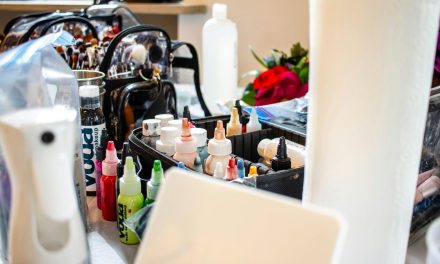
Equipping yourself with the right cleaning supplies and tools is paramount for an efficient cleaning process. Start by compiling a comprehensive list of essential items, which may include all-purpose cleaners, disinfectants, microfiber cloths, sponges, brooms, mops, vacuum cleaners, and trash bags. Each item plays a vital role in ensuring that your cleaning efforts yield satisfactory results.
Consider investing in eco-friendly cleaning products that are both effective and safe for your family and pets. These alternatives often contain natural ingredients that minimize harmful chemical exposure while still providing powerful cleaning capabilities. Additionally, having a well-organized cleaning caddy can streamline your efforts, allowing you to easily transport supplies from room to room without unnecessary interruptions.
Declutter Room by Room to Simplify Packing

Decluttering is an essential step in the cleaning process that can significantly simplify packing when moving. Tackle one room at a time to avoid feeling overwhelmed by the sheer volume of items you may need to sort through. Start with areas that are less frequently used, such as guest rooms or storage spaces, before moving on to high-traffic areas like the living room or kitchen.
As you declutter, categorize items into three distinct groups: keep, discard, and donate. This methodical approach will help you make informed decisions about what to retain and what can be let go. Remember that decluttering not only reduces the number of items you need to pack but also creates a more organized living space that can enhance your overall well-being.
Sort and Donate Unwanted Items Responsibly

Once you have identified items to discard or donate, it is essential to approach this process responsibly. Many organizations accept gently used items, including clothing, furniture, and household goods. Research local charities or thrift stores that align with your values and consider scheduling a pickup or drop-off for your donations.
In addition to benefiting those in need, donating unwanted items can also provide tax deductions if you keep proper documentation of your contributions. This not only helps declutter your space but also contributes positively to your community. Furthermore, recycling items that cannot be donated ensures that they do not end up in landfills, promoting environmental sustainability.
Deep Clean High-Traffic Areas First
High-traffic areas in your home often accumulate dirt and grime more quickly than other spaces. Therefore, prioritizing deep cleaning these zones is essential for maintaining a hygienic environment. Focus on areas such as entryways, living rooms, kitchens, and bathrooms where foot traffic is prevalent.
Begin by vacuuming or sweeping these spaces to remove loose debris before applying appropriate cleaning solutions. Pay special attention to surfaces that are frequently touched, such as doorknobs, light switches, and countertops. Utilizing disinfectants on these surfaces can help eliminate harmful bacteria and viruses, contributing to a healthier living environment for you and your family.
Organize Kitchen Cabinets and Pantry Efficiently
The kitchen is often considered the heart of the home, making it essential to keep it organized and functional. Start by emptying cabinets and pantry shelves before thoroughly cleaning them with appropriate cleaners. Once cleaned, categorize items based on their usage frequency; place everyday essentials at eye level while storing less frequently used items higher up or in the back.
Consider using clear bins or labeled containers to group similar items together, such as snacks, canned goods, or baking supplies. This not only enhances visibility but also simplifies meal preparation by allowing you to quickly locate ingredients. Additionally, implementing a rotation system for perishable items can help minimize food waste and ensure that older products are used first.
Clean and Prepare Bathrooms Thoroughly
Bathrooms require meticulous attention due to their high moisture levels and potential for mold growth. Begin by removing all items from countertops and shelves before cleaning surfaces with disinfectants designed for bathroom use. Pay special attention to areas such as sinks, toilets, showers, and tubs where bacteria can thrive.
After deep cleaning surfaces, consider organizing bathroom essentials into designated storage solutions such as baskets or drawer dividers. This will create a clutter-free environment while ensuring that toiletries are easily accessible when needed. Regular maintenance is key; establish a routine cleaning schedule to keep bathrooms fresh and hygienic.
Tidy Up Bedrooms and Closets for Easy Packing
Bedrooms should be serene spaces conducive to relaxation; therefore, tidying them up is essential before packing begins. Start by decluttering nightstands, dressers, and under-bed storage areas to create a more tranquil atmosphere. As you sort through clothing items in closets, consider implementing the “one in, one out” rule—if you acquire new clothing, donate or discard an old piece.
Organizing clothing by season or type can streamline packing efforts when moving day arrives. Utilize storage bins or vacuum-sealed bags for seasonal clothing to maximize space in closets while keeping items protected from dust and moisture. A well-organized bedroom not only simplifies packing but also enhances your overall living experience.
Pack Non-Essential Items Early and Label Boxes
Packing non-essential items early in the process can alleviate stress as moving day approaches. Begin with items that you use infrequently—such as seasonal decorations or specialty kitchen gadgets—and gradually work your way toward everyday essentials as the move date draws closer.
Labeling boxes is crucial for an organized unpacking experience at your new home. Use clear labels indicating the contents of each box along with the designated room for easy identification upon arrival. Consider color-coding labels based on room categories to further streamline the unpacking process.
Final Sweep: Vacuum, Mop, and Dust Every Corner
As you near the completion of your cleaning tasks, conduct a final sweep of each room to ensure no area has been overlooked. Begin by vacuuming carpets and rugs thoroughly to remove any lingering dust or debris. For hard floors, mopping with an appropriate cleaner will help eliminate stains while leaving surfaces gleaming.
Dusting surfaces should not be neglected; use microfiber cloths or dusters to capture dust particles from shelves, baseboards, and light fixtures effectively. This final touch will enhance the overall cleanliness of your home while creating a welcoming atmosphere for both yourself and potential buyers if applicable.
Create a Moving Day Essentials Box for Quick Access
On moving day, having an essentials box readily available can make all the difference in ensuring a smooth transition to your new home. This box should contain items that you will need immediately upon arrival—such as toiletries, a change of clothes, basic kitchen supplies (like plates and utensils), important documents, medications, and any necessary electronics.
By keeping this box separate from other packed items, you can easily access essential supplies without rummaging through multiple boxes during the chaos of moving day. Consider labeling this box clearly so that it stands out among other packed items.
In summary, preparing for a move involves careful planning and execution of cleaning tasks that can significantly ease the transition process. By assessing your space methodically, gathering necessary supplies, decluttering responsibly, deep cleaning high-traffic areas first, organizing efficiently, packing strategically, and creating an essentials box for moving day—your efforts will culminate in a seamless relocation experience that sets the stage for new beginnings in your new home.
FAQs
What are the first steps to take when cleaning a house before moving?
The first steps include decluttering your home by sorting through your belongings and deciding what to keep, donate, or discard. Once you have reduced the number of items, you can start cleaning each room systematically, focusing on high-traffic areas and surfaces that accumulate dust and dirt.
How can I effectively organize my belongings for the move?
To effectively organize your belongings, use labeled boxes or bins for different categories such as kitchen items, clothing, and personal items. Consider creating an inventory list to keep track of what is packed in each box. This will make unpacking at your new home much easier.
What cleaning tasks should I prioritize before moving out?
Prioritize cleaning tasks such as vacuuming and mopping floors, wiping down surfaces, cleaning bathrooms, and kitchen appliances. Don’t forget to dust light fixtures, baseboards, and windowsills. It’s also important to check for any repairs that may need to be addressed before handing over the keys.
Should I hire professional cleaners or do it myself?
Whether to hire professional cleaners or do it yourself depends on your budget and the amount of time you have. If you have a large home or limited time, hiring professionals can save you effort and ensure a thorough clean. However, if you prefer a DIY approach, enlisting help from friends or family can make the process more manageable.
What tips can help make the cleaning and organizing process more efficient?
To make the process more efficient, create a cleaning schedule that breaks down tasks by room and day. Use a timer to stay focused and work in short bursts. Additionally, gather all necessary cleaning supplies before starting, and tackle one room at a time to avoid feeling overwhelmed.