Creating an organized playroom begins with a thorough assessment of your available space and the specific needs of your children. Start by measuring the dimensions of the room, noting any architectural features such as windows, doors, and built-in furniture that may influence your layout. Consider the age and developmental stages of your children, as their play preferences will dictate the types of toys and activities that should be prioritized. For instance, toddlers may require soft play areas and sensory toys, while older children might benefit from designated zones for arts and crafts or reading.
Additionally, think about the number of children who will be using the space simultaneously. If you have multiple kids or plan to host playdates, ensure that there is ample room for movement and interaction. This assessment will help you determine how much storage is necessary and what types of furniture will best suit your needs. By understanding these factors, you can create a functional environment that promotes creativity and organization.
Declutter: Sorting Toys and Supplies Efficiently
Once you have assessed your playroom’s needs, the next step is to declutter effectively. Begin by gathering all toys, games, and supplies into one central location. This allows you to see everything at once and makes it easier to sort through items. Create categories such as “keep,” “donate,” “repair,” and “discard.” Encourage your children to participate in this process, teaching them valuable lessons about sharing and responsibility.
As you sort through the items, be mindful of the condition and relevance of each toy. If something is broken beyond repair or has not been played with in over six months, it may be time to let it go. Consider donating gently used items to local charities or schools, which can benefit from your child’s unused toys. This decluttering phase not only clears physical space but also fosters a sense of ownership and pride in maintaining an organized play area.
Utilize Multi-Functional Furniture for Storage

Incorporating multi-functional furniture into your playroom design can significantly enhance storage capabilities while maximizing space efficiency. Look for pieces that serve dual purposes, such as ottomans with hidden compartments or benches that double as toy boxes. These types of furniture not only provide storage solutions but also contribute to a cohesive aesthetic within the room.
Consider investing in modular shelving units that can be adjusted as your children’s needs change over time. These versatile systems allow for easy reconfiguration, accommodating new toys or activities as they arise. Additionally, furniture with built-in storage can help keep frequently used items within reach while maintaining a tidy appearance. By selecting multi-functional pieces, you can create a dynamic environment that adapts to your family’s evolving needs.
DIY Storage Solutions Using Everyday Items

Creativity plays a crucial role in organizing a playroom effectively. Many everyday items can be repurposed into innovative storage solutions that are both functional and aesthetically pleasing. For example, old mason jars can be transformed into charming containers for small art supplies like crayons, markers, or beads. Similarly, shoe organizers can be hung on doors to store smaller toys or craft materials, keeping them easily accessible yet out of sight.
Another idea is to use tension rods to create a curtain-like effect for storing stuffed animals or plush toys. This not only adds a decorative touch but also allows for easy retrieval when it’s time to play. By thinking outside the box and utilizing items you already have at home, you can create a unique storage system that reflects your family’s personality while promoting organization.
Labeling Bins and Boxes for Easy Access
Labeling is an essential component of maintaining an organized playroom. Clearly marked bins and boxes facilitate easy access to toys and supplies, allowing children to find what they need without frustration. Use colorful labels or pictures to help younger children identify where items belong, fostering independence in cleanup routines.
Consider using a labeling system that categorizes items by type or activity. For instance, designate separate bins for building blocks, art supplies, and board games. This not only streamlines the process of finding toys but also encourages children to return items to their designated spots after use. By implementing an effective labeling system, you create an environment where organization becomes second nature.
Create Zones for Different Types of Play
Establishing distinct zones within the playroom can enhance the overall functionality of the space while catering to various types of play. Designate areas for specific activities such as reading, arts and crafts, imaginative play, or building projects. This zoning approach helps children understand where to go for different types of play and encourages them to engage in diverse activities.
For example, create a cozy reading nook with comfortable seating and shelves filled with books to promote literacy. Set up an arts and crafts corner equipped with supplies like paper, paints, and markers to inspire creativity. By organizing the room into zones, you not only optimize space but also encourage children to explore their interests in a structured manner.
Use Wall Space with Shelves and Hooks
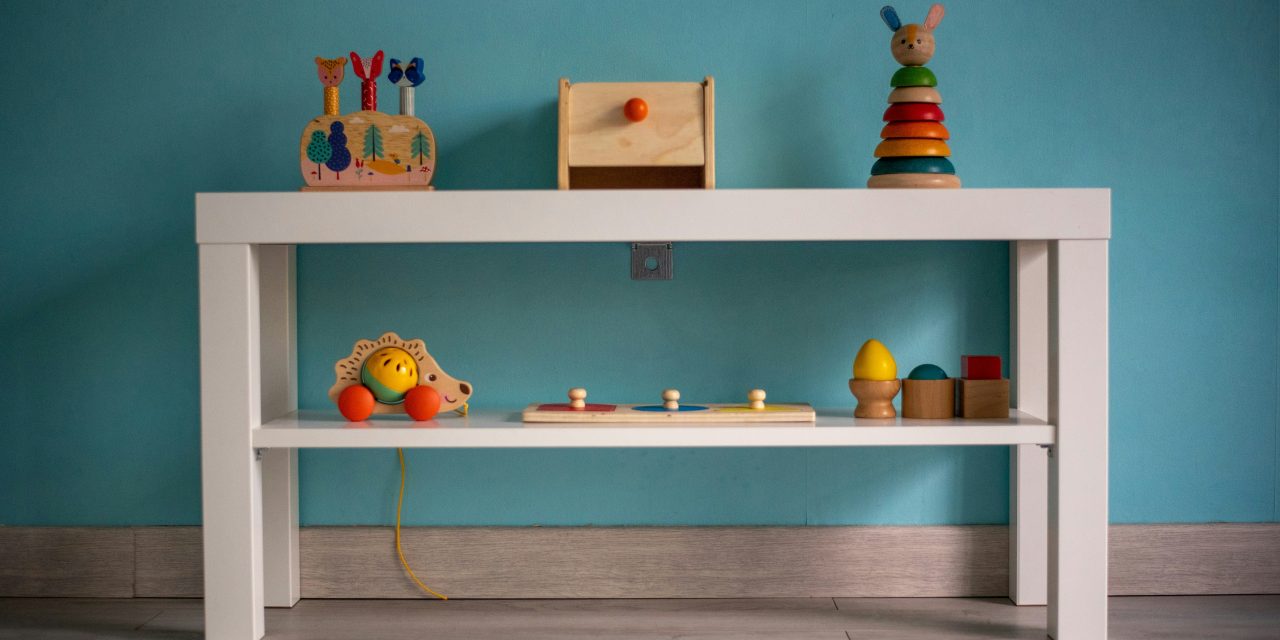
Maximizing vertical space is crucial in any playroom organization strategy. Installing shelves on walls allows you to store books, games, and decorative items without taking up valuable floor space. Floating shelves can be particularly effective for displaying toys or art projects while keeping them off surfaces where clutter tends to accumulate.
In addition to shelves, consider incorporating hooks for hanging items such as costumes or backpacks. This not only keeps these items organized but also adds an element of fun to the room’s decor. By utilizing wall space creatively, you can maintain an open floor plan while ensuring that everything has its place.
Incorporate Clear Containers to Keep Toys Visible
Visibility is key when it comes to maintaining an organized playroom. Using clear containers allows children to see their toys at a glance, making it easier for them to choose what they want to play with without rummaging through opaque bins. Clear plastic bins are available in various sizes and can be stacked or arranged on shelves for optimal organization.
Labeling these containers further enhances accessibility by indicating their contents clearly. This approach not only simplifies the process of finding toys but also encourages children to take responsibility for returning items to their designated spots after use. By incorporating clear containers into your organization strategy, you create an inviting environment that promotes independent play.
Repurpose Household Items as Organizers
Repurposing household items can provide unique storage solutions while minimizing waste. For instance, old baskets can serve as stylish storage for plush toys or blankets, adding texture and warmth to the room’s decor. Similarly, empty coffee cans can be transformed into pencil holders or paintbrush organizers with a bit of creativity.
Consider using magazine holders to store coloring books or puzzles vertically, making them easy to access while saving space on shelves or tables. By thinking creatively about how everyday items can serve new purposes, you can develop an organized playroom that reflects your family’s values of sustainability and resourcefulness.
Establish a Daily Cleanup Routine with Kids
Creating an organized playroom requires ongoing maintenance, which is why establishing a daily cleanup routine is essential. Involve your children in this process by setting aside a specific time each day for tidying up the space together. Make it fun by turning cleanup into a game or playing music while you work.
Encourage children to take ownership of their belongings by assigning them specific tasks during cleanup time. For example, one child could be responsible for returning books to the shelf while another organizes art supplies. By fostering teamwork and accountability during cleanup routines, you instill valuable life skills that extend beyond the playroom.
Budget-Friendly Tips for Maintaining an Organized Playroom
Maintaining an organized playroom doesn’t have to break the bank; there are numerous budget-friendly strategies you can implement. Start by shopping at thrift stores or garage sales for gently used furniture or storage solutions that fit your needs without overspending. DIY projects can also save money while allowing you to customize storage options according to your preferences.
Additionally, consider implementing a “one-in-one-out” policy when it comes to new toys or supplies. This approach encourages mindful consumption and prevents clutter from accumulating over time. By being resourceful and intentional about your choices, you can maintain an organized playroom that remains functional without straining your budget.
In summary, creating an organized playroom involves careful assessment of space needs, efficient decluttering strategies, and innovative storage solutions using both purchased items and repurposed household goods. Establishing zones for different types of play enhances functionality while labeling bins ensures easy access for children. Incorporating clear containers promotes visibility and encourages responsibility during cleanup routines. With budget-friendly tips in mind, maintaining an organized environment becomes achievable for families seeking harmony in their play spaces.
FAQs
What are some budget-friendly storage solutions for a playroom?
Some budget-friendly storage solutions include using plastic bins, repurposing old furniture like bookshelves or dressers, and utilizing baskets or crates. You can also find affordable storage options at thrift stores or garage sales, which can be painted or decorated to match the playroom’s theme.
How can I maximize space in a small playroom?
To maximize space in a small playroom, consider vertical storage options such as wall-mounted shelves or hooks. Use multi-functional furniture, like ottomans with storage inside, and keep only the toys that are frequently used to reduce clutter. Additionally, creating designated zones for different activities can help organize the space effectively.
What are some DIY ideas for playroom organization?
DIY ideas for playroom organization include creating a toy rotation system using labeled bins, making a chalkboard wall for art and notes, and building a simple pegboard for hanging toys and supplies. You can also repurpose jars or containers for organizing smaller items like crayons and puzzles.
How can I involve my children in organizing the playroom?
Involving children in organizing the playroom can be fun and educational. Encourage them to sort their toys into categories, such as games, stuffed animals, and art supplies. Make it a game by setting a timer and seeing how many toys they can put away in that time. This not only teaches them responsibility but also helps them feel ownership over their space.
What are some tips for maintaining an organized playroom on a budget?
To maintain an organized playroom on a budget, establish a regular cleaning schedule and involve your children in the process. Implement a one-in-one-out rule for new toys to prevent clutter. Regularly assess the toys and donate or discard items that are no longer used. Keeping a designated spot for everything will also help maintain order.