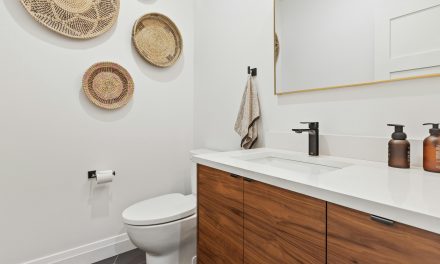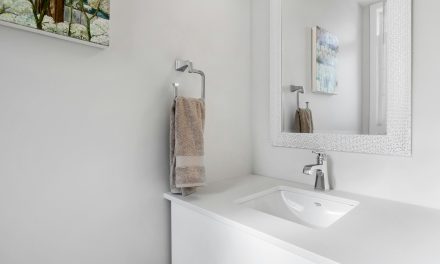
When it comes to optimizing a shared bathroom, the first step is to conduct a thorough assessment of the available space. This involves taking precise measurements of the bathroom dimensions, including the sink area, shower or bathtub, and any existing cabinetry. Understanding the layout is crucial for identifying potential storage solutions and ensuring that every square inch is utilized effectively. Consider the placement of fixtures such as toilets, sinks, and mirrors, as these elements will influence how you arrange your toiletries and other essentials.
In addition to measuring physical dimensions, it is essential to evaluate the current organization of the bathroom. Take note of how items are currently stored and identify any areas that may be underutilized. For instance, are there shelves that are cluttered with products that could be consolidated? Are there corners or nooks that could serve as additional storage spaces? By conducting a comprehensive assessment, you can create a strategic plan that maximizes functionality while minimizing chaos.
Decluttering: Keeping Only Essential Toiletries
Decluttering is a vital step in transforming a shared bathroom into an organized oasis. Begin by gathering all toiletries and personal care items from various locations within the bathroom. This includes everything from shampoos and conditioners to skincare products and dental hygiene essentials. Once all items are collected, categorize them based on frequency of use and necessity.
Consider implementing the “one in, one out” rule to maintain a clutter-free environment. For every new product brought into the bathroom, an old one should be discarded or donated. This practice not only helps in keeping the space tidy but also encourages mindful consumption of personal care products. Additionally, expired items should be disposed of immediately to ensure safety and hygiene. By focusing on essential toiletries, you can create a streamlined collection that meets your needs without overwhelming the available space.
Utilizing Vertical Storage: Shelves and Wall-Mounted Organizers

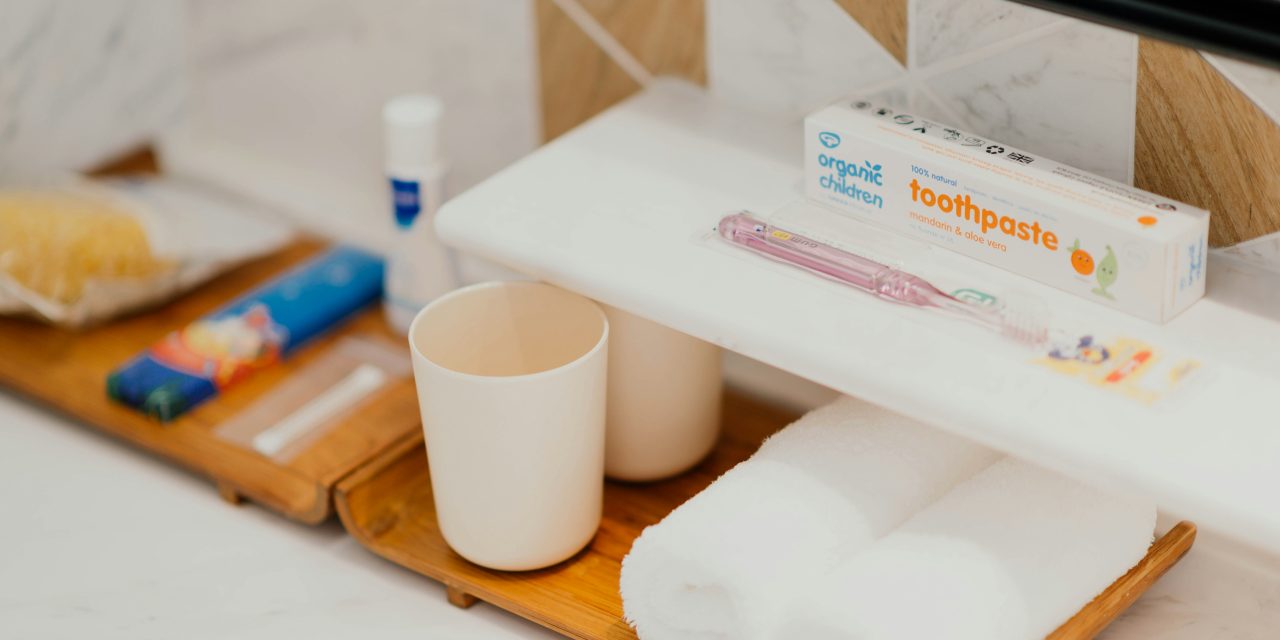
Vertical storage solutions are invaluable in maximizing space in a shared bathroom. By utilizing shelves and wall-mounted organizers, you can take advantage of vertical real estate that often goes unused. Consider installing floating shelves above the toilet or sink area to store frequently used items within easy reach. These shelves can hold everything from towels to decorative baskets filled with toiletries.
Wall-mounted organizers are another excellent option for optimizing vertical space. These can include racks for hanging towels or hooks for robes, which help keep surfaces clear while providing easy access to essential items. Additionally, magnetic strips can be affixed to walls to hold metal containers or tools, further enhancing organization without sacrificing floor space. By embracing vertical storage solutions, you can create a more functional and aesthetically pleasing bathroom environment.
Clear Containers and Bins: Categorizing by User or Product Type

Clear containers and bins are essential tools for maintaining organization in a shared bathroom. These storage solutions allow for easy visibility of contents while providing a designated space for each category of items. Consider categorizing products by user or product type—such as skincare, haircare, and oral hygiene—to streamline access for everyone sharing the space.
When selecting containers, opt for stackable options that maximize vertical space while minimizing clutter on countertops. Labeling each bin or container will further enhance organization by ensuring that everyone knows where to find specific items and where to return them after use. This system not only promotes efficiency but also fosters accountability among users, reducing the likelihood of items being misplaced or left out.
Labeling: Ensuring Easy Identification and Access
Labeling is a crucial aspect of maintaining an organized shared bathroom. By clearly marking containers, shelves, and drawers with labels, you facilitate easy identification and access to personal care items. This practice is particularly beneficial in households with multiple users, as it minimizes confusion over where items belong and encourages everyone to return products to their designated spots.
Consider using a label maker or decorative labels that match your bathroom’s aesthetic for a cohesive look. Labels can include categories such as “Shampoo,” “Conditioner,” “Skincare,” or even individual names if users prefer personalized spaces. This simple yet effective strategy not only enhances organization but also promotes a sense of ownership among users, encouraging them to respect shared spaces.
Over-the-Door Organizers: Maximizing Unused Spaces
Over-the-door organizers are an ingenious solution for maximizing unused spaces in a shared bathroom. These versatile organizers can hold a variety of items, from toiletries to cleaning supplies, without taking up valuable floor space. By utilizing the back of the door, you can create additional storage without compromising aesthetics or functionality.
When selecting an over-the-door organizer, consider options with pockets or compartments that suit your specific needs. For example, clear pockets allow for easy visibility of contents while fabric organizers can add a touch of style to your bathroom decor. This solution not only keeps frequently used items accessible but also helps maintain an orderly environment by reducing countertop clutter.
Magnetic Strips and Hooks: Storing Small Metal Items Efficiently
Magnetic strips and hooks offer an innovative way to store small metal items efficiently in a shared bathroom. These tools can be used to hold everything from tweezers and scissors to hairpins and makeup brushes, keeping them organized and easily accessible. By affixing magnetic strips to walls or inside cabinet doors, you create a designated space for these often-misplaced items.
In addition to magnetic strips, hooks can be strategically placed throughout the bathroom to hang items such as hairdryers or styling tools. This not only frees up counter space but also prevents tangling and damage to cords. By incorporating magnetic strips and hooks into your organizational strategy, you can streamline access to essential tools while maintaining a tidy environment.
Drawer Dividers: Creating Personal Zones Within Shared Drawers
Drawer dividers are an effective solution for creating personal zones within shared drawers in a bathroom. By using dividers, each user can have their designated section for toiletries and personal care items, reducing the likelihood of items becoming mixed up or lost. This system promotes organization while respecting individual preferences.
When selecting drawer dividers, consider adjustable options that can be customized to fit various drawer sizes and accommodate different product types. This flexibility allows users to adapt their storage solutions as their needs change over time. By implementing drawer dividers, you foster a sense of ownership among users while promoting cooperation in maintaining an organized shared space.
Portable Caddies: Individual Storage for Easy Transport
Portable caddies are an excellent solution for individuals who prefer to keep their personal care items separate from shared products in a bathroom. These caddies allow users to transport their essentials easily between rooms or even when traveling. By providing each user with their own caddy, you minimize clutter in shared spaces while ensuring that everyone has access to their preferred products.
When selecting portable caddies, consider options with compartments or sections that allow for organized storage of various items such as skincare products, hair tools, and makeup essentials. This organization not only enhances accessibility but also encourages users to maintain their caddies regularly by removing expired or unused products.
Routine Maintenance: Establishing Cleaning and Restocking Habits
Routine maintenance is essential for sustaining an organized shared bathroom over time. Establishing cleaning schedules ensures that surfaces remain hygienic while preventing clutter from accumulating. Consider assigning specific cleaning tasks to each user on a rotating basis to promote accountability and cooperation.
In addition to cleaning routines, regular restocking of essential items is crucial for maintaining functionality in a shared space. Create a checklist of frequently used products such as toilet paper, soap, and shampoo to ensure that supplies are replenished before they run out. By implementing these habits into your routine, you can create a sustainable system that keeps your shared bathroom organized and functional.
Communication and Cooperation: Setting Shared Bathroom Etiquette
Effective communication is key when it comes to maintaining harmony in a shared bathroom environment. Establishing clear guidelines regarding usage and organization can help prevent misunderstandings among users. Consider holding a meeting or discussion where everyone can voice their preferences and concerns regarding shared spaces.
In addition to setting guidelines, fostering cooperation among users is essential for maintaining an organized environment. Encourage everyone to respect each other’s designated spaces and return items after use promptly. By promoting open communication and cooperation, you create a positive atmosphere that enhances the overall experience of sharing a bathroom.
In summary, optimizing a shared bathroom requires careful assessment of space, decluttering practices, effective storage solutions, routine maintenance habits, and open communication among users. By implementing these strategies—such as utilizing vertical storage options, clear containers for categorization, labeling systems for easy identification, over-the-door organizers for maximizing unused spaces, magnetic strips for small metal item storage, drawer dividers for personal zones within shared drawers, portable caddies for individual storage needs, establishing cleaning routines, and fostering cooperation—you can create an organized oasis that meets everyone’s needs while minimizing chaos in your shared bathroom environment.
FAQs
What are some effective ways to store toiletries in a shared bathroom?
Effective ways to store toiletries in a shared bathroom include using clear bins or baskets to categorize items, utilizing vertical space with shelves or over-the-toilet storage, and employing drawer organizers to keep smaller items tidy. Labeling containers can also help everyone quickly find their products.
How can I minimize clutter in a shared bathroom?
To minimize clutter, encourage each person to limit the number of toiletries they keep in the bathroom. Regularly declutter by removing expired products and items that are no longer used. Establish a designated area for personal items and ensure that everyone is responsible for keeping their space tidy.
What should I consider when sharing bathroom space with others?
When sharing bathroom space, consider establishing a schedule for cleaning and organizing, discussing personal space boundaries, and agreeing on shared storage solutions. It’s also important to communicate about any specific needs or preferences regarding product storage and usage.
Are there specific storage solutions for small bathrooms?
In small bathrooms, consider using multi-functional furniture, such as a storage ottoman or a cart on wheels that can be moved as needed. Wall-mounted shelves, hooks for towels, and over-the-door organizers can also maximize space without taking up valuable floor area.
How can I keep my toiletries organized while traveling?
To keep toiletries organized while traveling, use a toiletry bag with compartments to separate items. Opt for travel-sized containers for liquids and consider packing items in zip-lock bags to prevent leaks. Keeping a checklist of essential items can also help ensure nothing is forgotten.