A well-structured laundry routine is essential for maintaining the longevity of your garments and ensuring that your household runs smoothly. Understanding the intricacies of your laundry process can significantly reduce the time and effort spent on this often-dreaded chore. Begin by assessing your current habits: how often do you do laundry? What types of fabrics do you wash? Are there specific stains or odors that frequently require attention? By answering these questions, you can tailor your approach to suit your lifestyle and fabric care needs.
Moreover, it is crucial to familiarize yourself with the various washing methods and settings available on your machine. Different fabrics require distinct care; for instance, delicate items such as silk or lace necessitate a gentle cycle, while heavily soiled work clothes may benefit from a more robust wash. Understanding the nuances of water temperature, spin speed, and detergent types can enhance the effectiveness of your laundry routine, ensuring that clothes are not only clean but also preserved in optimal condition.
Sort Clothes as You Go
Sorting clothes as you go is a proactive strategy that can save considerable time and effort when it comes to laundry day. By categorizing garments based on color, fabric type, and washing requirements, you can prevent color bleeding and fabric damage. For example, separating whites from darks is essential to maintain brightness and prevent dullness in lighter fabrics. Additionally, grouping items by fabric type—such as cottons, synthetics, and delicates—ensures that each load receives the appropriate care.
Implementing a sorting system throughout the week can streamline your laundry process. Designate specific areas in your home for different categories of clothing, such as a designated spot for workout gear or a bin for delicate items. This method not only keeps your space organized but also minimizes the overwhelming task of sorting through a mountain of laundry at once. By adopting this habit, you will find that laundry becomes a more manageable and less daunting chore.
Set a Weekly Laundry Schedule

Establishing a weekly laundry schedule is an effective way to maintain order and consistency in your household. By designating specific days for laundry tasks, you can avoid the last-minute rush that often leads to forgotten items or neglected chores. Consider your family’s needs and routines when determining the best days for laundry; for instance, weekends may be ideal for larger loads, while weekdays could be reserved for smaller, more manageable tasks.
Incorporating a schedule also allows you to anticipate and prepare for upcoming laundry needs. For example, if you know that certain items require special care or longer drying times, you can plan accordingly. Additionally, setting reminders on your phone or using a calendar can help reinforce this routine, ensuring that laundry becomes an integral part of your weekly agenda rather than an afterthought.
Use Multiple Hampers for Sorting

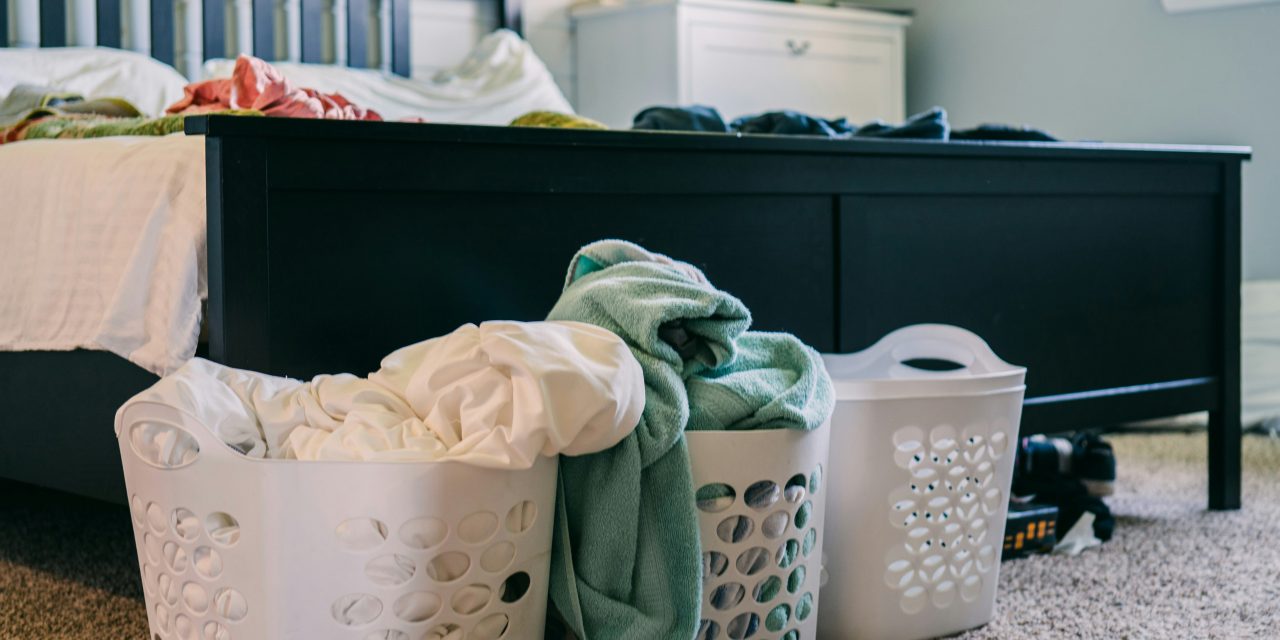
Utilizing multiple hampers for sorting clothes can significantly enhance the efficiency of your laundry routine. By designating separate hampers for different categories—such as whites, colors, delicates, and linens—you can streamline the sorting process and eliminate the need for extensive pre-wash organization. This method not only saves time but also reduces the likelihood of accidental damage to garments due to improper washing practices.
When selecting hampers, consider investing in ones with clear labeling or color coding to make identification easier for all family members. This visual cue encourages everyone to participate in the sorting process, fostering a sense of shared responsibility within the household. Furthermore, having designated hampers can help maintain cleanliness in your living space by preventing clothes from piling up in various areas.
Do Small Loads More Frequently
Opting for smaller loads more frequently can be a game-changer in your laundry routine. While it may seem counterintuitive to wash less at a time, smaller loads allow for more thorough cleaning and reduce wear and tear on fabrics. Overloading the washing machine can lead to inadequate cleaning and increased friction between garments, resulting in pilling and fading over time.
Additionally, smaller loads are often easier to manage when it comes to drying. Clothes dry more evenly and quickly when there is less bulk in the dryer, which can save energy and reduce drying time. By adopting this practice, you can ensure that your garments receive the care they deserve while also maintaining an efficient laundry schedule.
Enlist Family Members to Help
Involving family members in the laundry process can transform this chore from a solitary task into a collaborative effort. Assigning specific responsibilities—such as sorting, folding, or putting away clothes—can lighten the load for everyone involved. This not only fosters teamwork but also teaches children valuable life skills related to household management.
To encourage participation, consider creating a chore chart that outlines each family member’s responsibilities regarding laundry tasks. This visual representation can motivate individuals to contribute while also instilling a sense of accountability. Additionally, turning laundry into a family activity—such as folding clothes together while watching a movie—can make the process more enjoyable and less burdensome.
Choose Quick-Dry Fabrics When Possible
Selecting quick-dry fabrics can significantly enhance your laundry experience by reducing drying times and minimizing wrinkles. Fabrics such as polyester blends or moisture-wicking materials are designed to dry rapidly compared to traditional cottons or heavier textiles. By incorporating these materials into your wardrobe, you can streamline your laundry routine and enjoy fresher garments with less effort.
Moreover, quick-dry fabrics are often more resistant to odors and stains, making them ideal for active lifestyles or households with children. When shopping for new clothing items, consider prioritizing these functional materials to simplify your laundry process while maintaining comfort and style.
Fold Immediately After Drying
Folding clothes immediately after drying is a crucial step in preserving their appearance and minimizing wrinkles. Allowing garments to sit in the dryer or pile up on a surface can lead to creasing and an unkempt look. By establishing a habit of folding right away, you not only maintain the integrity of your clothing but also create a more organized living space.
To make this task more efficient, consider setting aside dedicated time immediately after drying to tackle folding duties. You might even find it helpful to involve family members in this process by assigning specific items or categories to each person. This collaborative approach not only speeds up the task but also reinforces shared responsibility within the household.
Invest in Efficient Laundry Appliances
Investing in efficient laundry appliances can yield significant long-term benefits for both your time management and energy consumption. Modern washing machines and dryers are designed with advanced technology that optimizes water usage and energy efficiency while providing superior cleaning performance. Look for appliances with high Energy Star ratings to ensure that you are making environmentally conscious choices without sacrificing effectiveness.
Additionally, consider features such as steam cleaning options or smart technology that allows you to monitor cycles remotely via smartphone apps. These innovations can enhance convenience and streamline your laundry routine further. While the initial investment may be higher than traditional models, the long-term savings on utility bills and improved garment care make it a worthwhile consideration.
Keep Laundry Supplies Organized
Maintaining an organized supply area for laundry essentials is vital for an efficient workflow. Designate a specific location for detergents, fabric softeners, stain removers, and other necessary items to prevent clutter and confusion during laundry day. Utilizing clear containers or labeled bins can help streamline access to these supplies while also ensuring that everything is accounted for.
Additionally, regularly assess your inventory of laundry supplies to avoid running out of essential items unexpectedly. Keeping track of expiration dates on products such as detergents or stain removers ensures that you are using effective solutions while minimizing waste. An organized supply area not only enhances efficiency but also contributes to a more pleasant laundry experience overall.
Reward Yourself for Staying on Track
Establishing a reward system for maintaining consistency in your laundry routine can serve as an effective motivator. Recognizing your efforts through small rewards—such as treating yourself to a favorite snack or enjoying a relaxing evening after completing chores—can reinforce positive habits and make the process more enjoyable.
Consider setting specific milestones related to your laundry routine; for example, if you successfully adhere to your schedule for an entire month, treat yourself to something special. This approach not only fosters accountability but also encourages continued commitment to maintaining an organized household.
In summary, developing an efficient laundry routine involves understanding your habits, sorting clothes effectively, establishing a schedule, utilizing multiple hampers, doing smaller loads frequently, enlisting family help, choosing quick-dry fabrics, folding immediately after drying, investing in efficient appliances, keeping supplies organized, and rewarding yourself for staying on track. By implementing these strategies into your daily life, you can transform laundry from a burdensome chore into a manageable task that contributes positively to your overall household management.
FAQs
What are some effective strategies to prevent laundry from piling up?
To prevent laundry from piling up, establish a regular laundry schedule, sort clothes as soon as they are dirty, and consider using a laundry basket for each family member. Additionally, try to wash smaller loads more frequently rather than waiting for a large pile to accumulate.
How often should I do laundry to keep it manageable?
Doing laundry once or twice a week is generally manageable for most households. However, the frequency can vary based on the size of your family and their clothing needs. Establishing a routine that fits your lifestyle will help keep laundry from becoming overwhelming.
What can I do to make laundry day more efficient?
To make laundry day more efficient, sort your clothes ahead of time, use a timer to keep track of wash and dry cycles, and fold clothes immediately after drying. Additionally, consider multitasking by doing other chores while waiting for the laundry to finish.
How can I involve family members in the laundry process?
Involve family members by assigning specific laundry tasks, such as sorting, folding, or putting away clothes. You can also create a fun laundry routine or game to make it more engaging, encouraging everyone to take responsibility for their own laundry.
What are some tips for maintaining a clutter-free laundry area?
To maintain a clutter-free laundry area, keep only necessary supplies on hand, use storage bins for detergents and fabric softeners, and regularly clean the space to remove any items that don’t belong. Organizing your laundry area can help streamline the process and reduce stress.