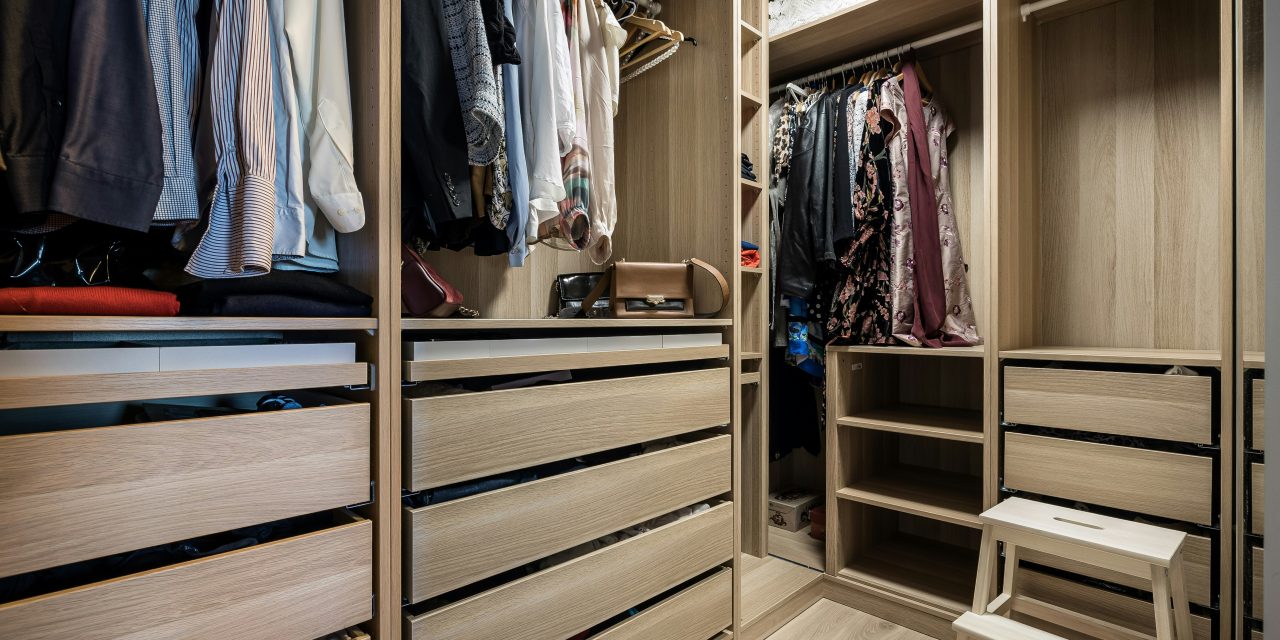
When embarking on the journey of organizing a shared closet, the first step is to conduct a thorough assessment of the available space. This involves measuring the dimensions of the closet, including height, width, and depth, to understand how much room you have to work with. Take note of any existing shelving, rods, or compartments that can be utilized or modified to enhance functionality. Consider the types of items that will be stored in the closet, such as clothing, shoes, accessories, and seasonal items. Understanding the specific needs of each individual sharing the space is crucial for creating an efficient organization system.
Additionally, it is essential to evaluate the current state of the closet. Identify any problem areas, such as overcrowded sections or items that are rarely used. This assessment will help in determining what needs to be kept, what can be donated or discarded, and how to best allocate space for each person’s belongings. By taking a comprehensive inventory of the closet’s contents and layout, you can create a tailored plan that maximizes efficiency and minimizes clutter.
Declutter Before You Organize
Before diving into the organization process, decluttering is a vital step that cannot be overlooked. Begin by removing all items from the closet and sorting them into categories: keep, donate, sell, and discard. This method not only clears out unnecessary items but also allows for a fresh perspective on what is truly needed in the shared space. Encourage open communication between individuals sharing the closet to ensure that everyone feels comfortable with the decisions being made regarding their belongings.
Once the sorting process is complete, it is important to address any emotional attachments to items that may no longer serve a purpose. Encourage each person to reflect on their possessions and consider whether they genuinely use or love each item. This can be a challenging process, but it ultimately leads to a more organized and functional closet. By decluttering effectively, you create a clean slate that makes organizing much more manageable and enjoyable.
Divide the Closet Equally

After decluttering, the next step is to establish a fair division of the closet space. This can be achieved by designating specific areas for each individual based on their needs and preferences. For example, one person may require more hanging space for dresses and suits, while another may need additional shelving for folded items. Clearly defining these zones helps prevent disputes over space and ensures that everyone has adequate room for their belongings.
To facilitate this division, consider using visual markers such as colored hangers or fabric bins to differentiate between each person’s items. This not only adds a personal touch but also makes it easier to locate specific items quickly. Establishing boundaries within the shared closet fosters a sense of ownership and responsibility among individuals, encouraging them to maintain their designated areas.
Use Dual Hanging Rods for More Space

One effective way to maximize vertical space in a shared closet is by installing dual hanging rods. This innovative solution allows for more clothing to be hung without taking up additional floor space. The upper rod can accommodate longer garments such as dresses and coats, while the lower rod is perfect for shorter items like shirts and blouses. This arrangement not only optimizes storage but also enhances visibility and accessibility.
When implementing dual hanging rods, ensure that they are installed at appropriate heights for all users. Adjustable rods can be particularly beneficial in accommodating varying garment lengths and personal preferences. By utilizing this method, you can significantly increase the storage capacity of your shared closet while maintaining an organized appearance.
Incorporate Clear Storage Bins
Incorporating clear storage bins into your shared closet organization strategy can greatly enhance functionality and aesthetics. These bins allow for easy visibility of contents while providing a neat and tidy appearance. They are particularly useful for storing seasonal items, accessories, or less frequently used clothing. By categorizing items within these bins—such as scarves, hats, or holiday attire—you create an organized system that simplifies access.
When selecting storage bins, opt for stackable options to maximize vertical space further. Labeling each bin with its contents will streamline the process of finding specific items without rummaging through multiple containers. Clear storage bins not only promote organization but also contribute to a visually appealing closet environment.
Label Everything for Easy Access
Labeling is an essential component of an organized shared closet. By clearly marking shelves, bins, and sections with labels, you create a user-friendly system that allows everyone to locate their belongings quickly. This practice minimizes confusion and ensures that items are returned to their designated spots after use.
Consider using a label maker or decorative labels that match your closet’s aesthetic for a polished look. Labels can include categories such as “winter coats,” “accessories,” or “shoes,” making it easy for individuals to identify where their items belong. This simple yet effective strategy fosters accountability among users and encourages them to maintain order within the shared space.
Utilize Vertical Space with Shelves
Maximizing vertical space is crucial in any shared closet organization project. Installing shelves at varying heights allows for efficient storage of folded clothing, shoes, and accessories while keeping them easily accessible. Consider adjustable shelving systems that can be modified as needs change over time.
In addition to traditional shelving units, consider incorporating floating shelves or corner shelves to utilize every inch of available space effectively. These shelves can serve as display areas for decorative items or additional storage for smaller accessories. By creatively utilizing vertical space with shelves, you can significantly enhance the overall organization and functionality of your shared closet.
Install Hooks for Accessories
Hooks are an excellent addition to any shared closet organization plan, providing a designated spot for accessories such as belts, bags, scarves, and jewelry. Installing hooks on the inside of the closet door or on available wall space maximizes storage without taking up valuable shelf or hanging rod space.
When selecting hooks, consider various styles and sizes to accommodate different types of accessories. For example, larger hooks may be suitable for bags while smaller ones work well for necklaces or belts. By incorporating hooks into your organization strategy, you create an accessible system that keeps accessories neatly displayed and easy to find.
Create a Shoe Storage System
A well-organized shoe storage system is essential in any shared closet setup. Shoes can quickly become cluttered if not stored properly; therefore, establishing a designated area for footwear is crucial. Consider using shoe racks, cubbies, or over-the-door organizers to keep shoes visible and accessible.
When designing your shoe storage system, take into account the types of shoes each individual owns—such as heels, sneakers, or boots—and allocate space accordingly. Clear shoe boxes can also be an excellent option for protecting footwear while allowing visibility of styles and colors. By creating an efficient shoe storage system, you enhance organization while preserving the integrity of each pair.
Designate a Laundry Zone
Incorporating a designated laundry zone within your shared closet can streamline the process of managing dirty clothes and laundry tasks. This area should include hampers or baskets specifically for separating whites from colors or delicates from regular laundry. By having a dedicated space for dirty clothes within the closet itself, you minimize clutter in other areas of your home.
Consider using stylish hampers that complement your closet’s aesthetic while remaining functional. Additionally, placing a small folding table or shelf nearby can provide a convenient surface for sorting laundry or folding clean clothes once they are washed and dried. A well-organized laundry zone promotes efficiency and encourages individuals to keep their clothing organized.
Maintain Your Organized Closet Regularly
Once your shared closet has been organized effectively, it is essential to establish a routine maintenance plan to ensure it remains tidy over time. Schedule regular check-ins—perhaps monthly or seasonally—to assess the state of the closet and address any emerging clutter issues promptly.
Encourage open communication among individuals sharing the space regarding any changes in needs or preferences that may arise over time. By fostering a collaborative approach to maintaining organization, you create an environment where everyone feels invested in keeping the shared closet functional and aesthetically pleasing.
In summary, organizing a shared closet requires careful assessment, decluttering, equitable division of space, and strategic use of storage solutions such as dual hanging rods and clear bins. Labeling everything enhances accessibility while utilizing vertical space with shelves maximizes storage potential. Incorporating hooks for accessories and creating an efficient shoe storage system further contributes to an organized environment. Designating a laundry zone simplifies laundry management while regular maintenance ensures long-term success in maintaining order within the shared space. By following these steps diligently, individuals can enjoy a harmonious and functional shared closet experience that meets everyone’s needs effectively.
FAQs
What are some effective strategies for organizing a shared closet?
Effective strategies for organizing a shared closet include categorizing items by type (e.g., shirts, pants, shoes), using matching hangers for a cohesive look, and implementing drawer dividers for smaller items. Additionally, consider using vertical space with shelves or hanging organizers and regularly decluttering to maintain organization.
How can couples maximize space in a small closet?
Couples can maximize space in a small closet by utilizing multi-functional furniture, such as storage ottomans or benches, and incorporating under-shelf baskets. Hanging organizers and tiered shoe racks can also help utilize vertical space, while seasonal rotation of clothing can free up room for current items.
What are some tips for dividing closet space fairly between partners?
To divide closet space fairly, couples can designate specific sections for each partner, ensuring equal access to hanging and shelf space. Open communication about needs and preferences is essential, and couples can also consider using color-coded hangers or labels to easily identify each person’s items.
How can couples maintain organization in their shared closet over time?
Maintaining organization in a shared closet can be achieved through regular check-ins to reassess space and items, setting a schedule for seasonal decluttering, and establishing a system for returning items to their designated spots. Couples should also communicate about any changes in wardrobe needs to adapt the organization system accordingly.
What storage solutions are best for couples with different clothing styles?
For couples with different clothing styles, versatile storage solutions such as adjustable shelving, clear bins for visibility, and labeled drawers can be beneficial. Utilizing a combination of hanging space for formal wear and casual items, along with dedicated sections for accessories, can help accommodate diverse styles while keeping the closet organized.