Before embarking on any organizational endeavor, it is crucial to conduct a thorough assessment of your space. This initial evaluation serves as the foundation for effective organization. Begin by examining each room, noting the specific functions they serve and identifying areas that require immediate attention. Consider the size of the space, the amount of natural light, and the overall layout. This comprehensive analysis will help you prioritize your needs based on functionality and aesthetics.
Once you have assessed your environment, create a list of priorities. Determine which areas are most cluttered or disorganized and require immediate intervention. For instance, if your kitchen is overflowing with utensils and appliances, it may take precedence over a guest bedroom that is merely underutilized. By establishing a hierarchy of needs, you can allocate your time and resources more effectively, ensuring that the most pressing issues are addressed first.
Declutter Before Organizing
Decluttering is an essential step in the organization process that cannot be overlooked. It involves systematically removing items that no longer serve a purpose or bring joy to your life. Begin by tackling one area at a time, such as a closet or a drawer, and sort through the contents. Create designated piles for items to keep, donate, recycle, or discard. This method not only clears physical space but also provides mental clarity.
As you declutter, ask yourself critical questions about each item: When was the last time I used this? Does it hold sentimental value? Is it worth the space it occupies? By being honest with yourself, you can make informed decisions about what to retain. The goal is to create a streamlined environment that fosters productivity and tranquility. Once decluttering is complete, you will find that organizing becomes significantly easier and more efficient.
Utilize Vertical Storage Solutions

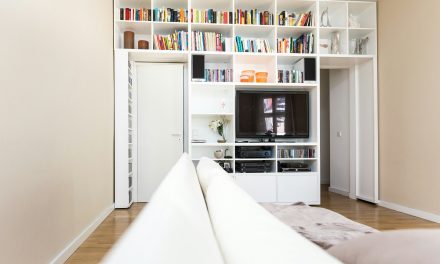
In many homes, floor space is limited, making vertical storage solutions an invaluable asset. By utilizing wall space effectively, you can maximize storage capacity without sacrificing valuable square footage. Consider installing shelves, pegboards, or wall-mounted racks to store items such as books, tools, or kitchenware. These solutions not only free up floor space but also create an aesthetically pleasing display.
In addition to shelves, consider using hooks or brackets to hang items like bicycles, pots and pans, or even artwork. This approach not only keeps items accessible but also adds visual interest to your walls. Vertical storage can be particularly beneficial in small apartments or homes where every inch counts. By thinking vertically, you can transform underutilized areas into functional storage zones.
Invest in Multi-Functional Furniture

Multi-functional furniture is a game-changer when it comes to maximizing space in your home. These versatile pieces serve multiple purposes, allowing you to optimize functionality without overcrowding your living area. For example, a sofa bed can provide seating during the day and transform into a sleeping space at night, making it ideal for small apartments or guest rooms.
Consider investing in ottomans with hidden storage compartments or coffee tables that double as workspaces. These innovative designs not only save space but also enhance the overall aesthetic of your home. When selecting multi-functional furniture, prioritize quality and durability to ensure that these pieces withstand daily use while providing long-term benefits.
Maximize Under-Bed Storage
The area beneath your bed often remains neglected and underutilized; however, it presents an excellent opportunity for additional storage. By maximizing under-bed space, you can store seasonal clothing, extra linens, or even shoes without cluttering your living areas. Consider using storage bins or drawers specifically designed for under-bed use to keep items organized and easily accessible.
When selecting under-bed storage solutions, opt for clear containers to facilitate visibility and identification of contents. This approach eliminates the need to rummage through multiple boxes when searching for specific items. Additionally, consider using vacuum-sealed bags for clothing or bedding to save even more space while protecting items from dust and moisture.
Use Clear Containers for Visibility
Visibility is key when it comes to maintaining an organized space. Clear containers allow you to see the contents at a glance, eliminating the frustration of searching through opaque boxes or bins. When organizing various items—whether in a pantry, garage, or craft room—opt for transparent storage solutions that enable easy identification.
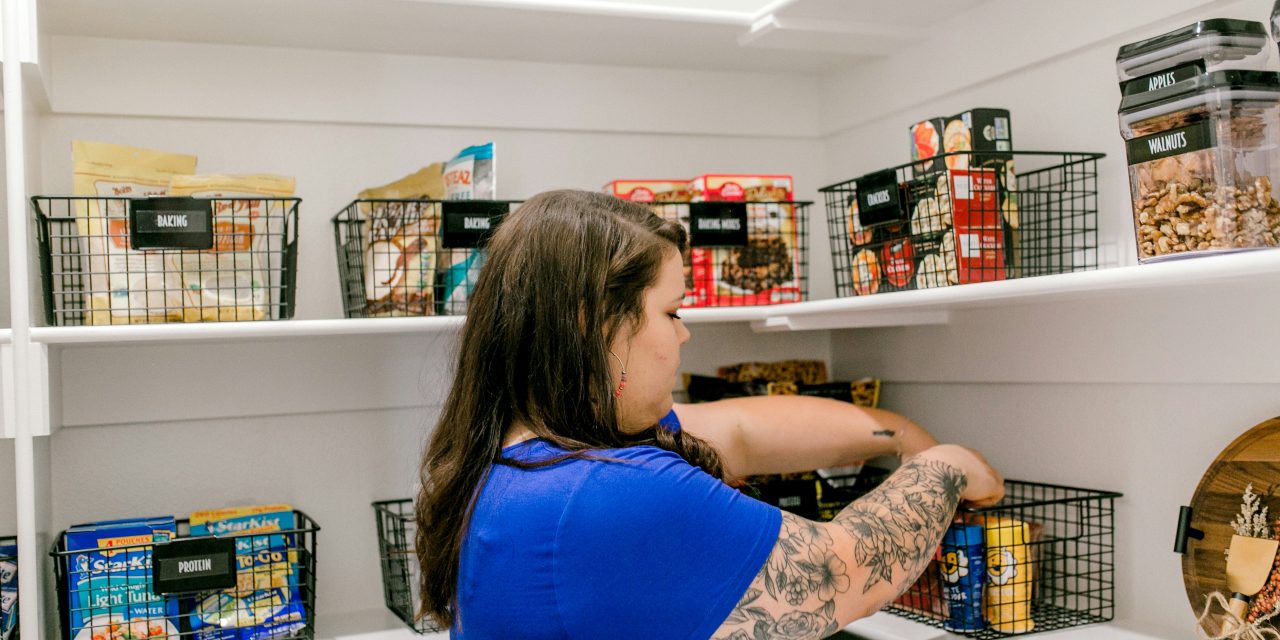
In addition to enhancing visibility, clear containers promote a sense of orderliness within your space. Group similar items together in labeled containers to create a cohesive look while simplifying access. For example, use clear bins for snacks in the pantry or craft supplies in a dedicated workspace. This method not only streamlines organization but also encourages consistent maintenance of your system.
Create Zones for Different Activities
Creating designated zones within your home can significantly enhance organization and functionality. By establishing specific areas for different activities—such as work, relaxation, and hobbies—you can streamline daily routines and minimize distractions. For instance, designate a corner of your living room as a reading nook with comfortable seating and bookshelves nearby.
When creating zones, consider the flow of movement within your space. Ensure that each area is easily accessible and equipped with the necessary tools or supplies for its intended purpose. For example, if you have a home office zone, ensure that it contains all essential equipment such as a desk, chair, computer, and office supplies. This thoughtful arrangement fosters productivity while maintaining an organized environment.
Repurpose Everyday Items for Storage
Repurposing everyday items can be an innovative way to enhance storage solutions without incurring additional costs. Look around your home for items that can serve dual purposes; for example, mason jars can be used to store office supplies or kitchen utensils while adding a rustic charm to your decor. Similarly, old crates can be transformed into stylish shelving units or side tables.
Consider using shoe organizers on the back of doors to store cleaning supplies or craft materials. This creative approach not only maximizes vertical space but also keeps frequently used items within easy reach. By thinking outside the box and repurposing what you already have, you can create unique storage solutions that reflect your personal style while maintaining organization.
Optimize Closet Space with DIY Organizers
Closets often become catch-all spaces where clutter accumulates over time. To optimize closet space effectively, consider implementing DIY organizers tailored to your specific needs. Simple projects such as adding shelves or installing hooks can dramatically increase storage capacity while keeping items neatly arranged.
For example, use tension rods to create additional hanging space for scarves or accessories within your closet. Alternatively, consider building custom dividers within drawers to separate clothing items by category—such as socks, underwear, and activewear—ensuring easy access and visibility. These DIY solutions not only enhance organization but also allow you to personalize your closet according to your preferences.
Label Everything for Easy Access
Labeling is an essential component of any effective organizational system. By clearly marking containers and storage areas, you facilitate easy access to items while promoting accountability in maintaining organization. Invest in high-quality labels or a label maker to create professional-looking tags that withstand wear and tear.
When labeling containers or shelves, be specific about their contents; for instance, instead of simply labeling a box “toys,” specify “building blocks” or “stuffed animals.” This level of detail ensures that everyone in the household knows where items belong and encourages consistent organization practices. Regularly update labels as needed to reflect changes in contents or usage.
Maintain Organization with Regular Tidying Sessions
Maintaining an organized space requires ongoing effort and commitment. Schedule regular tidying sessions—whether weekly or monthly—to assess your organizational system’s effectiveness and make necessary adjustments. During these sessions, take time to declutter any new items that may have accumulated since your last assessment.
Encourage all household members to participate in maintaining organization by establishing shared responsibilities for tidying common areas. Create a routine that includes quick daily clean-ups to prevent clutter from building up over time. By fostering a culture of organization within your home, you can ensure that your efforts yield lasting results.
In summary, effective organization begins with assessing your space and prioritizing needs before decluttering and implementing innovative storage solutions such as vertical storage and multi-functional furniture. Maximizing under-bed storage and utilizing clear containers enhances visibility while creating designated zones fosters productivity. Repurposing everyday items and optimizing closet space with DIY organizers further contributes to an organized environment. Labeling everything ensures easy access while regular tidying sessions maintain orderliness over time. By following these strategies diligently, you can transform any space into an organized haven that promotes efficiency and tranquility in daily life.
FAQs
What are some low-cost storage solutions for small homes?
Some effective low-cost storage solutions include using under-bed storage bins, repurposing old furniture like crates or baskets, utilizing vertical space with wall-mounted shelves, and using multi-functional furniture such as ottomans with storage inside. Additionally, you can find affordable storage solutions at thrift stores or online marketplaces.
How can I declutter my small home on a budget?
To declutter on a budget, start by sorting items into categories: keep, donate, and discard. Use boxes or bags you already have to organize these categories. Set a timer for short decluttering sessions to make the process manageable. You can also host a garage sale to sell items you no longer need, which can help fund your organizing efforts.
What are some DIY organization ideas for small spaces?
DIY organization ideas include creating a pegboard for tools or craft supplies, making your own drawer dividers from cardboard, using tension rods to create additional hanging space in closets, and building simple shelves from reclaimed wood. These projects can often be completed with minimal materials and tools, keeping costs low.
How can I maximize closet space without spending much?
To maximize closet space on a budget, consider using slim hangers to save space, adding hooks on the inside of the closet door for accessories, and utilizing vertical space by stacking bins or boxes. You can also rotate seasonal clothing to free up space for items you use more frequently.
Are there any free resources for organizing tips and ideas?
Yes, there are many free resources available for organizing tips and ideas. Websites, blogs, and social media platforms like Pinterest and Instagram offer a wealth of inspiration and practical advice. Additionally, local libraries often have books on organization and decluttering that you can borrow at no cost.