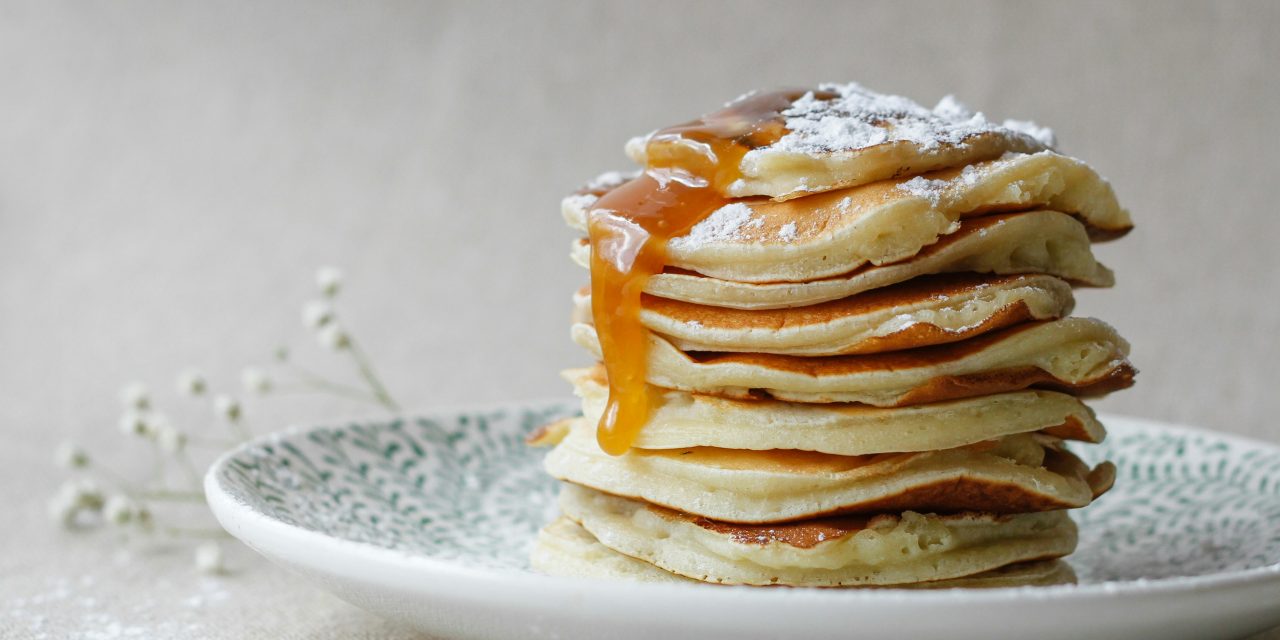
Fluffy pancakes are a beloved breakfast staple that transcends cultures and culinary traditions. Their light, airy texture and delightful flavor make them a favorite among both children and adults. The perfect fluffy pancake is characterized by its golden-brown exterior, soft interior, and the ability to absorb syrup and toppings without becoming soggy. This article delves into the art of creating these delectable treats, exploring essential ingredients, preparation techniques, and cooking methods that ensure a delightful pancake experience.
The allure of fluffy pancakes lies not only in their taste but also in their versatility. They can be customized with various flavors, fillings, and toppings, making them suitable for any occasion—from a leisurely weekend brunch to a festive holiday breakfast. Understanding the science behind pancake preparation is crucial for achieving that coveted fluffiness. This guide will provide you with the knowledge and skills necessary to master the art of fluffy pancakes, ensuring that each batch is a delicious success.
Essential Ingredients for Fluffy Pancakes
To create the perfect fluffy pancake, it is essential to use high-quality ingredients that contribute to both flavor and texture. The foundational components include flour, eggs, milk, sugar, baking powder, and salt. Each ingredient plays a vital role in the overall outcome of the pancakes.
1. **Flour**: All-purpose flour is commonly used for pancake recipes due to its balanced protein content, which provides structure while allowing for tenderness. However, variations such as whole wheat flour or gluten-free alternatives can also be utilized for different dietary needs.
2. **Eggs**: Eggs serve multiple purposes in pancake batter. They provide moisture, act as a binding agent, and contribute to the leavening process. The proteins in eggs coagulate during cooking, helping to create a stable structure.
3. **Milk**: Milk hydrates the dry ingredients and adds richness to the batter. Whole milk is often preferred for its creaminess, but alternatives such as almond milk or buttermilk can enhance flavor and texture.
4. **Sugar**: While sugar adds sweetness, it also aids in browning the pancakes during cooking. A small amount of sugar can enhance the overall flavor profile without making the pancakes overly sweet.
5. **Baking Powder**: This leavening agent is crucial for achieving fluffiness. It releases carbon dioxide when mixed with wet ingredients, creating air pockets that expand during cooking.
6. **Salt**: A pinch of salt enhances the flavors of the other ingredients and balances sweetness.
Choosing the Right Flour and Leavening Agents

Selecting the appropriate flour and leavening agents is fundamental to achieving fluffy pancakes. All-purpose flour is typically the go-to choice due to its versatility; however, understanding the differences between various flours can elevate your pancake game.
1. **All-Purpose Flour**: This flour contains a moderate amount of protein (approximately 10-12%), which provides structure while allowing for tenderness. It is ideal for traditional pancake recipes.
2. **Whole Wheat Flour**: Whole wheat flour contains more fiber and nutrients than all-purpose flour but can result in denser pancakes. To maintain fluffiness, consider using a blend of whole wheat and all-purpose flour.
3. **Gluten-Free Flour**: For those with gluten sensitivities, gluten-free flour blends are available that mimic the properties of wheat flour. Look for blends that contain xanthan gum or other binding agents to help achieve a fluffy texture.
4. **Leavening Agents**: Baking powder is the primary leavening agent used in pancake recipes. Ensure that your baking powder is fresh; expired baking powder will not produce the desired rise. Some recipes may also incorporate baking soda in conjunction with an acidic ingredient like buttermilk for additional leavening.
Preparing the Batter: Step-by-Step Guide

Creating the batter for fluffy pancakes involves a straightforward process that requires attention to detail. Follow these steps to ensure a successful outcome:
1. **Combine Dry Ingredients**: In a large mixing bowl, whisk together the flour, sugar, baking powder, and salt until well combined. This step ensures even distribution of the leavening agents and prevents clumping.
2. **Mix Wet Ingredients**: In a separate bowl, whisk together the eggs and milk until fully blended. If using buttermilk or yogurt, mix them with eggs before adding to dry ingredients.
3. **Combine Wet and Dry Ingredients**: Pour the wet mixture into the dry ingredients and gently stir until just combined. It’s important not to overmix; a few lumps are acceptable as they will disappear during cooking.
4. **Add Melted Butter (Optional)**: For added richness and flavor, consider folding in melted butter at this stage. This step enhances moisture without compromising fluffiness.
Tips for Achieving the Perfect Batter Consistency
The consistency of pancake batter is crucial for achieving fluffy results. Here are some tips to ensure your batter is just right:
1. **Thickness**: The batter should be thick enough to hold its shape when poured onto the griddle but thin enough to spread slightly. A good rule of thumb is that it should fall from a spoon in a ribbon-like manner.
2. **Adjusting Consistency**: If your batter appears too thick, add a small amount of milk until you reach the desired consistency. Conversely, if it’s too thin, incorporate a little more flour.
3. **Resting Time**: Allowing the batter to rest for about 10-15 minutes can improve texture by letting the gluten relax and allowing air bubbles to form.
The Importance of Resting the Batter
Resting pancake batter is often overlooked but plays a significant role in achieving optimal fluffiness. When batter rests, several beneficial processes occur:
1. **Gluten Relaxation**: Allowing the batter to sit gives gluten strands time to relax, resulting in a more tender pancake texture.
2. **Hydration**: Resting allows dry ingredients to fully hydrate, leading to a smoother batter that cooks evenly.
3. **Air Bubble Formation**: As the batter sits, air bubbles form within it, contributing to a lighter texture once cooked.
How to Heat Your Pan for Optimal Pancake Cooking
Properly heating your cooking surface is essential for achieving perfectly cooked pancakes with a golden-brown exterior:
1. **Preheat Your Pan**: Heat your skillet or griddle over medium heat for several minutes before adding batter. A well-heated surface ensures even cooking and prevents sticking.
2. **Testing Temperature**: To test if your pan is ready, sprinkle a few drops of water onto its surface; if they sizzle and evaporate quickly, it’s time to start cooking.
3. **Using Oil or Butter**: Lightly grease your pan with oil or butter before pouring in the batter to prevent sticking while adding flavor.
Cooking Techniques to Keep Pancakes Fluffy
Cooking techniques significantly impact pancake fluffiness and overall quality:
1. **Gentle Pouring**: Pour batter onto the pan gently; avoid spreading it out too much as this can deflate air bubbles formed during mixing.
2. **Cooking Time**: Allow pancakes to cook undisturbed until bubbles form on the surface and edges appear set—this usually takes about 2-3 minutes per side.
3. **Temperature Control**: If pancakes are browning too quickly before cooking through, reduce heat slightly to ensure even cooking without burning.
Flipping Pancakes: When and How
Flipping pancakes at the right moment is crucial for maintaining their fluffiness:
1. **Timing**: Wait until bubbles form on the surface of the pancake and edges appear dry before flipping—this indicates that they are ready for turning.
2. **Gentle Flipping**: Use a spatula to carefully lift one edge of the pancake before flipping it over quickly yet gently to avoid deflating it.
3. **Cooking Second Side**: The second side typically cooks faster than the first; keep an eye on it to prevent overcooking.
Serving Suggestions and Toppings for Fluffy Pancakes
Fluffy pancakes can be enjoyed plain or adorned with various toppings that enhance their flavor:
1. **Classic Toppings**: Maple syrup remains a timeless favorite; its sweetness complements the pancakes beautifully.
2. **Fruits**: Fresh berries, sliced bananas, or caramelized apples add natural sweetness and texture.
3. **Whipped Cream**: A dollop of whipped cream elevates pancakes into an indulgent treat.
4. **Nuts and Chocolate Chips**: Chopped nuts or chocolate chips can be folded into the batter or sprinkled on top for added crunch and flavor.
Troubleshooting Common Pancake Problems
Even experienced cooks may encounter issues when making pancakes; here are solutions to common problems:
1. **Dense Pancakes**: If pancakes turn out dense, it may be due to overmixing or using too much flour; ensure you measure accurately and mix gently.
2. **Burnt Exteriors with Raw Centers**: This often occurs from cooking at too high a temperature; adjust heat settings accordingly for even cooking.
3. **Sticking to Pan**: Ensure your pan is adequately greased before pouring in batter; consider using non-stick cookware if sticking persists.
In summary, mastering fluffy pancakes involves understanding ingredient selection, preparation techniques, cooking methods, and troubleshooting common issues that may arise during preparation. By following this comprehensive guide, you can create deliciously fluffy pancakes that will delight family and friends alike at any breakfast table or brunch gathering.
FAQs
What ingredients are needed to make fluffy pancakes from scratch?
To make fluffy pancakes from scratch, you will need all-purpose flour, baking powder, sugar, salt, milk, eggs, and melted butter. Optional ingredients include vanilla extract for added flavor and buttermilk for extra fluffiness.
How do I ensure my pancakes turn out fluffy?
To ensure your pancakes are fluffy, make sure to not overmix the batter. Mix the wet and dry ingredients until just combined, leaving some lumps. Additionally, using fresh baking powder and letting the batter rest for a few minutes can help achieve a lighter texture.
What cooking method is best for fluffy pancakes?
The best cooking method for fluffy pancakes is to use a non-stick skillet or griddle over medium heat. Preheat the surface and lightly grease it with butter or oil. Pour the batter onto the skillet and cook until bubbles form on the surface before flipping to cook the other side until golden brown.
Can I make pancake batter ahead of time?
Yes, you can make pancake batter ahead of time. However, it is best to use it within a few hours for optimal fluffiness. If you need to store it longer, refrigerate the batter and give it a gentle stir before using, as it may thicken or separate.
What toppings pair well with fluffy pancakes?
Fluffy pancakes can be topped with a variety of delicious options, including maple syrup, fresh fruits like berries or bananas, whipped cream, chocolate chips, or nuts. You can also try yogurt or flavored syrups for added taste.