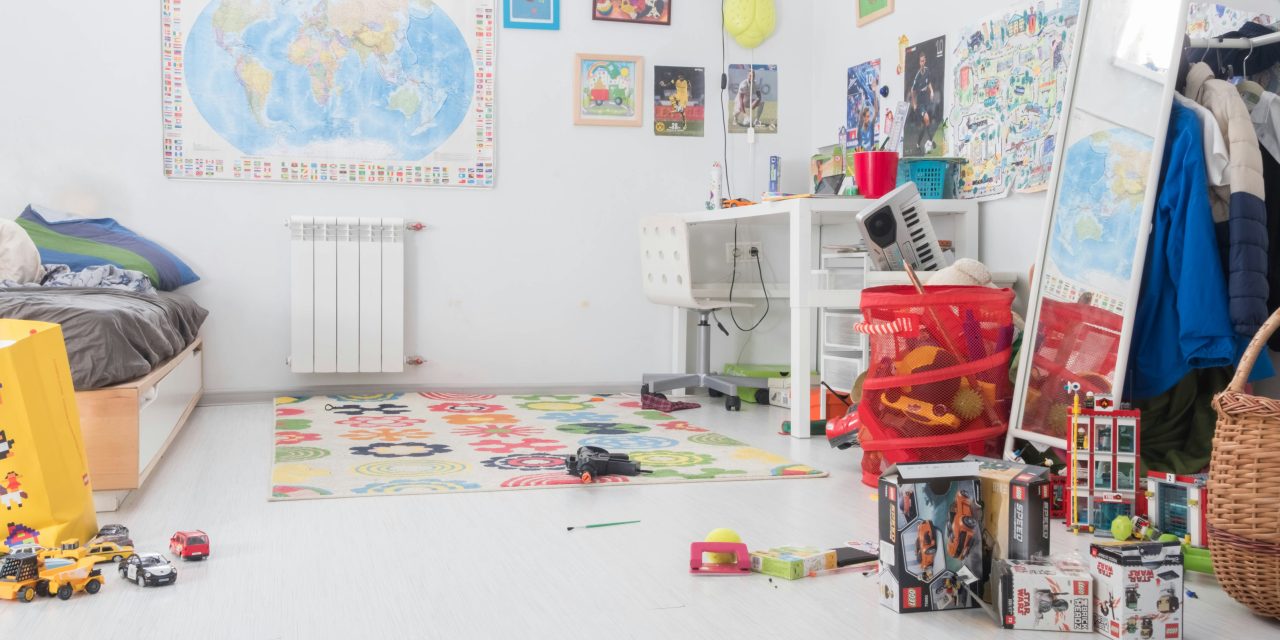
Before embarking on the decluttering journey, it is imperative to conduct a thorough assessment of the room in question. This initial evaluation serves as a foundation for the entire process, allowing you to identify specific areas that require attention and improvement. Begin by observing the room’s layout, noting any clutter hotspots, such as desks, shelves, or corners where items tend to accumulate. Take a moment to reflect on how you currently use the space and what changes would enhance its functionality and aesthetic appeal.
Setting clear goals is equally crucial in this phase. Define what you hope to achieve through decluttering. Are you aiming for a minimalist aesthetic, improved organization, or simply a more functional living space? Establishing measurable objectives, such as reducing clutter by 50% or creating designated zones for specific activities, will provide motivation and direction throughout the process. Document these goals and keep them visible as a constant reminder of your purpose.
Gather Essential Decluttering Supplies
Equipping yourself with the right tools can significantly streamline the decluttering process. Begin by gathering essential supplies that will facilitate sorting, organizing, and disposing of items effectively. Consider procuring sturdy boxes or bins for sorting purposes; label them clearly to avoid confusion during the process. Additionally, have trash bags readily available for items that are no longer usable or needed.
Incorporating tools such as markers, sticky notes, and measuring tape can also enhance your efficiency. Markers can be used for labeling boxes, while sticky notes can help you jot down reminders or ideas for future organization. Measuring tape is particularly useful when determining whether larger items will fit in designated spaces after decluttering. By assembling these supplies beforehand, you will create an organized environment that fosters productivity.
Create Sorting Categories: Keep, Donate, Trash

Once you have gathered your supplies, it is time to establish sorting categories that will guide your decision-making process. The three primary categories—Keep, Donate, and Trash—serve as a framework for evaluating each item in the room. Begin by designating specific areas for each category to maintain clarity throughout the sorting process.
The “Keep” category should include items that are essential for daily use or hold significant sentimental value. Evaluate each item critically; if it does not serve a purpose or bring joy, consider placing it in the “Donate” or “Trash” categories instead. The “Donate” category is reserved for items that are still in good condition but no longer serve your needs. Charitable organizations often welcome donations of clothing, household goods, and electronics. Lastly, the “Trash” category encompasses items that are broken, damaged beyond repair, or no longer functional. This systematic approach will simplify decision-making and reduce overwhelm.
Start with Visible Surfaces and Work Inward

To maximize efficiency and minimize feelings of overwhelm, begin decluttering with visible surfaces before moving inward to more concealed areas. Start with countertops, tables, and shelves—these high-traffic zones often accumulate clutter quickly and can significantly impact the overall appearance of the room. Clearing these surfaces first will provide an immediate sense of accomplishment and motivate you to continue.
As you work through visible surfaces, take note of any items that belong in other areas of the home. Create a designated “to-return” box for these items to ensure they are addressed later without disrupting your current focus. Once visible surfaces are cleared, gradually transition to drawers, cabinets, and closets. This methodical approach allows you to maintain momentum while systematically addressing all areas of the room.
Tackle One Area at a Time for Focus
Focusing on one area at a time is essential for maintaining clarity and preventing feelings of overwhelm during the decluttering process. Choose a specific zone within the room—such as a single drawer or a corner of a closet—and dedicate your attention solely to that area until it is completely decluttered and organized. This targeted approach allows for deeper engagement with each item and fosters a sense of accomplishment as you complete each section.
By concentrating on one area at a time, you can also develop a more nuanced understanding of how items relate to one another within that space. This insight can inform your organizational strategies moving forward. For instance, if you discover multiple similar items in one area, consider consolidating them into a single storage solution to maximize efficiency.
Make Quick Decisions to Avoid Overthinking
One of the most significant barriers to effective decluttering is overthinking each decision regarding what to keep or discard. To combat this tendency, practice making quick decisions based on gut feelings rather than prolonged deliberation. Set a timer for each item—allow yourself only 30 seconds to evaluate whether it belongs in the “Keep,” “Donate,” or “Trash” category.
This time constraint encourages instinctual decision-making and prevents unnecessary second-guessing. If you find yourself hesitating over an item, ask yourself critical questions: When was the last time I used this? Does it serve a purpose in my life? Would I purchase it again if I saw it in a store? By honing your decision-making skills through this method, you will streamline the decluttering process and foster greater confidence in your choices.
Organize Kept Items with Storage Solutions
Once you have successfully sorted through your belongings and identified what to keep, it is time to implement effective storage solutions for those items. Organizing kept items not only enhances functionality but also contributes to an aesthetically pleasing environment. Consider utilizing various storage options such as bins, baskets, shelves, and drawer organizers tailored to the specific needs of each area.
For example, use clear bins for storing seasonal clothing or holiday decorations; this allows for easy visibility while maximizing space efficiency. Drawer dividers can help categorize smaller items like office supplies or accessories, preventing chaos from re-emerging in those spaces. Additionally, consider vertical storage solutions such as wall-mounted shelves or hooks to free up floor space while showcasing decorative items or frequently used tools.
Dispose of Trash and Schedule Donations Promptly
After sorting through your belongings and organizing what you intend to keep, it is crucial to address the disposal of trash and donations promptly. Leaving items in bags or boxes around the house can lead to clutter reaccumulating quickly. Take immediate action by disposing of trash bags in your outdoor bin or recycling container.
For donated items, schedule a pickup with a local charity or plan a drop-off visit within a few days of completing your decluttering session. Many organizations offer convenient donation services that can simplify this process further. By taking swift action on disposal and donations, you reinforce your commitment to maintaining a clutter-free environment.
Clean the Room Thoroughly After Decluttering
With clutter removed and organized items in place, it is time to give the room a thorough cleaning. This step not only enhances the overall appearance but also creates a fresh atmosphere that complements your newly decluttered space. Begin by dusting surfaces such as shelves, furniture, and baseboards using microfiber cloths or dusters.
Next, vacuum or sweep the floors to remove any debris that may have accumulated during the decluttering process. If applicable, consider mopping hard surfaces for an added touch of cleanliness. Pay special attention to corners and hidden areas where dust tends to gather; this ensures that your efforts yield lasting results.
Maintain the Decluttered Space Daily
Maintaining a decluttered space requires ongoing commitment and daily habits that prevent clutter from reaccumulating over time. Establish routines that promote tidiness; for instance, implement a “one-in-one-out” rule where every new item brought into the home necessitates the removal of an existing item.
Additionally, allocate time each day—whether it’s 10 minutes in the morning or evening—to perform quick tidying tasks such as returning misplaced items to their designated spots or clearing surfaces of unnecessary clutter. By integrating these habits into your daily routine, you will cultivate an environment that remains organized and functional long after your initial decluttering efforts.
Celebrate Your Progress and Plan the Next Room
Finally, take time to celebrate your accomplishments after completing the decluttering process in one room before moving on to another area of your home. Acknowledging your progress reinforces positive behavior and motivates you to continue tackling other spaces that may require attention.
Consider treating yourself to something enjoyable—a favorite meal or activity—as a reward for your hard work. Additionally, create a plan for addressing the next room on your list; outline specific goals and timelines to maintain momentum in your decluttering journey. By celebrating achievements and planning ahead, you will foster an ongoing commitment to creating an organized living environment.
In summary, decluttering is an essential process that enhances both functionality and aesthetics within living spaces. By assessing rooms thoroughly, gathering necessary supplies, creating sorting categories, focusing on one area at a time, making quick decisions, organizing kept items effectively, disposing of trash promptly, cleaning thoroughly afterward, maintaining daily habits, and celebrating progress along the way—individuals can cultivate an organized environment that promotes well-being and productivity in their lives.
FAQs
What is the first step in decluttering a room?
The first step in decluttering a room is to set a clear goal for what you want to achieve. Decide which room you want to focus on and what specific areas or items you want to declutter. This helps create a roadmap for your decluttering process.
How do I decide what to keep and what to discard?
To decide what to keep and what to discard, consider the usefulness and emotional value of each item. Ask yourself if you have used the item in the past year, if it serves a purpose, or if it brings you joy. If the answer is no, it may be time to let it go.
Should I declutter all at once or in stages?
It is often more effective to declutter in stages rather than all at once. Focus on one room or area at a time to avoid feeling overwhelmed. Breaking the process into manageable tasks allows you to maintain motivation and see progress more clearly.
What tools or supplies do I need for decluttering?
Basic tools for decluttering include boxes or bins for sorting items, trash bags for disposal, and cleaning supplies for tidying up after decluttering. You may also want to have labels or markers to categorize items you plan to keep or donate.
How can I maintain a clutter-free space after decluttering?
To maintain a clutter-free space, establish a regular cleaning and decluttering routine. Set aside time weekly or monthly to reassess items and ensure everything has a designated place. Additionally, practice the “one in, one out” rule, where you remove an item for every new item you bring into the space.