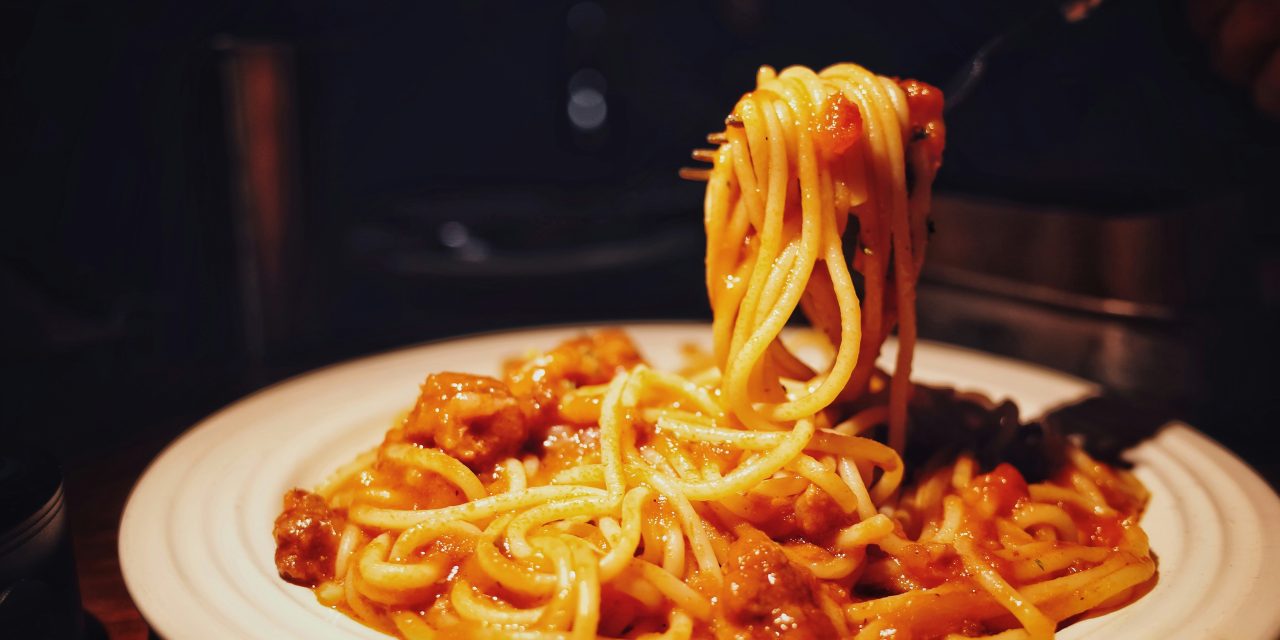
The term “al dente,” which translates from Italian as “to the tooth,” refers to the ideal texture of cooked pasta. This culinary standard signifies that the pasta should be firm to the bite, offering a slight resistance when chewed. Achieving this texture is crucial for both flavor and mouthfeel, as overcooked pasta can become mushy and lose its structural integrity. The al dente texture not only enhances the overall dining experience but also allows for better absorption of sauces, ensuring that each bite is flavorful.
In addition to its sensory appeal, cooking pasta al dente has nutritional benefits. Pasta that is cooked to this perfect state has a lower glycemic index compared to overcooked varieties. This means that it releases glucose into the bloodstream more slowly, which can be beneficial for maintaining stable energy levels and preventing spikes in blood sugar. Understanding the significance of al dente is essential for anyone looking to elevate their pasta dishes from ordinary to extraordinary.
Choosing the Right Type of Pasta
Selecting the appropriate type of pasta is fundamental to achieving the desired al dente texture. There are numerous varieties available, each with unique characteristics that influence cooking time and texture. For instance, dried pasta, such as spaghetti or penne, typically requires longer cooking times than fresh pasta, which cooks more quickly due to its higher moisture content. Understanding these differences is key to mastering the art of pasta preparation.
Moreover, the shape and size of the pasta can also affect how well it holds sauces and flavors. For example, tubular shapes like rigatoni are excellent for capturing chunky sauces, while flat noodles like fettuccine pair beautifully with creamy sauces. When choosing pasta, consider the dish you are preparing and how the pasta will interact with other ingredients. This thoughtful selection process will contribute significantly to achieving that perfect al dente finish.
Using the Proper Amount of Water

The quantity of water used in cooking pasta plays a pivotal role in achieving optimal results. A general guideline is to use approximately four to six quarts of water for every pound of pasta. This ample amount ensures that the pasta has enough space to move freely, preventing it from clumping together during cooking. Additionally, using a large volume of water helps maintain a consistent temperature when the pasta is added, which is crucial for even cooking.
It is also important to consider the pot size when boiling water for pasta. A larger pot allows for better heat distribution and prevents the water from cooling too quickly when the pasta is introduced. This practice not only aids in achieving al dente texture but also enhances the overall cooking process by reducing the likelihood of sticking or uneven cooking.
Adding Salt for Flavor and Texture

Salt is an essential ingredient in the pasta cooking process, as it enhances flavor and contributes to the overall texture of the dish. Adding salt to boiling water before introducing the pasta is recommended; a common ratio is about one tablespoon of salt per gallon of water. This practice ensures that the pasta absorbs flavor as it cooks, resulting in a more delicious final product.
In addition to flavor enhancement, salt also affects the cooking process itself. It raises the boiling point of water, allowing for more efficient cooking at higher temperatures. This can help achieve that coveted al dente texture more effectively. However, it is crucial to strike a balance; too much salt can overpower the dish, while too little may result in bland pasta.
Bringing Water to a Rolling Boil
Achieving a rolling boil before adding pasta is a critical step in ensuring even cooking and maintaining an al dente texture. A rolling boil indicates that the water has reached its maximum temperature and is bubbling vigorously. This high temperature is essential for cooking pasta evenly and preventing it from becoming gummy or sticky.
To reach a rolling boil quickly, cover the pot with a lid until the water reaches temperature, then remove it once boiling begins. Once you add the pasta, ensure that the water continues to boil vigorously; this will help maintain consistent cooking conditions and prevent any potential sticking or clumping.
Timing Your Pasta Cooking Precisely
Timing is crucial when it comes to cooking pasta al dente. Each type of pasta has its own recommended cooking time, typically indicated on the packaging. It is essential to adhere closely to these guidelines while also considering factors such as altitude and personal preference for texture. For instance, if you prefer your pasta slightly firmer, consider reducing the cooking time by one minute.
To ensure precision in timing, set a timer as soon as you add the pasta to boiling water. This practice helps prevent overcooking and allows you to monitor doneness closely. Remember that pasta continues to cook slightly even after being drained due to residual heat, so it’s advisable to err on the side of caution when timing your cooking.
Stirring to Prevent Sticking
Stirring pasta during cooking is an important technique that helps prevent sticking and ensures even cooking throughout. When pasta is first added to boiling water, it tends to release starches that can cause it to clump together. By stirring gently but consistently during the initial minutes of cooking, you can help separate individual strands or pieces.
Using a long-handled spoon or a pasta fork can facilitate this process without risking burns from hot water splashes. Stirring should be done periodically throughout the cooking process, particularly during the first few minutes when sticking is most likely to occur.
Testing Pasta for Doneness
To achieve that perfect al dente texture, testing for doneness is essential. The best method involves tasting a piece of pasta just before the end of the recommended cooking time. The ideal al dente pasta should be firm yet tender, providing slight resistance when bitten into without being hard or crunchy.
If you find that your pasta is not quite ready, continue cooking for an additional 30 seconds before testing again. This method allows you to achieve your desired texture without risking overcooking.
Draining and Saving Pasta Water
Once your pasta reaches al dente perfection, it’s time to drain it properly while also considering how to utilize the starchy cooking water. Draining should be done carefully using a colander or sieve; however, before doing so, reserve a cup of pasta water for later use in your sauce or dish.
The starchy water can be an invaluable addition when finishing sauces, as it helps emulsify and bind ingredients together while adding depth of flavor. This technique not only enhances your dish but also minimizes waste by utilizing every component of your meal.
Finishing Techniques to Maintain Al Dente Texture
After draining your pasta, employing finishing techniques can help maintain its al dente texture while enhancing flavor profiles. One effective method involves tossing the drained pasta with a small amount of olive oil or butter immediately after draining; this prevents sticking and adds richness.
Additionally, incorporating your sauce directly into the pan with the drained pasta allows for better absorption of flavors while ensuring that each piece remains coated without becoming overly soft. If using reserved pasta water, add it gradually until you achieve your desired consistency.
Tips for Serving and Storing Al Dente Pasta
Serving al dente pasta requires attention to detail to ensure that its texture remains intact until it reaches the table. When plating, avoid letting cooked pasta sit in sauce for extended periods; instead, serve immediately after tossing with sauce or toppings to preserve its firmness.
If you need to store leftover al dente pasta, consider tossing it with a bit of olive oil before refrigerating; this will help prevent sticking during storage. When reheating, add a splash of reserved pasta water or broth to restore moisture and maintain texture.
In summary, mastering the art of cooking al dente pasta involves understanding various factors such as selecting appropriate types of pasta, using sufficient water and salt, timing accurately, and employing effective techniques throughout the process. By following these guidelines and incorporating thoughtful finishing touches, you can elevate your culinary creations while enjoying all the benefits that come with perfectly cooked al dente pasta.
FAQs
What does “al dente” mean in cooking pasta?
“Al dente” is an Italian term that translates to “to the tooth.” It refers to pasta that is cooked until it is firm to the bite, rather than soft or mushy. This texture is often preferred as it provides a better mouthfeel and holds up well when mixed with sauces.
How long should I cook pasta to achieve al dente?
The cooking time for pasta to reach al dente varies depending on the type and shape of the pasta. Generally, it is recommended to cook pasta for 1-2 minutes less than the package instructions. For example, if the package suggests 10 minutes for cooking, start checking for doneness around 8 minutes.
Should I add salt to the water when cooking pasta?
Yes, adding salt to the boiling water is essential when cooking pasta. It enhances the flavor of the pasta itself. A common recommendation is to use about 1-2 tablespoons of salt per gallon of water. This helps to season the pasta as it cooks, contributing to a more flavorful dish.
Can I use oil in the pasta cooking water?
It is generally not recommended to add oil to the pasta cooking water. While some believe it prevents sticking, it can actually make the pasta slippery, causing sauces to have difficulty adhering. Instead, stirring the pasta occasionally during cooking can help prevent sticking.
How can I tell if my pasta is al dente?
The best way to check if pasta is al dente is to taste it. It should be firm but not hard, with a slight chewiness. Additionally, you can cut a piece in half; the center should be slightly opaque, indicating it is cooked but still has a bit of bite.