Mushrooms, belonging to the fungi kingdom, are composed of approximately 90% water. This high water content is a significant factor in their cooking behavior, particularly during the sautéing process. When exposed to heat, the cellular structure of mushrooms breaks down, causing the water to be released. This phenomenon is primarily due to the thermal denaturation of proteins and the breakdown of cell walls, which allows moisture to escape. As a result, sautéing mushrooms can often lead to a pool of liquid forming in the pan, which can hinder the desired browning effect.
The release of water is not inherently negative; however, it requires careful management to achieve optimal results. If mushrooms are sautéed improperly, they may become soggy rather than achieving a desirable caramelized texture. Understanding this process is crucial for culinary enthusiasts aiming to master the art of sautéing mushrooms. By controlling moisture release and employing proper techniques, one can enhance the flavor and texture of this versatile ingredient.
Choosing the Right Type of Mushrooms for Sautéing
Selecting the appropriate variety of mushrooms is essential for successful sautéing. Common choices include cremini, shiitake, portobello, and button mushrooms. Each type possesses unique flavor profiles and textures that can significantly influence the final dish. For instance, cremini mushrooms offer a robust, earthy flavor that intensifies when cooked, while shiitake mushrooms provide a rich umami taste that complements various cuisines.
When choosing mushrooms, freshness is paramount. Look for firm, plump specimens with a smooth surface and no signs of bruising or discoloration. Avoid mushrooms that appear slimy or have dark spots, as these are indicators of spoilage. Additionally, consider the intended dish; for example, portobello mushrooms can serve as a meat substitute due to their substantial size and meaty texture, while delicate enoki mushrooms are ideal for garnishing soups or salads.
Preparing Mushrooms Properly Before Cooking

Preparation is a critical step in ensuring that mushrooms are ready for sautéing. Begin by cleaning them gently with a damp cloth or a soft brush to remove any dirt or debris. Avoid soaking mushrooms in water, as they can absorb moisture and become waterlogged, which negatively impacts their texture during cooking. Instead, a quick rinse followed by thorough drying with a paper towel is recommended.
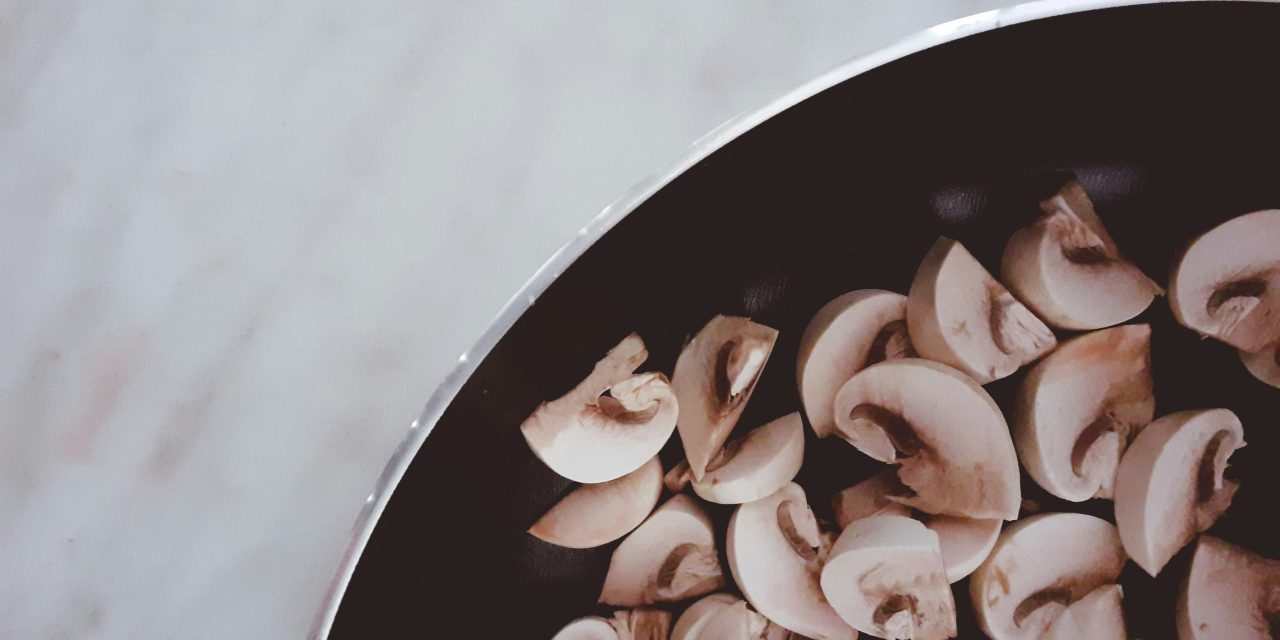
Once cleaned, it is essential to slice or chop mushrooms uniformly to ensure even cooking. The thickness of the slices can affect cooking time; thinner slices will cook faster and may caramelize more readily than thicker ones. For sautéing, aim for slices that are approximately ¼ inch thick. This uniformity not only promotes even cooking but also enhances the visual appeal of the final dish.
The Importance of Drying Mushrooms Thoroughly

Thoroughly drying mushrooms before sautéing is crucial for achieving the desired texture and flavor. Excess moisture on the surface can lead to steaming rather than browning, resulting in a less appealing dish. After washing, patting them dry with paper towels or using a salad spinner can effectively remove any residual moisture.
In addition to surface drying, consider air-drying mushrooms for a short period before cooking. This technique allows any remaining moisture to evaporate naturally, further enhancing their ability to caramelize during sautéing. By prioritizing this step, cooks can significantly improve the overall quality of their sautéed mushrooms.
Selecting the Best Pan for Sautéing Mushrooms
The choice of cookware plays a pivotal role in the sautéing process. A wide, shallow pan or skillet is ideal for sautéing mushrooms as it allows for maximum surface area exposure to heat. Materials such as stainless steel or cast iron are preferred due to their excellent heat retention and distribution properties.
Non-stick pans can also be used; however, they may not achieve the same level of browning as stainless steel or cast iron options. When selecting a pan, ensure it is large enough to accommodate the quantity of mushrooms being cooked without overcrowding. This consideration is vital for achieving optimal caramelization and preventing steaming.
Using High Heat to Prevent Mushrooms from Steaming
High heat is essential when sautéing mushrooms to prevent them from releasing excess moisture and steaming in their own juices. Preheating the pan adequately before adding oil or butter creates an environment conducive to browning. Aim for a temperature around 375°F (190°C) for optimal results.
Once the pan reaches the desired temperature, add oil or butter and allow it to heat until shimmering or foaming occurs. This indicates that the fat is hot enough to sear the mushrooms effectively. Cooking at high temperatures not only enhances flavor through caramelization but also contributes to a more appealing texture.
Adding Oil or Butter at the Right Time
The timing of adding oil or butter during the sautéing process is crucial for achieving perfectly cooked mushrooms. Once the pan has been preheated adequately, introduce oil or butter to create a non-stick surface and enhance flavor. Olive oil, vegetable oil, or clarified butter are excellent choices due to their high smoke points.
It is essential to allow the fat to heat sufficiently before adding mushrooms; this prevents them from absorbing too much oil and becoming greasy. Once added, allow the mushrooms to cook undisturbed for several minutes before stirring. This technique promotes even browning and enhances flavor development through Maillard reactions.
Avoiding Overcrowding the Pan
Overcrowding the pan is one of the most common mistakes made when sautéing mushrooms. When too many mushrooms are added at once, they release excess moisture that leads to steaming rather than browning. To achieve optimal results, it is advisable to sauté in batches if necessary.
A general rule of thumb is to fill the pan no more than halfway with mushrooms. This allows for adequate airflow and ensures that each piece has sufficient contact with the hot surface of the pan. By avoiding overcrowding, cooks can achieve beautifully caramelized mushrooms with enhanced flavor and texture.
Stirring Techniques to Promote Even Cooking
Stirring techniques play a significant role in ensuring even cooking during the sautéing process. Initially, allow mushrooms to sit undisturbed for several minutes after adding them to the hot pan; this promotes browning on one side before flipping them over. Once they begin to brown, use a spatula or wooden spoon to gently stir them occasionally.
Avoid excessive stirring, as this can disrupt the browning process and lead to uneven cooking. Instead, aim for a balance between allowing them to sear and gently moving them around in the pan. This technique ensures that all sides receive equal exposure to heat while developing rich flavors through caramelization.
When to Season Mushrooms During Sautéing
Timing is critical when it comes to seasoning sautéed mushrooms. Adding salt too early in the cooking process can draw out moisture prematurely, leading to steaming rather than browning. It is advisable to wait until the mushrooms have developed some color before introducing salt or other seasonings.
Once they begin to brown and release their natural flavors, sprinkle salt and any desired herbs or spices over them. This allows for better absorption of flavors while maintaining their texture. Fresh herbs such as thyme or parsley can be added towards the end of cooking for an aromatic finish.
Finishing Touches for Perfectly Sautéed Mushrooms
To elevate sautéed mushrooms further, consider adding finishing touches that enhance both flavor and presentation. A splash of balsamic vinegar or a squeeze of lemon juice can brighten their taste and add acidity that balances richness. Additionally, incorporating freshly grated Parmesan cheese or a sprinkle of toasted nuts can provide an appealing contrast in texture.
For an elegant presentation, consider garnishing with fresh herbs or microgreens just before serving. These finishing touches not only enhance visual appeal but also contribute layers of flavor that elevate the overall dish.
In summary, mastering the art of sautéing mushrooms involves understanding their unique properties and employing effective techniques throughout the cooking process. From selecting the right variety and preparing them properly to managing moisture release and seasoning at appropriate times, each step contributes significantly to achieving perfectly sautéed mushrooms that are flavorful and visually appealing.
FAQ Section:
1. **Why do mushrooms release water when cooked?**
Mushrooms contain high water content (approximately 90%), which is released when exposed to heat due to protein denaturation and cell wall breakdown.
2. **What types of mushrooms are best for sautéing?**
Cremini, shiitake, portobello, and button mushrooms are excellent choices due to their unique flavors and textures.
3. **How should I clean mushrooms before cooking?**
Clean mushrooms gently with a damp cloth or soft brush; avoid soaking them in water as they can absorb moisture.
4. **What is the ideal thickness for mushroom slices?**
Aim for slices approximately ¼ inch thick for even cooking and optimal caramelization.
5. **Why is it important to dry mushrooms thoroughly?**
Excess moisture can lead to steaming instead of browning; drying ensures better texture and flavor development during cooking.
6. **What type of pan should I use for sautéing?**
A wide, shallow skillet made from stainless steel or cast iron is ideal for even heat distribution and maximum surface area exposure.
7. **How hot should my pan be before adding oil?**
Preheat your pan to around 375°F (190°C) before adding oil or butter for optimal sautéing conditions.
8. **What oils are best for sautéing mushrooms?**
Olive oil, vegetable oil, or clarified butter are recommended due to their high smoke points.
9. **How do I avoid overcrowding my pan?**
Fill your pan no more than halfway with mushrooms; sauté in batches if necessary to prevent steaming.
10. **When should I season my sautéed mushrooms?**
Season after they have begun browning; this allows better absorption of flavors without drawing out moisture prematurely.
11. **What finishing touches can I add to sautéed mushrooms?**
Consider adding balsamic vinegar, lemon juice, fresh herbs, grated cheese, or toasted nuts for enhanced flavor and presentation.
In conclusion, mastering mushroom sautéing requires attention to detail at every stage—from selection and preparation through cooking techniques and finishing touches—ensuring delicious results every time you cook with this versatile ingredient.
FAQs
What is the best type of mushroom to sauté?
The best types of mushrooms for sautéing include cremini, shiitake, and button mushrooms. These varieties have a firm texture and rich flavor that hold up well during cooking, making them ideal for sautéing.
How can I prevent mushrooms from becoming watery when sautéing?
To prevent mushrooms from becoming watery, it is essential to cook them over medium-high heat and avoid overcrowding the pan. This allows the moisture to evaporate quickly, resulting in a better texture. Additionally, using a dry pan without oil initially can help to sear the mushrooms and reduce moisture.
Should I wash mushrooms before sautéing them?
It is generally recommended to wipe mushrooms with a damp cloth or paper towel instead of washing them under running water. This prevents them from absorbing excess moisture, which can lead to a watery texture when sautéed.
What type of fat is best for sautéing mushrooms?
Butter and olive oil are popular choices for sautéing mushrooms. Butter adds a rich flavor, while olive oil has a higher smoke point, making it suitable for cooking at higher temperatures. A combination of both can also enhance the flavor and prevent burning.
How long should I sauté mushrooms for optimal results?
Mushrooms typically take about 5 to 10 minutes to sauté, depending on their size and type. They should be cooked until they are golden brown and tender, stirring occasionally to ensure even cooking and prevent sticking.