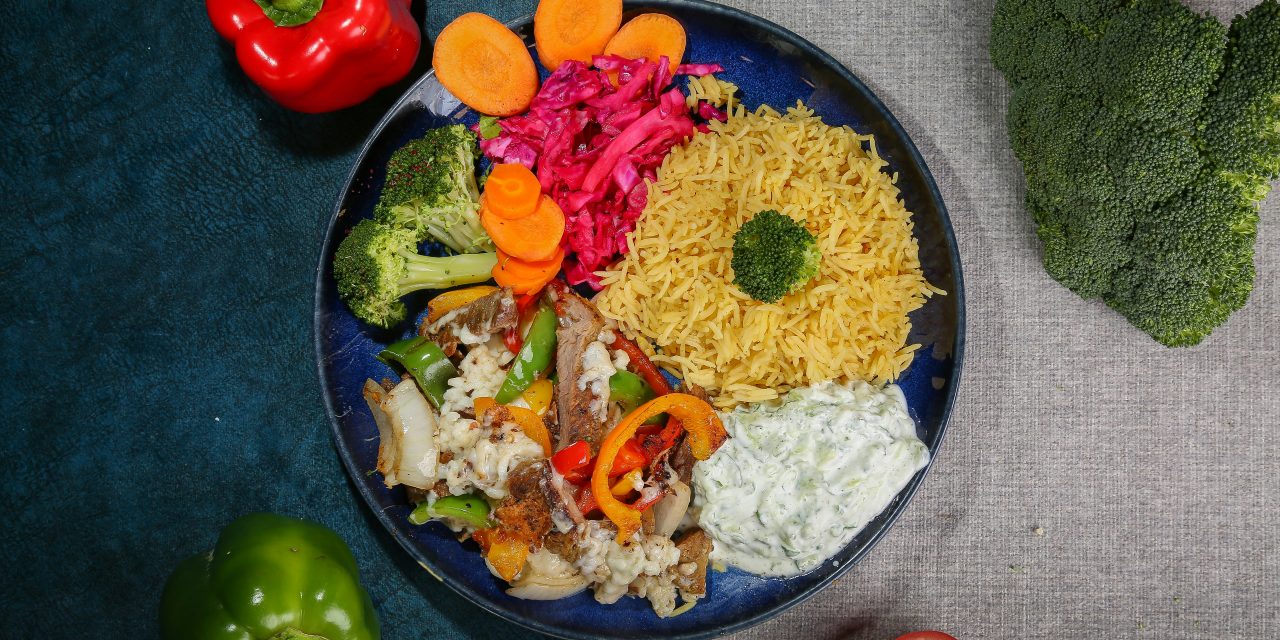
Quick chicken stir-fry is a culinary delight that marries speed with flavor, making it an ideal choice for busy weeknights or spontaneous gatherings. This dish is not only a feast for the palate but also a canvas for creativity, allowing cooks to incorporate a variety of ingredients based on personal preferences and seasonal availability. The beauty of stir-frying lies in its simplicity; with just a few essential components, one can create a vibrant and nutritious meal in under 30 minutes.
The technique of stir-frying originated in China and has since gained global popularity due to its efficiency and the ability to retain the nutrients and flavors of the ingredients. The method involves cooking food quickly over high heat while stirring continuously, which helps to lock in moisture and enhance the overall taste. This article will delve into the essential components of a quick chicken stir-fry, providing insights into ingredient selection, preparation techniques, and cooking methods that yield delicious results.
Essential Ingredients for the Dish
To create a mouthwatering chicken stir-fry, one must gather a selection of essential ingredients that contribute to both flavor and texture. The primary component is, of course, chicken, which can be sourced in various forms such as breast, thigh, or even pre-marinated options for added convenience. Chicken breast is favored for its lean protein content, while thighs offer a richer flavor due to their higher fat content.
In addition to chicken, a colorful array of vegetables is crucial for a well-rounded dish. Common choices include bell peppers, broccoli, snap peas, and carrots, each providing unique textures and nutritional benefits. Aromatics such as garlic and ginger are indispensable for infusing the stir-fry with depth and warmth. Finally, a selection of sauces—such as soy sauce, oyster sauce, or teriyaki sauce—serves as the flavor backbone of the dish, enhancing the overall taste profile.
Preparing the Chicken: Tips and Techniques

Proper preparation of the chicken is vital for achieving optimal tenderness and flavor in your stir-fry. Begin by selecting high-quality chicken that is fresh and free from any blemishes. For even cooking, it is advisable to cut the chicken into uniform pieces, typically around 1-inch cubes or thin strips. This ensures that each piece cooks evenly and absorbs the flavors of the sauces effectively.
Marinating the chicken can significantly enhance its flavor and juiciness. A simple marinade can be made using soy sauce, sesame oil, and a touch of cornstarch to create a velvety coating that locks in moisture during cooking. Allow the chicken to marinate for at least 15-30 minutes before cooking; this step not only infuses flavor but also tenderizes the meat. When ready to cook, ensure that your wok or skillet is preheated to a high temperature to achieve that coveted sear on the chicken.
Selecting the Best Vegetables for Stir-Fry

The choice of vegetables plays a pivotal role in determining the overall success of your chicken stir-fry. Opt for vegetables that retain their crunch and vibrant color when cooked quickly at high heat. Bell peppers are an excellent choice due to their sweetness and crisp texture; they add both visual appeal and flavor complexity. Broccoli florets provide a satisfying bite while being rich in vitamins C and K.
Other great options include snap peas, which offer a delightful sweetness and snap when bitten into, and carrots, which add both color and natural sweetness. Mushrooms can introduce an earthy flavor that complements the chicken beautifully. When selecting vegetables, aim for a mix of colors and textures to create an appealing dish that is as nutritious as it is delicious.
Cooking the Perfect Rice Base
A well-cooked rice base serves as the perfect foundation for your chicken stir-fry, absorbing flavors while providing a satisfying texture. Jasmine rice is often preferred for its fragrant aroma and fluffy consistency; however, brown rice or cauliflower rice can be excellent alternatives for those seeking healthier options.
To achieve perfectly cooked rice, rinse it under cold water until the water runs clear to remove excess starch. This step prevents clumping during cooking. Use a ratio of 1 cup of rice to 1.5 cups of water for white rice; for brown rice, increase the water ratio to 2 cups per cup of rice due to its longer cooking time. Bring the water to a boil before reducing it to a simmer and covering it with a lid. Allow it to cook undisturbed until all water is absorbed—typically around 15 minutes for white rice and 40 minutes for brown rice.
Step-by-Step Guide to Making the Stir-Fry
Creating a quick chicken stir-fry involves several straightforward steps that ensure efficiency and flavor retention. Begin by preparing all ingredients beforehand—this includes chopping vegetables, marinating chicken, and measuring out sauces. Having everything ready will streamline the cooking process.
1. Heat your wok or large skillet over high heat until it begins to smoke slightly.
2. Add a tablespoon of oil with a high smoke point, such as vegetable or peanut oil.
3. Once the oil is shimmering, add the marinated chicken in a single layer; avoid overcrowding the pan.
4. Sear the chicken for about 3-4 minutes until golden brown before flipping it over.
5. Once cooked through, remove the chicken from the pan and set aside.
6. In the same pan, add more oil if necessary and toss in your prepared vegetables.
7. Stir-fry for 2-3 minutes until they are vibrant but still crisp.
8. Return the chicken to the pan along with your chosen sauces; toss everything together until well-coated.
9. Serve immediately over your prepared rice base.
Flavor Enhancers: Sauces and Spices
The right combination of sauces and spices can elevate your chicken stir-fry from ordinary to extraordinary. Soy sauce is a staple in many stir-fry recipes; its umami flavor enhances the overall taste profile while providing saltiness without overpowering other ingredients. For those seeking additional depth, consider incorporating oyster sauce or hoisin sauce for sweetness and richness.
Adding aromatics such as minced garlic or ginger can significantly enhance flavor complexity; these ingredients should be added towards the end of cooking to prevent burning while still imparting their aromatic qualities. A sprinkle of sesame seeds or chopped green onions can serve as an excellent garnish that adds both visual appeal and crunch.
Time-Saving Kitchen Tools and Tips
Efficiency in the kitchen can be greatly improved with the right tools and techniques at your disposal. A high-quality wok or non-stick skillet is essential for achieving optimal heat distribution during stir-frying. Additionally, investing in a sharp chef’s knife will make chopping vegetables quicker and safer.
Prepping ingredients ahead of time can save valuable minutes during cooking; consider chopping vegetables in advance or using pre-cut options available at grocery stores. Utilizing kitchen gadgets such as mandolins or food processors can also expedite vegetable preparation significantly.
Nutritional Benefits of Chicken Stir-Fry with Vegetables
Chicken stir-fry with vegetables offers numerous nutritional benefits that make it an excellent choice for health-conscious individuals. Chicken is an excellent source of lean protein, essential for muscle repair and growth while being low in saturated fat when skinless cuts are used. The inclusion of colorful vegetables provides an array of vitamins, minerals, and antioxidants that support overall health.
For instance, broccoli is rich in vitamin C and fiber, while bell peppers provide high levels of vitamin A and antioxidants that combat oxidative stress in the body. The combination of protein from chicken and fiber from vegetables creates a balanced meal that promotes satiety without excessive calories.
Serving Suggestions and Presentation Ideas
Presentation plays an important role in enhancing the dining experience; therefore, serving your chicken stir-fry attractively can elevate its appeal significantly. Consider using shallow bowls or plates to showcase vibrant colors from both chicken and vegetables.
Garnishing with fresh herbs such as cilantro or basil can add an aromatic touch while enhancing visual appeal. Serving alongside lime wedges allows diners to add a splash of acidity that brightens flavors further.
Variations and Customizations for Different Tastes
One of the most appealing aspects of chicken stir-fry is its versatility; it can easily be customized to suit various tastes or dietary preferences. For those who prefer a spicier kick, adding sliced chili peppers or incorporating sriracha into the sauce can create an exciting heat level.
Vegetarians can substitute chicken with tofu or tempeh while maintaining similar cooking techniques; these plant-based proteins absorb flavors beautifully when marinated properly. Additionally, experimenting with different sauces—such as teriyaki or sweet-and-sour—can yield entirely new flavor profiles that cater to diverse palates.
In summary, quick chicken stir-fry is not only a delicious meal option but also an adaptable dish that allows for creativity in ingredient selection and preparation techniques. By focusing on essential components such as quality chicken, vibrant vegetables, flavorful sauces, and efficient cooking methods, anyone can create a satisfying meal in minimal time while reaping numerous nutritional benefits. Whether served over rice or enjoyed on its own, this dish promises satisfaction for both taste buds and health-conscious diners alike.
FAQs
What ingredients are typically used in a quick chicken stir-fry?
A quick chicken stir-fry typically includes boneless chicken breast or thighs, a variety of vegetables such as bell peppers, broccoli, and carrots, soy sauce, garlic, ginger, and cooked rice. Optional ingredients may include sesame oil, green onions, and sesame seeds for garnish.
How long does it take to prepare a quick chicken stir-fry?
The preparation and cooking time for a quick chicken stir-fry is usually around 20 to 30 minutes. This includes chopping the vegetables, marinating the chicken, and stir-frying everything together.
Can I use frozen vegetables for a chicken stir-fry?
Yes, frozen vegetables can be used for a chicken stir-fry. They are convenient and can save time, but it’s best to thaw them slightly before cooking to ensure even cooking and to avoid excess moisture in the dish.
What type of rice is best for serving with chicken stir-fry?
Jasmine rice or basmati rice are popular choices for serving with chicken stir-fry due to their fragrant aroma and fluffy texture. However, you can also use brown rice or cauliflower rice for a healthier option.
Is chicken stir-fry a healthy meal option?
Yes, chicken stir-fry can be a healthy meal option as it is typically low in calories and high in protein, especially when loaded with a variety of colorful vegetables. Using minimal oil and opting for low-sodium soy sauce can further enhance its health benefits.