Grooming is an essential aspect of maintaining the health and well-being of guinea pigs. These small, social creatures require regular grooming to ensure their fur remains clean, free of tangles, and devoid of parasites. Proper grooming not only enhances their physical appearance but also contributes significantly to their overall health. Regular grooming sessions can help detect early signs of skin conditions, infections, or other health issues that may otherwise go unnoticed. Moreover, grooming fosters a bond between the pet and owner, promoting trust and comfort during handling.
In addition to aesthetic benefits, grooming plays a crucial role in preventing health complications. Guinea pigs are prone to certain skin conditions, such as fungal infections and mites, which can be exacerbated by poor hygiene. Regular grooming helps to remove loose fur and debris, reducing the risk of skin irritations and infections. Furthermore, it aids in the distribution of natural oils throughout their coat, which is vital for maintaining a healthy skin barrier. Thus, understanding the importance of grooming is fundamental for any guinea pig owner committed to providing optimal care.
Gathering the Essential Grooming Supplies
Before embarking on a grooming session, it is imperative to gather the necessary supplies to ensure a smooth and effective process. Essential grooming tools include a high-quality brush suitable for your guinea pig’s fur type, a comb for detangling, nail clippers designed specifically for small animals, and a soft cloth for cleaning sensitive areas. Additionally, having a pair of scissors on hand can be beneficial for trimming any excessively long fur or addressing minor matting issues.
It is also advisable to have a designated grooming area that is quiet and free from distractions. This space should be comfortable for both you and your guinea pig, allowing for a relaxed atmosphere during grooming sessions. Consider using a non-slip surface to prevent your pet from slipping or becoming anxious. Lastly, having treats available can serve as positive reinforcement, making the grooming experience more enjoyable for your furry friend.
Preparing Your Guinea Pig for Grooming

Preparation is key when it comes to grooming your guinea pig effectively. Begin by ensuring that your pet is calm and comfortable before initiating the grooming process. It may be helpful to spend some time interacting with your guinea pig prior to grooming, allowing them to acclimate to your presence. Gently petting them or offering treats can help create a positive association with the grooming experience.
Once your guinea pig appears relaxed, it is essential to examine their coat for any visible issues such as tangles or mats. This initial assessment will guide your grooming approach and help you determine which tools will be most effective. Additionally, check for any signs of skin irritation or abnormalities, such as redness or lesions, which may require veterinary attention. By preparing both yourself and your guinea pig adequately, you can ensure a more efficient and stress-free grooming session.
Brushing Techniques for Different Fur Types

Guinea pigs come in various breeds, each with distinct fur types that require specific brushing techniques. For short-haired breeds like the American or Abyssinian guinea pig, a simple slicker brush or bristle brush will suffice. These brushes effectively remove loose hair and debris while distributing natural oils throughout the coat. Brushing should be done gently in the direction of hair growth to avoid causing discomfort.
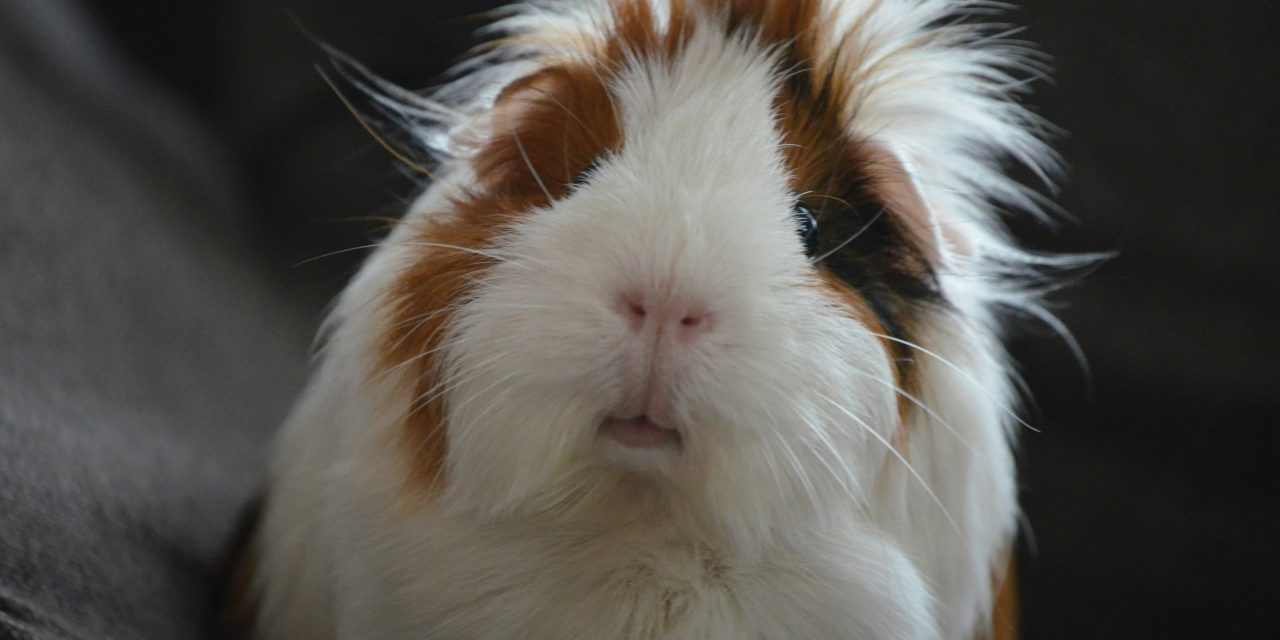
Conversely, long-haired breeds such as the Peruvian or Silkie require more specialized care. A wide-toothed comb is ideal for detangling long fur without causing breakage. Start by sectioning the hair into manageable parts and gently working through any knots or tangles. It is crucial to be patient during this process, as pulling too hard can lead to stress or injury. Regular brushing not only keeps their coat looking pristine but also prevents matting and promotes healthy skin.
How Often Should You Groom Your Guinea Pig?
The frequency of grooming sessions largely depends on the specific breed and individual needs of your guinea pig. Short-haired breeds typically require grooming once a week, while long-haired varieties may need attention every few days to prevent tangles and mats from forming. Additionally, factors such as shedding cycles and environmental conditions can influence how often you should groom your pet.
During shedding seasons, which often occur in spring and fall, you may find that your guinea pig requires more frequent grooming sessions to manage excess fur. Regularly monitoring your pet’s coat condition will help you determine the appropriate grooming schedule tailored to their needs. Establishing a consistent routine not only keeps your guinea pig looking their best but also reinforces positive behaviors associated with grooming.
Identifying and Preventing Matted Fur
Matted fur can pose significant challenges for guinea pig owners, leading to discomfort and potential skin issues if left untreated. Identifying mats early is crucial; they often form in areas where fur is prone to tangling, such as behind the ears or under the legs. Regularly inspecting your guinea pig’s coat will help you catch any developing mats before they become problematic.
Preventing matted fur involves consistent grooming practices tailored to your guinea pig’s specific fur type. For long-haired breeds, daily brushing is recommended to keep their coat free from tangles. Additionally, maintaining a clean living environment can reduce the likelihood of mats forming due to debris or bedding materials getting caught in their fur. If you notice any mats forming despite regular grooming, it is essential to address them promptly to avoid further complications.
Safely Removing Mats Without Hurting Your Pet
When faced with matted fur, it is vital to approach removal with caution to avoid causing pain or distress to your guinea pig. Begin by gently separating the mat from the surrounding fur using your fingers or a wide-toothed comb. Avoid pulling on the mat directly; instead, work from the edges inward to gradually loosen it.
If the mat proves stubborn, consider using a detangling spray specifically formulated for small animals. These products can help soften the mat and make it easier to remove without causing discomfort. In cases where mats are particularly severe or close to the skin, it may be necessary to consult a veterinarian or professional groomer for assistance. Prioritizing your guinea pig’s comfort during this process is essential for maintaining trust and ensuring a positive grooming experience.
Bathing Your Guinea Pig: When and How to Do It
Bathing should be approached with caution and only performed when absolutely necessary. Guinea pigs are generally good at self-grooming; however, situations such as excessive dirt buildup or skin conditions may warrant a bath. Before proceeding, consult with a veterinarian to determine if bathing is appropriate for your pet’s specific situation.
When bathing your guinea pig, use lukewarm water and a gentle shampoo formulated for small animals. Avoid using human shampoos, as they may contain harsh chemicals that can irritate their sensitive skin. Gently wet your guinea pig’s fur while avoiding their eyes and ears, then apply a small amount of shampoo and lather carefully. Rinse thoroughly to ensure no residue remains, as leftover shampoo can lead to skin irritation.
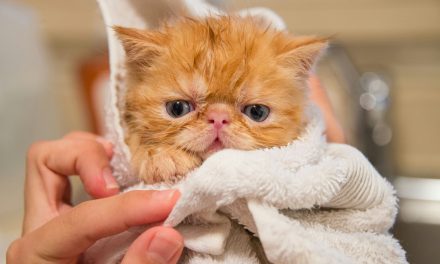
After bathing, wrap your guinea pig in a soft towel to absorb excess water and keep them warm. It is crucial not to use a hairdryer on them due to the risk of overheating or causing stress. Allow them time to dry naturally in a warm environment while providing comfort through gentle handling.
Trimming Nails and Checking for Skin Issues
Regular nail trimming is an integral part of guinea pig grooming that should not be overlooked. Overgrown nails can lead to discomfort and mobility issues for your pet. Ideally, nails should be trimmed every 4-6 weeks; however, this may vary depending on individual growth rates and activity levels.
When trimming nails, use specialized small animal nail clippers designed for precision and safety. Identify the quick—the pink area within the nail that contains blood vessels—and avoid cutting into it as this can cause pain and bleeding. If you are unsure about where to cut, consult with a veterinarian or experienced groomer for guidance.
During nail trimming sessions, take the opportunity to inspect your guinea pig’s skin for any abnormalities such as redness, bumps, or lesions. Early detection of skin issues can lead to prompt treatment and prevent further complications.
Creating a Regular Grooming Routine
Establishing a consistent grooming routine is essential for maintaining your guinea pig’s health and well-being over time. A well-structured schedule not only ensures that all aspects of grooming are addressed but also helps build trust between you and your pet. Consider setting aside specific days each week dedicated solely to grooming activities.
Incorporate various tasks into each session—brushing, nail trimming, and skin checks—to create a comprehensive routine that covers all necessary aspects of care. Keeping track of these sessions in a journal can help you monitor progress and identify any changes in your guinea pig’s coat or overall health.
Additionally, involve family members in the grooming process if possible; this can help distribute responsibilities while also allowing everyone to bond with the pet. A regular routine fosters familiarity with grooming practices and reduces anxiety associated with handling.
Tips for Keeping Your Guinea Pig Comfortable During Grooming
Ensuring your guinea pig feels comfortable during grooming sessions is paramount for creating a positive experience for both you and your pet. Begin by choosing an appropriate location that minimizes distractions and provides ample space for movement. A quiet room with soft lighting can help create a calming atmosphere.
During grooming sessions, speak softly and reassuringly to your guinea pig while gently handling them. Offering treats throughout the process can serve as positive reinforcement and encourage cooperative behavior. If your pet appears anxious or stressed at any point during grooming, take breaks as needed to allow them time to relax.
Additionally, consider using soft bedding or towels in your designated grooming area to provide comfort underfoot while preventing slipping during handling. By prioritizing comfort during grooming sessions, you can foster trust between you and your guinea pig while ensuring their overall well-being.
In summary, regular grooming is vital for maintaining the health and happiness of guinea pigs. By understanding their specific needs regarding fur types and establishing consistent routines that include brushing, nail trimming, and skin checks, owners can prevent potential health issues while fostering strong bonds with their pets. With proper preparation and attention to detail during each session, both owner and pet can enjoy an enriching grooming experience together.
### FAQ Section
1. **How often should I groom my short-haired guinea pig?**
– Short-haired breeds typically require grooming once a week.
2. **What tools do I need for grooming my guinea pig?**
– Essential tools include brushes suitable for their fur type, combs for detangling, nail clippers designed for small animals, scissors for trimming fur if necessary, and soft cloths for cleaning sensitive areas.
3. **Can I use human shampoo on my guinea pig?**
– No, human shampoos may contain harsh chemicals that can irritate their sensitive skin; always use products specifically formulated for small animals.
4. **What should I do if my guinea pig has matted fur?**
– Gently separate mats using fingers or a wide-toothed comb; consider using detangling spray if necessary or consult a veterinarian if mats are severe.
5. **How do I know if my guinea pig needs a bath?**
– Bathing should only be done when there is excessive dirt buildup or skin conditions; consult with a veterinarian before proceeding.
6. **What signs indicate my guinea pig may have skin issues?**
– Look for redness, bumps, lesions, excessive scratching or biting at certain areas; early detection is key for effective treatment.
7. **How do I trim my guinea pig’s nails safely?**
– Use specialized small animal nail clippers; avoid cutting into the quick (the pink area within the nail) as this can cause pain.
8. **What should I do if my guinea pig becomes stressed during grooming?**
– Take breaks as needed; speak softly and reassuringly while offering treats; ensure they are comfortable in their environment.
9. **Is it necessary to groom my guinea pig if they have short hair?**
– Yes! Regular grooming helps maintain cleanliness and allows you to check for any health issues that may arise.
10. **Can I involve my children in the grooming process?**
– Absolutely! Involving family members can help distribute responsibilities while fostering bonds between them and the pet.
By adhering to these guidelines on grooming practices tailored specifically for guinea pigs, owners can ensure their pets remain healthy while enjoying an enriching relationship built on trust and care.
FAQs
What tools do I need to groom my guinea pig?
To groom your guinea pig effectively, you will need a few essential tools: a soft-bristle brush for daily brushing, a comb for detangling, nail clippers for trimming nails, and a pair of scissors for any necessary fur trimming. Additionally, a grooming glove can help remove loose fur and dirt.
How often should I groom my guinea pig?
It is recommended to groom your guinea pig at least once a week. However, long-haired breeds may require more frequent grooming, ideally every 2-3 days, to prevent matting and tangles. Regular grooming also helps to keep their coat healthy and clean.
What are the signs of matted fur in guinea pigs?
Signs of matted fur in guinea pigs include clumps of fur that are tangled together, areas of fur that feel stiff or hard, and difficulty in brushing through certain sections of their coat. Mats can also trap dirt and moisture, leading to skin irritation or infections.
How can I prevent my guinea pig’s fur from matting?
To prevent matting, regularly brush your guinea pig’s fur, especially in areas prone to tangles, such as behind the ears and under the legs. Keeping their living environment clean and free of debris can also help. Additionally, maintaining a healthy diet contributes to a well-groomed coat.
What should I do if my guinea pig has severe matting?
If your guinea pig has severe matting, it is best to consult a veterinarian or a professional groomer. They can safely remove the mats without causing harm to your pet. Attempting to cut out severe mats yourself can lead to injury or stress for your guinea pig.