Grooming is an essential aspect of canine care, contributing significantly to a dog’s overall health and hygiene. However, improper grooming practices can lead to skin infections, which may cause discomfort and distress for the animal. These infections can arise from various factors, including inadequate cleaning techniques, the use of contaminated tools, or underlying health issues that predispose dogs to dermatological problems. Understanding the mechanisms behind grooming-related skin infections is crucial for pet owners to ensure their furry companions remain healthy and happy.
Skin infections in dogs can manifest in several forms, including bacterial, fungal, and parasitic infections. Bacterial infections, such as pyoderma, often occur when the skin’s protective barrier is compromised. Fungal infections, like ringworm, can be contracted through contact with contaminated surfaces or other infected animals. Parasitic infestations, such as those caused by fleas or mites, can also lead to secondary skin infections due to excessive scratching and biting. Recognizing the signs and symptoms of these infections is vital for prompt intervention and treatment.
Common Causes of Skin Infections After Grooming
Several factors contribute to the development of skin infections following grooming sessions. One of the primary causes is the use of unsterilized grooming tools. Brushes, clippers, and scissors that have not been properly cleaned can harbor bacteria and fungi, which may be transferred to the dog’s skin during grooming. Additionally, if the grooming environment is not adequately sanitized, it can serve as a breeding ground for pathogens.
Another significant factor is the presence of underlying skin conditions such as allergies or dermatitis. Dogs with sensitive skin may react adversely to grooming products like shampoos or conditioners that contain harsh chemicals or allergens. Furthermore, improper drying techniques after bathing can leave moisture trapped in the fur, creating an ideal environment for fungal growth. Pet owners must be vigilant about these potential causes to minimize the risk of skin infections.
Redness and Inflammation: Early Warning Signs

One of the earliest indicators of a potential skin infection in dogs is the presence of redness and inflammation in the affected areas. This erythema often signifies an immune response to an irritant or pathogen. When a dog experiences irritation from grooming, it may lead to localized inflammation as the body attempts to combat perceived threats. Observing these changes in your dog’s skin can provide critical insight into their health status.
In addition to redness, inflammation may be accompanied by swelling and warmth in the affected areas. Pet owners should monitor their dogs closely for these signs, especially after grooming sessions. If redness persists or worsens over time, it may indicate a developing infection that requires veterinary attention. Early intervention can prevent further complications and promote a quicker recovery.
Persistent Itching and Scratching Behavior

Persistent itching and scratching behavior are common responses to skin irritation and can be indicative of an underlying infection. Dogs may scratch excessively due to discomfort caused by grooming-related irritants or pathogens. This behavior not only exacerbates existing skin issues but can also lead to secondary infections as bacteria enter through broken skin.
Pet owners should observe their dogs for signs of excessive scratching or licking at specific areas. If this behavior continues for more than a few days or is accompanied by other symptoms such as redness or swelling, it is essential to consult a veterinarian. Identifying the root cause of the itching is crucial for effective treatment and prevention of further complications.
Development of Sores and Scabs on the Skin
As a result of persistent scratching or biting, dogs may develop sores and scabs on their skin. These lesions can vary in severity and may become infected if left untreated. The presence of sores indicates that the skin barrier has been compromised, allowing pathogens to enter and potentially cause more significant health issues.
Sores can also be painful for dogs, leading to increased discomfort and behavioral changes. Pet owners should regularly inspect their dog’s skin for any signs of lesions or scabs, particularly in areas that were recently groomed. If sores are observed, it is crucial to seek veterinary care promptly to prevent further infection and initiate appropriate treatment.
Unusual Odor Coming from the Dog’s Coat
An unusual odor emanating from a dog’s coat can be a telltale sign of a skin infection or other dermatological issue. Foul smells often indicate the presence of bacteria or yeast overgrowth on the skin’s surface. This odor may become more pronounced after grooming if moisture is trapped in the fur or if grooming products are not adequately rinsed out.
Pet owners should pay attention to any changes in their dog’s scent following grooming sessions. If an unpleasant odor persists despite regular bathing and grooming practices, it may signal an underlying infection that requires veterinary evaluation. Addressing this issue promptly can help restore your dog’s comfort and overall health.
Hair Loss or Patchy Fur Around Groomed Areas
Hair loss or patchy fur around areas that have been groomed can indicate an adverse reaction to grooming practices or products used during the process. This condition may arise from irritation caused by clippers, brushes, or shampoos that are not suitable for your dog’s skin type. Additionally, excessive scratching or biting at irritated areas can lead to localized hair loss.
Monitoring your dog’s coat for any signs of thinning fur or bald patches is essential for early detection of potential issues. If hair loss occurs alongside other symptoms such as redness or itching, it is advisable to consult a veterinarian for further evaluation and treatment options.
Formation of Pustules or Blisters on the Skin
The formation of pustules or blisters on a dog’s skin is a more severe manifestation of infection that requires immediate attention. These lesions often indicate a bacterial infection known as pyoderma, which can develop when bacteria penetrate damaged skin due to scratching or grooming trauma. Pustules may be filled with pus and can be painful for the dog.
If pustules or blisters are observed, it is crucial to avoid squeezing them, as this can exacerbate the infection and lead to further complications. Veterinary intervention is necessary to diagnose the underlying cause and initiate appropriate treatment, which may include antibiotics or topical medications.
Excessive Licking or Biting at Specific Spots
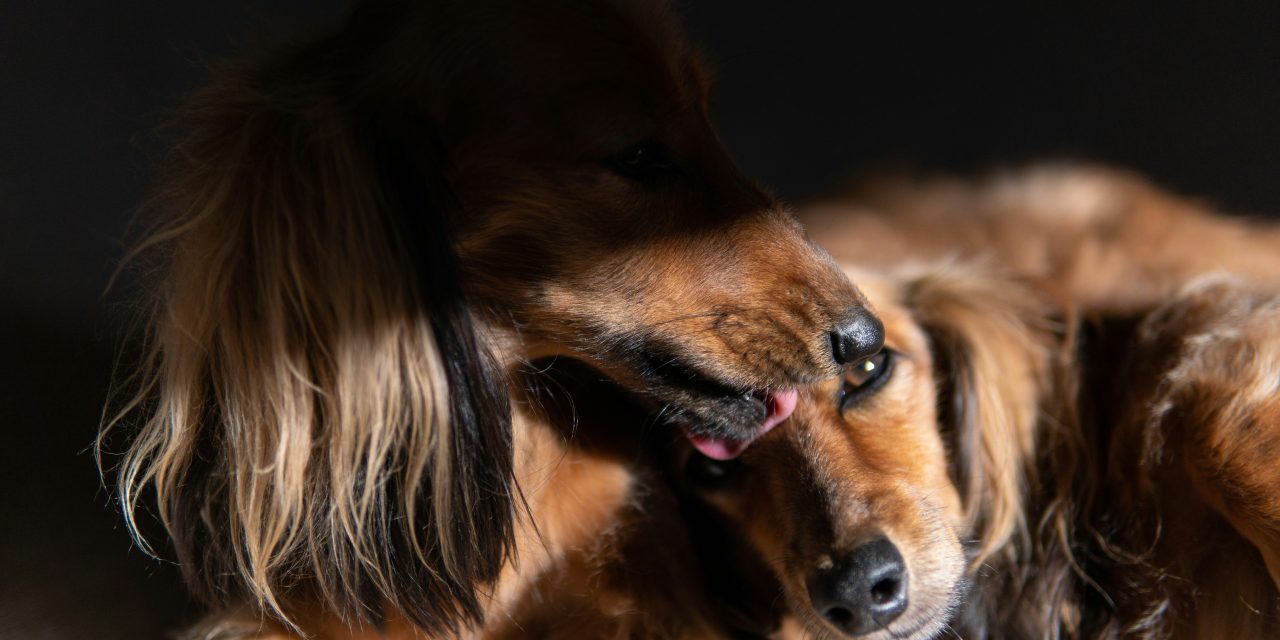
Excessive licking or biting at specific spots on a dog’s body often indicates localized irritation or discomfort. This behavior can be triggered by grooming-related issues such as allergies, infections, or irritants present on the skin’s surface. Dogs may instinctively lick or bite at affected areas in an attempt to alleviate discomfort.
Pet owners should monitor their dogs for signs of excessive licking or biting behavior, particularly after grooming sessions. If this behavior persists or is accompanied by other symptoms such as redness or sores, it is essential to seek veterinary care for proper diagnosis and treatment.
Changes in Your Dog’s Behavior or Mood
Changes in a dog’s behavior or mood can be subtle yet significant indicators of underlying health issues, including skin infections related to grooming practices. Dogs experiencing discomfort due to itching, pain, or irritation may become more withdrawn, irritable, or less active than usual. Behavioral changes can also manifest as increased vocalization or reluctance to engage in activities they typically enjoy.
Pet owners should remain vigilant for any shifts in their dog’s demeanor following grooming sessions. If behavioral changes persist alongside physical symptoms such as redness or sores, it is crucial to consult a veterinarian for further evaluation and intervention.
When to Seek Veterinary Care for Skin Infections
Recognizing when to seek veterinary care for potential skin infections is vital for ensuring your dog’s health and well-being. If you observe any combination of symptoms such as persistent redness, excessive itching, sores, unusual odors, hair loss, pustules, or behavioral changes following grooming sessions, it is essential to consult a veterinarian promptly.
Veterinary evaluation typically involves a thorough examination of the affected areas and may include diagnostic tests such as skin scrapings or cultures to identify specific pathogens involved in the infection. Treatment options may include topical medications, oral antibiotics, antifungal agents, or corticosteroids depending on the severity and underlying cause of the infection.
In conclusion, grooming-related skin infections in dogs can arise from various factors including improper techniques and underlying health conditions. Pet owners must remain vigilant for early warning signs such as redness, itching, sores, unusual odors, hair loss, and behavioral changes following grooming sessions. Prompt veterinary intervention is crucial for effective diagnosis and treatment of these infections to ensure your dog’s comfort and overall health.
By understanding these potential issues and implementing preventive measures such as using clean tools and appropriate products tailored to your dog’s needs, you can significantly reduce the risk of grooming-related skin infections and promote a healthier coat for your beloved pet.
FAQs
What are common signs of a grooming-related skin infection in dogs?
Common signs of a grooming-related skin infection in dogs include redness or inflammation of the skin, excessive scratching or licking, the presence of sores or scabs, foul odor from the skin, and hair loss in affected areas. If you notice any of these symptoms, it is important to consult a veterinarian.
How can grooming lead to skin infections in dogs?
Grooming can lead to skin infections in dogs if proper hygiene practices are not followed. This can include using dirty grooming tools, not cleaning the dog’s skin properly, or causing minor cuts and abrasions during the grooming process that can become infected. Additionally, if a dog has underlying skin conditions, grooming may exacerbate these issues.
What should I do if I suspect my dog has a skin infection?
If you suspect your dog has a skin infection, it is crucial to take them to a veterinarian for a proper diagnosis and treatment. The vet may perform a physical examination, skin scrapings, or cultures to determine the cause of the infection and prescribe appropriate medications or treatments.
Are certain breeds more prone to grooming-related skin infections?
Yes, certain breeds are more prone to grooming-related skin infections, particularly those with long hair or skin folds, such as Bulldogs, Poodles, and Shih Tzus. These breeds may retain moisture and debris in their fur or skin folds, creating an environment conducive to infections.
Can I prevent grooming-related skin infections in my dog?
Yes, you can prevent grooming-related skin infections by maintaining proper grooming hygiene. This includes regularly cleaning grooming tools, ensuring your dog is thoroughly dried after baths, using appropriate shampoos, and monitoring your dog’s skin for any signs of irritation or infection. Regular veterinary check-ups can also help catch any potential issues early.