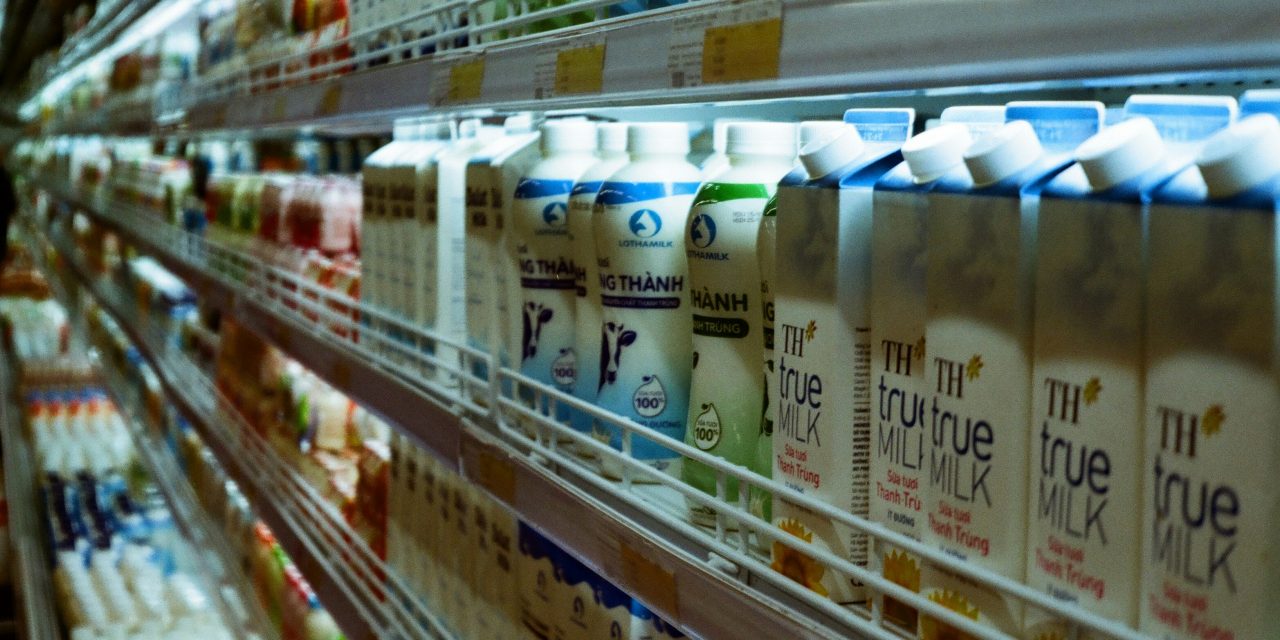
Milk is a staple in many households, serving as a primary source of nutrition for individuals of all ages. Understanding the shelf life of milk is crucial for ensuring food safety and minimizing waste. The shelf life of milk refers to the duration during which it remains safe to consume while maintaining its quality and flavor. This period can vary significantly based on several factors, including the type of milk, processing methods, and storage conditions.
The shelf life of milk is typically indicated by a “sell by” or “use by” date printed on the packaging. However, these dates are not absolute indicators of safety; rather, they serve as guidelines for optimal freshness. Pasteurized milk, for instance, undergoes a heating process that eliminates harmful bacteria, extending its shelf life compared to raw milk. Understanding these nuances is essential for consumers to make informed decisions about milk consumption and storage.
Factors Affecting Milk Freshness After Opening
Once milk is opened, its freshness can be influenced by various factors that affect its quality and safety. One of the primary determinants is exposure to air, which can introduce bacteria and lead to spoilage. The introduction of contaminants during pouring or handling can also compromise the integrity of the milk. Therefore, maintaining cleanliness during usage is paramount.
Another critical factor is temperature control. Milk should be stored at a consistent refrigeration temperature of 40°F (4°C) or lower. Fluctuations in temperature can accelerate spoilage by promoting bacterial growth. Additionally, the duration of time that milk remains open plays a significant role; the longer it is exposed to air and warmer temperatures, the quicker it will deteriorate. Understanding these factors can help consumers take proactive measures to extend the freshness of their milk.
How Long Does Pasteurized Milk Last Once Opened?

Pasteurized milk typically has a shelf life of about 5 to 7 days after being opened, provided it is stored correctly in the refrigerator. This timeframe can vary based on several factors, including the initial quality of the milk at the time of purchase and how well it has been handled post-opening. It is essential to keep the milk tightly sealed and stored in the coldest part of the refrigerator, away from the door where temperature fluctuations are more likely.
To maximize freshness, consumers should also pay attention to sensory cues. If the milk develops an off odor or unusual texture, it is advisable to discard it, even if it falls within the suggested timeframe. Regularly checking the expiration date and adhering to proper storage practices can help ensure that pasteurized milk remains safe and palatable for as long as possible.
Shelf Life of Ultra-Pasteurized Milk After Opening

Ultra-pasteurized milk undergoes a more rigorous heating process than regular pasteurized milk, which significantly extends its shelf life. Once opened, ultra-pasteurized milk can last approximately 7 to 10 days when stored correctly in the refrigerator. This extended longevity makes it a popular choice for consumers seeking convenience without sacrificing quality.
Despite its longer shelf life, ultra-pasteurized milk should still be treated with care. It is essential to keep it tightly sealed and stored at a consistent temperature to prevent spoilage. As with other types of milk, sensory evaluation remains crucial; any signs of sourness or changes in texture should prompt immediate disposal.
The Longevity of Raw Milk After Opening
Raw milk, which has not undergone pasteurization, presents unique challenges regarding shelf life and safety. Once opened, raw milk typically lasts only 3 to 5 days in the refrigerator due to its susceptibility to bacterial contamination. The absence of pasteurization means that harmful pathogens may still be present, making proper handling and storage even more critical.
Consumers who choose to consume raw milk should be aware of the risks involved and take extra precautions to ensure safety. This includes sourcing raw milk from reputable farms that adhere to strict hygiene standards and consuming it promptly after opening. Regularly checking for signs of spoilage is essential for maintaining health and safety when dealing with raw dairy products.
Signs That Milk Has Gone Bad
Identifying spoiled milk is crucial for preventing foodborne illnesses and ensuring consumer safety. Several indicators can signal that milk has gone bad. One of the most apparent signs is an off odor; fresh milk typically has a mild, pleasant scent, while spoiled milk emits a sour or rancid smell due to bacterial activity.
Texture changes are another telltale sign of spoilage. Fresh milk should have a smooth consistency; however, if it appears lumpy or curdled, it is no longer safe for consumption. Additionally, changes in color—such as a yellowish tint—can indicate spoilage. Consumers should always err on the side of caution and discard any milk that exhibits these signs.
Proper Storage Tips to Extend Milk Freshness
To maximize the shelf life of milk after opening, proper storage techniques are essential. First and foremost, always store milk in the refrigerator at temperatures below 40°F (4°C). Keeping it in the coldest part of the fridge—typically at the back—can help maintain optimal freshness.
Additionally, ensure that the container is tightly sealed after each use to minimize exposure to air and contaminants. Avoid leaving milk out at room temperature for extended periods, as this can accelerate spoilage. Regularly check expiration dates and consume older containers first to reduce waste and ensure freshness.
Impact of Temperature on Milk’s Shelf Life
Temperature plays a pivotal role in determining how long milk remains fresh after opening. The ideal storage temperature for milk is consistently below 40°F (4°C). When exposed to higher temperatures, such as during transportation or prolonged periods outside refrigeration, bacterial growth can accelerate rapidly.
Even brief exposure to temperatures above 40°F (4°C) can compromise milk quality and safety. For instance, leaving milk out on the counter for just two hours can significantly reduce its shelf life. Therefore, maintaining a stable refrigeration environment is crucial for preserving the integrity of dairy products.
Differences Between Whole, Skim, and Flavored Milk
The type of milk consumed can also influence its shelf life after opening. Whole milk contains higher fat content than skim milk, which may affect its stability and flavor profile over time. Generally, whole milk tends to have a slightly shorter shelf life due to its fat content being more susceptible to rancidity.
Flavored milks—such as chocolate or strawberry—often contain added sugars and preservatives that can impact their freshness as well. While flavored milks may have similar shelf lives to regular pasteurized varieties, consumers should be mindful of any additional ingredients that could alter their stability.
Can You Freeze Milk to Prolong Its Life?
Freezing is an effective method for extending the shelf life of milk beyond its typical refrigeration limits. When properly frozen, milk can last up to three months without significant loss of quality. However, it is essential to note that freezing may alter the texture of the milk once thawed; separation may occur due to fat content.
To freeze milk effectively, pour it into an airtight container, leaving some space at the top for expansion during freezing. When ready to use, thaw frozen milk in the refrigerator rather than at room temperature to minimize bacterial growth. Once thawed, consume within a few days for optimal freshness.
Safe Practices for Using Leftover Milk
Utilizing leftover milk safely requires adherence to best practices that prioritize food safety and quality. First and foremost, always check for signs of spoilage before using any leftover milk; if there are any doubts about its freshness, it is best to err on the side of caution and discard it.
Incorporating leftover milk into recipes can be an excellent way to minimize waste while ensuring safe consumption. Consider using it in smoothies, baking recipes, or cooking sauces where heat will eliminate any potential bacteria present in slightly spoiled milk. However, avoid using leftover milk in uncooked dishes unless you are confident in its freshness.
In summary, understanding the intricacies surrounding milk shelf life is vital for ensuring food safety and minimizing waste in households. Factors such as processing methods, storage conditions, and temperature play significant roles in determining how long different types of milk remain fresh after opening. By adhering to proper storage practices and being vigilant about signs of spoilage, consumers can enjoy their dairy products safely while maximizing their longevity.
FAQs
How long does milk last after opening?
Once opened, milk typically lasts about 5 to 7 days when stored properly in the refrigerator at or below 40°F (4°C). However, this can vary based on the type of milk and how it is handled.
What factors affect the shelf life of opened milk?
Several factors can affect the shelf life of opened milk, including the temperature at which it is stored, exposure to light, and how often the container is opened. Keeping milk consistently cold and minimizing exposure to air can help extend its freshness.
Can I tell if milk has gone bad?
Yes, you can usually tell if milk has gone bad by checking for changes in smell, taste, and texture. Spoiled milk often has a sour odor, off taste, and may appear lumpy or have a change in color.
Does the type of milk affect how long it lasts after opening?
Yes, different types of milk have varying shelf lives after opening. For example, whole milk may spoil faster than skim milk due to its higher fat content, while ultra-pasteurized milk can last longer than regular pasteurized milk.
Is it safe to consume milk after the expiration date?
The expiration date on milk is a guideline for quality rather than safety. If the milk has been stored properly and shows no signs of spoilage, it may still be safe to consume for a few days after the expiration date, but always use your senses to check for freshness.