Shredded cheese is a staple ingredient in many kitchens, prized for its convenience and versatility. However, understanding its shelf life is crucial for both food safety and culinary quality. The shelf life of shredded cheese can vary significantly based on several factors, including the type of cheese, how it is processed, and storage conditions. Generally, shredded cheese can last anywhere from a few weeks to several months when stored properly.
The shelf life is primarily determined by the moisture content and the presence of preservatives. Cheeses with higher moisture content tend to spoil faster than drier varieties. For instance, mozzarella cheese, often used in pizzas and pastas, has a shorter shelf life compared to aged cheddar. Additionally, shredded cheese that contains preservatives may last longer than those that do not. Understanding these nuances can help consumers make informed decisions about purchasing and storing shredded cheese.
Factors Affecting the Longevity of Shredded Cheese
Several factors influence how long shredded cheese remains fresh and safe for consumption. One of the most significant factors is the moisture content of the cheese itself. Cheeses with higher moisture levels are more susceptible to bacterial growth, which can lead to spoilage. For example, fresh mozzarella has a higher moisture content than aged gouda, making it more prone to spoilage.
Another critical factor is the storage environment. Temperature fluctuations can accelerate spoilage, so maintaining a consistent refrigerator temperature is essential. Additionally, exposure to air can lead to oxidation and drying out of the cheese, which diminishes its quality. The packaging also plays a vital role; vacuum-sealed or resealable bags can help extend shelf life by minimizing exposure to air and moisture.
Typical Expiration Dates for Shredded Cheese

Expiration dates for shredded cheese can vary widely depending on the type and brand. Generally, unopened packages of shredded cheese can last anywhere from 2 to 4 weeks past the printed expiration date when stored in the refrigerator. Once opened, the shelf life typically decreases to about 5 to 7 days.
For example, pre-shredded cheddar cheese may have a “best by” date of 2 months from the production date, while mozzarella might only last 3 weeks after opening. It is essential to note that these dates are guidelines rather than definitive indicators of safety. Always assess the cheese’s appearance and smell before consumption, as these factors can provide insight into its freshness.
How to Properly Store Shredded Cheese in the Fridge

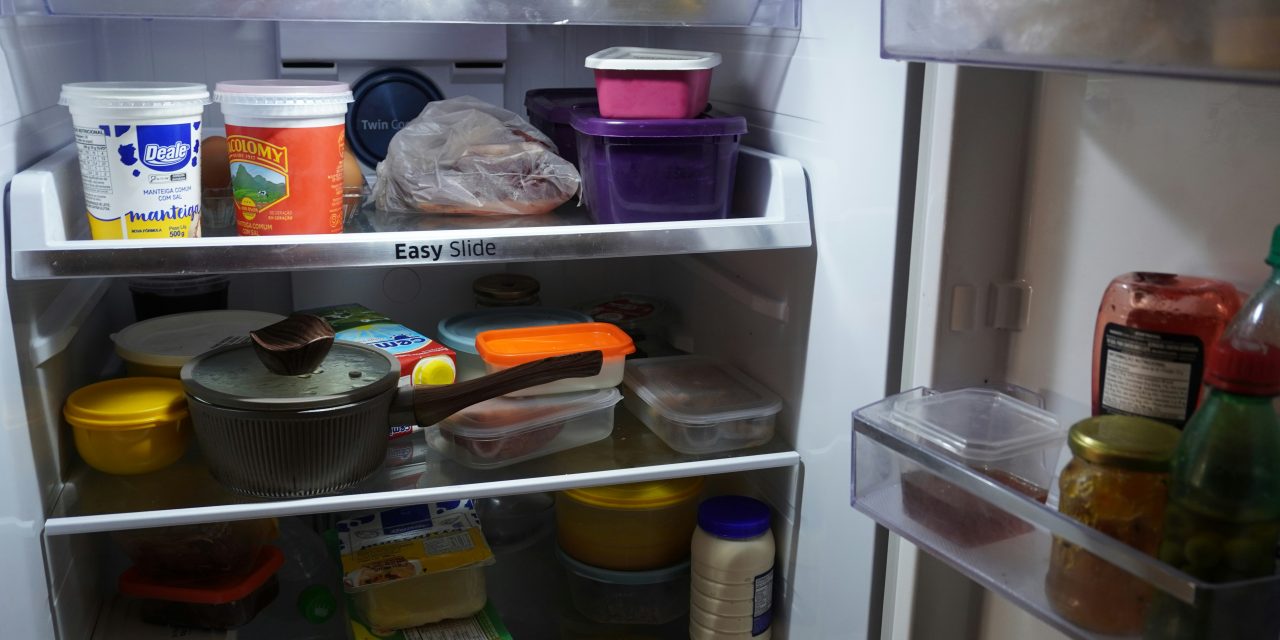
Proper storage techniques are vital for maximizing the shelf life of shredded cheese. First and foremost, it should be kept in the refrigerator at a temperature below 40°F (4°C). Ideally, shredded cheese should be stored in its original packaging until opened. After opening, transferring it to an airtight container or resealable plastic bag can help minimize exposure to air and moisture.
When storing shredded cheese, it is advisable to keep it away from foods with strong odors, as cheese can absorb these smells. Additionally, avoid placing it in the door of the refrigerator, where temperatures fluctuate more frequently. Instead, store it on a middle shelf where temperatures remain more stable.
Signs That Shredded Cheese Has Gone Bad
Identifying spoiled shredded cheese is crucial for food safety. Several signs indicate that shredded cheese has gone bad. The most apparent sign is mold growth; if you see any green or blue spots on the cheese, it should be discarded immediately. Even if only a small portion appears moldy, it is best to err on the side of caution and throw away the entire package.
Other indicators of spoilage include an off or sour smell and a change in texture. Fresh shredded cheese should have a pleasant aroma and a soft, pliable texture. If it feels excessively dry or crumbly or emits an unpleasant odor, it is likely no longer safe to consume. Always trust your senses; when in doubt, it’s better to discard questionable food items.
Differences in Shelf Life Between Types of Shredded Cheese
The shelf life of shredded cheese varies significantly among different types due to their unique compositions and moisture levels. For instance, hard cheeses like aged cheddar or parmesan can last much longer than softer varieties such as mozzarella or ricotta. Aged cheddar may remain fresh for up to six months when stored properly, while mozzarella typically lasts only about three weeks.
Processed cheeses often contain preservatives that extend their shelf life beyond that of natural cheeses. For example, pre-shredded cheeses often have added stabilizers that help maintain freshness for longer periods compared to freshly grated varieties. Understanding these differences can help consumers choose the right type of shredded cheese based on their intended use and storage capabilities.
The Impact of Packaging on Shredded Cheese Freshness
Packaging plays a crucial role in preserving the freshness of shredded cheese. Vacuum-sealed packages are designed to minimize air exposure, which helps prevent oxidation and spoilage. Resealable bags also provide convenience while maintaining freshness after opening.
On the other hand, loose packaging or containers that do not seal tightly can lead to rapid deterioration due to increased exposure to air and moisture. It is advisable to choose products with high-quality packaging that offers protection against environmental factors that contribute to spoilage.
Can You Freeze Shredded Cheese to Extend Its Life?
Freezing shredded cheese is an effective method for extending its shelf life significantly. When properly frozen, shredded cheese can last up to six months without losing much quality or flavor. To freeze shredded cheese effectively, place it in an airtight container or freezer bag, ensuring that as much air as possible is removed before sealing.
It is important to note that while freezing preserves the cheese’s safety and extends its longevity, it may alter its texture slightly upon thawing. Frozen shredded cheese may become crumbly or lose some moisture content; however, it remains suitable for cooking purposes such as in casseroles or sauces.
Tips for Using Leftover Shredded Cheese Safely
Using leftover shredded cheese safely involves proper handling and storage practices. First, always check for signs of spoilage before using any leftover cheese; if there are any doubts about its freshness, it’s best to discard it. When using leftover cheese in recipes, ensure that it is heated thoroughly to kill any potential bacteria.
If you have leftover shredded cheese that you cannot use within a week after opening, consider freezing it for later use. Portioning out smaller amounts before freezing can make it easier to thaw only what you need for future recipes.
How to Revive Slightly Stale Shredded Cheese
If you find yourself with slightly stale shredded cheese that has lost some of its original texture or flavor, there are ways to revive it for culinary use. One effective method is to incorporate it into cooked dishes where moisture can help restore some freshness; adding it to soups or sauces can rehydrate the cheese while enhancing flavor.
Another option is to mix stale shredded cheese with fresh herbs or spices before using it in recipes like quesadillas or baked pasta dishes. This not only improves flavor but also masks any slight textural changes that may have occurred during storage.
Frequently Asked Questions About Shredded Cheese Storage
1. **How long does unopened shredded cheese last?**
Unopened shredded cheese typically lasts 2-4 weeks past its expiration date when stored properly in the refrigerator.
2. **Can I eat shredded cheese after the expiration date?**
Yes, as long as there are no signs of spoilage such as mold or off smells.
3. **Is it safe to freeze shredded cheese?**
Yes, freezing shredded cheese is safe and can extend its shelf life up to six months.
4. **What should I do if I find mold on my shredded cheese?**
Discard the entire package if mold is present; mold can penetrate beyond visible areas.
5. **How can I tell if my shredded cheese has gone bad?**
Look for mold growth, off smells, or changes in texture such as excessive dryness or crumbliness.
6. **Can I store leftover shredded cheese in its original packaging?**
It’s best to transfer opened shredded cheese into an airtight container or resealable bag for optimal freshness.
7. **Does shredding my own cheese extend its shelf life?**
No, freshly grated cheese typically has a shorter shelf life than pre-packaged varieties due to lack of preservatives.
8. **What types of shredded cheese last the longest?**
Hard cheeses like aged cheddar and parmesan generally have longer shelf lives compared to softer cheeses like mozzarella.
In summary, understanding the shelf life of shredded cheese involves recognizing various factors such as moisture content, storage conditions, and packaging methods that influence freshness and safety. By following proper storage techniques and being aware of signs of spoilage, consumers can enjoy this versatile ingredient while minimizing waste and ensuring food safety in their kitchens.
FAQs
How long does shredded cheese last in the fridge?
Shredded cheese typically lasts about 5 to 7 days in the fridge after opening, provided it is stored properly in an airtight container or tightly sealed bag.
Can I freeze shredded cheese to extend its shelf life?
Yes, you can freeze shredded cheese to extend its shelf life. When properly stored in a freezer-safe bag or container, it can last for up to 6 months in the freezer.
How can I tell if shredded cheese has gone bad?
Signs that shredded cheese has gone bad include an off smell, discoloration, mold growth, or a slimy texture. If you notice any of these signs, it’s best to discard the cheese.
Does the type of shredded cheese affect its shelf life?
Yes, the type of shredded cheese can affect its shelf life. For example, hard cheeses like cheddar may last longer than softer cheeses like mozzarella. Generally, harder cheeses have a longer shelf life due to lower moisture content.
Is it safe to eat shredded cheese past its expiration date?
While shredded cheese may still be safe to eat a few days past its expiration date if it shows no signs of spoilage, it’s important to use your senses to assess its quality. Always check for any off smells or visible mold before consuming.