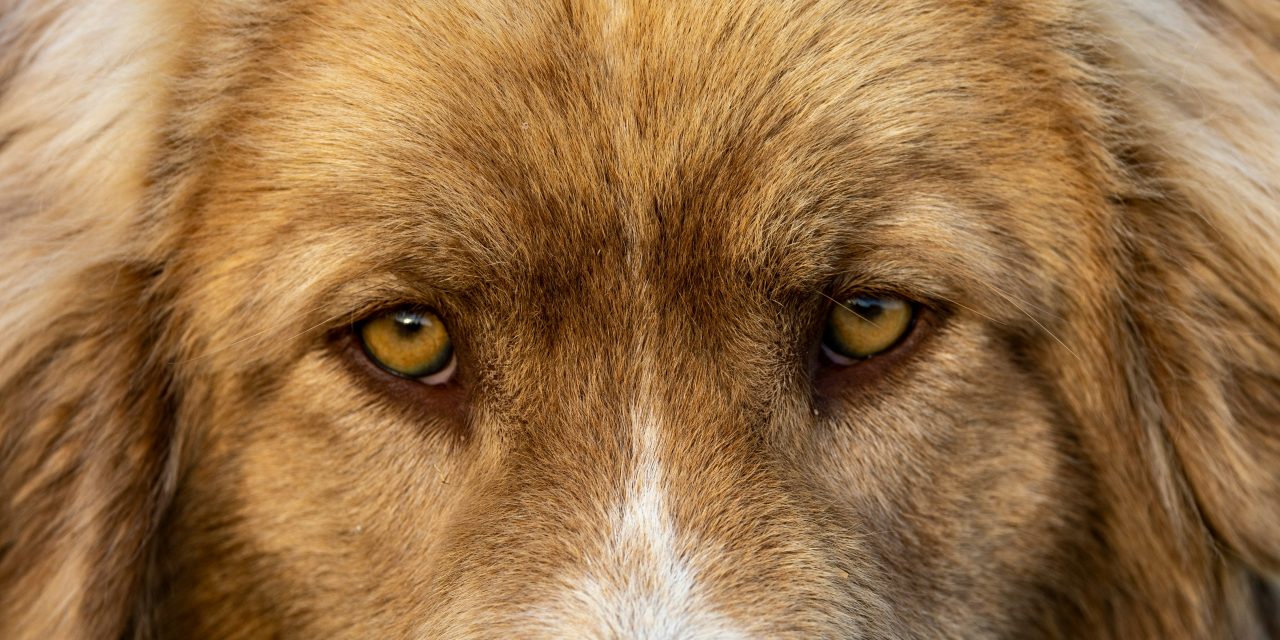
Eye discharge in dogs can be a common yet concerning issue for pet owners. The presence of discharge may indicate a variety of underlying conditions, ranging from benign to serious. The causes can be broadly categorized into physiological and pathological factors. Physiological causes include normal tear production, which can lead to minor discharge, especially in certain breeds predisposed to tear staining, such as the Maltese or Shih Tzu. Pathological causes, on the other hand, may involve infections, allergies, or foreign bodies irritating the eye.
Infectious agents such as bacteria, viruses, or fungi can lead to conjunctivitis, resulting in excessive discharge. Allergies to environmental factors like pollen, dust mites, or certain foods can also provoke an inflammatory response in the eyes, leading to watery or mucous discharge. Additionally, conditions such as glaucoma or corneal ulcers may present with significant discharge and require immediate veterinary attention. Understanding these causes is crucial for effective management and treatment.
When to Consult a Veterinarian
Recognizing when to seek veterinary care is essential for your dog’s health. If your dog exhibits persistent eye discharge that is accompanied by other symptoms such as redness, swelling, squinting, or excessive tearing, it is advisable to consult a veterinarian promptly. Additionally, if the discharge changes in color—becoming yellow or green—or if there is a foul odor emanating from the eye, these are indicators of potential infection that necessitate professional evaluation.
Other alarming signs include behavioral changes such as increased sensitivity to light, pawing at the eyes, or a noticeable decrease in vision. In cases where the discharge is accompanied by systemic symptoms like fever or lethargy, immediate veterinary intervention is critical. Early diagnosis and treatment can prevent complications and ensure your dog’s well-being.
Gathering the Right Supplies for Cleaning

Before embarking on the cleaning process, it is vital to gather all necessary supplies to ensure a smooth and effective procedure. Essential items include sterile gauze pads or cotton balls, which are ideal for gentle cleaning without causing irritation. A clean bowl of lukewarm water or a saline solution specifically formulated for canine use will serve as the cleaning medium.
Additionally, having a soft towel on hand can help manage any mess during the cleaning process. If your veterinarian has recommended a specific eye wash or medicated solution, ensure that it is readily available. It is also beneficial to have treats nearby to reward your dog for their cooperation during the cleaning session.
Preparing Your Dog for Eye Cleaning

Preparation is key to a successful eye cleaning session. Begin by creating a calm environment free from distractions. Choose a quiet space where your dog feels comfortable and secure. It may be helpful to have another person assist you by gently holding your dog still if they tend to fidget.
Before starting the cleaning process, take a moment to familiarize your dog with the supplies you will be using. Allow them to sniff the gauze pads and the cleaning solution to reduce anxiety. Speaking in a soothing tone can help reassure your pet and create a positive association with the cleaning routine. If your dog is particularly anxious, consider using calming aids such as pheromone sprays or anxiety wraps designed for pets.
Choosing the Appropriate Cleaning Solution
Selecting the right cleaning solution is crucial for maintaining your dog’s ocular health. While plain lukewarm water can be effective for routine cleaning, specialized canine eye washes are often recommended for more thorough cleansing. These solutions are formulated to be gentle on the eyes while effectively removing debris and discharge.
If your veterinarian has prescribed a medicated eye wash or ointment, it is essential to follow their instructions meticulously. Avoid using human eye drops or solutions unless specifically directed by a veterinarian, as they may contain ingredients harmful to dogs. Always check expiration dates on products and ensure that they are stored correctly to maintain their efficacy.
Step-by-Step Guide to Removing Eye Discharge
To effectively remove eye discharge from your dog’s eyes, follow these systematic steps:
1. **Wash Your Hands**: Begin by thoroughly washing your hands to prevent introducing any bacteria into your dog’s eyes.
2. **Soak the Gauze**: Dip a sterile gauze pad or cotton ball into the chosen cleaning solution until it is adequately moist but not dripping.
3. **Approach Calmly**: Gently approach your dog and speak softly to keep them relaxed.
4. **Wipe Away Discharge**: Starting from the corner of the eye closest to the nose, gently wipe away any discharge in a single motion towards the outer corner of the eye. Use a fresh gauze pad for each wipe if there is significant buildup.
5. **Repeat if Necessary**: If there is still visible discharge after the first wipe, repeat the process with a new gauze pad until the area appears clean.
6. **Dispose Properly**: Safely dispose of used materials and wash your hands again after completing the cleaning process.
Techniques to Keep Your Dog Calm and Comfortable
Keeping your dog calm during eye cleaning is essential for both their comfort and safety. One effective technique is to use positive reinforcement; reward your dog with treats or praise after each successful cleaning session. This approach helps create a positive association with the process.
Additionally, consider using calming techniques such as gentle petting or massaging your dog’s body while you clean their eyes. Playing soft music in the background can also create a soothing atmosphere. If your dog becomes overly anxious or agitated, take breaks as needed and resume when they appear more relaxed.
Avoiding Common Mistakes During Cleaning
While cleaning your dog’s eyes may seem straightforward, several common mistakes can hinder effectiveness or cause discomfort. One frequent error is using excessive force when wiping away discharge; always be gentle to avoid causing irritation or injury to sensitive ocular tissues.
Another mistake is failing to use separate gauze pads for each wipe; this can lead to reintroducing bacteria back into the eye area. Additionally, avoid using homemade solutions that may not be safe for canine use; always opt for veterinarian-approved products. Lastly, neglecting regular cleaning can lead to chronic issues; establish a routine based on your dog’s specific needs.
How Often Should You Clean Your Dog’s Eyes?
The frequency of eye cleaning largely depends on individual factors such as breed predisposition and underlying health conditions. For dogs prone to excessive tearing or discharge—such as those with brachycephalic features—daily cleaning may be necessary to prevent staining and irritation.
For other breeds with minimal discharge, weekly cleaning may suffice. However, if you notice an increase in discharge or any concerning symptoms, consult your veterinarian for tailored advice on how often you should clean your dog’s eyes based on their specific situation.
Monitoring for Signs of Infection or Complications
After cleaning your dog’s eyes, it is crucial to monitor them for any signs of infection or complications that may arise. Symptoms such as persistent redness, swelling of the eyelids, increased sensitivity to light, or changes in behavior warrant immediate veterinary attention.
Additionally, if you observe any changes in the color or consistency of the discharge—such as yellow or green pus—this could indicate an infection requiring prompt treatment. Regular monitoring allows for early detection of potential issues and ensures timely intervention when necessary.
Preventative Measures to Reduce Future Eye Discharge
Preventing excessive eye discharge involves several proactive measures aimed at maintaining ocular health. Regular grooming can help minimize irritants such as dust and debris that may contribute to eye problems. For breeds with long hair around their eyes, trimming this hair can reduce irritation and improve airflow.
Maintaining a clean living environment free from allergens is also essential; regular vacuuming and dusting can help minimize exposure to potential irritants. Additionally, consider discussing dietary options with your veterinarian that may support overall eye health and reduce allergic reactions.
In conclusion, understanding how to manage eye discharge in dogs involves recognizing underlying causes, knowing when to seek veterinary care, and implementing effective cleaning techniques while ensuring comfort throughout the process. By being proactive in monitoring your dog’s ocular health and employing preventative measures, you can significantly reduce future occurrences of eye discharge and enhance their overall well-being.
FAQs
What causes eye discharge in dogs?
Eye discharge in dogs can be caused by various factors, including allergies, infections, foreign objects in the eye, or underlying health issues such as conjunctivitis or tear duct problems. It’s important to monitor the discharge’s color and consistency, as this can help determine the underlying cause.
How can I safely remove eye discharge from my dog’s face?
To safely remove eye discharge, use a clean, damp cloth or cotton ball soaked in warm water. Gently wipe away the discharge from the corner of the eye, moving outward. Avoid using harsh chemicals or soaps, as these can irritate your dog’s eyes.
When should I consult a veterinarian about my dog’s eye discharge?
If your dog’s eye discharge is persistent, changes in color (such as yellow or green), accompanied by redness, swelling, or if your dog is showing signs of discomfort, it’s important to consult a veterinarian. These symptoms may indicate an infection or other serious condition that requires professional treatment.
Can I use human eye drops on my dog?
No, you should not use human eye drops on your dog without consulting a veterinarian. Many human eye drops contain ingredients that can be harmful to dogs. Always seek veterinary advice for appropriate eye care products specifically formulated for pets.
How can I prevent eye discharge in my dog?
To help prevent eye discharge, keep your dog’s face clean and free of debris, regularly check for signs of allergies or irritants, and ensure their eyes are protected from foreign objects. Regular veterinary check-ups can also help identify and address any underlying health issues early on.