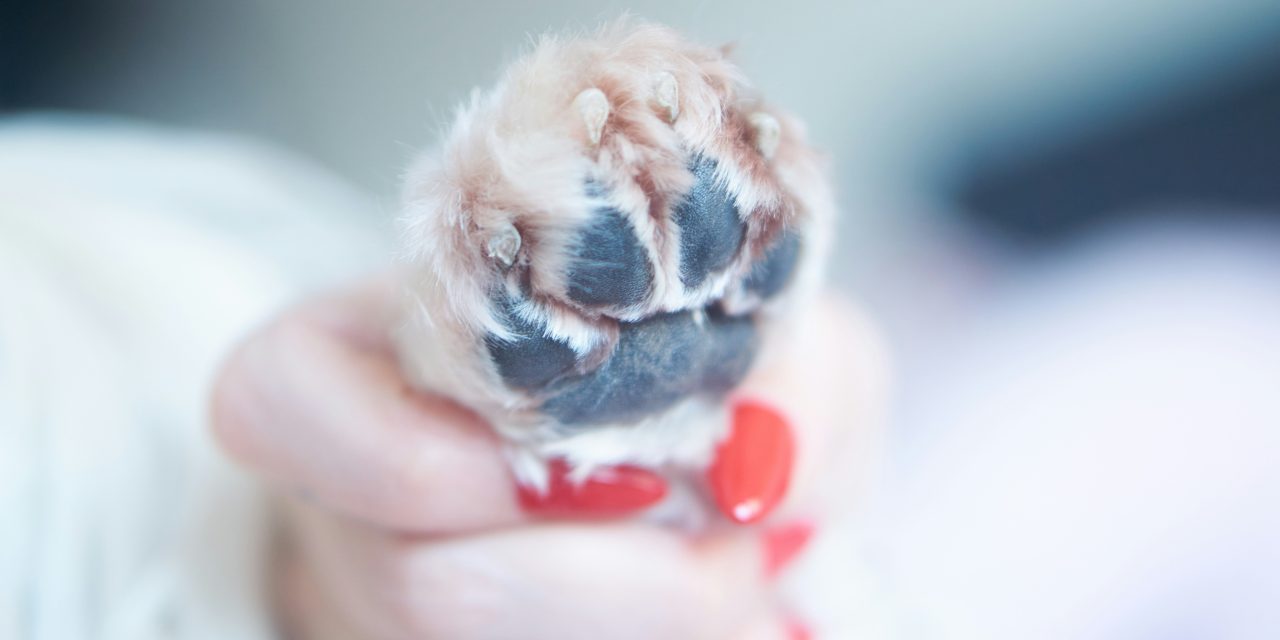
Maintaining appropriate nail length in dogs is crucial for their overall health and well-being. Overgrown nails can lead to a myriad of complications, including pain, discomfort, and mobility issues. The anatomy of a dog’s nail consists of the hard outer shell, known as the claw, and the inner living tissue called the quick. When nails grow excessively long, they can encroach upon the quick, leading to bleeding and infection if trimmed too short. Furthermore, long nails can alter a dog’s gait, causing strain on joints and muscles, which may result in chronic pain over time.
Proper nail care is not merely an aesthetic concern; it plays a significant role in a dog’s physical health. Regular trimming helps prevent injuries that can occur from snagging on surfaces or getting caught in objects. Additionally, maintaining an optimal nail length supports healthy foot structure and function, allowing dogs to walk, run, and play without hindrance. Therefore, understanding the importance of proper nail length is essential for every dog owner.
Visual Signs That Your Dog’s Nails Are Too Long
Identifying visual signs that indicate your dog’s nails are too long is vital for timely intervention. One of the most apparent indicators is the appearance of the nails themselves. If you notice that your dog’s nails are curling or touching the ground when they stand, it is a clear sign that they require trimming. Additionally, if you observe any discoloration or darkening of the nails, this could suggest underlying issues such as infection or trauma.
Another visual cue is the presence of excessive wear on the pads of your dog’s feet. When nails are too long, they can prevent proper contact with the ground, leading to uneven wear on the paw pads. This can result in calluses or abrasions that may become painful over time. Observing these signs can help you determine when it’s time to take action regarding your dog’s nail care.
How Long Should Your Dog’s Nails Be?

Determining the ideal length for your dog’s nails depends on several factors, including breed, activity level, and individual anatomy. Generally, a dog’s nails should be short enough that they do not touch the ground when standing. Ideally, when a dog is standing naturally, there should be a slight gap between the nail tip and the floor surface. For most dogs, this means keeping the nails trimmed to about 1/8 inch above the quick.
It’s important to note that different breeds may have varying nail growth rates and shapes. For instance, active breeds that frequently walk on hard surfaces may naturally wear down their nails more effectively than those who spend most of their time indoors. Regularly assessing your dog’s nail length and adjusting trimming schedules accordingly will help maintain optimal nail health.
The Role of Nail Clicks on Hard Surfaces

The sound of nails clicking against hard surfaces can serve as an auditory cue for dog owners regarding nail length. When a dog walks on tile or hardwood floors, the clicking sound indicates that their nails are making contact with the ground. If you notice that this sound is pronounced or frequent, it may suggest that your dog’s nails are too long and require trimming.
Moreover, excessive clicking can lead to behavioral changes in dogs. Some may become anxious or hesitant to walk on hard surfaces due to discomfort caused by long nails. This aversion can further exacerbate mobility issues and lead to a sedentary lifestyle. Therefore, paying attention to these auditory signals can help you maintain your dog’s nail health and overall quality of life.
Observing Changes in Your Dog’s Walking or Posture
Changes in your dog’s walking patterns or posture can be indicative of underlying issues related to nail length. If you observe your dog favoring one leg over another or exhibiting a limp, it may be due to discomfort caused by overgrown nails. Long nails can create an uneven distribution of weight across the paws, leading to compensatory movements that strain other joints and muscles.
Additionally, dogs with excessively long nails may adopt an altered posture while standing or walking. You might notice them shifting their weight backward or adopting a crouched position to alleviate pressure on their paws. These behavioral changes can signal pain or discomfort and should prompt immediate attention to their nail care routine.
Checking for Discomfort or Pain During Movement
Assessing your dog for signs of discomfort or pain during movement is crucial for identifying potential issues related to nail length. Dogs may exhibit subtle signs of distress, such as reluctance to engage in physical activities they once enjoyed or hesitance when jumping or climbing stairs. Observing these behaviors can provide valuable insights into their overall comfort level.
To evaluate your dog’s comfort during movement, consider conducting a simple test by gently manipulating their paws while they are relaxed. If your dog flinches, pulls away, or vocalizes discomfort during this examination, it may indicate that their nails are causing pain or irritation. Regularly checking for these signs will help ensure that your dog remains comfortable and active.
Inspecting for Nail Splitting or Cracking
Nail splitting or cracking is another significant concern associated with overgrown nails in dogs. When nails grow too long, they become more susceptible to damage from everyday activities such as running or playing. Splitting can lead to painful injuries that may require veterinary intervention if left untreated.
Inspecting your dog’s nails regularly for signs of splitting or cracking is essential for early detection and prevention of further complications. If you notice any irregularities in the nail structure, such as jagged edges or visible cracks, it is crucial to address the issue promptly by trimming the nails and providing appropriate care to prevent infection.
The Impact of Overgrown Nails on Joint Health
Overgrown nails can have a profound impact on a dog’s joint health over time. When nails extend beyond their optimal length, they can alter a dog’s gait and biomechanics during movement. This alteration can lead to uneven weight distribution across joints, resulting in increased stress on specific areas such as the hips, knees, and elbows.
Chronic strain on these joints can contribute to conditions such as arthritis or degenerative joint disease later in life. Maintaining proper nail length is essential for preserving joint health and preventing long-term complications associated with mobility issues. Regular trimming and monitoring will help mitigate these risks and promote overall well-being.
When to Consult a Veterinarian or Professional Groomer
Knowing when to seek professional assistance for your dog’s nail care is crucial for ensuring their health and safety. If you are uncertain about how to trim your dog’s nails safely or if your dog exhibits extreme anxiety during nail trimming sessions, consulting a veterinarian or professional groomer may be beneficial.
Additionally, if you notice any signs of infection, such as swelling, redness, or discharge around the nail bed, it is imperative to seek veterinary care promptly. A professional can provide guidance on proper trimming techniques and recommend appropriate treatments if any underlying issues are present.
Tools and Techniques for Safe Nail Trimming
Utilizing the right tools and techniques for safe nail trimming is essential for minimizing stress for both you and your dog. Common tools include guillotine-style clippers, electric grinders, and scissor-type clippers designed specifically for canine use. Each tool has its advantages; for instance, electric grinders allow for gradual shaping of the nail without risking cutting into the quick.
Before beginning a trimming session, ensure that your dog is calm and comfortable in a familiar environment. Gradually introduce them to the clippers or grinder by allowing them to sniff and explore the tools before proceeding with trimming. Always trim only small portions at a time to avoid cutting into the quick and causing pain.
Preventive Measures to Maintain Healthy Nail Lengths
Preventive measures play a vital role in maintaining healthy nail lengths in dogs. Regular exercise on hard surfaces can naturally wear down nails and reduce the frequency of trimming required. Engaging in activities such as walking on pavement or playing on gravel can help keep nails at an appropriate length.
Additionally, incorporating chew toys designed for dental health can aid in naturally wearing down nails while promoting oral hygiene. Regular grooming sessions that include nail checks will help establish a routine that prioritizes your dog’s overall health and comfort.
In summary, maintaining proper nail length in dogs is essential for their overall health and well-being. Recognizing visual signs of overgrown nails, understanding ideal lengths, and observing changes in walking patterns are crucial steps in ensuring comfort and mobility. Regular inspections for discomfort or pain during movement will help identify potential issues early on. Consulting professionals when necessary and utilizing appropriate tools will facilitate safe trimming practices while preventive measures will support ongoing nail health. By prioritizing these aspects of care, dog owners can significantly enhance their pets’ quality of life.
FAQs
How can I tell if my dog’s nails are too long?
If your dog’s nails touch the ground when they are standing, or if you can hear them clicking on hard surfaces, they are likely too long. Additionally, if your dog shows signs of discomfort or reluctance to walk, it may indicate that their nails need trimming.
What are the risks of having long nails on my dog?
Long nails can lead to various health issues, including pain, difficulty walking, and potential injuries. They can cause your dog to alter their gait, leading to joint problems over time. Long nails can also break or split, causing bleeding and infection.
How often should I trim my dog’s nails?
Generally, you should trim your dog’s nails every 3 to 4 weeks, but this can vary based on their activity level and the surfaces they walk on. Dogs that walk on hard surfaces may naturally wear down their nails more than those that primarily walk on soft grass.
What tools can I use to trim my dog’s nails?
You can use a variety of tools to trim your dog’s nails, including nail clippers specifically designed for pets, a nail grinder, or a Dremel tool. It’s important to choose a tool that you feel comfortable using and that is appropriate for your dog’s size and nail thickness.
What should I do if I accidentally cut my dog’s nail too short?
If you accidentally cut your dog’s nail too short and it starts to bleed, apply a styptic powder or cornstarch to the area to help stop the bleeding. Keep your dog calm and avoid further irritation. If the bleeding does not stop or if you notice signs of infection, consult your veterinarian.