Dogs possess varying degrees of skin sensitivity, which can be influenced by factors such as breed, age, and environmental conditions. The epidermis of canines is thinner than that of humans, making them more susceptible to irritants, allergens, and infections. Common skin sensitivities may manifest as redness, itching, or inflammation, often exacerbated by exposure to water, soaps, or drying techniques that are too harsh. Understanding your dog’s unique skin type is crucial for selecting appropriate grooming methods and products.
Certain breeds, such as the Shar Pei or the Bulldog, are predisposed to skin issues due to their unique skin folds and composition. Conversely, breeds like the Poodle or Bichon Frise may have more resilient skin but require regular grooming to prevent matting and irritation. It is essential to observe your dog’s behavior during and after bathing or drying; signs of discomfort can indicate underlying sensitivities that need addressing. Regular veterinary check-ups can help identify specific skin conditions and guide you in choosing the best care practices.
Choosing the Right Towel for Drying
Selecting an appropriate towel for drying your dog is paramount in ensuring their comfort and skin health. Microfiber towels are often recommended due to their superior absorbency and softness. These towels can absorb up to seven times their weight in water, making them ideal for quickly soaking up moisture without causing friction on the skin. Additionally, microfiber is less likely to harbor bacteria compared to traditional cotton towels, reducing the risk of skin infections.
When choosing a towel, consider the size and weight of your dog. Larger breeds may require oversized towels to effectively dry their coats, while smaller breeds may benefit from lightweight options that are easier to maneuver. Avoid using towels with rough textures or those that shed lint, as these can irritate sensitive skin. Investing in a high-quality towel specifically designed for pets can significantly enhance the drying experience and promote overall skin health.
The technique employed during the drying process can greatly impact your dog’s comfort and skin condition. Gently patting the coat with a towel is the most effective method for absorbing moisture without causing irritation. This technique minimizes friction and reduces the risk of damaging the hair follicles or irritating the skin. Rubbing, on the other hand, can lead to matting and discomfort, particularly in breeds with longer or thicker coats.
When drying your dog, start by using a towel to absorb excess water from the coat. Focus on areas that tend to retain moisture, such as underbelly and paws. Employ a gentle patting motion rather than vigorous rubbing to ensure a soothing experience for your pet. This approach not only promotes relaxation but also helps maintain the integrity of the coat and skin barrier.
Using a Blow Dryer Safely: Temperature and Distance Guidelines

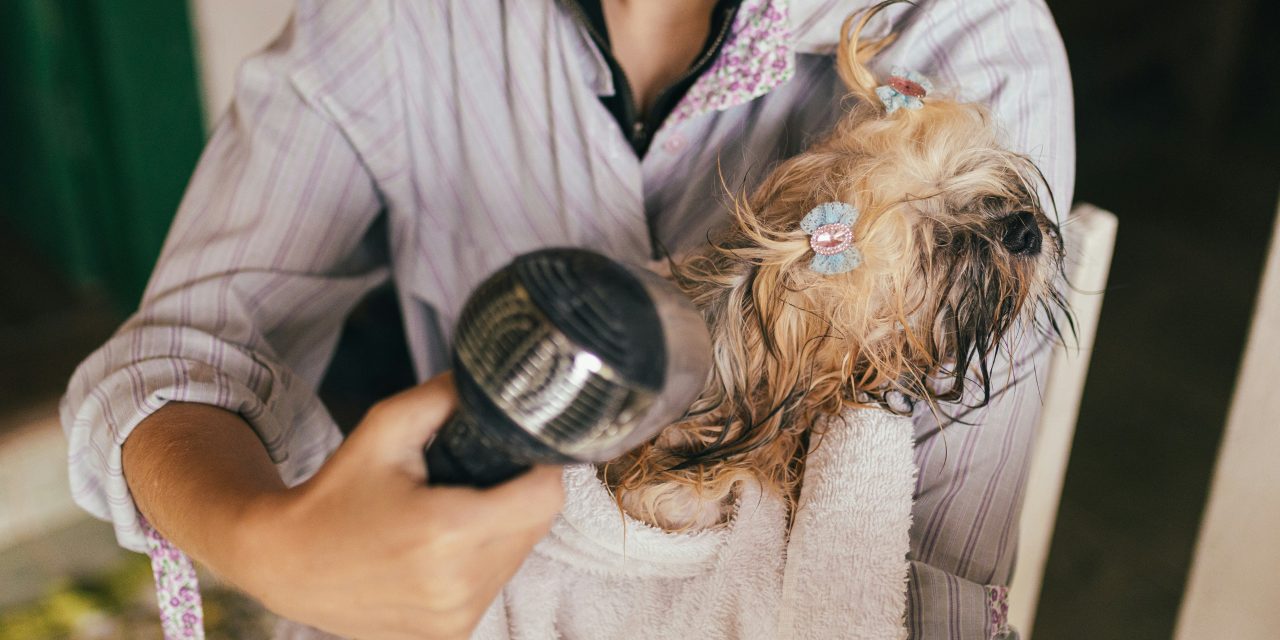
When utilizing a blow dryer for drying your dog, safety should be your top priority. Canine skin is sensitive to heat; therefore, it is crucial to use a dryer with adjustable temperature settings. Ideally, you should select a low-heat setting to prevent burns or overheating. Maintaining a safe distance—approximately 12 inches—from your dog’s coat will help distribute heat evenly and minimize discomfort.
Additionally, it is advisable to keep the dryer moving continuously rather than concentrating heat on one area for an extended period. This technique not only ensures even drying but also prevents localized overheating, which can lead to thermal injuries. Always monitor your dog’s behavior during this process; if they show signs of distress or discomfort, it may be necessary to switch to a cooler setting or discontinue use altogether.
Opting for a Pet-Specific Dryer Over a Human Hairdryer

While human hairdryers may seem convenient for drying your dog, they are often not designed with canine needs in mind. Pet-specific dryers are engineered to provide lower heat settings and higher airflow rates, making them safer and more effective for drying fur without causing harm. These specialized dryers often feature noise reduction technology, which can help alleviate anxiety in sensitive dogs during the drying process.
Investing in a pet-specific dryer can significantly enhance your grooming routine by providing a more efficient drying experience while prioritizing your dog’s comfort. Many models come equipped with various attachments designed for different coat types, allowing you to tailor the drying process according to your dog’s specific needs.
The Importance of Air Drying in a Controlled Environment
Air drying is an essential component of maintaining your dog’s skin health post-bathing. Allowing your dog to air dry in a controlled environment—such as indoors away from drafts—can help prevent chills and promote comfort. This method is particularly beneficial for dogs with thick coats that may take longer to dry completely.
Creating an optimal air-drying environment involves ensuring adequate ventilation while maintaining a comfortable temperature. Avoid exposing your dog to direct sunlight or cold drafts during this process, as extreme temperatures can lead to stress or illness. Providing a cozy space with familiar bedding can help your dog feel secure while they dry naturally.
Avoiding Overheating: Signs Your Dog Is Too Warm
Recognizing signs of overheating in dogs is crucial during the drying process. Symptoms may include excessive panting, drooling, lethargy, or restlessness. If you notice any of these signs while using a blow dryer or during air drying, it is essential to take immediate action by moving your dog to a cooler environment and providing fresh water.
Monitoring your dog’s body temperature can also be beneficial; normal canine body temperature ranges from 101°F to 102.5°F (38.3°C to 39.2°C). If you suspect your dog is overheating, you can use cool (not cold) water on their paws or belly to help regulate their temperature. Always prioritize your dog’s well-being during grooming sessions by being vigilant about their comfort levels.
The approach taken when drying your dog should vary based on coat thickness and texture. Dogs with thick coats—such as Golden Retrievers or Huskies—may require more time and effort during the drying process due to their dense fur trapping moisture effectively. For these breeds, using a combination of towel drying followed by a pet-specific dryer can expedite the process while ensuring thorough drying.
Conversely, dogs with thin coats—like Greyhounds or Beagles—may dry more quickly but still require careful attention to avoid chilling. For these breeds, gentle towel drying followed by air drying in a warm environment may suffice. Tailoring your approach based on coat type not only enhances efficiency but also promotes optimal skin health.
Incorporating Brushing to Speed Up the Drying Process
Incorporating brushing into the drying routine can significantly expedite moisture removal while promoting healthy skin and coat conditions. Brushing helps separate hair strands, allowing air to circulate more freely and facilitating quicker drying times. Additionally, this practice aids in removing loose fur and debris that may have accumulated during bathing.
When brushing your dog post-bath, opt for tools designed for their specific coat type—slicker brushes for long-haired breeds or bristle brushes for short-haired dogs are ideal choices. Be gentle during this process; excessive force can lead to discomfort or irritation on sensitive skin. Regular brushing not only enhances the drying process but also contributes to overall coat health by distributing natural oils evenly.
Creating a Calm Environment to Reduce Stress During Drying
A calm environment plays a pivotal role in ensuring a positive drying experience for your dog. Many dogs experience anxiety during grooming sessions; therefore, creating a serene atmosphere can help alleviate stress levels significantly. Consider playing soft music or using pheromone diffusers designed for pets to promote relaxation during this time.
Additionally, providing treats or engaging in gentle praise can reinforce positive associations with the drying process. Establishing a routine that includes familiar cues—such as specific commands or toys—can further enhance your dog’s comfort level during grooming sessions. A relaxed dog is more likely to cooperate during drying, leading to a smoother experience for both pet and owner.
Post-Drying Care: Moisturizing and Checking for Skin Irritations
After completing the drying process, it is essential to assess your dog’s skin condition thoroughly. Look for any signs of irritation such as redness, flakiness, or unusual odors that may indicate underlying issues like dermatitis or allergies. Regularly checking your dog’s skin health allows for early detection of potential problems that may require veterinary intervention.
Incorporating moisturizing products specifically formulated for dogs can help maintain skin hydration post-bathing. Look for hypoallergenic options free from harsh chemicals that could exacerbate sensitivities. Applying these products after drying not only promotes healthy skin but also enhances coat shine and softness.
In summary, understanding your dog’s unique skin sensitivity is crucial when selecting appropriate drying techniques and products. Choosing the right towel and employing gentle patting methods can significantly enhance comfort during grooming sessions. Utilizing pet-specific dryers ensures safety while air drying in controlled environments promotes optimal health outcomes.
Recognizing signs of overheating and tailoring approaches based on coat thickness further contribute to effective grooming practices. Incorporating brushing into the routine expedites drying while creating a calm environment reduces stress levels significantly.
Finally, post-drying care involving moisturizing products ensures ongoing skin health while allowing for early detection of potential irritations or conditions requiring veterinary attention. By prioritizing these practices, pet owners can foster healthier grooming experiences that promote overall well-being for their beloved companions.
### FAQ Section
1. **What are common signs of skin sensitivity in dogs?**
– Common signs include itching, redness, flakiness, hot spots, excessive licking or scratching, and changes in behavior such as increased agitation or withdrawal.
2. **How often should I bathe my dog?**
– Bathing frequency depends on breed and lifestyle; generally, every 4-6 weeks is sufficient for most dogs unless they get particularly dirty or have specific skin conditions requiring more frequent baths.
3. **Can I use human towels on my dog?**
– While human towels can be used in emergencies, they may not be as effective as pet-specific towels designed for optimal absorbency and gentleness on canine skin.
4. **Is it safe to use a blow dryer on my dog?**
– Yes, but it must be done carefully using low heat settings and maintaining an appropriate distance from the coat to prevent overheating or burns.
5. **What should I do if my dog shows signs of overheating?**
– Move them to a cooler area immediately, provide fresh water, and apply cool (not cold) water on their paws or belly until their temperature stabilizes.
6. **How do I choose the right brush for my dog’s coat?**
– Select brushes based on coat type: slicker brushes work well for long-haired breeds while bristle brushes are suitable for short-haired dogs.
7. **What moisturizing products are safe for dogs?**
– Look for hypoallergenic moisturizers specifically formulated for pets that do not contain harsh chemicals or fragrances that could irritate sensitive skin.
8. **Can I use essential oils on my dog’s skin?**
– Many essential oils are toxic to dogs; consult with a veterinarian before using any oils on your pet’s skin or fur.
9. **How can I reduce my dog’s anxiety during grooming?**
– Create a calm environment with soothing music or pheromone diffusers; offer treats and praise throughout the process to reinforce positive associations.
10. **What should I do if I notice skin irritations after bathing?**
– Consult with your veterinarian immediately if you observe any persistent irritations or changes in your dog’s skin condition following bathing or grooming sessions.
By adhering to these guidelines and understanding your dog’s unique needs regarding grooming practices, you can ensure their comfort and health throughout the bathing and drying processes.
FAQs
What are the best methods to dry a dog after a bath?
The best methods to dry a dog after a bath include using a towel to gently blot the fur, employing a pet-specific dryer with adjustable heat settings, or allowing the dog to air dry in a warm, draft-free area. It’s important to avoid using high heat settings to prevent overheating the dog’s skin.
How can I prevent my dog from getting cold after a bath?
To prevent your dog from getting cold after a bath, ensure that the drying area is warm and free from drafts. You can also wrap your dog in a warm towel or blanket immediately after the bath to help retain body heat while drying.
What should I avoid when drying my dog?
When drying your dog, avoid using high-heat blow dryers, as they can cause skin burns or overheating. Additionally, refrain from rubbing the fur vigorously, as this can lead to matting and discomfort for the dog.
How long does it typically take to dry a dog after a bath?
The time it takes to dry a dog after a bath can vary based on the dog’s size, coat type, and the drying method used. Generally, it can take anywhere from 30 minutes to a couple of hours to fully dry a dog, especially if air drying is involved.
Are there specific tools recommended for drying dogs?
Recommended tools for drying dogs include absorbent microfiber towels, pet-specific dryers with adjustable heat settings, and grooming gloves or brushes that can help remove excess water while providing a gentle massage. These tools can help ensure a safe and effective drying process.