Food waste is a pressing global issue that has far-reaching implications for the environment, economy, and society. According to the Food and Agriculture Organization (FAO), approximately one-third of all food produced for human consumption is wasted, amounting to about 1.3 billion tons annually. This staggering figure not only represents a significant loss of resources but also contributes to greenhouse gas emissions, as decomposing food in landfills releases methane, a potent greenhouse gas. The environmental impact of food waste is profound, as it exacerbates climate change and depletes natural resources such as water and energy used in food production.
The economic ramifications of food waste are equally concerning. In the United States alone, the USDA estimates that food waste costs consumers around $218 billion each year. This figure encompasses not only the monetary value of wasted food but also the labor, transportation, and energy costs associated with its production and distribution. Furthermore, food insecurity remains a critical issue, with millions of individuals lacking access to sufficient nutrition. Reducing food waste could potentially redirect surplus food to those in need, addressing both environmental and social challenges simultaneously.
The Role of Smart Storage in Reducing Waste
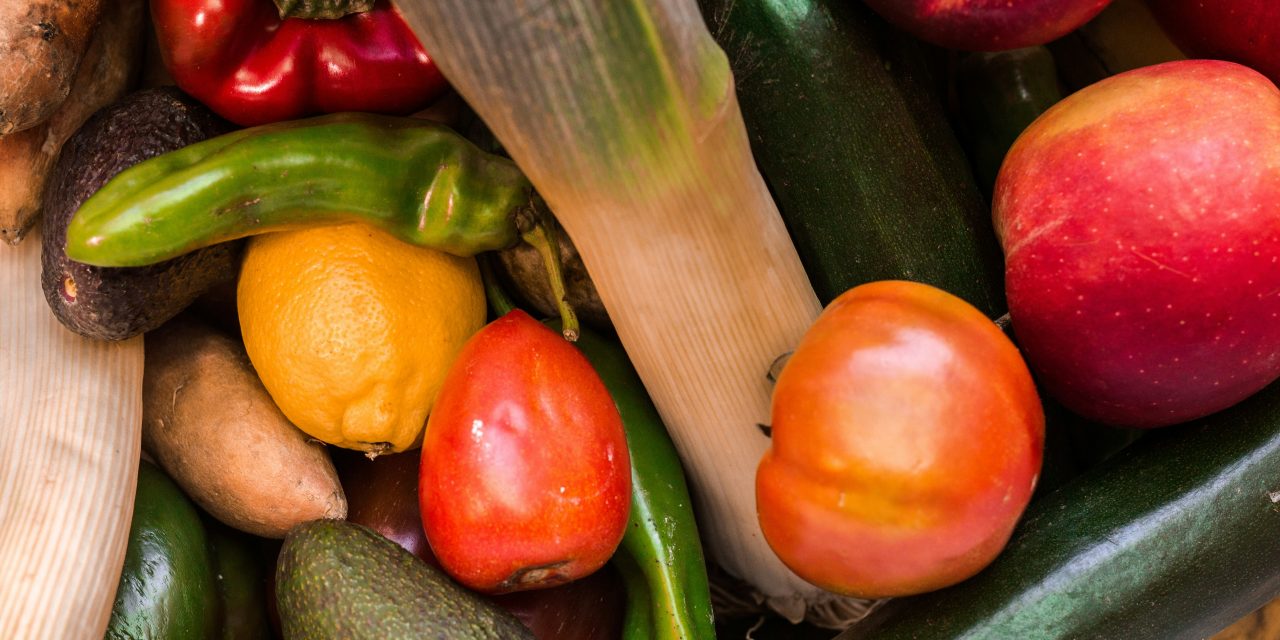
Smart storage solutions play a pivotal role in mitigating food waste by extending the shelf life of perishable items and ensuring that food remains fresh for longer periods. By employing effective storage techniques, consumers can significantly reduce the likelihood of spoilage and waste. One of the primary strategies involves understanding the specific storage requirements for various types of food. For instance, certain fruits and vegetables emit ethylene gas, which accelerates ripening and can lead to premature spoilage if stored together with other produce.
Moreover, implementing smart storage practices can enhance organization within the kitchen or pantry, making it easier to track inventory and prioritize the use of older items before they expire. This proactive approach not only minimizes waste but also promotes a more efficient cooking process. By investing in appropriate storage solutions and adopting mindful habits, individuals can contribute to a more sustainable food system while also saving money.
Choosing the Right Containers for Different Foods

Selecting the appropriate containers for food storage is crucial in maintaining freshness and preventing spoilage. Various materials are available, including glass, plastic, stainless steel, and silicone, each with its own advantages and disadvantages. Glass containers are non-reactive and do not leach chemicals into food, making them an excellent choice for storing acidic items like tomatoes or citrus fruits. Additionally, glass is microwave-safe and dishwasher-friendly, providing convenience for busy households.
On the other hand, plastic containers are lightweight and often more affordable, but it is essential to choose BPA-free options to avoid potential health risks. Stainless steel containers are durable and resistant to staining, making them suitable for long-term storage of dry goods such as grains and legumes. Silicone bags offer flexibility and are reusable, making them an eco-friendly alternative for snacks or sandwiches. Understanding the unique properties of each material allows consumers to make informed decisions that align with their storage needs.
Utilizing Airtight Containers to Extend Freshness

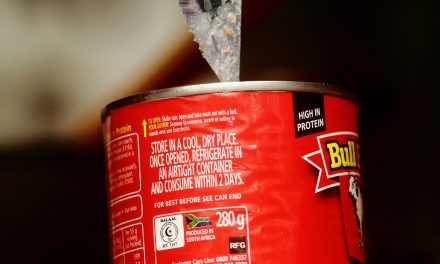
Airtight containers are instrumental in preserving the quality of stored food by creating a barrier against air, moisture, and contaminants. Exposure to air can lead to oxidation, which diminishes flavor and nutritional value while promoting spoilage. By utilizing airtight containers, individuals can significantly extend the shelf life of various items, including grains, nuts, and dried fruits.
When selecting airtight containers, it is essential to ensure that they have a secure sealing mechanism to prevent any air from entering. Additionally, consider using vacuum-sealed bags for items that require long-term storage. These bags remove excess air before sealing, further enhancing preservation by minimizing oxidation and moisture buildup. By incorporating airtight storage solutions into daily routines, consumers can enjoy fresher food while reducing waste.
Implementing Vacuum Sealing for Longer Preservation
Vacuum sealing is an advanced preservation technique that involves removing air from packaging before sealing it tightly. This method is particularly effective for extending the shelf life of perishable items such as meats, cheeses, and vegetables. By eliminating air exposure, vacuum sealing inhibits the growth of bacteria and mold while slowing down enzymatic reactions that lead to spoilage.
To implement vacuum sealing effectively, individuals can invest in a vacuum sealer machine that allows for easy packaging of various foods. It is advisable to portion items into meal-sized servings before sealing to facilitate convenient meal preparation later on. Additionally, vacuum-sealed bags can be used for sous-vide cooking, where food is cooked in a water bath at precise temperatures for enhanced flavor and tenderness. This versatile technique not only preserves food but also elevates culinary experiences.
Properly Labeling and Dating Stored Food
Proper labeling and dating of stored food is an essential practice that aids in inventory management and minimizes waste. By clearly marking containers with the contents and date of storage, individuals can easily identify items that need to be consumed first. This practice helps prevent confusion and ensures that older items are prioritized before they spoil.
When labeling food containers, consider using waterproof markers or labels that can withstand moisture and temperature changes. Additionally, implementing a color-coded system can further streamline organization; for example, using different colors for various food groups or expiration dates can enhance visibility at a glance. By maintaining an organized labeling system, consumers can make informed decisions about their food inventory while reducing the likelihood of waste.
Organizing Your Refrigerator for Optimal Airflow
The organization of your refrigerator plays a crucial role in maintaining optimal freshness and preventing spoilage. Proper airflow is essential for even cooling throughout the appliance; therefore, it is vital to avoid overcrowding shelves or blocking vents with large containers or bulky items. When airflow is restricted, certain areas may become warmer than others, leading to uneven temperatures that can accelerate spoilage.
To optimize refrigerator organization, categorize items based on their storage requirements. For instance, place dairy products on higher shelves where temperatures tend to be cooler while storing fruits and vegetables in designated crisper drawers designed to maintain humidity levels. Regularly checking temperatures with an appliance thermometer can help ensure that your refrigerator operates within the ideal range of 32°F to 40°F (0°C to 4°C). By prioritizing airflow and organization within your refrigerator, you can extend the freshness of your stored foods.
Using Clear Storage Bins to Track Food Inventory
Clear storage bins are invaluable tools for tracking food inventory effectively while promoting organization within pantries or refrigerators. These bins allow users to see contents at a glance without having to rummage through opaque containers or bags. By utilizing clear bins for grouping similar items—such as snacks, canned goods, or baking supplies—individuals can streamline their cooking process while minimizing waste.
In addition to enhancing visibility, clear bins can be labeled with contents or expiration dates for added convenience. Consider implementing a rotation system where older items are placed at the front while newer ones are stored at the back; this practice encourages consumption of items before they expire. By incorporating clear storage bins into your kitchen organization strategy, you can maintain an efficient inventory while reducing food waste.
Freezing Leftovers and Surplus Ingredients Effectively
Freezing is one of the most effective methods for preserving leftovers and surplus ingredients while minimizing waste. When done correctly, freezing can extend the shelf life of various foods from several months up to a year without compromising quality or flavor. To freeze leftovers effectively, allow them to cool completely before transferring them into airtight containers or vacuum-sealed bags.
It is advisable to portion leftovers into meal-sized servings before freezing; this practice not only facilitates convenient meal preparation but also prevents thawing excess food that may go uneaten. Additionally, labeling frozen items with dates ensures that you consume them within their optimal timeframe—generally within three months for best quality. By mastering freezing techniques, individuals can enjoy their favorite meals later while reducing overall food waste.
Repurposing Food Scraps with Creative Storage Ideas
Repurposing food scraps is an innovative approach that not only reduces waste but also promotes sustainability in the kitchen. Many kitchen scraps—such as vegetable peels, stems, or herb trimmings—can be transformed into flavorful broths or stocks when stored properly. By collecting these scraps in a designated container in your freezer until you have enough to make broth, you can create delicious homemade stock without incurring additional costs.
Another creative idea involves regrowing certain vegetables from kitchen scraps; for example, green onions can be placed in water until roots develop before being transferred back into soil for continued growth. Storing these scraps in clear jars or containers allows you to monitor their progress while minimizing clutter in your kitchen space. By embracing creative storage ideas for repurposing food scraps, individuals can contribute to a more sustainable lifestyle while maximizing their culinary potential.
Maintaining Regular Storage Area Cleanliness and Checks
Regular maintenance of storage areas is essential for ensuring optimal conditions for food preservation while minimizing waste. Establishing a routine cleaning schedule helps prevent contamination from spills or expired items that may compromise the quality of stored foods. It is advisable to conduct thorough checks every few weeks to assess inventory levels and remove any expired or spoiled items promptly.
During cleaning sessions, take the opportunity to reorganize shelves or bins based on usage frequency; placing frequently used items at eye level enhances accessibility while reducing unnecessary movement within storage areas. Additionally, consider implementing a “first in, first out” (FIFO) system where older items are used before newer ones—this practice promotes freshness while minimizing waste effectively. By prioritizing cleanliness and regular checks within storage areas, individuals can maintain an organized kitchen environment conducive to reducing food waste.
In summary, addressing food waste requires a multifaceted approach that encompasses understanding its impact on society and the environment while implementing effective storage solutions at home. By choosing appropriate containers for different foods, utilizing airtight options and vacuum sealing techniques, properly labeling items, organizing refrigerators for optimal airflow, using clear bins for tracking inventory, freezing leftovers effectively, repurposing scraps creatively, and maintaining cleanliness within storage areas—individuals can significantly reduce waste while promoting sustainability in their kitchens. Through these practices combined with mindful consumption habits, we can collectively contribute towards a more sustainable future while enjoying fresher meals at home.
FAQs
What are some effective storage methods to reduce food waste?
Effective storage methods include using airtight containers to keep food fresh, vacuum sealing to remove air and prevent spoilage, and utilizing proper refrigeration techniques such as storing fruits and vegetables in separate drawers to maintain optimal humidity levels. Additionally, labeling containers with dates can help track freshness.
How does proper food storage impact shelf life?
Proper food storage significantly extends the shelf life of perishable items by slowing down the growth of bacteria and mold. For example, storing dairy products at the back of the refrigerator, where it’s coldest, can help maintain their freshness longer. Similarly, keeping dry goods in a cool, dark place can prevent spoilage.
What role does temperature play in food storage?
Temperature plays a crucial role in food storage as different foods require specific temperature ranges to remain safe and fresh. For instance, perishable items like meat and dairy should be stored at or below 40°F (4°C), while fruits and vegetables have varying optimal temperatures. Maintaining the right temperature helps prevent spoilage and reduces food waste.
Can meal planning help in reducing food waste?
Yes, meal planning can significantly reduce food waste by allowing individuals to purchase only the ingredients needed for specific meals, minimizing excess. By planning meals around items that are nearing their expiration dates, consumers can ensure that food is used before it spoils, thus reducing waste.
What are some common mistakes in food storage that lead to waste?
Common mistakes include overpacking the refrigerator, which restricts airflow and can lead to uneven cooling, and storing foods improperly, such as placing ethylene-producing fruits next to vegetables that are sensitive to it. Additionally, neglecting to check expiration dates and not rotating older items to the front can also contribute to increased food waste.