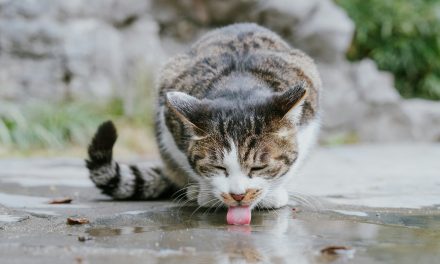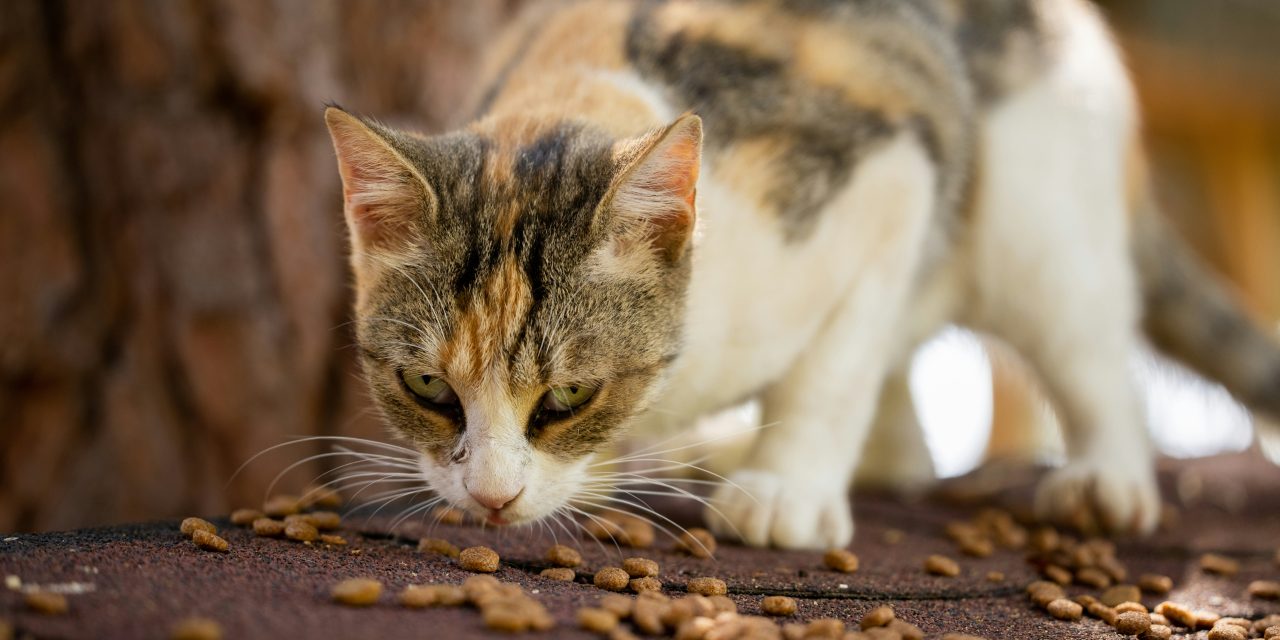
Cats are obligate carnivores, meaning their diet must primarily consist of animal-based proteins to meet their nutritional requirements. Unlike omnivores, felines have evolved to thrive on a diet rich in meat, which provides essential amino acids such as taurine, arginine, and methionine. These nutrients are crucial for maintaining optimal health, supporting vital functions such as vision, heart health, and overall metabolic processes. Additionally, cats require specific vitamins and minerals, including vitamin A, niacin, and arachidonic acid, which are predominantly found in animal tissues.
Understanding the caloric needs of your feline companion is equally important. The average adult cat requires approximately 20 calories per pound of body weight daily, although this can vary based on factors such as age, activity level, and overall health. For instance, kittens and pregnant or nursing cats have higher caloric demands due to growth and lactation. Conversely, senior cats may require fewer calories to prevent obesity. It is essential to tailor your cat’s diet to their individual needs to ensure they receive the right balance of nutrients for optimal health.
Identifying the Reasons Behind Picky Eating
Picky eating in cats can stem from various factors, including environmental influences, health issues, or behavioral tendencies. One common reason is the cat’s instinctual behavior; felines are naturally cautious eaters and may refuse food that appears unfamiliar or unappealing. Changes in their environment, such as moving to a new home or the introduction of new pets, can also lead to stress-induced picky eating. Additionally, cats may develop preferences for certain textures or flavors based on previous experiences with food.
Health-related issues can significantly impact a cat’s appetite and willingness to eat. Dental problems, gastrointestinal disorders, or systemic illnesses can cause discomfort or pain while eating, leading to aversion to food. If a cat suddenly becomes picky after previously having a robust appetite, it is crucial to investigate potential underlying health concerns. Regular veterinary check-ups can help identify any medical issues that may contribute to changes in eating behavior.
Choosing High-Quality Cat Food Options

Selecting high-quality cat food is paramount for ensuring your feline receives the necessary nutrients for optimal health. When evaluating cat food options, it is essential to read ingredient labels carefully. Look for products that list a high-quality source of protein as the first ingredient, such as chicken, turkey, or fish. Avoid foods that contain excessive fillers like corn or wheat, as these do not provide significant nutritional value and may lead to weight gain.
Moreover, consider the life stage of your cat when choosing food. Kittens require specially formulated diets rich in protein and fat to support their rapid growth and development. Adult cats benefit from balanced nutrition that maintains their energy levels and overall health. Senior cats may need diets lower in calories but enriched with joint-supporting supplements like glucosamine and chondroitin. Consulting with a veterinarian can provide personalized recommendations based on your cat’s specific needs.
Introducing New Foods Gradually

Transitioning your cat to new food should be done gradually to minimize gastrointestinal upset and encourage acceptance of the new diet. A recommended approach is to mix a small amount of the new food with the current food over several days. Start with a ratio of 75% old food to 25% new food for the first few days. Gradually increase the proportion of new food while decreasing the old food over a week or two until your cat is fully transitioned.
This gradual introduction allows your cat’s digestive system to adjust to the new ingredients without causing stress or discomfort. Additionally, it provides an opportunity for you to observe any adverse reactions or preferences your cat may exhibit toward the new food. If your cat shows signs of gastrointestinal distress during this transition, such as vomiting or diarrhea, it may be necessary to slow down the process or consult a veterinarian for further guidance.
Enhancing Flavor and Texture to Appeal to Your Cat
Cats can be quite discerning when it comes to flavor and texture preferences. To entice a picky eater, consider enhancing the palatability of their meals by incorporating various flavors and textures. For instance, mixing wet food with dry kibble can create an appealing combination that satisfies both texture preferences and moisture needs. Additionally, warming wet food slightly can enhance its aroma and make it more enticing.
Another effective strategy is to add flavor enhancers such as low-sodium chicken broth or tuna juice to dry kibble. These additions can stimulate your cat’s appetite and encourage them to explore new foods. Experimenting with different brands and formulations can also help identify what your cat enjoys most. Remember that each cat is unique; what works for one may not work for another.
Establishing a Consistent Feeding Schedule
Establishing a consistent feeding schedule is crucial for promoting healthy eating habits in cats. Cats thrive on routine; regular feeding times help regulate their metabolism and prevent overeating or excessive begging behaviors. Aim to feed your cat at the same times each day, whether you choose free-feeding (leaving food out all day) or scheduled meals.
If you opt for scheduled feeding, divide your cat’s daily caloric intake into two or three meals throughout the day. This approach not only helps maintain a healthy weight but also allows you to monitor your cat’s appetite more effectively. If your cat consistently refuses meals at certain times, it may be worth adjusting the feeding schedule or exploring other factors that could be influencing their eating habits.
Using Wet Food to Increase Hydration and Palatability
Incorporating wet food into your cat’s diet can significantly enhance hydration levels while also improving palatability. Cats have a low thirst drive compared to other animals; therefore, they often do not drink enough water to stay adequately hydrated. Wet food contains approximately 70-80% moisture content, making it an excellent option for promoting hydration.
Moreover, wet food tends to be more aromatic and flavorful than dry kibble, which can entice even the pickiest eaters. When selecting wet food options, ensure they are nutritionally balanced and appropriate for your cat’s life stage. Offering wet food as a primary diet or as a supplement alongside dry kibble can help maintain hydration levels while providing essential nutrients.
Incorporating Healthy Treats and Supplements
Healthy treats can serve as an effective tool for encouraging positive eating behaviors in cats while also providing additional nutritional benefits. Look for treats that are high in protein and low in fillers or artificial additives. Freeze-dried meat treats or dental chews formulated with natural ingredients can be excellent options that appeal to your cat’s carnivorous instincts.
In addition to treats, consider incorporating dietary supplements that support overall health and well-being. Omega-3 fatty acids can promote healthy skin and coat, while probiotics can aid digestion and gut health. Always consult with a veterinarian before introducing new supplements into your cat’s diet to ensure they are appropriate for your pet’s specific needs.
Creating a Comfortable and Stress-Free Feeding Environment
The feeding environment plays a significant role in encouraging healthy eating habits in cats. A calm and stress-free atmosphere can help alleviate anxiety associated with mealtime. Ensure that your cat has access to a quiet space away from loud noises or other pets during feeding times.
Additionally, consider using separate feeding stations if you have multiple pets to prevent competition over food resources. Providing clean bowls and fresh water daily is essential for maintaining hygiene and encouraging regular eating habits. Cats are sensitive creatures; creating an inviting environment can significantly impact their willingness to eat.
Monitoring Your Cat’s Weight and Health Regularly
Regular monitoring of your cat’s weight and overall health is vital for identifying potential issues early on. Weigh your cat at least once a month; sudden weight loss or gain can indicate underlying health problems that require veterinary attention. Maintaining an ideal body condition score (BCS) is crucial for preventing obesity-related diseases such as diabetes or joint issues.
In addition to weight monitoring, observe your cat’s behavior during mealtime. Changes in appetite, energy levels, or litter box habits may signal health concerns that warrant further investigation by a veterinarian. Keeping detailed records of your cat’s eating habits can provide valuable insights during veterinary visits.
Consulting a Veterinarian for Persistent Feeding Issues
If your cat continues to exhibit picky eating behaviors despite implementing various strategies, it is essential to consult a veterinarian for further evaluation. Persistent feeding issues may indicate underlying medical conditions such as dental disease, gastrointestinal disorders, or metabolic imbalances that require professional intervention.
A veterinarian can conduct a thorough examination and recommend diagnostic tests if necessary to identify any health concerns affecting your cat’s appetite. They may also provide tailored dietary recommendations based on your cat’s specific needs and preferences.
In summary, understanding your cat’s dietary needs is crucial for promoting optimal health and well-being. Identifying reasons behind picky eating behaviors allows pet owners to implement effective strategies for improving their feline’s diet. Choosing high-quality food options, introducing new foods gradually, enhancing flavor and texture, establishing consistent feeding schedules, using wet food for hydration, incorporating healthy treats and supplements, creating comfortable feeding environments, monitoring weight regularly, and consulting veterinarians when necessary are all essential components of ensuring a balanced diet for your beloved pet. By taking these steps, you can foster healthy eating habits that contribute positively to your cat’s overall quality of life.
FAQs
What are some common reasons why cats become picky eaters?
Cats can become picky eaters for various reasons, including stress, changes in their environment, health issues, or simply being spoiled by their owners. Additionally, some cats may develop preferences for certain textures or flavors, leading them to reject other foods.
How can I encourage my picky cat to try new foods?
To encourage a picky cat to try new foods, you can gradually introduce new items by mixing them with their favorite food. Offering a variety of textures and flavors, warming the food slightly, or using food toppers can also entice them. Patience and consistency are key, as it may take time for them to adjust.
Are there specific types of food that are better for picky cats?
High-quality wet food is often more appealing to picky cats due to its aroma and moisture content. Additionally, foods that contain real meat as the first ingredient and are free from artificial additives can be more enticing. It’s also beneficial to choose foods that are formulated to meet a cat’s nutritional needs.
What should I do if my cat refuses to eat for an extended period?
If your cat refuses to eat for more than 24 hours, it’s important to consult a veterinarian. Prolonged refusal to eat can lead to serious health issues, including hepatic lipidosis. A vet can help determine if there are underlying health problems and recommend appropriate interventions.
Can I use treats to help my picky cat eat a balanced diet?
Yes, treats can be used strategically to help a picky cat eat a balanced diet. You can offer healthy treats that complement their meals or use them as rewards for trying new foods. However, it’s essential to ensure that treats do not exceed 10% of their daily caloric intake to maintain a balanced diet.