Dog fur mats are a common issue that can affect various breeds, particularly those with long or curly coats. These tangles occur when loose hair becomes intertwined with other strands, forming dense clumps that can be difficult to remove. The primary causes of matting include lack of regular grooming, environmental factors such as humidity, and the natural shedding process. Additionally, certain breeds are predisposed to matting due to their coat structure, including Poodles, Shih Tzus, and Maltese.
The risks associated with matted fur extend beyond mere aesthetics. Mats can trap dirt, debris, and moisture against the skin, leading to skin irritations, infections, and even hot spots. Furthermore, severe matting can restrict movement and cause discomfort or pain for the dog. In extreme cases, mats can lead to more serious health issues such as skin necrosis or the development of abscesses. Understanding these risks underscores the importance of regular grooming and maintenance to ensure your dog’s coat remains healthy and free from mats.
Preparing Your Dog for Mat Removal
Before embarking on the mat removal process, it is crucial to prepare both your dog and yourself. Start by creating a calm environment where your dog feels secure. This may involve choosing a quiet room free from distractions or using a non-slip surface to prevent any accidents during the grooming session. Additionally, ensure that your dog is comfortable by providing a favorite blanket or toy.
It is also essential to assess the severity of the mats before beginning. Examine the areas affected and determine whether they are small tangles or large, dense mats. This evaluation will help you decide on the best approach for removal and whether you need to seek professional assistance. If your dog exhibits signs of anxiety or discomfort, consider consulting with a veterinarian or a professional groomer for advice on how to proceed safely.
Gathering the Right Tools for Safe Detangling

Equipping yourself with the appropriate tools is vital for effective mat removal while minimizing discomfort for your dog. Essential grooming tools include:
1. **Dematting Comb**: Designed specifically for detangling fur, these combs have sharp blades that cut through mats without pulling on the hair.
2. **Rake**: A grooming rake can help remove loose hair and debris while also breaking up smaller tangles.
3. **Scissors**: Use blunt-tipped scissors for trimming away mats that are too tight or close to the skin.
4. **Spray Detangler**: A specialized detangling spray can help loosen mats and make the grooming process smoother.
5. **Brush**: A slicker brush is effective for smoothing out the coat after detangling.
Having these tools on hand will facilitate a more efficient grooming session and reduce stress for both you and your dog.
How to Calm Your Dog Before Starting

Calming your dog before starting the mat removal process is essential for a successful experience. Begin by engaging in a brief play session or taking your dog for a walk to expend excess energy. This physical activity can help reduce anxiety and make your dog more receptive to grooming.
Once you begin the grooming process, use a soothing voice and gentle touch to reassure your dog. Consider offering treats or praise throughout the session to create positive associations with grooming. If your dog becomes agitated or stressed, take breaks as needed to allow them to relax before continuing. Patience is key; rushing through the process can lead to negative experiences for both you and your pet.
Step-by-Step Guide to Gently Remove Mats by Hand
Removing mats by hand requires a gentle approach to avoid causing pain or discomfort. Start by isolating a small section of matted fur and using your fingers to gently pull apart the strands. Work from the outer edges of the mat toward the center, gradually loosening the tangled hair.
If you encounter resistance, do not force it; instead, use a dematting comb or rake to assist in breaking up the mat. Always be mindful of your dog’s skin and avoid pulling too hard. If necessary, apply a detangling spray to help ease the process. Continue this method until the mat is fully removed, then brush through the area with a slicker brush to ensure all tangles are eliminated.
Using a Dematting Comb or Rake Effectively
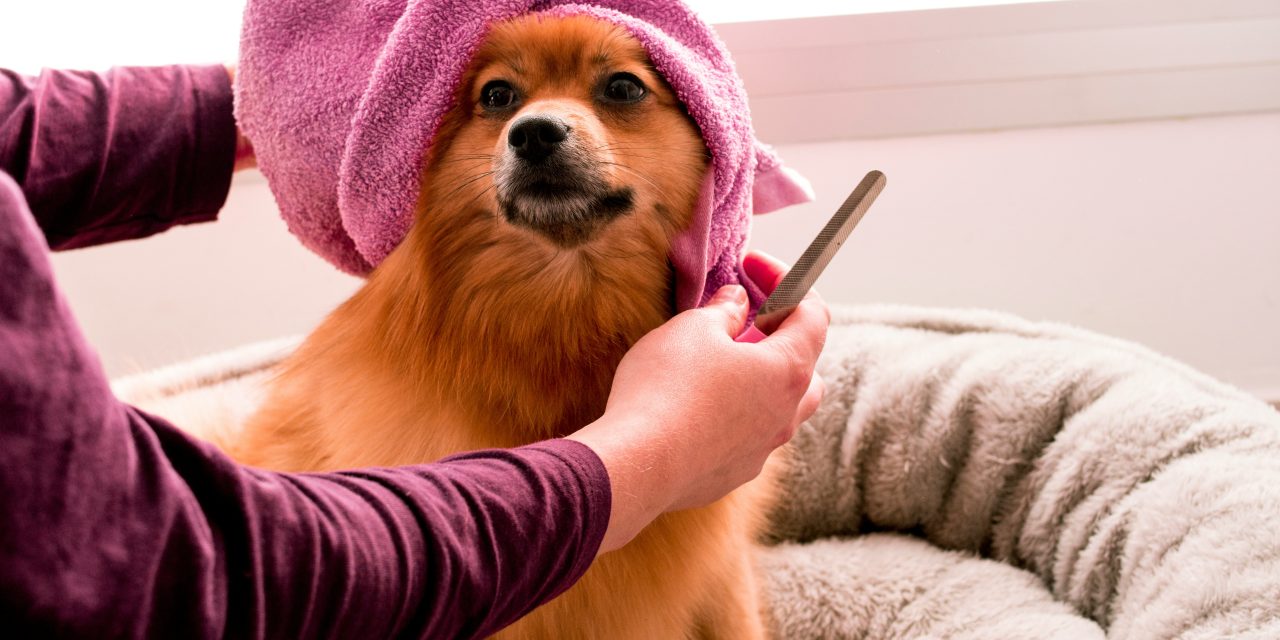
When using a dematting comb or rake, it is essential to employ proper technique to maximize effectiveness while minimizing discomfort for your dog. Begin by selecting a small section of matted fur and hold it firmly at the base to prevent pulling on the skin.
With the dematting comb, start at the outer edge of the mat and work your way inward using short strokes. This technique allows you to gradually break apart the tangles without causing pain. If you encounter particularly stubborn mats, consider using a rake first to loosen them before switching back to the comb.
Always keep an eye on your dog’s reaction during this process; if they show signs of distress, pause and offer reassurance or treats. Regular breaks can help maintain a calm atmosphere and prevent frustration for both you and your pet.
When and How to Trim Mats Safely
In some cases, trimming may be necessary when mats are too tight or close to the skin for safe removal. It is crucial to approach this step with caution to avoid injuring your dog. Use blunt-tipped scissors designed for grooming purposes to minimize the risk of accidental cuts.
Begin by carefully lifting the mat away from your dog’s skin using your fingers or a comb. This action creates space between the mat and the skin, allowing you to trim safely without causing harm. Cut small sections at a time, working slowly and methodically until you have removed the entire mat.
If you are unsure about trimming mats yourself, it may be best to consult with a professional groomer who has experience in handling such situations.
Tips to Avoid Hurting Your Dog During the Process
Ensuring your dog’s safety during mat removal is paramount. Here are several tips to help avoid causing pain or discomfort:
1. **Be Gentle**: Always use a soft touch when handling your dog’s fur.
2. **Use Proper Tools**: Invest in high-quality grooming tools designed specifically for detangling.
3. **Monitor Your Dog’s Behavior**: Pay attention to signs of distress such as whining or pulling away.
4. **Take Breaks**: Allow time for your dog to relax if they become anxious during grooming.
5. **Seek Help if Needed**: If you feel overwhelmed or unsure about removing mats, do not hesitate to consult a professional groomer.
By following these guidelines, you can create a more positive grooming experience for both you and your dog.
How to Prevent Mats from Forming Again
Preventing future matting requires consistent grooming practices tailored to your dog’s specific coat type. Regular brushing is essential; aim for at least once a week for short-haired breeds and daily for long-haired varieties. This routine helps remove loose hair and prevents tangles from forming.
Additionally, consider scheduling regular professional grooming sessions every 4-6 weeks, especially for breeds prone to matting. Bathing your dog with appropriate shampoos can also help maintain coat health by reducing excess oil buildup that contributes to tangling.
Lastly, keep an eye on environmental factors such as humidity levels; excessive moisture can exacerbate matting issues. By implementing these preventive measures, you can significantly reduce the likelihood of mats forming in your dog’s coat.
When to Seek Professional Grooming Help
While many pet owners can manage mat removal at home, there are instances when seeking professional assistance is advisable. If mats are extensive or deeply embedded in your dog’s coat, a professional groomer has the expertise and tools necessary for safe removal without causing harm.
Additionally, if your dog exhibits extreme anxiety or aggression during grooming sessions, it may be beneficial to consult with a groomer who specializes in handling anxious pets. They can provide techniques and strategies tailored specifically for your dog’s needs.
Finally, if you notice any signs of skin irritation or infection beneath the mats—such as redness, swelling, or discharge—immediate veterinary attention is warranted.
Aftercare: Soothing and Caring for Your Dog’s Skin and Coat
After successfully removing mats from your dog’s coat, it is essential to provide proper aftercare to soothe their skin and maintain coat health. Begin by gently brushing through their fur with a slicker brush to remove any remaining loose hair or debris.
Consider applying a soothing conditioner designed for dogs after bathing them; this will help hydrate their skin and coat while reducing irritation caused by mat removal. Additionally, monitor your dog’s skin closely for any signs of redness or irritation in the days following grooming.
Regularly check their coat for new tangles or mats as part of an ongoing grooming routine. By providing attentive care post-grooming, you can ensure that your dog’s coat remains healthy and free from future matting issues.
In summary, understanding dog fur mats involves recognizing their causes and associated risks while preparing adequately for removal processes. Gathering appropriate tools and calming techniques enhances safety during detangling sessions. Employing gentle methods—whether by hand or with specialized tools—ensures comfort throughout grooming efforts while preventing future mat formation through consistent care practices is vital for maintaining coat health over time.
FAQs
What tools are recommended for removing mats from dog fur?
Common tools for removing mats from dog fur include a slicker brush, a dematting comb, and scissors specifically designed for pet grooming. A detangling spray can also help ease the process by softening the fur.
Is it safe to cut mats out of my dog’s fur?
While cutting mats can be safe if done carefully, it is crucial to avoid cutting too close to the skin to prevent injury. Using blunt-tipped scissors and working slowly can help minimize the risk.
How can I prevent mats from forming in my dog’s fur?
Regular grooming, including brushing your dog’s fur at least once a week, can help prevent mats from forming. Additionally, keeping your dog’s coat clean and using a detangling spray can also reduce matting.
What should I do if my dog is uncomfortable during the dematting process?
If your dog shows signs of discomfort, it’s important to stop and assess the situation. You can try to soothe your pet with gentle petting or treats, and consider taking breaks. If the mats are severe, consulting a professional groomer may be the best option.
When should I seek professional help for mat removal?
If the mats are extensive, close to the skin, or if your dog is particularly anxious or aggressive during grooming, it’s advisable to seek professional help. Groomers have the experience and tools to safely remove mats without causing harm to your pet.