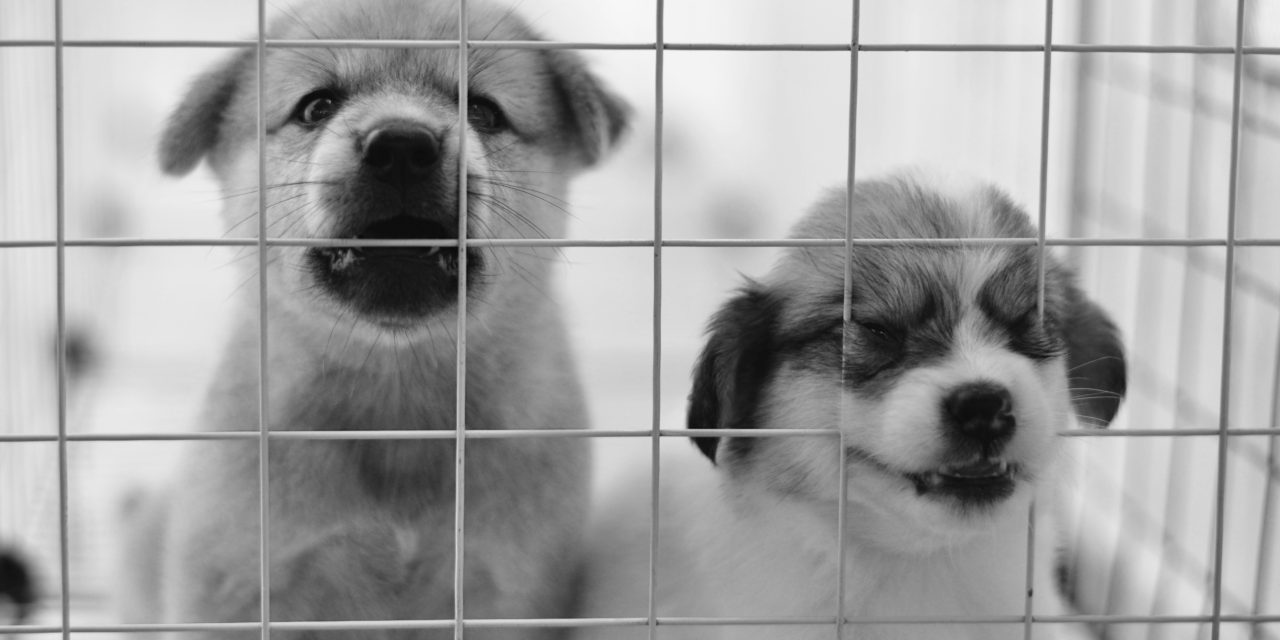
Crate training is a widely endorsed method for acclimating puppies to their new homes while simultaneously establishing a sense of security and routine. This technique leverages the natural denning instincts of dogs, providing them with a safe haven that they can call their own. One of the primary benefits of crate training is that it aids in housebreaking. Puppies instinctively avoid soiling their sleeping area, which encourages them to hold their bladder until they are let outside. This can significantly expedite the potty training process, leading to fewer accidents indoors.
Moreover, crate training can be instrumental in preventing destructive behaviors. When left unsupervised, puppies may chew on furniture, shoes, or other household items. A crate serves as a controlled environment where they can be safely confined when unsupervised. This not only protects your belongings but also keeps your puppy safe from potential hazards around the house. Additionally, crates can be beneficial during travel, providing a familiar space for your dog and reducing anxiety during car rides or stays in unfamiliar locations.
Choosing the Right Crate for Your Puppy
Selecting an appropriate crate is crucial for successful crate training. The market offers various types of crates, including wire, plastic, and soft-sided options. Wire crates are popular due to their durability and ventilation, making them suitable for both indoor and outdoor use. They often come with dividers that allow you to adjust the size as your puppy grows, ensuring that the space remains cozy without being overly spacious.
Plastic crates, on the other hand, provide a more enclosed environment that some dogs find comforting. These are particularly useful for travel, as they are often airline-approved and provide a secure space for your pet. Soft-sided crates are lightweight and portable, ideal for short trips or as temporary solutions. However, they may not be suitable for puppies prone to chewing or scratching. When choosing a crate, consider your puppy’s size, breed, and temperament to ensure you select the most appropriate option.
Introducing the Crate as a Positive Space

The initial introduction of the crate should be approached with care and positivity. It is essential to create an inviting atmosphere that encourages your puppy to explore this new space willingly. Start by placing the crate in a common area of your home where your puppy feels comfortable. Leave the door open and allow them to investigate at their own pace. You can enhance this experience by placing familiar items inside, such as a favorite blanket or toy.
To further associate the crate with positive experiences, consider feeding your puppy their meals inside the crate. This not only encourages them to enter but also reinforces the idea that the crate is a safe and enjoyable place. Gradually increase the time they spend inside with the door open before transitioning to closing it for short periods. This gradual approach helps alleviate any anxiety your puppy may feel about being confined.
Creating a Comfortable and Inviting Environment

A comfortable crate environment is vital for successful crate training. Start by lining the bottom of the crate with soft bedding or blankets to create a cozy resting area. Ensure that the bedding is washable and durable, as puppies may have accidents during the training process. Additionally, consider placing a few toys inside to keep your puppy entertained while they are in their crate.
Temperature control is another important factor to consider when setting up the crate. Ensure that it is placed in a well-ventilated area away from direct sunlight or drafts. Puppies are sensitive to temperature extremes, so maintaining a comfortable environment will help them feel secure and relaxed while inside their crate. Regularly check on your puppy during crate time to ensure they are comfortable and not exhibiting signs of distress.
Gradual Introduction to Crate Time
The process of acclimating your puppy to their crate should be gradual and patient. Start by encouraging short periods of crate time while you are at home. This allows your puppy to become accustomed to being inside without feeling isolated. Begin with just a few minutes and gradually increase the duration as they become more comfortable.
During these initial sessions, engage in activities that promote relaxation, such as gentle petting or soothing words. Avoid forcing your puppy into the crate or using it as a form of punishment, as this can create negative associations. Instead, focus on creating positive experiences that will help them view the crate as a safe retreat rather than a confinement space.
Using Treats and Toys to Encourage Crate Use
Incorporating treats and toys into crate training can significantly enhance your puppy’s willingness to enter and stay in their crate. Use high-value treats that your puppy loves to create positive reinforcement when they enter the crate voluntarily. Tossing treats inside can encourage exploration and reward them for their bravery.
Interactive toys can also serve as excellent distractions while your puppy is in their crate. Puzzle toys filled with treats can keep them engaged and mentally stimulated during their time inside. This not only makes the crate more appealing but also helps alleviate boredom and anxiety associated with confinement.
Establishing a Consistent Crate Training Schedule
Consistency is key when it comes to crate training success. Establishing a regular schedule helps your puppy understand when they will be crated and when they will have opportunities for playtime and potty breaks. Aim for a routine that aligns with your puppy’s natural rhythms, including feeding times and play sessions.
Incorporate crate time into your daily activities by designating specific periods for crating throughout the day. For example, you might choose to crate your puppy during meal preparation or while you are working from home. By maintaining a consistent schedule, you help your puppy develop a sense of predictability and security regarding their crate time.
Recognizing and Responding to Signs of Stress
As you embark on the crate training journey, it is essential to remain vigilant for signs of stress or anxiety in your puppy. Common indicators include excessive barking, whining, drooling, or attempts to escape from the crate. If you notice these behaviors, it may be necessary to reassess your approach and make adjustments accordingly.
Responding appropriately to signs of stress involves remaining calm and patient. If your puppy appears distressed, consider reducing their crate time or providing additional comfort items such as blankets or toys. Gradually reintroduce them to the crate in shorter increments until they become more comfortable with being confined.
Avoiding Common Crate Training Mistakes
Several common pitfalls can hinder successful crate training efforts. One major mistake is using the crate as a form of punishment; this creates negative associations that can lead to fear or anxiety about being confined. Instead, focus on positive reinforcement techniques that encourage voluntary entry into the crate.
Another frequent error is leaving puppies in their crates for extended periods without breaks or social interaction. Puppies require regular exercise and mental stimulation; prolonged confinement can lead to behavioral issues such as excessive barking or destructive tendencies. Ensure that you provide ample opportunities for playtime and potty breaks outside of crate sessions.
Combining Crate Training with Potty Training
Crate training can be effectively combined with potty training efforts to streamline the housebreaking process. Since puppies naturally avoid soiling their sleeping area, utilizing the crate can reinforce bladder control and encourage timely outdoor bathroom breaks. Establishing a routine that includes frequent trips outside after meals or playtime will help solidify this connection.
When introducing potty breaks, take your puppy outside immediately after releasing them from the crate. Use consistent verbal cues such as “go potty” to help them associate these words with the desired behavior. Reward them with praise or treats immediately after they eliminate outdoors to reinforce positive behavior.
When and How to Gradually Increase Crate Time
As your puppy becomes more comfortable with their crate, you can gradually increase the duration of time they spend inside. Start by extending their crate sessions by just a few minutes at a time, monitoring their behavior closely during each increment. Aim for gradual increases rather than sudden long periods of confinement.
It is essential to ensure that your puppy has had sufficient exercise before longer crate sessions; this helps reduce excess energy that could lead to restlessness or anxiety while confined. Additionally, always provide fresh water and ensure that they have access to toys or comfort items during extended periods in the crate.
In summary, crate training offers numerous benefits for both puppies and their owners when approached thoughtfully and consistently. By selecting an appropriate crate, creating a positive environment, and establishing routines that promote comfort and security, you can successfully acclimate your puppy to this essential aspect of pet ownership while minimizing stress and anxiety throughout the process.
FAQs
What is crate training and why is it important for puppies?
Crate training is the process of teaching a puppy to see their crate as a safe and comfortable space. It is important because it helps with house training, provides a secure environment when the owner is not home, and can prevent destructive behaviors. A properly crate-trained puppy learns to feel safe and relaxed in their crate, which can reduce anxiety and stress.
How can I introduce my puppy to the crate without causing stress?
To introduce your puppy to the crate without causing stress, start by placing the crate in a common area of your home. Allow your puppy to explore the crate at their own pace, using treats and toys to create positive associations. Gradually encourage them to enter the crate by feeding them meals inside it and rewarding them for going in. Avoid forcing them into the crate, as this can create fear and anxiety.
What should I do if my puppy cries or whines in the crate?
If your puppy cries or whines in the crate, it’s important to assess the situation. Ensure they have had enough exercise, bathroom breaks, and are not hungry or uncomfortable. If they are simply seeking attention, wait for a moment of silence before letting them out to avoid reinforcing the behavior. Gradually increase the time they spend in the crate to help them adjust and feel more secure.
How long can I leave my puppy in the crate?
The amount of time a puppy can be left in a crate varies by age. Generally, puppies can hold their bladder for about one hour for every month of age, up to a maximum of about 4-5 hours for older puppies. It’s important to provide regular breaks for bathroom needs, exercise, and social interaction to prevent stress and anxiety.
What are some signs that my puppy is stressed during crate training?
Signs that your puppy may be stressed during crate training include excessive barking or whining, attempts to escape the crate, drooling, panting, or showing signs of aggression. Additionally, if your puppy is reluctant to enter the crate or displays fearful body language, such as cowering or tail tucking, these may indicate stress. It’s essential to address these signs promptly and adjust your training approach to ensure a positive experience.