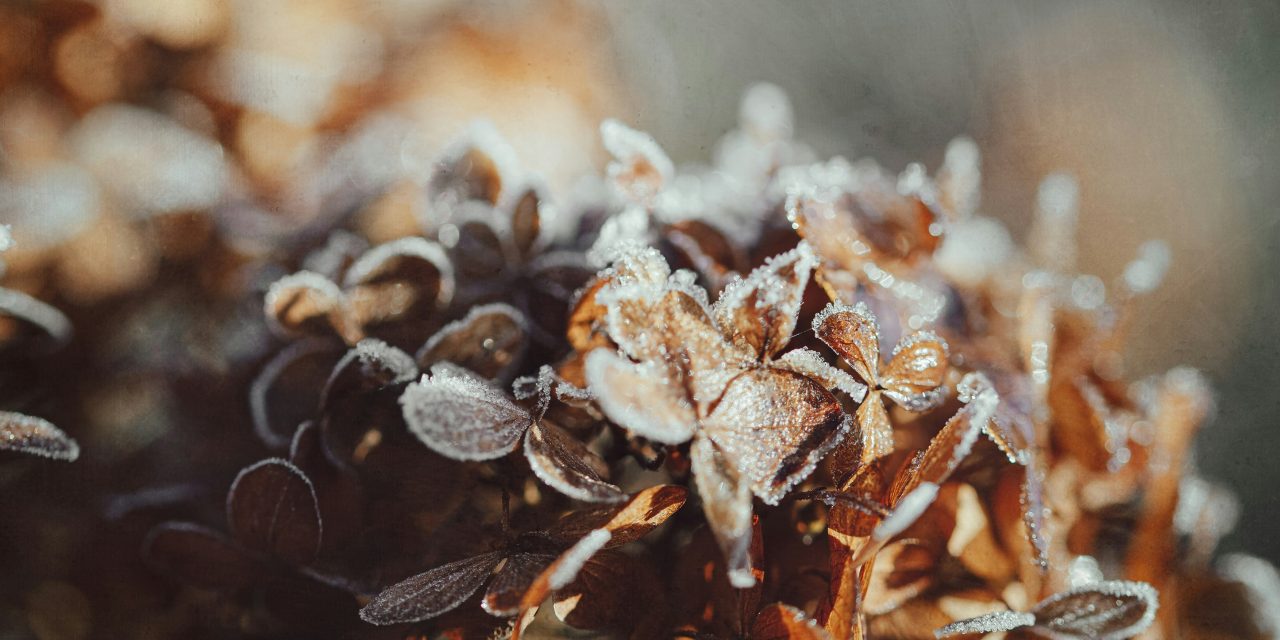
Winterizing hydrangeas is a crucial aspect of horticultural care that ensures these beautiful flowering shrubs survive the harsh conditions of colder months. As deciduous plants, hydrangeas lose their leaves in winter, making them particularly vulnerable to frost damage and desiccation. Proper winterization not only protects the plant’s structural integrity but also promotes robust growth in the following spring. Neglecting this essential process can lead to stunted growth, reduced flowering, or even plant death.
The significance of winterizing extends beyond mere survival; it also enhances the overall health of the hydrangea. By preparing these plants for winter, gardeners can mitigate stress factors that may compromise their vitality. This proactive approach fosters resilience against pests and diseases, ensuring that hydrangeas emerge from dormancy ready to flourish. Understanding the importance of this seasonal care is the first step toward cultivating a thriving garden.
Identifying Your Hydrangea Type for Proper Care
Before embarking on the winterization process, it is imperative to identify the specific type of hydrangea in your garden. There are several species, including Hydrangea macrophylla (bigleaf), Hydrangea paniculata (panicle), and Hydrangea arborescens (smooth), each with unique characteristics and care requirements. For instance, bigleaf hydrangeas bloom on old wood, meaning they require different pruning techniques compared to panicle hydrangeas, which bloom on new wood.
Understanding the type of hydrangea you have will inform your winterization strategy. For example, bigleaf varieties may need more protection due to their sensitivity to cold temperatures, while panicle types are generally more resilient. Additionally, knowing your hydrangea’s hardiness zone can guide you in selecting appropriate winter protection methods. This knowledge is essential for tailoring care practices that align with the specific needs of your plants.
Pruning Techniques to Prepare Hydrangeas for Winter

Pruning is a vital step in preparing hydrangeas for winter, as it helps to remove dead or damaged wood and encourages healthy growth in the spring. The timing and technique of pruning vary depending on the hydrangea type. For bigleaf varieties, it is advisable to prune immediately after flowering to avoid cutting off next year’s blooms. In contrast, panicle and smooth hydrangeas can be pruned in late winter or early spring before new growth begins.
When pruning, utilize sharp, clean tools to make precise cuts at a 45-degree angle just above a bud. This technique promotes healing and minimizes the risk of disease. Additionally, removing any spent flowers and thinning out crowded branches can improve air circulation and reduce the likelihood of fungal infections during winter months. Proper pruning not only prepares hydrangeas for winter but also sets the stage for vibrant blooms in the upcoming growing season.
Choosing the Right Time to Start Winter Protection

Timing is critical when it comes to implementing winter protection measures for hydrangeas. Generally, it is advisable to begin preparations in late fall, before the first hard frost occurs. This timing allows plants to acclimate to cooler temperatures while still retaining some moisture in their tissues. Observing local weather patterns and frost dates can help determine the optimal time for initiating winterization efforts.
In regions with milder winters, some gardeners may choose to delay protective measures until temperatures consistently drop below freezing. However, in areas prone to sudden temperature fluctuations, early preparation is essential to safeguard against unexpected cold snaps. By monitoring environmental conditions and understanding your specific climate zone, you can effectively time your winter protection strategies for maximum efficacy.
Applying Mulch to Insulate Roots and Retain Moisture
Mulching is an effective method for insulating hydrangea roots and retaining soil moisture during winter months. A layer of organic mulch, such as shredded bark or wood chips, should be applied around the base of the plant, extending outwards to cover the root zone. This layer acts as a thermal barrier, protecting roots from extreme temperature fluctuations while also preventing soil erosion.
In addition to insulation, mulch helps retain moisture in the soil by reducing evaporation rates. This is particularly important during winter when dry winds can lead to desiccation of plant tissues. A thickness of 2-4 inches is generally recommended for optimal effectiveness. However, care should be taken not to pile mulch directly against the plant’s stem, as this can create a conducive environment for rot and pests.
Wrapping Hydrangeas: Materials and Methods
Wrapping hydrangeas is another effective strategy for providing additional protection against harsh winter conditions. Various materials can be used for wrapping, including burlap, frost cloths, or specialized plant covers designed for winter protection. When wrapping hydrangeas, it is essential to ensure that the material allows for some air circulation while still providing adequate insulation.
To wrap a hydrangea, start by loosely encasing the plant with your chosen material, securing it with twine or garden ties. Avoid tightly binding the wrapping material, as this can trap moisture and promote fungal growth. Additionally, consider adding a layer of straw or leaves inside the wrapping for extra insulation. This method not only protects against cold temperatures but also shields plants from wind damage and heavy snowfall.
Protecting Hydrangeas from Harsh Winds and Frost
Wind exposure can exacerbate winter stress on hydrangeas by increasing moisture loss and causing physical damage to branches. To mitigate these risks, consider positioning windbreaks around your plants. Natural barriers such as evergreen shrubs or fences can provide effective protection against harsh winds while enhancing the aesthetic appeal of your garden.
In addition to windbreaks, utilizing frost cloths or blankets during particularly cold nights can help shield hydrangeas from frost damage. These lightweight materials trap heat radiating from the ground while allowing moisture to escape, reducing the risk of condensation buildup that could lead to rot. Regularly monitoring weather forecasts will enable you to implement these protective measures proactively.
Watering Practices Before Winter Sets In
Proper watering practices leading up to winter are crucial for ensuring that hydrangeas enter dormancy in a healthy state. As temperatures drop, many gardeners mistakenly reduce watering frequency; however, maintaining adequate soil moisture is essential during this transition period. Hydrangeas should be watered thoroughly until the ground freezes, ensuring that roots are well-hydrated before winter dormancy sets in.
It is important to avoid overwatering during this time, as saturated soil can lead to root rot and other complications. A good rule of thumb is to check soil moisture levels regularly by inserting a finger into the soil up to two inches deep; if it feels dry at this depth, it’s time to water again. By striking a balance between hydration and drainage, you can help your hydrangeas withstand winter conditions more effectively.
Using Anti-Desiccant Sprays to Prevent Winter Damage
Anti-desiccant sprays are specialized products designed to reduce moisture loss from plant tissues during winter months. These sprays form a protective film over leaves and stems, minimizing transpiration and helping plants retain essential moisture. Applying an anti-desiccant spray before winter sets in can significantly reduce the risk of desiccation-related damage.
When selecting an anti-desiccant product, look for those specifically formulated for use on ornamental plants like hydrangeas. Follow manufacturer instructions carefully regarding application rates and timing; typically, these sprays should be applied on a calm day when temperatures are above freezing for optimal adhesion and effectiveness. Regular reapplication may be necessary throughout the winter season depending on weather conditions.
Monitoring and Maintaining Winter Protection Throughout the Season
Once winter protection measures are in place, ongoing monitoring is essential to ensure their effectiveness throughout the season. Regularly check wrapped plants for signs of moisture buildup or pest infestations that could compromise their health. Additionally, inspect mulch layers periodically to ensure they remain intact and provide adequate insulation.
If heavy snowfall occurs, gently brush off excess snow from wrapped plants to prevent breakage or collapse under weight. Conversely, if temperatures rise unexpectedly during winter thaws, consider temporarily removing wraps or coverings during warmer days to allow for air circulation before reapplying them at night when temperatures drop again.
Preparing Hydrangeas for Spring Growth After Winter
As winter comes to an end and temperatures begin to rise, it’s time to prepare hydrangeas for their spring awakening. Begin by carefully removing any protective coverings used during winter months; ensure that this is done gradually to avoid shocking the plants with sudden exposure to sunlight and warmth.
Once uncovered, assess each plant’s condition and prune away any dead or damaged wood that may have occurred during winter dormancy. Fertilizing with a balanced slow-release fertilizer can also promote healthy growth as plants emerge from dormancy. Regular watering will be crucial as new growth begins; maintaining consistent moisture levels will support robust flowering and overall vitality throughout the growing season.
In summary, understanding how to properly winterize hydrangeas is essential for ensuring their survival through harsh conditions while promoting healthy growth in springtime. By identifying your specific hydrangea type and employing appropriate pruning techniques, timing your protective measures effectively, applying mulch for insulation, wrapping plants securely yet gently against wind and frost damage, maintaining proper watering practices before winter sets in, utilizing anti-desiccant sprays when necessary, monitoring throughout the season diligently—gardeners can cultivate resilient hydrangeas that thrive year after year.
FAQs
What is the best time to winterize hydrangeas?
The best time to winterize hydrangeas is in late fall, after the first frost but before the ground freezes. This timing allows the plants to prepare for dormancy while still protecting them from harsh winter conditions.
How should I prune my hydrangeas before winter?
Pruning hydrangeas before winter depends on the type of hydrangea. For those that bloom on old wood, such as Hydrangea macrophylla, it’s best to prune them after they bloom in the summer. For those that bloom on new wood, like Hydrangea paniculata, you can prune them in late winter or early spring.
What materials are recommended for mulching hydrangeas in winter?
Organic materials such as shredded leaves, straw, or wood chips are recommended for mulching hydrangeas in winter. A layer of 2-4 inches of mulch helps insulate the roots and retain moisture while preventing frost heaving.
Should I water my hydrangeas before winterizing them?
Yes, it is important to water your hydrangeas thoroughly before winterizing them. This ensures that the plants are hydrated going into the winter months, which can help them withstand cold temperatures and prevent dehydration.
Can I cover my hydrangeas with burlap for winter protection?
Yes, covering hydrangeas with burlap can provide additional protection from harsh winter winds and extreme cold. However, it is essential to ensure that the plants are not completely sealed, as they still need some air circulation to prevent mold and rot.