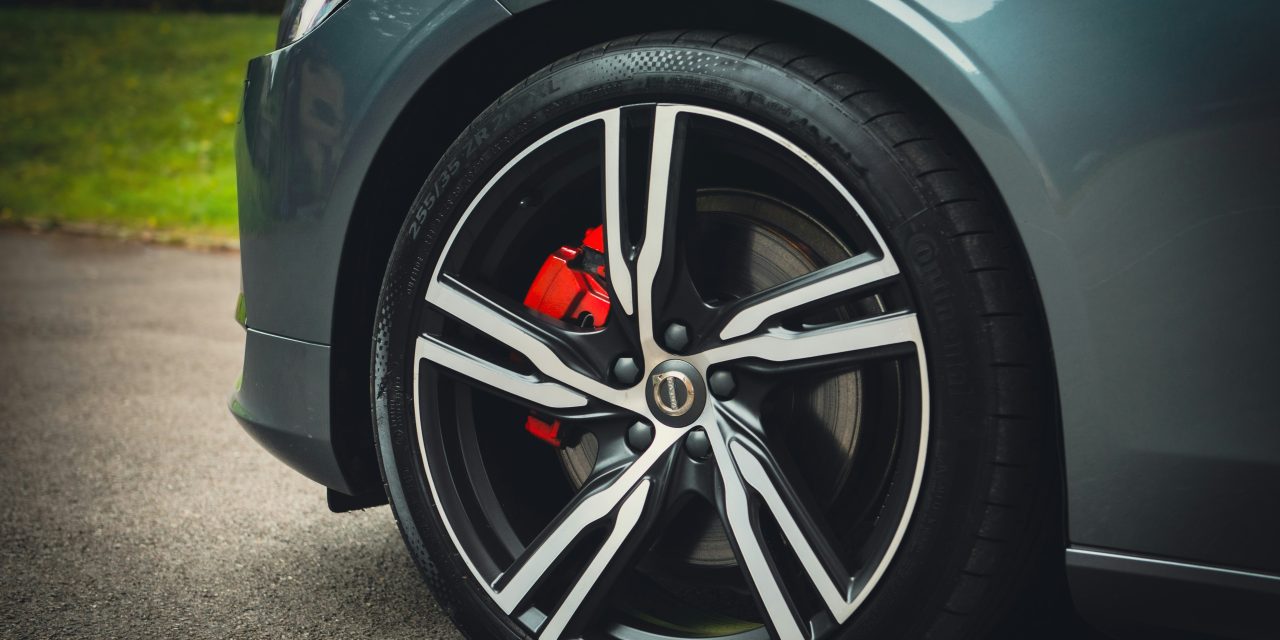
The auditory experience of a clicking noise emanating from your vehicle’s braking system can be alarming. This sound often serves as an early warning signal, indicating potential issues that could compromise both safety and performance. Understanding the mechanics behind this noise is crucial for vehicle owners. The braking system is a complex assembly of components designed to work in harmony, and any disruption can lead to audible alerts.
When brakes are engaged, various parts interact, including brake pads, rotors, calipers, and hardware. A clicking noise may arise from friction, misalignment, or wear and tear. Ignoring these sounds can lead to more severe complications, including brake failure or accidents. Therefore, recognizing the significance of these noises is essential for maintaining vehicle integrity and ensuring driver safety.
If you’ve ever wondered why your brakes make a clicking noise, you might find it helpful to explore related topics that discuss vehicle maintenance and care. For instance, understanding how to properly care for your car can prevent various issues, including brake problems. A great resource on this topic can be found in this article about pet care, which emphasizes the importance of regular check-ups and maintenance, much like how your vehicle requires attention to ensure it runs smoothly. You can read more about it here: Top 10 Dog Sitting Services for Your Furry Friends’ Care.
Worn Brake Pads: The Most Common Culprit
Worn brake pads are frequently the primary source of clicking noises in braking systems. Brake pads are designed to create friction against the rotors to slow down or stop the vehicle. Over time, the material of the pads degrades due to constant friction and heat exposure. When the pads wear down excessively, they may produce a clicking or grinding sound as they make contact with the rotor.
The symptoms of worn brake pads extend beyond mere noise; they can also include reduced braking efficiency and increased stopping distances. Regular inspections are vital to identify wear patterns early. Most manufacturers recommend replacing brake pads every 30,000 to 70,000 miles, depending on driving habits and conditions. If you notice a clicking sound, it is prudent to inspect the brake pads immediately to prevent further damage.
Loose or Damaged Brake Hardware

Another potential cause of clicking noises in brakes is loose or damaged hardware. The braking system comprises various components held together by bolts, clips, and brackets. Over time, these fasteners can loosen due to vibrations and thermal expansion during braking cycles. When hardware becomes loose, it can create a rattling or clicking sound as components shift during operation.
In addition to loose hardware, damaged components such as retaining clips or brackets can also contribute to noise. These parts are essential for maintaining proper alignment and function within the braking system. Regular maintenance checks should include an inspection of all hardware components to ensure they are secure and intact. Addressing loose or damaged hardware promptly can prevent more significant issues down the line.
Issues with the Brake Caliper

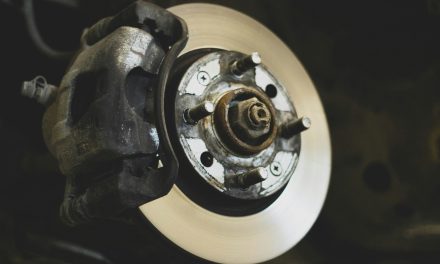
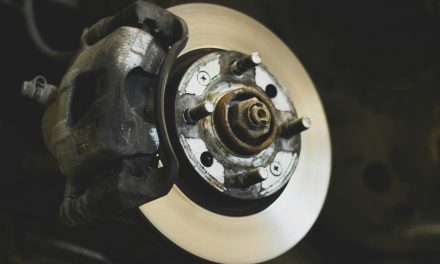
The brake caliper plays a pivotal role in the braking process by housing the brake pads and applying pressure to them against the rotor when the brakes are engaged. If there are issues with the caliper—such as misalignment, damage, or malfunction—it can lead to abnormal noises, including clicking sounds. A caliper that is not functioning correctly may not apply even pressure on the brake pads, resulting in uneven wear and noise.
Caliper problems can also manifest as fluid leaks, which may compromise braking efficiency. Regular inspection of calipers is essential for identifying signs of wear or damage early on. If a caliper is found to be faulty, it should be replaced immediately to ensure optimal braking performance and safety.
If you’ve ever wondered why your brakes make a clicking noise, you might find it helpful to explore related topics that delve into vehicle maintenance. For instance, understanding the importance of proper tire care can significantly enhance your driving experience and safety. You can read more about this in the article on how to make crispy air fryer French fries from fresh potatoes, which, while seemingly unrelated, emphasizes the importance of attention to detail in both cooking and car maintenance. Check out the article here for some interesting insights.
Problems with the Wheel Bearings
Wheel bearings are critical components that allow for smooth rotation of the wheels while supporting the vehicle’s weight. If wheel bearings become worn or damaged, they can produce a clicking or grinding noise that may be mistaken for brake issues. The sound typically intensifies during turns or when applying brakes, making it essential to differentiate between brake-related noises and those originating from wheel bearings.
Diagnosing wheel bearing problems requires careful inspection and often necessitates lifting the vehicle for a thorough examination. If wheel bearings are found to be faulty, they should be replaced promptly to avoid further complications such as wheel misalignment or complete bearing failure.
If you’ve ever wondered why your brakes make a clicking noise, you might find it helpful to explore related topics that address maintenance and care for various components of your vehicle. For instance, understanding how to clean your car’s interior, including items like pet toys that can accumulate dirt and grime, can contribute to a more pleasant driving experience. You can read more about this in the article on how to clean pet toys without using harsh chemicals. This knowledge can help you maintain a clean environment in your vehicle, which is essential for both safety and comfort. For more details, check out the article here.
Foreign Objects Stuck in the Brake Components
Foreign objects lodged within the braking system can also lead to clicking noises. Debris such as small stones, dirt, or metal fragments can become trapped between brake pads and rotors or within other components of the braking system. This interference can create a clicking sound as the vehicle moves and brakes are applied.
To address this issue, it is crucial to conduct regular inspections of the braking system, especially after driving in adverse conditions such as off-road environments or construction zones where debris is prevalent. Removing foreign objects promptly can prevent further damage to brake components and ensure optimal performance.
Brake Rotor Damage or Warping
Brake rotors are essential for effective braking performance; they provide a surface for brake pads to grip when slowing down or stopping. Over time, rotors can become warped due to excessive heat generated during braking or uneven wear patterns. Warped rotors may produce a clicking or pulsating noise when brakes are applied.
In addition to noise, warped rotors can lead to vibrations felt through the steering wheel or brake pedal during braking maneuvers. Regular inspections of rotors are necessary to identify signs of warping or damage early on. If rotors are found to be warped beyond acceptable limits, they should be resurfaced or replaced to restore proper function.
How to Diagnose the Source of the Clicking Noise
Diagnosing the source of a clicking noise in your brakes requires a systematic approach. Begin by conducting a visual inspection of all visible components within the braking system. Look for signs of wear on brake pads, damage to calipers, loose hardware, or foreign objects lodged within the system.
Next, perform a test drive under controlled conditions to replicate the noise while paying attention to when it occurs—whether during acceleration, deceleration, or turning. This information can help narrow down potential causes. If necessary, consult with a qualified mechanic who can perform a more thorough examination using specialized tools and techniques.
Step-by-Step Guide to Fixing Worn Brake Pads
Fixing worn brake pads involves several steps:
1. **Gather Tools**: Ensure you have all necessary tools including a jack, jack stands, lug wrench, socket set, and new brake pads.
2. **Lift Vehicle**: Use a jack to lift the vehicle and secure it with jack stands for safety.
3. **Remove Wheel**: Take off the wheel using a lug wrench.
4. **Inspect Brake Components**: Examine brake pads for wear and check rotors for damage.
5. **Remove Old Pads**: Unbolt and remove old brake pads from the caliper bracket.
6. **Install New Pads**: Place new brake pads into position within the caliper bracket.
7. **Reassemble**: Reattach any removed components and ensure everything is secure.
8. **Test Brakes**: Before driving, pump the brake pedal several times to seat the new pads against the rotor.
Following these steps will help ensure that your braking system functions effectively and safely.
When to Replace Brake Hardware and Calipers
Brake hardware should be replaced whenever you change your brake pads or if you notice any signs of wear such as rusting or bending. Calipers should be inspected regularly for leaks or damage; if any issues are detected, replacement is necessary immediately.
Signs that indicate calipers need replacement include uneven pad wear, fluid leaks around the caliper area, or difficulty in applying brakes smoothly. Regular maintenance checks will help identify these issues early on.
Preventative Maintenance Tips to Avoid Future Clicking Noises
Preventative maintenance is key in avoiding future clicking noises from your brakes:
1. **Regular Inspections**: Schedule routine inspections of your braking system every 6 months or 6,000 miles.
2. **Quality Parts**: Use high-quality brake pads and components that meet manufacturer specifications.
3. **Driving Habits**: Avoid aggressive driving behaviors that can lead to premature wear on brake components.
4. **Cleanliness**: Keep your brakes clean from debris by washing your vehicle regularly.
5. **Fluid Checks**: Regularly check brake fluid levels and replace fluid according to manufacturer recommendations.
By adhering to these preventative measures, you can significantly reduce the likelihood of encountering clicking noises in your braking system.
In summary, understanding the causes behind clicking noises in brakes is essential for maintaining vehicle safety and performance. Worn brake pads, loose hardware, caliper issues, wheel bearing problems, foreign objects, rotor damage, and proper diagnosis play crucial roles in addressing these concerns effectively. Regular maintenance checks and timely replacements will ensure optimal functionality while enhancing overall driving safety.
FAQs
What causes brakes to make a clicking noise?
Brakes can make a clicking noise due to several reasons, including loose or worn brake components, debris caught between the brake pads and rotor, or issues with the brake caliper. Additionally, if the brake pads are not properly installed or if there is a problem with the brake hardware, it can lead to clicking sounds when the brakes are applied.
Is a clicking noise from brakes dangerous?
A clicking noise from brakes can indicate a potential issue that may compromise braking performance. While it may not always be immediately dangerous, it is essential to have the brakes inspected by a professional to determine the cause and ensure that the braking system is functioning correctly.
Can worn brake pads cause a clicking noise?
Yes, worn brake pads can cause a clicking noise. As brake pads wear down, they may not fit securely in the caliper, leading to movement and resulting in a clicking sound when the brakes are applied. It’s important to replace worn brake pads promptly to maintain safe braking performance.
How can I diagnose the source of the clicking noise?
To diagnose the source of the clicking noise, you can visually inspect the brake components for any signs of wear or damage. Additionally, you can check for loose parts, debris, or misalignment. If you’re unsure, it’s best to consult a qualified mechanic who can perform a thorough inspection and identify the issue.
What should I do if my brakes are making a clicking noise?
If your brakes are making a clicking noise, you should have them inspected as soon as possible. Continuing to drive with a potential brake issue can lead to more severe problems and compromise your safety. A professional mechanic can assess the situation and recommend necessary repairs or replacements.