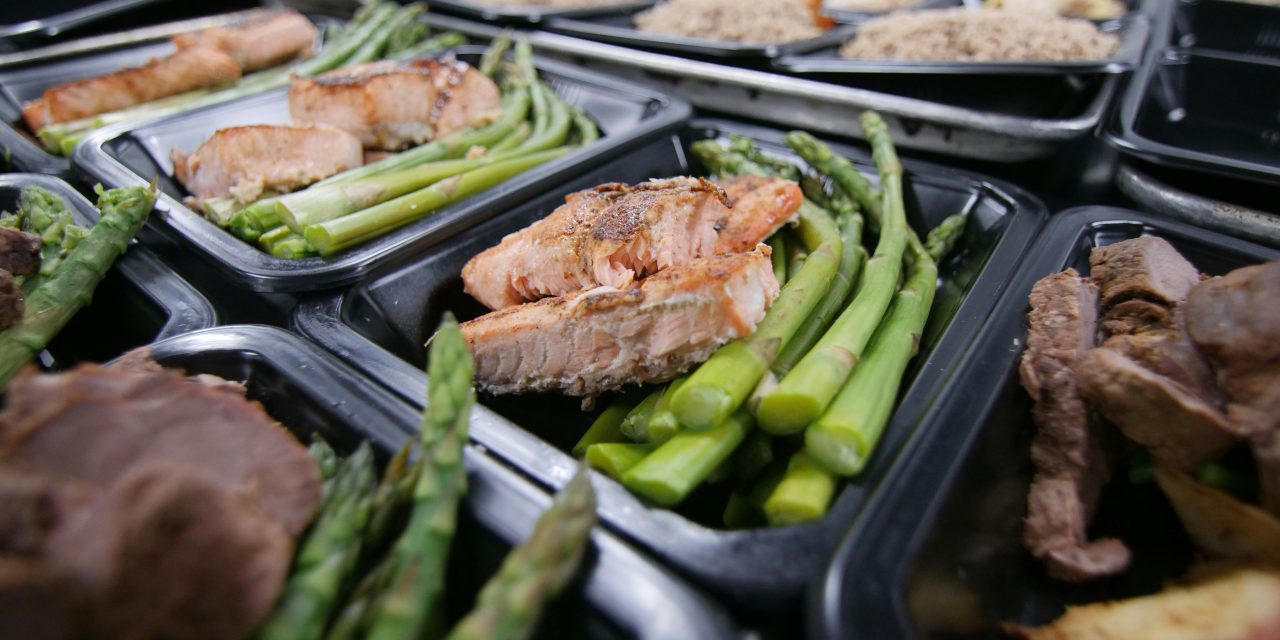
Freezer burn is a common phenomenon that occurs when food is improperly stored in a freezer, leading to dehydration and oxidation. This condition manifests as dry, discolored patches on the surface of frozen food, often resulting in an unappetizing appearance and compromised texture. The primary cause of freezer burn is exposure to air, which allows moisture to escape from the food. When water molecules evaporate, they leave behind ice crystals that can alter the food’s quality.
The process of freezer burn can be exacerbated by fluctuations in temperature, which may occur if the freezer door is frequently opened or if the appliance is overloaded. Foods that are particularly susceptible to freezer burn include meats, fruits, and vegetables, especially those with high water content. Understanding the mechanisms behind freezer burn is crucial for anyone looking to preserve the quality of their frozen meals and minimize waste.
To ensure your meal prep meals remain fresh and flavorful, it’s essential to take steps to prevent freezer burn. One effective method is to use airtight containers or vacuum-sealed bags, which can significantly reduce exposure to air. For more tips on planning enjoyable activities with your furry friend while you prepare your meals, check out this related article on fun ideas for a perfect doggie day out: 10 Fun Ideas for the Perfect Doggie Day Out with Your Furry Friend.
Choose High-Quality Packaging Materials
Selecting appropriate packaging materials is essential for preventing freezer burn. High-quality materials act as barriers against air and moisture, significantly reducing the risk of spoilage. Options such as heavy-duty aluminum foil, freezer-safe plastic wrap, and specialized freezer bags are designed to withstand low temperatures while maintaining their integrity. These materials not only protect food from freezer burn but also help retain flavor and nutritional value.
When choosing packaging, consider the thickness and durability of the material. Thicker bags or wraps provide better insulation against air exposure. Additionally, avoid using regular plastic bags or containers that are not specifically labeled for freezer use, as they may not provide adequate protection against moisture loss. Investing in high-quality packaging materials can lead to longer-lasting frozen meals and a more enjoyable culinary experience.
Use Airtight Containers or Vacuum Seal Bags

Utilizing airtight containers or vacuum seal bags is a highly effective strategy for preventing freezer burn. Airtight containers create a sealed environment that minimizes air exposure, while vacuum seal bags remove air entirely from the packaging. Both options significantly reduce the likelihood of moisture loss and oxidation, preserving the food’s quality over time.
Vacuum sealing is particularly advantageous for long-term storage, as it can extend the shelf life of frozen foods by several months compared to traditional methods. This technique involves using a vacuum sealer to remove air from the bag before sealing it tightly. For those who prefer containers, glass or BPA-free plastic options with secure lids can also provide excellent protection against freezer burn. By choosing the right storage method, individuals can ensure their meals remain fresh and flavorful.
Remove as Much Air as Possible Before Sealing

Air exposure is one of the primary culprits behind freezer burn, making it imperative to remove as much air as possible before sealing food for freezing. When air is trapped within packaging, it can lead to moisture evaporation and oxidation, resulting in undesirable changes in texture and flavor. To mitigate this risk, employ techniques such as pressing out excess air from bags or using a vacuum sealer.
For those using zip-top bags, gently press down on the bag while sealing to expel air before closing it completely. Alternatively, submerging the bag in water (a method known as the water displacement technique) can help push out air without compromising the seal. By effectively minimizing air exposure, individuals can significantly enhance the longevity and quality of their frozen meals.
When meal prepping, one common concern is preventing freezer burn, which can ruin the taste and texture of your carefully prepared dishes. To ensure your meals stay fresh, it’s essential to use airtight containers and proper wrapping techniques. For more tips on maintaining your meal quality, you might find this article on how to tell if your dog’s nails are too long quite interesting, as it also emphasizes the importance of proper care and attention in various aspects of life.
Portion Meals into Smaller, Meal-Sized Servings
Portioning meals into smaller, meal-sized servings is a practical approach to freezing that not only prevents freezer burn but also promotes convenience during meal preparation. By dividing larger batches into individual portions, individuals can thaw only what they need without exposing the entire batch to temperature fluctuations that can lead to spoilage.
This method also allows for greater flexibility in meal planning and reduces waste by ensuring that leftovers are consumed promptly. When portioning meals, consider using containers or bags that are appropriately sized for single servings. This practice not only simplifies meal preparation but also enhances overall food safety by minimizing the risk of cross-contamination.
Cool Meals Completely Before Freezing
Before placing cooked meals in the freezer, it is crucial to allow them to cool completely. Placing hot or warm food directly into the freezer can raise the internal temperature of the appliance, potentially compromising the safety of other stored items. Additionally, cooling meals before freezing helps prevent condensation from forming inside the packaging, which can contribute to freezer burn.
To expedite cooling, consider dividing large batches into smaller containers or spreading food out on a baking sheet before transferring it to the refrigerator. Once cooled to room temperature, meals can be safely transferred to the freezer for long-term storage. This simple step not only preserves food quality but also ensures optimal safety during freezing.
Label and Date Your Meal Prep Containers
Proper labeling and dating of meal prep containers is an essential practice for maintaining organization and ensuring food safety in the freezer. By clearly marking each container with its contents and the date it was prepared, individuals can easily track how long items have been stored and prioritize consumption based on freshness.
Using waterproof markers or labels designed for freezer use can help prevent smudging or fading over time. This practice not only aids in meal planning but also minimizes the risk of consuming spoiled food. Establishing a routine for labeling and dating containers can streamline meal prep efforts and enhance overall efficiency in managing frozen foods.
Freeze Meals Quickly to Preserve Freshness
Rapid freezing is a critical factor in preserving the quality of frozen meals. When food freezes quickly, ice crystals form more uniformly within the product, minimizing cellular damage and maintaining texture upon thawing. Conversely, slow freezing can lead to larger ice crystals that compromise food quality.
To achieve quick freezing, spread items out in a single layer on a baking sheet before transferring them to the freezer. This method allows for even airflow around each item, facilitating faster freezing times. Once frozen solid, items can be transferred to their final storage containers without fear of clumping or sticking together.
Avoid Overloading the Freezer for Proper Air Circulation
Maintaining proper air circulation within the freezer is vital for ensuring consistent temperatures and preventing freezer burn. Overloading the appliance can obstruct airflow, leading to uneven freezing and potential spoilage of stored items. To optimize performance, avoid cramming too many items into the freezer at once.
Instead, organize items strategically by leaving space between containers or bags to allow cold air to circulate freely. Regularly assess inventory levels and remove any expired or unwanted items to maintain optimal storage conditions. By prioritizing airflow within the freezer, individuals can enhance food preservation efforts and reduce waste.
Store Meals at a Consistent Freezer Temperature
Consistency in freezer temperature is paramount for preventing freezer burn and maintaining food quality over time. The ideal temperature for a home freezer is 0°F (-18°C) or lower; this ensures that food remains frozen solid and minimizes the risk of spoilage due to temperature fluctuations.
To monitor temperature effectively, consider investing in a reliable thermometer specifically designed for freezers. Regularly check that your appliance maintains this optimal temperature range and address any issues promptly if fluctuations occur. By ensuring a stable environment within the freezer, individuals can safeguard their frozen meals against deterioration.
Rotate and Use Older Meals First to Maintain Quality
Implementing a rotation system for frozen meals is an effective strategy for maintaining quality and minimizing waste over time. By adopting a “first in, first out” (FIFO) approach, individuals can ensure that older meals are consumed before newer ones are added to storage.
This practice not only helps prevent freezer burn but also promotes food safety by reducing the risk of consuming expired items. Regularly reviewing inventory levels and organizing meals based on their preparation dates can streamline this process and enhance overall efficiency in meal planning.
In conclusion, understanding how to prevent freezer burn is essential for anyone looking to maximize their meal prep efforts while minimizing waste. By employing high-quality packaging materials, utilizing airtight containers or vacuum seal bags, removing excess air before sealing, portioning meals appropriately, cooling foods completely before freezing, labeling containers accurately, freezing quickly, avoiding overloading freezers, maintaining consistent temperatures, and rotating older meals first, individuals can significantly enhance their frozen food experience.
FAQ Section:
1. What causes freezer burn?
Freezer burn occurs when food is exposed to air in the freezer, leading to moisture loss and oxidation.
2. Can I eat food with freezer burn?
While food with freezer burn is safe to eat, its texture and flavor may be compromised.
3. How long can I store food in the freezer?
Most foods can be stored in the freezer for several months; however, quality may decline over time.
4. What types of foods are most susceptible to freezer burn?
Meats, fruits, vegetables, and foods with high water content are particularly vulnerable.
5. How do I know if my food has freezer burn?
Signs include dry patches or discoloration on the surface of frozen items.
6. Can I prevent freezer burn with regular plastic wrap?
Regular plastic wrap may not provide adequate protection; opt for materials specifically designed for freezing.
7. Is vacuum sealing worth it?
Yes! Vacuum sealing significantly extends shelf life by removing air from packaging.
8. How do I properly cool food before freezing?
Allow cooked meals to cool at room temperature before transferring them to the refrigerator until fully cooled.
9. What temperature should my freezer be set at?
The ideal temperature for a home freezer is 0°F (-18°C) or lower.
10. How often should I check my freezer’s temperature?
Regularly check your freezer’s temperature at least once a month to ensure optimal conditions.
In summary, preventing freezer burn involves understanding its causes and implementing effective strategies such as using high-quality packaging materials, removing excess air from containers, portioning meals appropriately, cooling foods completely before freezing, labeling accurately, freezing quickly, avoiding overloading freezers, maintaining consistent temperatures, and rotating older meals first. By following these guidelines diligently, individuals can enjoy fresher-tasting meals while minimizing waste over time.
FAQs
What is freezer burn and how does it occur?
Freezer burn is a condition that occurs when food is improperly stored in the freezer, leading to dehydration and oxidation. It happens when air comes into contact with the surface of the food, causing moisture to evaporate and resulting in dry, discolored patches on the food. This can affect the texture and flavor of the meal prep meals.
How can I properly wrap my meal prep meals to prevent freezer burn?
To prevent freezer burn, wrap your meal prep meals tightly in plastic wrap or aluminum foil, ensuring there is minimal air exposure. Alternatively, use vacuum-sealed bags, which remove air and create a tight seal around the food. For added protection, consider placing wrapped meals in airtight containers or freezer-safe bags.
What types of containers are best for storing meal prep meals in the freezer?
The best containers for storing meal prep meals in the freezer are airtight, freezer-safe containers made of glass or BPA-free plastic. Look for containers specifically labeled for freezer use, as they are designed to withstand low temperatures without cracking or breaking.
How long can I store meal prep meals in the freezer without risking freezer burn?
Meal prep meals can typically be stored in the freezer for 3 to 6 months without significant risk of freezer burn, provided they are properly wrapped and stored. However, for optimal taste and texture, it’s best to consume them within the first 1 to 3 months.
Are there any specific foods that are more prone to freezer burn?
Foods that are more prone to freezer burn include those with high moisture content, such as fruits and vegetables, as well as items that are not properly sealed. Additionally, fatty foods like meats can also develop freezer burn if not stored correctly, as the fat can oxidize and lead to off-flavors.