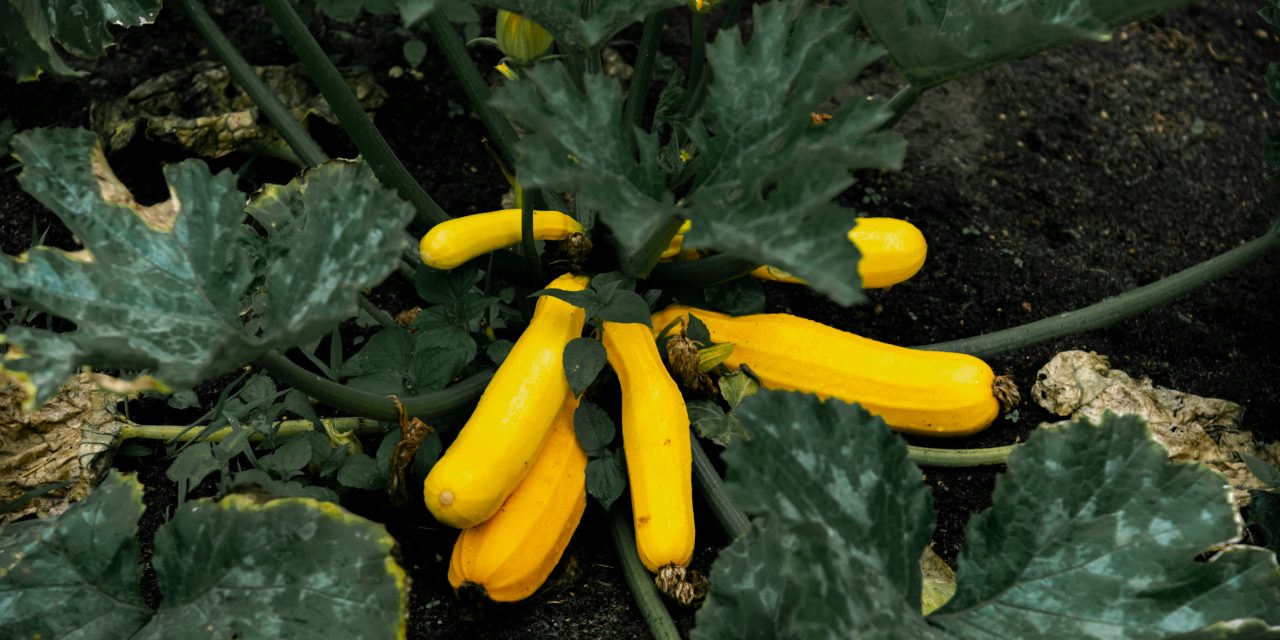
Selecting the freshest zucchini and yellow squash is paramount for achieving optimal flavor and texture in your culinary creations. When shopping for these vegetables, look for specimens that are firm to the touch, with smooth, unblemished skin. The ideal zucchini should be about 6 to 8 inches long, while yellow squash can vary in size but should also be relatively small and slender. Avoid any produce that exhibits signs of wilting, soft spots, or discoloration, as these are indicators of age and potential spoilage.
In addition to visual inspection, consider the weight of the squash. Fresh zucchini and yellow squash should feel heavy for their size, indicating high moisture content. This is crucial for maintaining juiciness during cooking. Furthermore, if possible, opt for organic varieties to minimize pesticide exposure and enhance flavor. By prioritizing freshness, you set the foundation for a delicious sautéed dish that showcases the natural sweetness and vibrant colors of these summer vegetables.
If you’re looking to enhance your culinary skills, you might find it helpful to explore different cooking techniques, such as sautéing zucchini and yellow squash. This method not only brings out the natural flavors of the vegetables but also allows for a quick and healthy side dish. For more tips on handling kitchen mishaps, you can check out this article on how to remove oil stains from fabric quickly and effectively at this link.
Preparing Your Vegetables: Washing and Slicing Tips
Once you have procured your zucchini and yellow squash, the next step involves proper preparation. Begin by washing the vegetables thoroughly under cold running water to remove any dirt or residual pesticides. A gentle scrub with a vegetable brush can be beneficial, especially for those with thicker skins. After rinsing, pat them dry with a clean kitchen towel or paper towel to eliminate excess moisture, which can hinder the sautéing process.
Slicing techniques play a crucial role in ensuring even cooking. For zucchini, consider cutting it into half-moons or rounds, approximately ¼ inch thick. This thickness allows for a tender yet slightly crisp texture when sautéed. Yellow squash can be sliced similarly or into julienne strips for a different presentation. Uniformity in size is essential; it ensures that all pieces cook at the same rate, preventing some from becoming mushy while others remain undercooked.
Selecting the Right Pan for Perfect Sautéing

The choice of pan significantly influences the sautéing process and the final outcome of your dish. A heavy-bottomed skillet or sauté pan is ideal for this cooking method, as it distributes heat evenly and prevents hot spots that can lead to uneven cooking. Stainless steel or cast iron pans are excellent options due to their durability and heat retention properties.
When selecting a pan, consider its size in relation to the quantity of vegetables you plan to sauté. A larger pan allows for better air circulation and prevents overcrowding, which is crucial for achieving that coveted caramelization. If you’re preparing a substantial amount of zucchini and yellow squash, it may be wise to sauté in batches to maintain optimal cooking conditions.
Picking the Best Cooking Oil for Flavor and Health

The choice of cooking oil can greatly enhance both the flavor profile and health benefits of your sautéed vegetables. Extra virgin olive oil is a popular choice due to its rich flavor and high levels of monounsaturated fats, which are beneficial for heart health. Additionally, it contains antioxidants that can help combat oxidative stress in the body.
For those seeking a higher smoke point, avocado oil is an excellent alternative. With a smoke point of around 520°F (271°C), it allows for high-temperature cooking without breaking down and losing its nutritional value. Coconut oil is another option that imparts a subtle sweetness but should be used sparingly due to its saturated fat content. Ultimately, selecting an oil that complements your dish while aligning with your health goals is essential for creating a balanced meal.
If you’re looking to enhance your culinary skills, mastering the art of sautéing zucchini and yellow squash can be a delightful addition to your repertoire. These vibrant vegetables can be transformed into a delicious side dish with just a few simple techniques. For more cooking tips, you might find this article on administering feline subcutaneous fluids interesting, as it also emphasizes the importance of precision and care in the kitchen, much like when preparing fresh vegetables.
Preheating Your Pan: Why It Matters
Preheating your pan is a critical step in the sautéing process that should not be overlooked. When you place vegetables in a cold pan, they tend to release moisture, resulting in steaming rather than sautéing. This can lead to soggy textures and diminished flavor. By preheating your pan over medium heat for several minutes before adding oil, you create an environment conducive to browning.
To test if your pan is adequately heated, sprinkle a few drops of water onto its surface; if they sizzle and evaporate almost immediately, you’re ready to proceed. Once the pan reaches the desired temperature, add your chosen cooking oil and allow it to heat until shimmering but not smoking. This ensures that your zucchini and yellow squash will sear beautifully upon contact with the pan, enhancing their natural sweetness through caramelization.
If you’re looking to enhance your vegetable dishes, learning how to sauté zucchini and yellow squash can be a delightful addition to your culinary repertoire. These vibrant vegetables can be cooked quickly to retain their flavor and nutrients, making them a perfect side dish for any meal. For more inspiration on easy and delicious recipes, you might want to check out this article on crockpot chicken and gravy, which pairs wonderfully with sautéed veggies.
Seasoning Basics: Salt, Pepper, and Beyond
Seasoning is an art that can elevate your sautéed zucchini and yellow squash from ordinary to extraordinary. The foundational elements of seasoning include salt and freshly cracked black pepper. Salt enhances the natural flavors of vegetables while also drawing out moisture, which can intensify their taste during cooking. It’s advisable to season at multiple stages: first when adding the vegetables to the pan and again towards the end of cooking.
Beyond salt and pepper, consider incorporating additional herbs and spices to create depth in flavor. Fresh herbs such as basil, thyme, or parsley can add brightness, while spices like paprika or cumin introduce warmth and complexity. A splash of lemon juice or balsamic vinegar at the end can provide acidity that balances the dish beautifully. Experimenting with various seasonings allows you to tailor your sautéed vegetables to complement any main course.
Understanding how to manipulate heat is crucial for successful sautéing. Medium heat is generally recommended for cooking zucchini and yellow squash as it allows for even cooking without burning the exterior before the interior becomes tender. This temperature range typically falls between 325°F (163°C) and 375°F (190°C), providing sufficient heat for caramelization while preventing excessive moisture loss.
However, there are instances where high heat may be appropriate—particularly if you desire a quick sear or char on your vegetables. In such cases, ensure that you remain vigilant to prevent burning. Adjusting heat levels throughout the cooking process can help achieve a desirable texture while maintaining vibrant colors in your dish.
Timing is Key: How Long to Cook for Ideal Texture
Timing plays an integral role in achieving the perfect texture when sautéing zucchini and yellow squash. Generally, these vegetables require about 5 to 7 minutes of cooking time over medium heat to reach optimal tenderness while retaining some crunch. Stirring occasionally ensures even cooking and prevents sticking.
To determine doneness, look for a slight translucency in color along with a tender bite when pierced with a fork. Overcooking can lead to mushiness, so it’s essential to monitor closely as they cook. If you prefer a firmer texture, reduce cooking time slightly; conversely, if you enjoy softer vegetables, extend cooking by a minute or two while keeping an eye on them.
Adding Aromatics: Garlic, Herbs, and Spices
Incorporating aromatics such as garlic, fresh herbs, and spices can significantly enhance the flavor profile of your sautéed zucchini and yellow squash. Garlic should be added shortly after the vegetables begin to soften—typically around the halfway mark of cooking—to prevent burning while still infusing its robust flavor into the dish.
Fresh herbs like basil or thyme can be added towards the end of cooking to preserve their vibrant flavors and aromas. Dried spices such as oregano or crushed red pepper flakes can also be introduced early on to allow their flavors to meld with the vegetables as they cook. The careful timing of these aromatics ensures that each ingredient contributes its unique essence without overpowering the dish.
Avoiding Common Mistakes: Overcrowding and Stirring
One of the most common pitfalls when sautéing vegetables is overcrowding the pan. When too many pieces are crammed into a single layer, they release moisture that leads to steaming rather than browning. To avoid this issue, work in batches if necessary; this allows each piece of zucchini and yellow squash ample space to develop caramelization.
Additionally, excessive stirring can hinder proper browning; instead of constantly moving the vegetables around, allow them to sit undisturbed for short intervals before flipping or stirring gently. This technique promotes even cooking while enhancing flavor through caramelization on each side.
Serving Suggestions: Enhancing Your Sautéed Squash Dishes
Once your sautéed zucchini and yellow squash are perfectly cooked, consider various serving suggestions that can elevate your dish further. For a simple yet elegant presentation, serve them atop a bed of quinoa or brown rice; this adds heartiness while complementing their flavors beautifully.
Alternatively, toss them with cooked pasta along with olive oil, lemon zest, and grated Parmesan cheese for a delightful summer pasta dish. For those seeking a more substantial meal, pair sautéed squash with grilled chicken or fish; their vibrant colors and flavors provide an excellent contrast against protein-rich dishes.
Incorporating toasted nuts or seeds as a garnish adds texture and nutritional benefits; pine nuts or sunflower seeds work particularly well in this context. Finally, drizzling balsamic reduction over the finished dish can impart an additional layer of complexity that tantalizes the palate.
In summary, mastering the art of sautéing zucchini and yellow squash involves careful selection of fresh produce, proper preparation techniques, appropriate pan choices, and mindful seasoning practices. By understanding heat management and timing while avoiding common mistakes such as overcrowding or excessive stirring, you can create deliciously tender yet crisp vegetables that shine on their own or complement various dishes beautifully. With these tips in mind, you’ll be well-equipped to elevate your culinary skills and enjoy flavorful meals featuring these versatile summer squashes.
FAQs
What ingredients do I need to sauté zucchini and yellow squash?
To sauté zucchini and yellow squash, you will need fresh zucchini and yellow squash, olive oil or butter, salt, pepper, and optional seasonings such as garlic, onion, or herbs for added flavor.
How do I prepare zucchini and yellow squash for sautéing?
Begin by washing the zucchini and yellow squash thoroughly. Then, slice them into even rounds or half-moons, about 1/4 inch thick, to ensure they cook evenly. You can also remove the ends if desired.
What is the best cooking method for sautéing zucchini and yellow squash?
Heat a skillet over medium-high heat and add olive oil or butter. Once hot, add the sliced zucchini and yellow squash in a single layer. Sauté for about 5-7 minutes, stirring occasionally, until they are tender and slightly caramelized.
How can I enhance the flavor of sautéed zucchini and yellow squash?
To enhance the flavor, consider adding minced garlic or chopped onions to the skillet while sautéing. You can also sprinkle in herbs like thyme, basil, or oregano, and finish with a squeeze of lemon juice or grated Parmesan cheese for extra taste.
Can I sauté zucchini and yellow squash together with other vegetables?
Yes, zucchini and yellow squash can be sautéed with other vegetables such as bell peppers, onions, or mushrooms. Just be mindful of the cooking times, as some vegetables may require longer to cook than zucchini and yellow squash.