Funeral potatoes, a beloved dish in many American households, particularly in the Intermountain West, are more than just a casserole; they embody a sense of community and comfort during times of grief and celebration alike. This dish, often served at gatherings following funerals, potlucks, and family reunions, is characterized by its creamy texture and cheesy flavor, making it a staple comfort food. The origins of this dish can be traced back to the mid-20th century, where it gained popularity for its ease of preparation and ability to feed large groups.
The name “funeral potatoes” may evoke somber associations, but the dish itself is a celebration of togetherness and nourishment. It serves as a reminder of the warmth that food can bring during difficult times. The combination of hash browns, cheese, and a creamy sauce creates a hearty meal that is both satisfying and nostalgic. As families gather to share stories and memories, funeral potatoes often take center stage on the dining table, symbolizing love and support in times of need.
If you’re looking to elevate your comfort food game, you might want to check out this delicious recipe for cheesy funeral potatoes casserole, which is a perfect side dish for gatherings and family meals. For more interesting content related to food and lifestyle, you can also explore this article on top cat breeds and their unique characteristics, which offers a delightful diversion into the world of pets that can complement your culinary adventures.
Essential Ingredients for Cheesy Funeral Potatoes
To create the quintessential funeral potatoes, several key ingredients are essential. The foundation of this dish typically consists of frozen hash browns, which provide a convenient and time-saving option for busy cooks. These pre-cut potatoes ensure uniform cooking and a delightful texture that complements the creamy sauce.
In addition to hash browns, the creamy sauce is made from a combination of sour cream and cream of chicken soup, which adds richness and depth to the dish. For those seeking vegetarian alternatives, cream of mushroom soup can be used as a substitute. The inclusion of shredded cheese is crucial for achieving that signature cheesy flavor; cheddar cheese is the most commonly used variety, but other cheeses can also enhance the overall taste profile. Finally, seasonings such as garlic powder, onion powder, and salt elevate the dish’s flavor, ensuring that each bite is savory and satisfying.
Choosing the Right Cheese for Maximum Flavor

Selecting the appropriate cheese is vital for achieving maximum flavor in funeral potatoes. While sharp cheddar cheese is the traditional choice due to its robust flavor and excellent melting properties, there are numerous alternatives that can elevate this dish to new heights. For instance, a blend of Monterey Jack and cheddar can create a creamy texture with a mild flavor that complements the other ingredients beautifully.
For those who enjoy a bit of tanginess, incorporating crumbled feta or goat cheese can add an unexpected twist to the classic recipe. Additionally, using smoked gouda or pepper jack cheese introduces a smoky or spicy element that can enhance the overall flavor profile. When choosing cheese, consider the melting characteristics and how well it will blend with the other ingredients to create that desired creamy consistency.
When it comes to preparing the potato base for funeral potatoes, cooks have two primary options: fresh or frozen hash browns. Frozen hash browns are often favored for their convenience and consistent texture; they require no peeling or chopping, making them an ideal choice for busy individuals or those looking to save time in the kitchen. These pre-packaged potatoes are typically blanched before freezing, ensuring they maintain their quality when cooked.
On the other hand, using fresh potatoes allows for greater control over texture and flavor. If opting for fresh potatoes, russet or Yukon gold varieties are recommended due to their starchy content, which contributes to a fluffy interior when baked. To prepare fresh potatoes, they must be peeled, grated or diced, and then parboiled before being mixed with the creamy sauce. This method may require additional time but can yield a more authentic taste that some may prefer.
Step-by-Step Guide to Making the Creamy Sauce

Creating the creamy sauce is a crucial step in preparing funeral potatoes, as it binds all the ingredients together while imparting rich flavors. Begin by combining sour cream and cream of chicken soup in a large mixing bowl; this combination serves as the base for your sauce. Stir until smooth and well-blended to ensure an even distribution of flavors throughout the casserole.
Next, add shredded cheese to the mixture—reserving some for topping later—and incorporate seasonings such as garlic powder, onion powder, salt, and pepper to taste. For an added layer of flavor, consider mixing in sautéed onions or garlic for depth. Once all ingredients are combined thoroughly, fold in your chosen potato base—whether frozen or freshly prepared—ensuring that each piece is coated with the creamy sauce.
If you’re looking to elevate your comfort food game, a delightful option is the cheesy funeral potatoes casserole, which combines creamy textures and savory flavors that are perfect for gatherings. To enhance your culinary repertoire, you might find it interesting to explore a related article that discusses the benefits of subcutaneous fluids for dogs, as it highlights the importance of caring for your furry friends during family events. This connection between food and family can make your gatherings even more meaningful. For more insights, check out the article here.
Combining Ingredients: Tips for Perfect Texture
Achieving the perfect texture in funeral potatoes requires careful attention during the combining process. When mixing the potato base with the creamy sauce, it is essential to do so gently to avoid breaking down the hash browns too much. Use a spatula or wooden spoon to fold the ingredients together rather than stirring vigorously; this will help maintain some structure in the potatoes while ensuring even distribution of flavors.
Additionally, consider layering your ingredients in the baking dish rather than mixing everything together in one bowl. Start by spreading half of the potato mixture in an even layer at the bottom of your greased casserole dish. Then sprinkle some cheese on top before adding the remaining potato mixture and finishing with another layer of cheese on top. This technique not only enhances presentation but also ensures that every bite contains a delightful combination of textures.
Baking Techniques for Golden, Crispy Topping
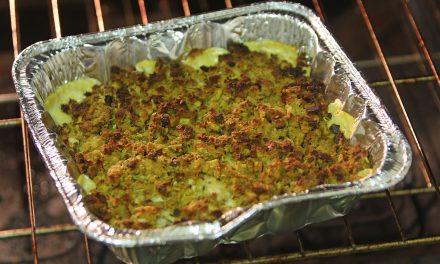
The final step in creating delicious funeral potatoes is baking them to perfection. Preheat your oven to 350°F (175°C) before placing your assembled casserole inside. To achieve that coveted golden-brown topping, cover the dish with aluminum foil during the first half of baking to prevent over-browning while allowing the potatoes to cook through.
After approximately 30 minutes, remove the foil and continue baking for an additional 15-20 minutes until the top is bubbly and golden brown. For an extra crispy finish, consider broiling the casserole for 2-3 minutes at the end of baking—just be sure to keep a close eye on it to prevent burning.
Variations to Customize Your Funeral Potatoes
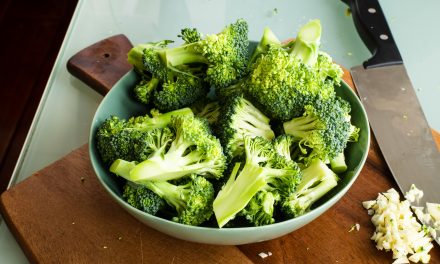
While traditional funeral potatoes are undeniably delicious on their own, there are countless variations that can be explored to suit individual tastes or dietary preferences. For those looking to add vegetables for added nutrition and flavor, consider incorporating sautéed bell peppers, spinach, or broccoli into the mix. These additions not only enhance visual appeal but also contribute valuable vitamins and minerals.
For a heartier version of this dish, consider adding cooked bacon or ham for a savory twist that complements the creamy sauce beautifully. Alternatively, for those seeking a lighter option, using Greek yogurt instead of sour cream can reduce calories while maintaining creaminess. Experimenting with different cheeses or spices can also yield exciting new flavors—try adding cayenne pepper for heat or Italian seasoning for an herby touch.
Serving Suggestions and Side Dish Pairings
Funeral potatoes are versatile enough to be served alongside various main dishes or enjoyed on their own as a comforting meal. They pair exceptionally well with roasted meats such as chicken or pork tenderloin, providing a satisfying contrast to savory proteins. Additionally, serving them alongside fresh salads can balance out richness with crisp textures and vibrant flavors.
For gatherings or potlucks where multiple dishes are present, consider complementing funeral potatoes with lighter fare such as coleslaw or steamed vegetables. These side dishes not only provide color but also contribute refreshing elements that enhance overall dining experience.
Storing and Reheating Leftover Casserole
Leftover funeral potatoes can be stored in an airtight container in the refrigerator for up to four days or frozen for longer preservation—up to three months if properly sealed. When reheating leftovers from refrigeration, preheat your oven to 350°F (175°C) and cover with foil to prevent drying out; bake until heated through (approximately 20-30 minutes).
For frozen leftovers, allow them to thaw overnight in the refrigerator before reheating using the same method as above. Alternatively, you can reheat individual portions in the microwave; however, be mindful that this may result in slightly less crispy texture compared to oven reheating.
Bringing Comfort and Warmth to Any Occasion
In conclusion, funeral potatoes represent more than just a simple casserole; they embody comfort food at its finest—a dish that brings people together during both joyous celebrations and somber occasions alike. With their creamy texture and cheesy goodness, these potatoes have earned their place as a beloved staple in many households across America.
Whether you choose to stick with tradition or explore creative variations, funeral potatoes offer endless possibilities for customization while remaining true to their comforting roots. As families gather around tables filled with love and laughter—or solace during difficult times—this dish serves as a reminder of how food can nourish not only our bodies but also our spirits.
FAQs
What are funeral potatoes?
Funeral potatoes are a popular comfort food dish in the United States, particularly in the Intermountain West. They are typically made with a base of grated potatoes, cheese, cream, and often include ingredients like sour cream, onions, and cornflakes for topping. The dish is often served at gatherings, including funerals, hence the name.
What ingredients do I need to make cheesy funeral potatoes casserole?
To make cheesy funeral potatoes casserole, you will need the following ingredients: frozen hash browns or grated potatoes, shredded cheddar cheese, sour cream, cream of chicken soup (or a vegetarian alternative), butter, onion (optional), and cornflakes or breadcrumbs for topping. You can also add seasonings like salt and pepper to taste.
How do I prepare the casserole before baking?
To prepare the casserole, first, preheat your oven to 350°F (175°C). In a large mixing bowl, combine the frozen hash browns, shredded cheese, sour cream, cream of chicken soup, melted butter, and any optional ingredients like sautéed onions. Mix everything until well combined, then transfer the mixture to a greased baking dish. Top with crushed cornflakes or breadcrumbs for added crunch.
How long should I bake cheesy funeral potatoes casserole?
Bake the cheesy funeral potatoes casserole in the preheated oven for about 45 minutes to 1 hour, or until the top is golden brown and the casserole is heated through. If the top browns too quickly, you can cover it with aluminum foil for the last 15-20 minutes of baking.
Can I make cheesy funeral potatoes casserole ahead of time?
Yes, you can prepare cheesy funeral potatoes casserole ahead of time. Assemble the casserole as directed, then cover it tightly with plastic wrap or aluminum foil and refrigerate for up to 24 hours before baking. When you’re ready to bake, you may need to add an extra 10-15 minutes to the baking time if it’s coming straight from the refrigerator.