In the intricate world of automotive engineering, timing belts and chains play a pivotal role in ensuring the smooth operation of an engine. These components synchronize the rotation of the crankshaft and camshaft, allowing for precise timing of the engine’s intake and exhaust valves. Understanding the nuances of timing belts and chains is essential for vehicle owners, as it directly impacts engine performance, longevity, and maintenance costs. This article delves into the specifics of timing belts and chains, their differences, identification methods, signs of wear, and maintenance considerations.
The timing system is a critical aspect of an engine’s functionality. A malfunctioning timing belt or chain can lead to catastrophic engine failure, resulting in costly repairs. Therefore, comprehending the characteristics of these components is not merely academic; it is a practical necessity for anyone who wishes to maintain their vehicle effectively. By exploring the distinctions between belts and chains, as well as their respective maintenance requirements, car owners can make informed decisions that enhance their vehicle’s performance and lifespan.
If you’re looking to understand the differences between a timing belt and a timing chain in your vehicle, it’s essential to know how to identify which one your car has. For a comprehensive guide on this topic, you can refer to the article that explains the characteristics and maintenance of timing components. Additionally, if you’re interested in sustainable practices, you might find inspiration in this article about eco-friendly gardening: 10 Sustainable Gardening Tips for an Eco-Friendly Backyard.
What Is a Timing Belt?
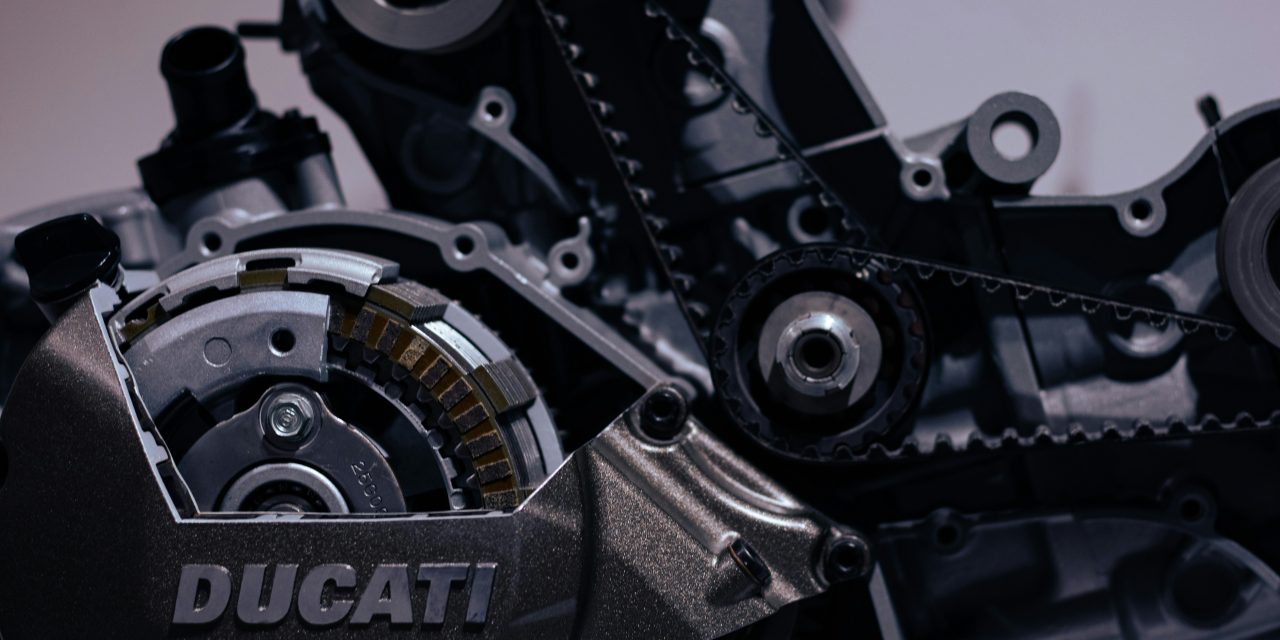
A timing belt is a rubberized component reinforced with fibers that connects the crankshaft to the camshaft in an internal combustion engine. This belt is designed to maintain precise timing between these two critical engine parts, ensuring that the valves open and close at the correct intervals relative to the position of the pistons. Timing belts are typically found in smaller engines and are known for their quiet operation and lightweight design.
The construction of a timing belt often includes teeth that mesh with corresponding gears on the crankshaft and camshaft. This tooth design prevents slippage, allowing for accurate synchronization. Timing belts are generally recommended for replacement every 60,000 to 100,000 miles, depending on the manufacturer’s specifications. Failure to replace a worn timing belt can lead to severe engine damage, including bent valves or even complete engine failure.
What Is a Timing Chain?

In contrast to timing belts, timing chains are made of metal links and are designed to perform the same function of synchronizing the crankshaft and camshaft. Timing chains are typically found in larger engines and are known for their durability and longevity. Unlike belts, which require periodic replacement, timing chains are engineered to last the lifetime of the engine under normal operating conditions.
Timing chains operate on a system of gears and sprockets, which allows them to maintain synchronization without the risk of slippage. However, they can stretch over time due to wear and tear, leading to potential issues with timing accuracy. While timing chains do not have a specified replacement interval like belts, they may require inspection or replacement if symptoms of wear arise, such as rattling noises or poor engine performance.
Key Differences Between Timing Belts and Chains

Understanding the differences between timing belts and chains is crucial for vehicle maintenance. One of the primary distinctions lies in their material composition; belts are made from rubber while chains are constructed from metal. This fundamental difference affects their durability, with chains generally lasting longer than belts.
Another significant difference is maintenance requirements. Timing belts necessitate regular replacement intervals—typically every 60,000 to 100,000 miles—while timing chains are designed for longevity but may require inspection for wear. Additionally, the cost implications differ; replacing a timing belt can be less expensive than replacing a timing chain due to labor costs associated with accessing these components.
Moreover, performance characteristics vary between the two systems. Timing belts tend to operate more quietly than chains, which can produce a distinctive rattling sound if they become loose or worn. Understanding these differences can help car owners make informed decisions regarding maintenance schedules and potential repairs.
If you’re unsure whether your vehicle is equipped with a timing belt or a timing chain, there are several indicators you can check. One helpful resource is an article that provides detailed guidance on identifying the differences between these two components. You can find it here: how to tell if your car has a timing belt or chain. Understanding these differences can help you maintain your car more effectively and avoid costly repairs down the line.
Why Knowing Your Car’s Timing System Matters
Awareness of your vehicle’s timing system is paramount for several reasons. First and foremost, it directly impacts engine performance. A well-maintained timing belt or chain ensures that the engine operates smoothly and efficiently, optimizing fuel consumption and reducing emissions. Conversely, neglecting these components can lead to significant performance issues, including misfires or stalling.
Additionally, understanding your car’s timing system can save you money in the long run. Regular maintenance and timely replacement of worn components can prevent catastrophic failures that result in expensive repairs. For instance, a broken timing belt can cause severe internal damage to the engine, leading to costs that far exceed routine maintenance expenses.
Lastly, knowledge about your vehicle’s timing system empowers you as a consumer. When you are informed about what to expect regarding maintenance schedules and potential issues, you can engage more effectively with mechanics and service providers. This knowledge fosters better communication and ensures that you receive appropriate care for your vehicle.
If you’re unsure whether your vehicle is equipped with a timing belt or a timing chain, it’s essential to check your owner’s manual or consult a mechanic for accurate information. Understanding the differences between these two components can help you maintain your car effectively and avoid costly repairs. For more detailed insights on automotive maintenance, you might find this article on how to tell if your car has a timing belt or chain particularly useful. You can read it here.
How to Identify a Timing Belt in Your Vehicle
Identifying whether your vehicle has a timing belt involves several steps. First, consult your owner’s manual or manufacturer specifications; this document typically outlines whether your engine utilizes a timing belt or chain. If you do not have access to this information, you can also check online resources or automotive databases specific to your vehicle make and model.
Another method involves visual inspection. Timing belts are usually located at the front of the engine and may be covered by a plastic or metal casing. If you can access this area safely, look for a rubberized component with teeth along its edge. Additionally, if you notice any signs of wear such as cracks or fraying on the belt surface, it may indicate that replacement is necessary.
If you are uncertain about identifying a timing belt on your own, consider seeking assistance from a qualified mechanic. They possess the expertise to accurately diagnose your vehicle’s timing system and provide recommendations based on its condition.
How to Identify a Timing Chain in Your Vehicle
Identifying a timing chain requires similar investigative techniques as those used for belts. Start by consulting your owner’s manual or manufacturer specifications to determine if your vehicle is equipped with a timing chain. This information is crucial for understanding maintenance needs and potential issues.
Visually inspecting the engine can also provide clues about whether it has a timing chain. Unlike belts, timing chains are typically housed within the engine block or behind a cover that may require more extensive disassembly to access. If you hear unusual noises such as rattling or clattering from the engine compartment during operation, it may indicate that your timing chain is loose or worn.
For those who lack mechanical expertise or experience with automotive systems, enlisting the help of a professional mechanic is advisable. They can accurately assess your vehicle’s timing system and recommend appropriate maintenance or repairs based on their findings.
Common Signs Your Timing Belt Needs Replacement
Several indicators suggest that your timing belt may require replacement soon. One of the most common signs is audible noise; if you hear a high-pitched squealing sound coming from the front of your engine, it could indicate that the belt is worn or misaligned. Additionally, if you notice any visible cracks or fraying on the belt surface during inspection, this is a clear sign that it needs immediate attention.
Another symptom is engine performance issues such as misfires or difficulty starting. A failing timing belt can disrupt valve synchronization, leading to poor combustion efficiency. If you experience these symptoms alongside any unusual noises from the engine compartment, it is crucial to have your vehicle inspected promptly.
Lastly, if your vehicle has reached its recommended mileage interval for timing belt replacement—typically between 60,000 to 100,000 miles—it is wise to schedule an inspection regardless of whether symptoms are present. Preventative maintenance can save you from more severe issues down the line.
Common Signs Your Timing Chain Needs Attention
Timing chains exhibit distinct signs when they require attention or replacement. One prevalent indicator is noise; if you hear rattling sounds coming from the engine compartment during operation, it may suggest that the chain has become loose or worn out. This noise often becomes more pronounced during acceleration or when idling.
Another sign involves performance issues such as rough idling or decreased power output while driving. A stretched timing chain can lead to improper valve timing, resulting in inefficient combustion and reduced engine performance. If you notice these symptoms alongside unusual noises, it is essential to have your vehicle evaluated by a professional mechanic.
Additionally, keep an eye on warning lights on your dashboard; some vehicles may trigger check engine lights related to timing chain issues. If this occurs, do not ignore it—prompt diagnosis can prevent further damage to your engine.
When considering maintenance costs associated with timing systems, there are notable differences between belts and chains. Timing belts typically require replacement every 60,000 to 100,000 miles at an average cost ranging from $500 to $1,000 depending on labor rates and vehicle make/model. This cost often includes replacing other components such as water pumps or tensioners that may be accessible during belt replacement.
Conversely, timing chains generally do not have a specified replacement interval but may require inspection after significant mileage accumulation—often exceeding 100,000 miles. If replacement becomes necessary due to wear or stretching issues, costs can range from $1,000 to $2,500 due to labor-intensive procedures involved in accessing these components within the engine block.
While initial costs may seem higher for chains compared to belts when factoring in longevity and reduced frequency of replacement needs over time—timing chains often prove more economical in terms of overall maintenance expenses.
Choosing the Right Timing System for Your Car’s Longevity
In conclusion, understanding the differences between timing belts and chains is essential for maintaining optimal engine performance and longevity. Each system has its unique characteristics regarding durability, maintenance requirements, and associated costs. By being aware of these distinctions—and recognizing signs indicating wear—vehicle owners can make informed decisions about their car’s care.
Regular inspections and timely replacements are crucial for both systems; neglecting these components can lead to severe consequences including catastrophic engine failure. Ultimately, whether your vehicle utilizes a timing belt or chain—prioritizing maintenance will ensure that your engine operates smoothly for years to come.
By staying informed about your car’s timing system and adhering to recommended maintenance schedules—vehicle owners can enhance their driving experience while safeguarding against costly repairs down the line.
—
**FAQ Section**
1. **How often should I replace my timing belt?**
– Most manufacturers recommend replacing timing belts every 60,000 to 100,000 miles depending on specific vehicle requirements.
2. **What happens if my timing belt breaks?**
– A broken timing belt can cause severe internal damage to your engine including bent valves or piston damage leading to costly repairs.
3. **Do I need to replace my timing chain?**
– Timing chains are designed for longevity but should be inspected regularly for wear; replacement may be necessary if symptoms arise such as noise or performance issues.
4. **Can I visually inspect my timing belt/chain?**
– Yes! You can perform visual inspections; however, accessing these components may require mechanical expertise—consulting a professional mechanic is advisable if unsure.
5. **What are common symptoms of a failing timing chain?**
– Common signs include rattling noises from the engine compartment during operation and decreased power output while driving.
6. **Are there any preventative measures I can take?**
– Regularly scheduled maintenance checks according to manufacturer recommendations will help identify potential issues before they escalate into major problems.
7. **Is it more cost-effective to have a car with a timing belt or chain?**
– While initial costs may be lower for vehicles with belts—timing chains often prove more economical over time due to reduced frequency of replacements needed.
8. **What should I do if I suspect my timing system is failing?**
– If you notice any symptoms indicative of wear—such as noise or performance issues—schedule an appointment with a qualified mechanic immediately for evaluation.
9. **Can I drive my car if I suspect a problem with my timing system?**
– It is not advisable; driving with a failing timing system can lead to further damage—prompt diagnosis is essential for preventing catastrophic failure.
10. **What factors influence the lifespan of my timing belt/chain?**
– Factors include driving habits (e.g., frequent short trips), environmental conditions (e.g., extreme temperatures), and adherence to maintenance schedules—all impact component longevity.
—
In summary, understanding your vehicle’s timing system—whether it utilizes a belt or chain—is crucial for maintaining optimal performance and preventing costly repairs down the line through regular inspections and timely replacements based on manufacturer recommendations.
FAQs
What is the difference between a timing belt and a timing chain?
A timing belt is a rubber belt that connects the crankshaft to the camshaft, ensuring that the engine’s valves open and close at the correct times. A timing chain, on the other hand, is made of metal links and serves the same purpose but is generally more durable and longer-lasting than a timing belt.
How can I find out if my car has a timing belt or chain?
You can check your vehicle’s owner’s manual, which typically specifies whether your engine uses a timing belt or chain. Alternatively, you can look up your car’s make and model online or consult a mechanic for assistance.
What are the signs that my timing belt or chain may need replacement?
Common signs include unusual engine noises, such as ticking or rattling, difficulty starting the engine, or visible wear and tear on the belt or chain. If your engine misfires or runs poorly, it may also indicate timing issues.
How often should I replace my timing belt or chain?
Timing belts generally need to be replaced every 60,000 to 100,000 miles, depending on the manufacturer’s recommendations. Timing chains typically last longer and may not require replacement unless there are specific issues, but it’s essential to follow your vehicle’s maintenance schedule.
Can I visually inspect my timing belt or chain?
Yes, you can perform a visual inspection of the timing belt if it’s accessible. Look for signs of wear, such as cracks, fraying, or glazing. Timing chains are usually located inside the engine and are not easily visible, so a professional inspection may be necessary.