Cooking chicken to an internal temperature of 165°F (73.9°C) is crucial for ensuring food safety and preventing foodborne illnesses. The primary concern with undercooked poultry is the risk of contamination by pathogens such as Salmonella and Campylobacter, which can lead to severe gastrointestinal distress and other health complications. These bacteria thrive in raw or undercooked chicken, and their presence can result in food poisoning, characterized by symptoms such as nausea, vomiting, diarrhea, and abdominal cramps.
The United States Department of Agriculture (USDA) emphasizes that reaching this temperature effectively kills harmful bacteria, making the chicken safe for consumption. Utilizing a meat thermometer is the most reliable method to confirm that chicken has reached the appropriate temperature. This practice not only safeguards health but also enhances the overall dining experience by ensuring that the meat is cooked thoroughly and retains its moisture and flavor.
When preparing chicken, it’s crucial to ensure that it reaches the proper internal temperature for safety and optimal flavor. According to food safety guidelines, cooked chicken should reach an internal temperature of 165°F (75°C) to eliminate harmful bacteria. For more cooking tips, you might find this article on how to cook quinoa without a bitter taste helpful, as it provides insights into achieving the best results in your cooking endeavors. You can read it here: how to cook quinoa without a bitter taste.
Choosing the Right Cut of Chicken for Your Recipe
Selecting the appropriate cut of chicken is essential for achieving the desired flavor and texture in your dish. Chicken is available in various forms, including whole birds, breasts, thighs, wings, and drumsticks, each offering unique culinary advantages. For instance, chicken breasts are lean and cook quickly, making them ideal for grilling or sautéing. Conversely, thighs contain more fat and connective tissue, resulting in a richer flavor and tenderness when braised or roasted.
When deciding on a cut, consider the cooking method and the intended flavor profile. For example, if you are preparing a slow-cooked dish like coq au vin, bone-in thighs or a whole chicken would be preferable due to their ability to retain moisture during prolonged cooking. On the other hand, if you are making a quick stir-fry, boneless chicken breasts would be more suitable due to their rapid cooking time. Understanding these distinctions will enhance your culinary creations and ensure optimal results.
Thawing Chicken Safely Before Cooking

Proper thawing techniques are vital for maintaining food safety when preparing chicken. The USDA recommends three safe methods for thawing poultry: in the refrigerator, in cold water, or in the microwave. Thawing chicken in the refrigerator is the safest option, as it allows for gradual defrosting while keeping the meat at a consistent temperature below 40°F (4.4°C). This method can take several hours or overnight, depending on the size of the chicken.
Alternatively, if time is of the essence, submerging chicken in cold water can expedite the thawing process. Ensure that the chicken is securely sealed in a leak-proof plastic bag to prevent contamination from water. Change the water every 30 minutes to maintain a safe temperature. The microwave method is also viable but requires immediate cooking after thawing to prevent any bacterial growth. Avoid thawing chicken at room temperature, as this can promote bacterial proliferation.
Prepping Chicken: Cleaning and Seasoning Tips

Before cooking chicken, proper preparation is essential for both safety and flavor enhancement. Begin by washing your hands thoroughly with soap and water before handling raw poultry to minimize cross-contamination. It is generally advised not to rinse chicken under running water, as this can spread bacteria onto kitchen surfaces. Instead, pat the chicken dry with paper towels to remove excess moisture.
Seasoning is another critical aspect of prepping chicken. A simple blend of salt, pepper, garlic powder, and herbs can elevate the flavor profile significantly. Marinating chicken in a mixture of acidic ingredients like lemon juice or vinegar can also tenderize the meat while infusing it with flavor. Allowing the chicken to marinate for at least 30 minutes or up to several hours will yield optimal results. Always remember to discard any leftover marinade that has come into contact with raw chicken to avoid contamination.
When preparing chicken, it’s essential to ensure it reaches the proper internal temperature for safety and quality. The recommended temperature for cooked chicken is 165°F (75°C), which helps eliminate harmful bacteria. For more insights on food safety and cooking techniques, you might find this article helpful, as it discusses various aspects of kitchen safety and cooking methods. If you’re curious about other household issues, you can also check out this article on why your garage door might open and then close again.
Using a Reliable Meat Thermometer for Accuracy
A reliable meat thermometer is an indispensable tool in any kitchen when it comes to cooking chicken safely and accurately. There are various types of thermometers available, including digital instant-read thermometers and probe thermometers that can remain in the meat while it cooks. Digital thermometers provide quick readings and are easy to use, making them ideal for home cooks.
To ensure accuracy, insert the thermometer into the thickest part of the chicken without touching bone or fat, as these areas can give misleading readings. For whole chickens, check multiple areas to confirm that all parts have reached 165°F. Regularly calibrating your thermometer according to manufacturer instructions will help maintain its precision over time. Investing in a quality thermometer not only enhances food safety but also contributes to perfectly cooked chicken every time.
When cooking chicken, it’s essential to ensure it reaches the proper internal temperature to guarantee safety and prevent foodborne illnesses. The recommended temperature for cooked chicken is 165°F (75°C), which effectively kills harmful bacteria. For more tips on maintaining a safe and healthy environment, you might find this article on how to prevent termites around your home’s foundation helpful. You can read it here.
Cooking Methods That Ensure Even Temperature
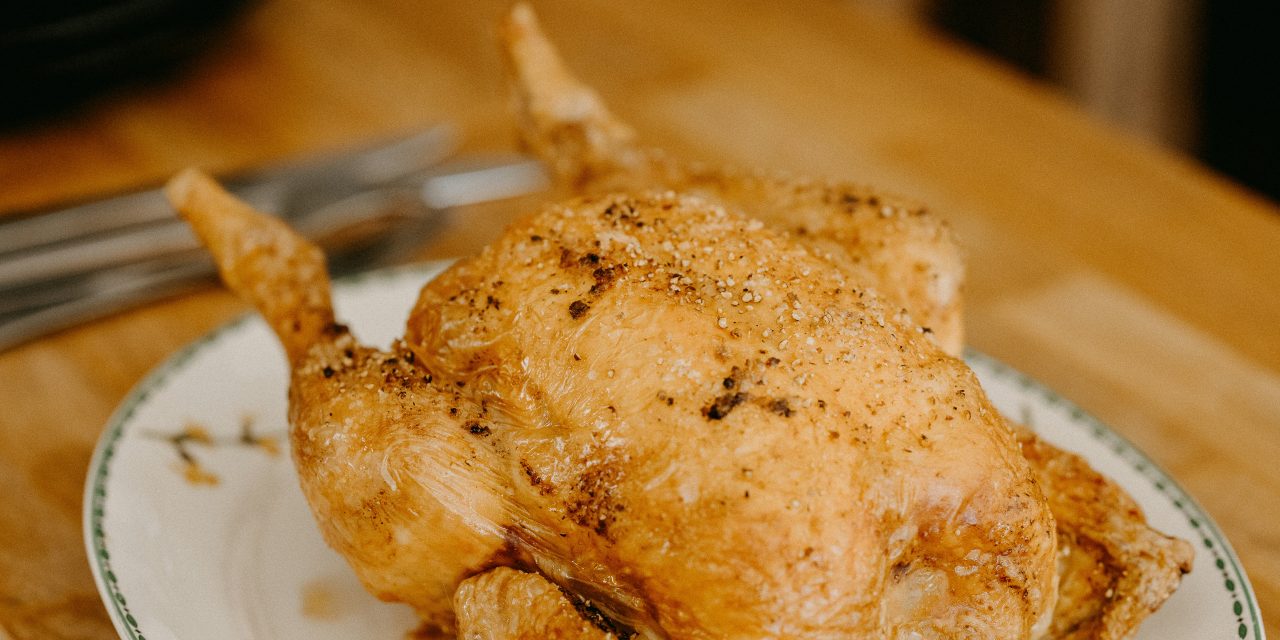
Employing appropriate cooking methods is essential for achieving even temperatures throughout your chicken dish. Techniques such as roasting, grilling, baking, and poaching can all yield delicious results when executed correctly. Roasting a whole chicken at a consistent temperature allows for even cooking while promoting crispy skin on the outside.
Grilling is another popular method that imparts a smoky flavor while ensuring that the meat cooks evenly when monitored closely. For those seeking a moist outcome, poaching in broth or seasoned water can be an excellent choice, as it gently cooks the meat without drying it out. Regardless of the method chosen, using a meat thermometer remains crucial for verifying that all parts of the chicken have reached the safe internal temperature.
Avoiding Common Mistakes That Undercook Chicken
Several common pitfalls can lead to undercooked chicken, compromising both safety and taste. One frequent mistake is not allowing enough time for cooking; each cut of chicken has specific cooking times that must be adhered to for optimal results. Rushing through preparation can result in meat that appears cooked on the outside but remains raw on the inside.
Another common error is relying solely on visual cues such as color or texture to determine doneness. While these indicators can be helpful, they are not foolproof; only an accurate meat thermometer can provide definitive confirmation of safety. Additionally, overcrowding pans during cooking can lead to uneven heat distribution, resulting in some pieces being undercooked while others are overdone. Ensuring adequate space between pieces allows for proper airflow and even cooking.
Resting Chicken After Cooking for Juiciness
Resting cooked chicken before slicing or serving is an often-overlooked step that significantly enhances juiciness and flavor retention. When chicken cooks, its juices are forced toward the center; allowing it to rest for at least five to ten minutes after cooking enables these juices to redistribute throughout the meat. This process results in a more succulent final product.
Covering the resting chicken loosely with aluminum foil helps retain warmth while preventing moisture loss. During this time, you can prepare side dishes or sauces without compromising the quality of your main protein. Skipping this step may lead to dry meat that lacks flavor; thus, incorporating resting into your cooking routine will elevate your culinary skills.
Tips for Achieving Crispy Skin and Tender Meat
Achieving crispy skin while maintaining tender meat requires attention to detail during preparation and cooking processes. One effective technique involves patting the skin dry with paper towels before seasoning; excess moisture can hinder browning and crispiness during cooking. Additionally, applying a thin layer of oil or butter on the skin promotes browning and enhances flavor.
Cooking at higher temperatures initially can also contribute to crispy skin; starting at around 425°F (218°C) allows for rapid browning before reducing heat to ensure thorough cooking without drying out the meat. Basting with pan juices or melted butter during cooking can further enhance both flavor and texture. By combining these techniques thoughtfully, you can create a dish that delights both visually and palatably.
Storing Leftover Chicken Safely
Proper storage of leftover chicken is essential for preventing foodborne illnesses and maintaining quality over time. After cooking, allow chicken to cool slightly before transferring it to airtight containers or resealable plastic bags. It is crucial to refrigerate leftovers within two hours of cooking to inhibit bacterial growth effectively.
Leftover cooked chicken can be stored in the refrigerator for up to four days or frozen for longer preservation—typically up to four months without significant loss of quality. When reheating leftovers, ensure that they reach an internal temperature of 165°F before consumption to guarantee safety. Labeling containers with dates will help track freshness and minimize waste.
Enhancing Flavor Without Compromising Safety
Flavor enhancement does not have to come at the expense of safety when preparing chicken dishes. Utilizing herbs, spices, marinades, and brines can elevate taste while adhering to safe cooking practices. Fresh herbs such as rosemary, thyme, and parsley add aromatic qualities without introducing harmful elements.
Marinating chicken in acidic solutions like yogurt or citrus juices not only infuses flavor but also tenderizes meat through enzymatic action—this process should always be done in refrigeration to prevent bacterial growth. Additionally, incorporating flavorful stocks or broths during cooking can impart depth without compromising safety standards.
In conclusion, understanding how to cook chicken safely involves several critical steps—from selecting appropriate cuts and thawing methods to ensuring proper cooking temperatures and storage practices. By following these guidelines diligently, you can create delicious meals while prioritizing health and safety in your kitchen endeavors.
### FAQ Section
1. **What is the safest way to cook chicken?**
The safest way involves using a meat thermometer to ensure it reaches an internal temperature of 165°F (73.9°C) throughout.
2. **Can I cook frozen chicken?**
Yes, but it will take approximately 50% longer than thawed chicken; ensure it reaches 165°F internally.
3. **How long should I marinate chicken?**
Marinate for at least 30 minutes; however, marinating overnight yields better flavor infusion.
4. **Is it safe to eat pink chicken?**
No; pink meat indicates undercooking; always check with a thermometer.
5. **How should I store leftover cooked chicken?**
Refrigerate within two hours in airtight containers; consume within four days or freeze for up to four months.
6. **What are some common signs of spoiled cooked chicken?**
Signs include off odors, slimy texture, or discoloration; discard if any signs are present.
7. **Can I reheat cooked chicken multiple times?**
It’s best to reheat only once; repeated reheating increases risk of bacterial growth.
8. **What’s the best way to achieve crispy skin?**
Patting dry before seasoning and starting at high temperatures helps achieve crispy skin.
9. **How do I know if my marinade is safe?**
Discard any marinade that has come into contact with raw chicken; never reuse it without boiling first.
10. **What should I do if I suspect food poisoning from undercooked chicken?**
Seek medical attention immediately if experiencing severe symptoms such as high fever or prolonged vomiting.
In summary, mastering safe cooking practices for chicken involves understanding temperature requirements, selecting appropriate cuts, employing effective thawing methods, and utilizing reliable tools like thermometers—all while enhancing flavors through careful seasoning techniques and proper storage practices.
FAQs
What is the safe minimum internal temperature for cooked chicken?
The safe minimum internal temperature for cooked chicken is 165°F (74°C). This temperature ensures that harmful bacteria, such as Salmonella and Campylobacter, are effectively killed, making the chicken safe to eat.
How can I accurately measure the temperature of cooked chicken?
To accurately measure the temperature of cooked chicken, use a food thermometer. Insert the thermometer into the thickest part of the chicken, avoiding bones, as they can give a false reading. Wait for a few seconds until the thermometer stabilizes to get an accurate temperature reading.
Does the cooking method affect the temperature at which chicken should be cooked?
No matter the cooking method—whether baking, grilling, frying, or slow cooking—the safe minimum internal temperature for chicken remains the same at 165°F (74°C). However, cooking times may vary depending on the method used.
What should I do if my chicken doesn’t reach the safe temperature?
If your chicken does not reach the safe minimum internal temperature of 165°F (74°C), continue cooking it until it does. Use a food thermometer to check the temperature in the thickest part of the meat to ensure it is fully cooked and safe to eat.
Can I rely on color or juices to determine if chicken is cooked?
No, relying on color or the juices of chicken is not a reliable method to determine if it is fully cooked. Chicken can appear fully cooked and still harbor harmful bacteria. Always use a food thermometer to check that the internal temperature has reached at least 165°F (74°C).