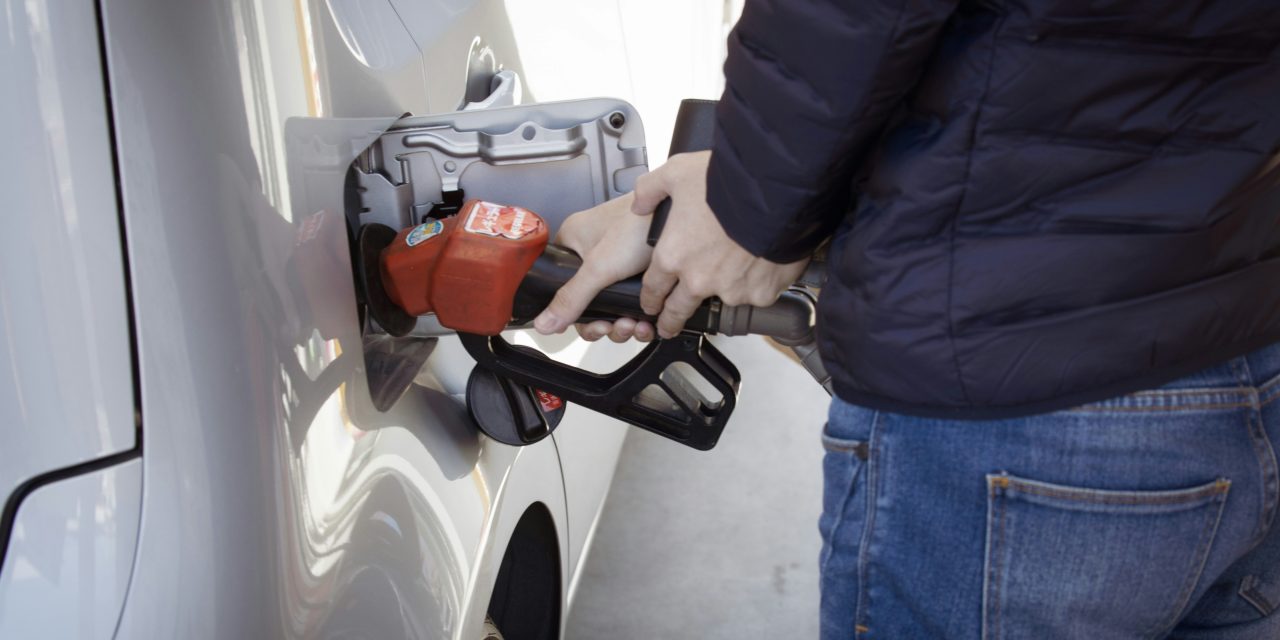
Gas mileage, often referred to as fuel efficiency, is a critical aspect of vehicle operation that directly impacts both economic and environmental factors. It is typically measured in miles per gallon (MPG) or liters per 100 kilometers (L/100km), indicating how far a vehicle can travel on a specific volume of fuel. Understanding the fundamentals of gas mileage is essential for drivers who wish to optimize their fuel consumption and reduce their carbon footprint. Factors influencing gas mileage include vehicle weight, engine size, driving habits, and maintenance practices.
The significance of gas mileage extends beyond mere cost savings at the pump. Higher fuel efficiency translates to lower greenhouse gas emissions, contributing to a healthier environment. Additionally, understanding how various elements affect fuel consumption can empower drivers to make informed decisions regarding their vehicles and driving practices. By adopting strategies to enhance gas mileage, individuals can achieve substantial savings over time while promoting sustainability.
If you’re looking to enhance the fuel efficiency of your older vehicle, you might find valuable insights in this article on optimizing car performance. By implementing simple maintenance tips and driving habits, you can significantly improve your gas mileage. For more information, check out this related article on how to improve gas mileage on an older car.
Keep Your Tires Properly Inflated
Maintaining proper tire pressure is one of the simplest yet most effective ways to improve gas mileage. Under-inflated tires create increased rolling resistance, which forces the engine to work harder and consume more fuel. According to the U.S. Department of Energy, maintaining optimal tire pressure can improve fuel economy by up to 3%. Regularly checking tire pressure, ideally once a month and before long trips, ensures that tires are inflated to the manufacturer’s recommended levels.
In addition to enhancing fuel efficiency, properly inflated tires contribute to overall vehicle safety and performance. They provide better traction, reduce the risk of blowouts, and extend tire lifespan. Drivers should also be aware that temperature fluctuations can affect tire pressure; for every 10-degree Fahrenheit change in temperature, tire pressure can vary by approximately 1 PSI. Therefore, it is crucial to adjust tire pressure accordingly with seasonal changes.
Change Your Air Filter Regularly

The air filter plays a vital role in maintaining optimal engine performance by ensuring that clean air enters the combustion chamber. A clogged or dirty air filter restricts airflow, leading to inefficient combustion and reduced fuel efficiency. Studies indicate that replacing a dirty air filter can improve gas mileage by as much as 10%. Regular inspection and replacement of the air filter should be part of routine vehicle maintenance.
In addition to enhancing fuel efficiency, a clean air filter contributes to improved engine performance and longevity. It prevents contaminants from entering the engine, reducing wear and tear on critical components. Drivers should consult their vehicle’s owner manual for specific recommendations on air filter replacement intervals, typically ranging from every 12,000 to 15,000 miles or as needed based on driving conditions.
Use the Recommended Grade of Motor Oil

Motor oil is essential for lubricating engine components and ensuring smooth operation. Using the manufacturer’s recommended grade of motor oil is crucial for optimizing fuel efficiency. Different oil grades have varying viscosities, which can significantly impact engine performance and fuel consumption. For instance, using a lower viscosity oil can reduce friction and improve gas mileage, while using a higher viscosity oil may lead to increased resistance and decreased efficiency.
Moreover, synthetic oils often provide superior performance compared to conventional oils, particularly in extreme temperatures. They can enhance fuel economy by reducing engine drag and improving overall efficiency. Drivers should regularly check oil levels and change oil according to the manufacturer’s recommendations, typically every 5,000 to 7,500 miles for conventional oil and up to 15,000 miles for synthetic oil.
If you’re looking to enhance the fuel efficiency of your older vehicle, there are several strategies you can implement to improve gas mileage. Regular maintenance, such as changing the oil and replacing air filters, can make a significant difference. Additionally, keeping your tires properly inflated and reducing excess weight in the car can lead to better performance. For more detailed tips on optimizing your vehicle’s efficiency, you might find this article on improving gas mileage particularly helpful.
Maintain Regular Engine Tune-Ups
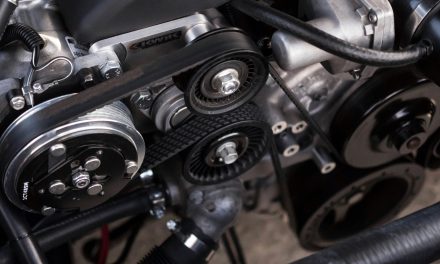
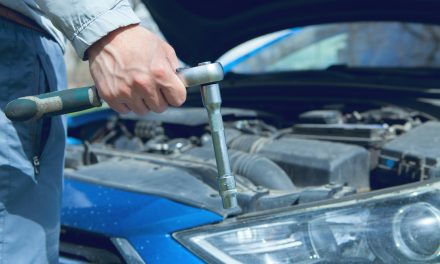
Regular engine tune-ups are essential for ensuring that all components of the engine are functioning optimally. A well-tuned engine operates more efficiently, resulting in improved gas mileage. During a tune-up, mechanics typically inspect and replace spark plugs, ignition timing, and fuel injectors, all of which play critical roles in combustion efficiency. Neglecting these components can lead to decreased performance and increased fuel consumption.
In addition to enhancing fuel efficiency, routine tune-ups can prevent costly repairs down the line by identifying potential issues before they escalate. Drivers should adhere to their vehicle’s maintenance schedule for tune-ups, which may vary based on make and model but generally occurs every 30,000 miles or as indicated by diagnostic alerts.
Reduce Excess Weight in Your Vehicle
Excess weight in a vehicle can significantly impact fuel efficiency. Every additional 100 pounds can decrease gas mileage by approximately 1-2%. Therefore, it is advisable for drivers to remove unnecessary items from their vehicles, especially heavy cargo or equipment that is not needed for daily use. This practice not only improves fuel economy but also enhances overall vehicle handling and performance.
Furthermore, drivers should consider the implications of roof racks or cargo carriers when not in use. These accessories create additional aerodynamic drag that can further reduce fuel efficiency. By minimizing excess weight and optimizing vehicle aerodynamics, drivers can achieve better gas mileage while ensuring a smoother driving experience.
Avoid Excessive Idling
Excessive idling is a common habit among drivers that can lead to unnecessary fuel consumption. Contrary to popular belief, modern engines consume less fuel when turned off than when idling for extended periods. Idling for more than 10 seconds wastes more fuel than restarting the engine. Therefore, it is advisable for drivers to turn off their engines when parked or waiting for extended periods.
In addition to saving fuel, reducing idling time contributes to lower emissions and improved air quality. Drivers should be mindful of their idling habits and encourage others to do the same. Implementing this simple practice can lead to significant savings over time while promoting environmental sustainability.
Drive Smoothly and Avoid Rapid Acceleration
Driving habits play a crucial role in determining gas mileage. Smooth acceleration and deceleration contribute to optimal fuel efficiency by minimizing unnecessary strain on the engine. Rapid acceleration can lead to increased fuel consumption; studies suggest that aggressive driving can reduce gas mileage by as much as 33% on highways and 5% in urban settings.
To enhance fuel efficiency, drivers should aim for gradual acceleration and maintain a steady speed whenever possible. Utilizing cruise control on highways can help maintain consistent speeds and improve gas mileage further. Additionally, anticipating traffic flow and avoiding sudden stops can contribute to smoother driving patterns that optimize fuel consumption.
Limit Use of Air Conditioning
Air conditioning systems place additional strain on the engine, leading to increased fuel consumption. While it may be tempting to rely on air conditioning during hot weather, limiting its use can significantly enhance gas mileage. Studies indicate that using air conditioning can reduce fuel economy by up to 20% under certain conditions.
To mitigate this impact, drivers can consider alternative cooling methods such as opening windows or using ventilation systems when driving at lower speeds. When traveling at higher speeds on highways, it may be more efficient to use air conditioning rather than open windows due to aerodynamic drag. Striking a balance between comfort and fuel efficiency is key.
Plan and Combine Trips Efficiently
Efficient trip planning is an effective strategy for maximizing gas mileage. Combining errands into one trip reduces the frequency of cold starts—when an engine is started from a cold state—and minimizes overall driving distance. Cold starts consume more fuel as engines require additional energy to reach optimal operating temperatures.
Additionally, utilizing navigation apps can help identify the most efficient routes while avoiding traffic congestion or road construction delays. By planning trips strategically and minimizing unnecessary driving, individuals can significantly enhance their fuel efficiency while saving time and money.
Monitor and Fix Fuel System Issues Promptly
Fuel system issues can severely impact gas mileage if left unaddressed. Problems such as clogged fuel injectors or a malfunctioning fuel pump can lead to inefficient combustion and increased fuel consumption. Regular monitoring of the fuel system is essential for identifying potential issues early on.
Drivers should be vigilant for signs of fuel system problems, including decreased acceleration power or unusual engine noises. Promptly addressing these issues through professional diagnostics and repairs can restore optimal performance and improve gas mileage significantly.
In conclusion, enhancing gas mileage involves a multifaceted approach that encompasses proper maintenance practices, mindful driving habits, and strategic planning. By implementing these strategies—such as maintaining tire pressure, changing air filters regularly, using recommended motor oil grades, conducting routine tune-ups, reducing excess weight, avoiding excessive idling, driving smoothly, limiting air conditioning use, planning trips efficiently, and monitoring fuel system issues—drivers can achieve significant improvements in fuel efficiency while contributing positively to environmental sustainability.
FAQ Section:
1. **What is considered good gas mileage?**
– Good gas mileage varies by vehicle type but generally ranges from 20-30 MPG for standard cars and higher for hybrids or electric vehicles.
2. **How often should I check my tire pressure?**
– Tire pressure should be checked at least once a month or before long trips.
3. **What are the signs of a clogged air filter?**
– Signs include decreased acceleration power, reduced fuel efficiency, or unusual engine noises.
4. **How often should I change my motor oil?**
– Conventional oil typically requires changes every 5,000-7,500 miles; synthetic oil may last up to 15,000 miles.
5. **Can driving habits really affect my gas mileage?**
– Yes! Smooth driving habits can improve gas mileage significantly compared to aggressive driving styles.
6. **Is it better to use air conditioning or open windows?**
– At lower speeds, open windows may be more efficient; at higher speeds, air conditioning may be preferable due to reduced drag.
7. **What should I do if I notice decreased gas mileage?**
– Check tire pressure, inspect air filters and spark plugs, monitor driving habits, and consider professional diagnostics for potential issues.
8. **How does weight affect my vehicle’s performance?**
– Excess weight increases rolling resistance and requires more energy from the engine, leading to decreased fuel efficiency.
9. **What are some effective ways to plan trips efficiently?**
– Combine errands into one trip, use navigation apps for optimal routing, and avoid peak traffic times whenever possible.
10. **How do I know if my fuel system needs attention?**
– Signs include poor acceleration response or unusual noises from the engine; regular maintenance checks are advisable.
In summary, improving gas mileage requires an understanding of various factors affecting fuel efficiency along with proactive maintenance practices and mindful driving habits. By implementing these strategies effectively, drivers can achieve significant savings at the pump while contributing positively to environmental sustainability efforts.
FAQs
What are some basic maintenance tips to improve gas mileage on an older car?
Regular maintenance is crucial for improving gas mileage. Ensure that your engine is well-tuned, change the oil regularly, and replace air filters as needed. Keeping tires properly inflated and aligned can also enhance fuel efficiency. Additionally, check and replace spark plugs if they are worn out.
How does driving behavior affect gas mileage?
Your driving habits significantly impact fuel efficiency. Avoid rapid acceleration and hard braking, as these actions can decrease gas mileage. Instead, aim for smooth acceleration and maintain a steady speed. Using cruise control on highways can also help optimize fuel consumption.
Can using premium fuel improve gas mileage in older cars?
Using premium fuel in an older car that is designed for regular unleaded gasoline typically does not improve gas mileage. Most older vehicles are not equipped to take advantage of the higher octane levels in premium fuel, and using it may not yield any significant benefits in fuel efficiency.
What role does weight play in gas mileage for older cars?
Weight has a direct impact on fuel efficiency. The more weight your car carries, the harder the engine has to work, which can decrease gas mileage. To improve fuel efficiency, remove unnecessary items from your vehicle and avoid carrying heavy loads whenever possible.
Are there any aftermarket modifications that can help improve gas mileage?
Yes, certain aftermarket modifications can enhance gas mileage. Installing a high-efficiency air intake system, upgrading to low-resistance tires, or adding a performance chip can potentially improve fuel efficiency. However, it’s essential to research and ensure that any modifications are compatible with your vehicle and won’t void warranties.