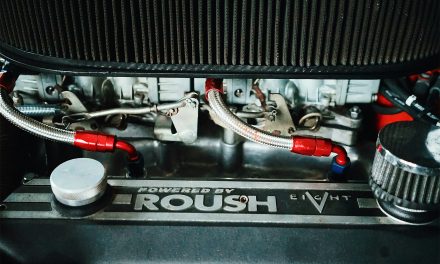
The relationship between air conditioning (AC) usage and vehicle stalling is a critical concern for many drivers. While the comfort of a cooled cabin is often taken for granted, the underlying mechanics of an automobile can be significantly affected by the additional load that AC systems impose on the engine. When the AC is activated, it draws power from the engine, which can lead to various performance issues, particularly in older or poorly maintained vehicles. Understanding this connection is essential for diagnosing problems and ensuring optimal vehicle performance.
When an automobile stalls while the AC is running, it can be attributed to several factors, including mechanical failures and electrical issues. The symptoms may range from minor fluctuations in engine idle to complete engine shutdown. Recognizing these signs early can prevent more severe complications and costly repairs. This article will delve into the various components that can contribute to stalling when the AC is engaged, providing insights into diagnosis, treatment options, and preventive measures.
If you’ve ever experienced your car stalling when the AC is on, you might find it helpful to explore related topics that can enhance your understanding of vehicle maintenance. For instance, maintaining the cleanliness of your car’s interior can play a role in its overall performance. You can learn more about this by reading the article on how to clean a microfiber couch without damaging the material, which provides useful tips that can be applied to keeping your car’s upholstery in top shape. Check it out here: how to clean a microfiber couch without damaging the material.
Faulty Idle Air Control Valve (IAC)
The Idle Air Control Valve (IAC) plays a pivotal role in regulating the engine’s idle speed by controlling the amount of air entering the intake manifold when the throttle is closed. A malfunctioning IAC can lead to erratic idling or stalling, particularly when additional loads, such as an activated AC system, are introduced. When the AC compressor engages, it increases the engine load, necessitating a higher idle speed to maintain stability. If the IAC is faulty, it may fail to adjust accordingly, resulting in a stall.
Symptoms of a defective IAC include rough idling, stalling at stoplights, and difficulty starting the engine. To diagnose this issue, mechanics often perform an inspection of the valve for carbon buildup or electrical faults. Cleaning or replacing the IAC can restore proper function and prevent stalling when the AC is in use. Regular maintenance of this component is crucial for ensuring smooth engine operation.
Weak or Failing Battery and Alternator

A weak or failing battery and alternator can significantly impact vehicle performance, especially when the AC is engaged. The alternator is responsible for charging the battery and powering electrical systems while the engine runs. If either component is compromised, it may not provide sufficient power to support the additional load from the AC system, leading to stalling.
Common indicators of battery or alternator issues include dimming headlights, slow engine cranking, and warning lights on the dashboard. A thorough diagnostic test can reveal voltage output levels and battery health. If problems are detected, replacing a failing battery or alternator can restore electrical stability and prevent stalling incidents when using the AC.
Clogged or Dirty Air Filter

The air filter serves as a critical barrier against contaminants entering the engine’s intake system. A clogged or dirty air filter restricts airflow, which can adversely affect engine performance and efficiency. When the AC is activated, it demands additional power from the engine; if airflow is compromised due to a dirty filter, it may struggle to maintain adequate performance levels, leading to potential stalling.
Regular inspection and replacement of the air filter are essential for optimal engine function. Mechanics recommend changing the air filter every 12,000 to 15,000 miles or as specified in the vehicle’s maintenance schedule. By ensuring that the air filter remains clean, drivers can enhance engine performance and reduce the likelihood of stalling when using the AC.
If you’ve ever wondered why your car stalls when the AC is on, you might find it helpful to explore some related insights. One common reason for this issue is that the extra load from the air conditioning system can strain the engine, particularly if it is already running at low RPMs. This can lead to stalling, especially in older vehicles or those with engine problems. For a deeper understanding of how to enhance your vehicle’s performance and avoid such issues, check out this informative article on boosting your skills.
Malfunctioning AC Compressor
The AC compressor is a vital component of the air conditioning system that pressurizes refrigerant and circulates it through the system. If the compressor malfunctions—whether due to mechanical failure or refrigerant leaks—it can create excessive drag on the engine. This added load can lead to stalling, particularly if other underlying issues are present.
Signs of a malfunctioning AC compressor include unusual noises when the AC is engaged, fluctuating cabin temperatures, and visible refrigerant leaks. Diagnosing compressor issues typically involves checking refrigerant levels and inspecting for mechanical failures. In cases where repair is not feasible, replacing the compressor may be necessary to restore proper function and prevent stalling.
If you’ve ever experienced your car stalling when the AC is on, you might find it helpful to explore related issues that can affect vehicle performance. One common reason for this problem is the increased load on the engine caused by the air conditioning system, which can lead to stalling if the engine is not functioning optimally. For more insights on how to keep your vehicle running smoothly, you can check out this informative article on dog boarding and training facilities, which, while focused on pets, also emphasizes the importance of maintaining a stable environment, much like ensuring your car is in good condition to prevent stalling.
Vacuum Leaks in the Engine
Vacuum leaks occur when there are unintended gaps in the vacuum system that allow air to enter the intake manifold without passing through the throttle body. These leaks can disrupt the air-fuel mixture necessary for optimal combustion, leading to poor engine performance and potential stalling—especially when additional loads from systems like AC are introduced.
Common symptoms of vacuum leaks include rough idling, hissing sounds from under the hood, and fluctuating RPMs. Diagnosing vacuum leaks often involves visual inspections and smoke tests to identify areas where air may be escaping. Repairing these leaks—whether through replacing hoses or sealing gaskets—can significantly improve engine performance and reduce stalling incidents.
Problems with the Mass Air Flow Sensor (MAF)
The Mass Air Flow (MAF) sensor measures the amount of air entering the engine and plays a crucial role in determining the appropriate fuel injection levels for optimal combustion. If this sensor malfunctions or becomes contaminated with dirt or oil, it can send incorrect readings to the engine control unit (ECU), leading to an improper air-fuel mixture. This imbalance can cause stalling when additional loads from systems like AC are applied.
Symptoms of MAF sensor issues include poor acceleration, decreased fuel efficiency, and stalling during idling or under load conditions. Diagnosing MAF problems typically involves using diagnostic tools to check sensor readings against manufacturer specifications. Cleaning or replacing a faulty MAF sensor can restore proper function and enhance overall engine performance.
Issues with the Throttle Body
The throttle body regulates airflow into the engine based on driver input via the accelerator pedal. If it becomes dirty or malfunctions due to electronic issues or mechanical wear, it may not open or close properly, leading to erratic engine behavior and potential stalling—especially when additional loads from systems like AC are present.
Common signs of throttle body problems include sluggish acceleration, rough idling, and stalling during low-speed maneuvers. Mechanics often recommend cleaning the throttle body as part of routine maintenance to prevent carbon buildup that can impede function. In cases of severe malfunction, replacement may be necessary to ensure proper airflow regulation.
How AC Load Affects Engine Performance
The load imposed by an active AC system can significantly affect engine performance by increasing demand on power output. When engaged, the AC compressor draws energy from the engine’s crankshaft, which can lead to a decrease in available horsepower for other functions such as acceleration and maintaining idle speed. This added strain can exacerbate existing mechanical issues within various components of the vehicle.
Understanding how AC load affects performance is crucial for drivers who frequently use their air conditioning systems. Maintaining optimal engine health through regular inspections and addressing any underlying issues promptly can mitigate potential problems associated with increased load from AC usage.
Diagnosing the Problem: When to See a Mechanic
Recognizing when to seek professional assistance is vital for addressing stalling issues related to AC usage effectively. If symptoms such as persistent stalling while idling with AC engaged, unusual noises from under the hood, or warning lights on the dashboard persist despite basic troubleshooting efforts, it is advisable to consult a qualified mechanic.
A comprehensive diagnostic evaluation will typically involve checking various components such as IAC valves, batteries, alternators, air filters, compressors, vacuum systems, MAF sensors, and throttle bodies. Early intervention can prevent further damage and costly repairs down the line.
Preventive Measures to Avoid Stalling When Using AC
Preventive measures play a crucial role in minimizing stalling incidents when using an automobile’s air conditioning system. Regular maintenance practices such as changing air filters every 12,000 miles, inspecting electrical components like batteries and alternators annually, and cleaning throttle bodies can significantly enhance vehicle reliability.
Additionally, drivers should be mindful of their driving habits; avoiding rapid acceleration while using AC can help reduce strain on the engine. Keeping an eye on dashboard warning lights and addressing any irregularities promptly will also contribute to long-term vehicle health.
In summary, understanding how various components interact with an automobile’s air conditioning system is essential for preventing stalling incidents. By recognizing symptoms early and implementing preventive measures through regular maintenance practices, drivers can ensure optimal vehicle performance while enjoying a comfortable cabin environment during warmer months.
FAQs
What causes a car to stall when the AC is on?
A car may stall when the AC is on due to increased load on the engine. The air conditioning system requires additional power to operate, which can strain the engine, especially if it is already running at low RPMs or if there are underlying mechanical issues.
Can a weak battery cause stalling when the AC is activated?
Yes, a weak battery can contribute to stalling when the AC is on. If the battery is not providing sufficient power, the engine may struggle to maintain the necessary RPMs to keep running smoothly while also powering the AC system.
How does a malfunctioning idle air control valve affect stalling with the AC on?
A malfunctioning idle air control valve can lead to stalling when the AC is on because it regulates the engine’s idle speed. If it fails to adjust the idle speed appropriately when the AC is engaged, the engine may not receive enough air, causing it to stall.
Is it possible for low refrigerant levels to cause stalling?
While low refrigerant levels primarily affect cooling efficiency, they can indirectly contribute to stalling. If the AC compressor is unable to engage properly due to low refrigerant, it may cause fluctuations in engine load, potentially leading to stalling.
What role does the engine’s vacuum system play in stalling with the AC on?
The engine’s vacuum system plays a crucial role in maintaining proper air-fuel mixture and idle speed. If there are leaks in the vacuum system, the additional load from the AC can exacerbate the issue, leading to stalling as the engine struggles to compensate for the imbalance.