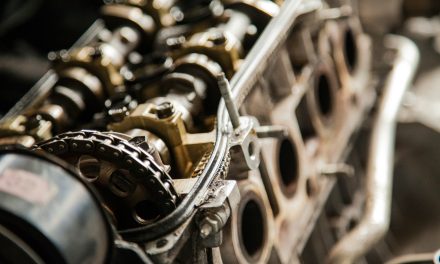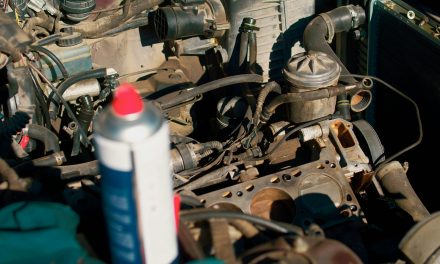
Experiencing a vehicle that shakes while idling can be a disconcerting issue for any driver. This phenomenon often indicates underlying mechanical problems that require immediate attention. The shaking can manifest as a subtle vibration or a more pronounced shudder, which may be accompanied by unusual noises or changes in engine performance. Understanding the root causes of this issue is crucial for maintaining vehicle safety and performance.
When a car shakes at idle, it can stem from various sources, ranging from minor issues to significant mechanical failures. Identifying the specific cause is essential for effective diagnosis and repair. This article delves into the common culprits behind car shaking at idle, providing insights into their mechanisms, symptoms, and potential solutions.
If you’ve ever wondered, “Why does my car shake when idling?” you might find it helpful to explore related automotive issues that can affect your vehicle’s performance. For instance, factors such as engine misfires, worn-out motor mounts, or issues with the fuel system can all contribute to a shaky idle. To gain a deeper understanding of how to maintain your vehicle and prevent such problems, you can check out this informative article on organizing your space effectively, which can also apply to keeping your garage or workspace neat: 10 Easy Ways to Organize Deep Pantry Shelves for Maximum Space.
Faulty Spark Plugs and Ignition System Issues
One of the primary reasons for a vehicle shaking at idle is faulty spark plugs or issues within the ignition system. Spark plugs are critical components that ignite the air-fuel mixture in the engine’s combustion chamber. When these plugs become worn, fouled, or damaged, they can lead to incomplete combustion, resulting in engine misfires. Symptoms of this issue may include rough idling, decreased fuel efficiency, and increased emissions.
To address this problem, it is essential to inspect and replace spark plugs as needed. Regular maintenance, including checking the ignition coils and wires, can prevent ignition system failures. A well-functioning ignition system ensures smooth engine operation and minimizes vibrations during idle.
Dirty or Clogged Fuel Injectors

Fuel injectors play a vital role in delivering the precise amount of fuel to the engine for optimal combustion. Over time, these injectors can become dirty or clogged due to carbon buildup or contamination in the fuel system. When fuel injectors fail to deliver the correct fuel mixture, it can lead to rough idling and shaking.
Cleaning or replacing fuel injectors is often necessary to restore proper engine function. Fuel injector cleaning services are available at many automotive shops, utilizing specialized solvents to remove deposits. Additionally, using high-quality fuel and periodic fuel system cleaners can help maintain injector cleanliness and prevent future issues.
Engine Mount Problems

Engine mounts are designed to secure the engine to the vehicle’s frame while absorbing vibrations during operation. If these mounts become worn or damaged, they may fail to adequately dampen engine vibrations, leading to noticeable shaking at idle. Symptoms of faulty engine mounts include excessive engine movement and increased noise levels.
To resolve this issue, a thorough inspection of the engine mounts is necessary. If any mounts are found to be cracked or deteriorated, they should be replaced promptly. Upgrading to high-performance mounts can also enhance vibration absorption and improve overall driving comfort.
If you’ve ever wondered why your car shakes when idling, it could be due to several factors such as engine misfires, worn-out motor mounts, or issues with the fuel system. Understanding these potential causes can help you address the problem effectively. For more insights on maintaining your vehicle and ensuring a smoother ride, you might find this article on car maintenance tips particularly useful.
Vacuum Leaks in the Engine
Vacuum leaks occur when there is an unintended gap in the intake manifold or vacuum hoses, allowing air to enter the engine without passing through the throttle body. This excess air disrupts the air-fuel mixture, leading to rough idling and shaking. Common symptoms of vacuum leaks include hissing sounds from the engine bay and fluctuating RPMs.
Diagnosing vacuum leaks typically involves visual inspections and smoke tests to identify areas where air may be escaping. Repairing or replacing damaged hoses and gaskets can restore proper vacuum levels and eliminate shaking during idle.
Malfunctioning Idle Air Control Valve
The Idle Air Control (IAC) valve regulates the amount of air entering the engine during idle conditions. A malfunctioning IAC valve can cause erratic idle speeds and shaking as it struggles to maintain the appropriate air-fuel mixture. Symptoms may include stalling, fluctuating RPMs, and difficulty starting the engine.
To address IAC valve issues, it is essential to perform diagnostic tests to determine its functionality. Cleaning the valve may resolve minor issues; however, replacement is often necessary for severely malfunctioning units. Ensuring that the IAC valve operates correctly is crucial for maintaining stable idle conditions.
Worn Out or Damaged Belts
Belts within the engine compartment play a significant role in driving various components such as the alternator, power steering pump, and air conditioning compressor. Worn or damaged belts can lead to vibrations that may be felt during idle. Symptoms of belt-related issues include squeaking noises and visible wear on the belt surface.
Regular inspection of belts for signs of wear or damage is essential for preventing idle-related shaking. Replacing worn belts promptly can restore proper function to engine accessories and reduce vibrations during idle.
Issues with the Exhaust System
The exhaust system is responsible for directing harmful gases away from the engine and reducing emissions. Problems within this system, such as a clogged catalytic converter or damaged exhaust pipes, can lead to increased back pressure and rough idling. Symptoms may include unusual noises from the exhaust and decreased engine performance.
Diagnosing exhaust system issues typically involves visual inspections and pressure tests to identify blockages or leaks. Repairing or replacing damaged components can restore proper exhaust flow and alleviate shaking during idle.
Dirty or Faulty Mass Air Flow Sensor
The Mass Air Flow (MAF) sensor measures the amount of air entering the engine, allowing the Engine Control Unit (ECU) to adjust fuel delivery accordingly. A dirty or malfunctioning MAF sensor can lead to incorrect air-fuel mixtures, resulting in rough idling and shaking. Symptoms may include poor acceleration and decreased fuel efficiency.
Cleaning or replacing a faulty MAF sensor is crucial for restoring optimal engine performance. Regular maintenance, including periodic cleaning of the sensor with specialized MAF cleaner, can help prevent issues related to air measurement inaccuracies.
Transmission Problems Affecting Idle Stability
Transmission issues can also contribute to car shaking at idle, particularly if there are problems with fluid levels or internal components. Automatic transmissions rely on hydraulic pressure to function correctly; low fluid levels can lead to erratic shifting and vibrations during idle. Symptoms may include slipping gears and unusual noises from the transmission.
To address transmission-related problems, it is essential to check fluid levels regularly and perform routine maintenance as recommended by the manufacturer. If issues persist, consulting a qualified technician for diagnostic testing may be necessary to identify internal transmission failures.
Diagnosing and Fixing Car Shaking at Idle
In conclusion, car shaking at idle can arise from various mechanical issues that require careful diagnosis and timely intervention. From faulty spark plugs and clogged fuel injectors to vacuum leaks and transmission problems, understanding these potential causes is vital for effective resolution. Regular maintenance practices, such as inspecting ignition components, cleaning fuel injectors, and monitoring fluid levels, can significantly reduce the likelihood of experiencing shaking at idle.
For drivers facing this issue, seeking professional assistance is often advisable for accurate diagnosis and repair solutions tailored to their specific vehicle needs. By addressing these concerns promptly, drivers can ensure smoother operation and enhance overall driving experience.
FAQ Section:
1. **What are common symptoms of car shaking at idle?**
– Common symptoms include vibrations felt through the steering wheel or seat, unusual noises from the engine compartment, fluctuating RPMs, and decreased acceleration performance.
2. **How can I diagnose if my spark plugs are faulty?**
– Inspect spark plugs for signs of wear such as carbon buildup or cracks. A multimeter can also be used to test their resistance.
3. **What maintenance can prevent fuel injector issues?**
– Regularly using high-quality fuel and adding fuel system cleaners can help maintain injector cleanliness.
4. **How do I know if my engine mounts are damaged?**
– Look for visible cracks or separation in rubber components; excessive engine movement during acceleration may also indicate mount failure.
5. **What should I do if I suspect a vacuum leak?**
– Conduct a visual inspection of hoses and gaskets; consider performing a smoke test for accurate detection of leaks.
6. **Can I clean my IAC valve myself?**
– Yes, cleaning an IAC valve with appropriate cleaners can resolve minor issues; however, replacement may be necessary for severe malfunctions.
7. **How often should I check my belts?**
– Belts should be inspected every 30,000 miles or as recommended by your vehicle’s manufacturer.
8. **What are signs of exhaust system problems?**
– Look for unusual noises from the exhaust area, decreased acceleration power, or visible damage to exhaust components.
9. **How do I maintain my MAF sensor?**
– Periodically clean your MAF sensor with specialized cleaner designed for this purpose; avoid touching the sensor element directly.
10. **When should I consult a mechanic about transmission issues?**
– If you notice slipping gears, unusual noises from the transmission area, or persistent shaking at idle despite other repairs.
In summary, understanding car shaking at idle involves recognizing various mechanical issues that could be at play—from ignition system failures to transmission problems—and taking proactive measures through regular maintenance and timely repairs to ensure optimal vehicle performance.
FAQs
What causes a car to shake when idling?
A car may shake when idling due to several reasons, including engine misfires, worn engine mounts, or issues with the fuel system. Misfires can occur when the spark plugs, ignition coils, or fuel injectors are malfunctioning, leading to uneven engine performance. Worn engine mounts can fail to absorb vibrations, causing the car to shake. Additionally, problems with the fuel system, such as a clogged fuel filter or low fuel pressure, can also contribute to this issue.
Can low engine oil cause my car to shake at idle?
Yes, low engine oil can cause your car to shake at idle. Insufficient oil levels can lead to increased friction and heat within the engine, resulting in poor performance and vibrations. It is essential to regularly check and maintain proper oil levels to ensure smooth engine operation.
Is it safe to drive a car that shakes while idling?
Driving a car that shakes while idling is not advisable, as it may indicate underlying mechanical issues that could worsen over time. Continuing to drive in this condition can lead to more severe damage to the engine or other components. It is best to have the vehicle inspected by a qualified mechanic to diagnose and resolve the issue.
How can I diagnose the cause of my car shaking at idle?
To diagnose the cause of your car shaking at idle, start by checking for any warning lights on the dashboard. Listen for unusual noises and observe if the shaking occurs only at idle or while driving as well. Inspect the engine mounts for wear and check the spark plugs and ignition system for faults. If you are unsure, it is recommended to take your car to a professional mechanic for a thorough inspection.
What are some common fixes for a shaking car at idle?
Common fixes for a shaking car at idle include replacing faulty spark plugs or ignition coils, cleaning or replacing fuel injectors, and addressing any issues with the engine mounts. Additionally, ensuring that the engine is properly tuned and that all fluids are at the correct levels can help resolve the shaking. Regular maintenance can prevent these issues from arising in the first place.