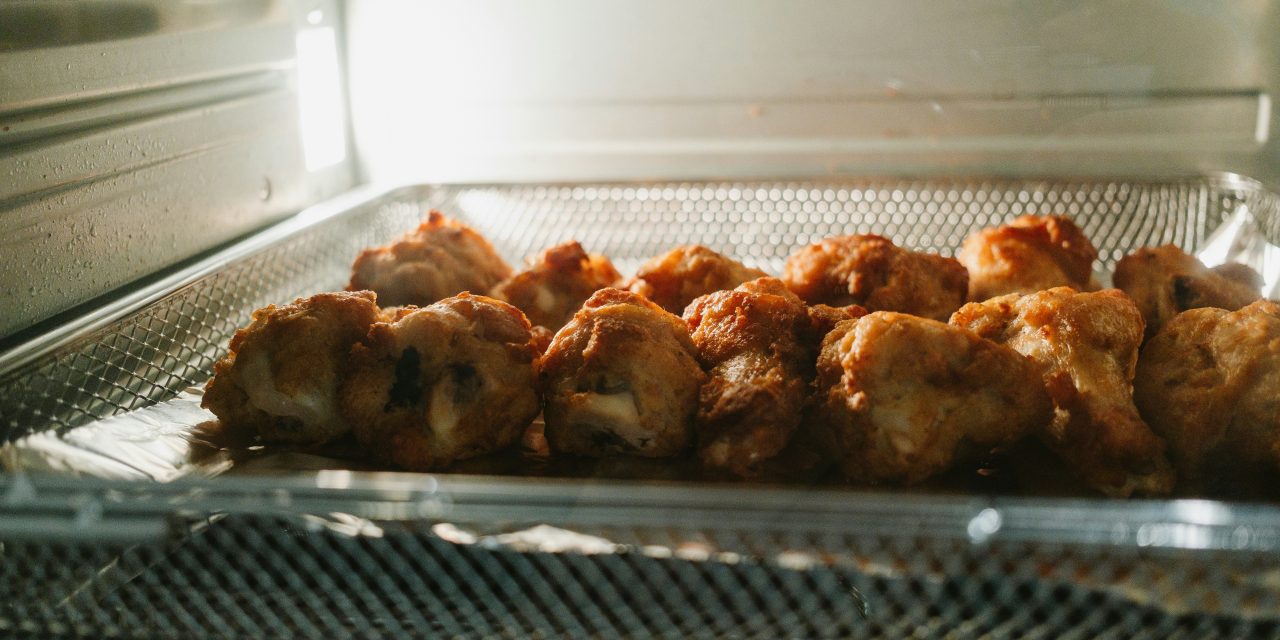
Meal prepping has become an essential strategy for individuals seeking to maintain a balanced diet while managing their busy lifestyles. Among the myriad of options available, cooked meatballs stand out as a versatile and convenient choice. Freezing cooked meatballs not only extends their shelf life but also allows for quick meal assembly, making them an ideal solution for those who wish to save time without compromising on nutrition. By preparing and freezing meatballs in advance, you can ensure that wholesome, homemade meals are always within reach, reducing reliance on processed foods and takeout.
The benefits of freezing cooked meatballs extend beyond mere convenience. When properly prepared and stored, frozen meatballs can retain their flavor and texture, providing a satisfying protein source that can be incorporated into various dishes. This article will delve into the intricacies of freezing cooked meatballs, offering insights into selection, preparation, storage, and reheating techniques that will help you maximize the quality and enjoyment of your meal prep endeavors.
If you’re looking for efficient meal prep strategies, freezing cooked meatballs is a fantastic way to save time and ensure you have delicious meals ready to go. For more tips on maintaining your kitchen appliances, you might find this article on how to clean an ice maker and remove mineral deposits helpful. You can read it here: how to clean an ice maker and remove mineral deposits. Keeping your appliances in top shape can make meal prep even easier!
Choosing the Right Meatballs for Freezing
Selecting the appropriate type of meatballs is crucial for successful freezing and subsequent reheating. Meatballs can be made from various proteins, including beef, pork, turkey, chicken, or even plant-based alternatives. Each type has its unique flavor profile and texture, which can influence the final dish. For instance, beef meatballs tend to be richer and more robust, while turkey or chicken meatballs offer a leaner option with a milder taste.
When choosing meatballs for freezing, consider the ingredients used in their preparation. Meatballs made with breadcrumbs or oats as binders tend to freeze better than those made solely with meat. Additionally, incorporating moisture-rich ingredients such as grated vegetables or sauces can enhance flavor retention during the freezing process. Opting for homemade meatballs allows for greater control over seasoning and quality, ensuring that your frozen stock remains delicious and nutritious.
Cooking Meatballs Perfectly Before Freezing

Achieving the perfect texture and flavor in cooked meatballs is essential before freezing them. The cooking method plays a significant role in this process; whether you choose to bake, pan-fry, or simmer your meatballs in sauce can affect their moisture content and overall quality. Baking is often recommended as it allows for even cooking while minimizing excess grease. Aim for an internal temperature of 160°F (71°C) for beef and pork meatballs and 165°F (74°C) for poultry to ensure food safety.
Once cooked, allow the meatballs to rest briefly before freezing. This resting period helps redistribute juices within the meat, enhancing flavor and moisture retention during storage. Avoid overcrowding the cooking surface to ensure even cooking; this will prevent some meatballs from becoming overcooked while others remain underdone. Properly cooked meatballs will not only taste better but will also maintain their structural integrity when frozen.
Cooling Meatballs Safely and Quickly

Cooling cooked meatballs promptly is vital to prevent bacterial growth and ensure food safety. The USDA recommends cooling cooked foods to below 40°F (4°C) within two hours of cooking. To expedite this process, spread the meatballs out on a baking sheet in a single layer. This method increases surface area exposure to cooler air, allowing them to cool more rapidly.
Alternatively, you can place the baking sheet in the refrigerator or use an ice bath by placing the tray in a larger container filled with ice water. Avoid leaving cooked meatballs at room temperature for extended periods, as this can lead to foodborne illnesses. Once cooled adequately, they are ready for portioning and packaging for freezing.
If you’re looking to streamline your meal prep, knowing how to freeze cooked meatballs can be a game changer for quick and easy dinners. By properly storing them, you can enjoy a delicious homemade meal anytime without the hassle of cooking from scratch. For additional tips on keeping your kitchen and home organized while preparing meals, you might find this article on seasonal pest control helpful, as it emphasizes maintaining a clean environment while cooking. Check it out here for more insights.
Preparing Meatballs for Freezing: Portioning Tips
Portioning cooked meatballs before freezing is an effective strategy that allows for easy meal assembly later on. Consider how you plan to use the meatballs in future meals when determining portion sizes. For instance, if you typically use meatballs in pasta dishes or subs, packaging them in groups of four to six may be ideal. Conversely, if you prefer smaller servings for appetizers or snacks, consider packaging them individually.
Using a cookie scoop or measuring cup can help ensure uniformity in portion sizes, which aids in even cooking during reheating. Additionally, consider freezing some meatballs in sauce if you plan to use them in dishes like spaghetti or meatball subs; this will enhance flavor retention and simplify meal preparation later on.
Selecting Appropriate Freezer-Safe Containers or Bags
Choosing the right storage containers is crucial for maintaining the quality of frozen meatballs. Opt for freezer-safe plastic bags or airtight containers designed specifically for freezing food. Vacuum-sealed bags are particularly effective at preventing freezer burn by removing excess air from the packaging.
When using plastic bags, ensure they are labeled as freezer-safe to withstand low temperatures without compromising integrity. If using containers, select those made from durable materials that can withstand extreme cold without cracking or breaking. Proper sealing is essential; any exposure to air can lead to freezer burn, which negatively impacts flavor and texture.
Labeling and Dating Your Meatball Packages
Proper labeling is an often-overlooked aspect of meal prep that can significantly enhance organization and efficiency in your kitchen. Each package of frozen meatballs should be labeled with the contents, date of preparation, and any specific cooking instructions if necessary. This practice not only helps you keep track of what you have stored but also ensures that you use older items first to minimize waste.
Using waterproof markers or labels designed for freezer use will help maintain legibility even when exposed to moisture or condensation. A simple system of color-coding labels based on protein type or intended meal can further streamline your meal prep process.
Freezing Meatballs: Best Practices for Quality
To preserve the quality of frozen meatballs, adhere to best practices during the freezing process. First, ensure that meatballs are completely cooled before packaging; this prevents condensation from forming inside containers or bags, which can lead to ice crystals and freezer burn.
When placing meatballs in bags or containers, avoid overcrowding; leaving space between individual meatballs allows for better air circulation during freezing. If using bags, lay them flat in the freezer until solidified; this not only saves space but also makes it easier to stack them later on. Aim to consume frozen meatballs within three months for optimal flavor and texture.
Thawing Meatballs Safely for Reheating
Thawing frozen meatballs safely is crucial to maintaining food safety standards and ensuring a pleasant dining experience. The safest method is to transfer them from the freezer to the refrigerator and allow them to thaw overnight. This gradual thawing process minimizes bacterial growth while preserving texture.
If time is of the essence, you can also thaw meatballs using the microwave’s defrost setting; however, be cautious not to begin cooking them during this process. Alternatively, you can add frozen meatballs directly into sauces or soups while cooking; they will thaw and heat through as the dish simmers.
Reheating Frozen Meatballs Without Losing Flavor
Reheating frozen meatballs requires careful attention to avoid compromising their flavor and texture. The oven is an excellent option for reheating as it allows for even heating without drying out the meatballs. Preheat your oven to 350°F (175°C), place the meatballs on a baking sheet, and cover them with foil to retain moisture during reheating.
If using a stovetop method, consider simmering the meatballs in sauce; this not only warms them through but also enhances their flavor profile as they absorb the sauce’s richness. Microwaving is another option but should be done cautiously; use medium power settings and heat in short intervals to prevent uneven heating.
Creative Meal Ideas Using Frozen Meatballs
Frozen meatballs offer endless culinary possibilities that can elevate your meal prep game. Here are several creative ideas:
1. **Spaghetti and Meatballs**: A classic dish that never goes out of style; simply reheat your frozen meatballs in marinara sauce and serve over al dente spaghetti.
2. **Meatball Subs**: Toast a hoagie roll and fill it with reheated meatballs topped with marinara sauce and melted cheese for a satisfying sandwich.
3. **Meatball Soup**: Add frozen meatballs directly into vegetable broth along with your favorite vegetables for a hearty soup.
4. **Meatball Pizza**: Top a pizza crust with marinara sauce, cheese, and sliced reheated meatballs for a delicious twist on traditional pizza.
5. **Meatball Stir-Fry**: Incorporate thawed meatballs into a stir-fry with vegetables and your choice of sauce for a quick weeknight dinner.
In summary, freezing cooked meatballs is an efficient way to streamline meal prep while ensuring nutritious options are readily available. By selecting quality ingredients, cooking them properly, cooling them safely, and employing effective storage techniques, you can enjoy flavorful meals with minimal effort throughout the week. With proper thawing and reheating methods in place, these versatile protein-packed morsels can be transformed into an array of delightful dishes that cater to various tastes and preferences.
FAQs
Can I freeze cooked meatballs?
Yes, you can freeze cooked meatballs. Freezing is an excellent way to preserve their flavor and texture for future meals. Make sure to cool them completely before freezing to prevent ice crystals from forming.
What is the best way to freeze cooked meatballs?
The best way to freeze cooked meatballs is to first allow them to cool completely. Then, place them in a single layer on a baking sheet and freeze until solid. Once frozen, transfer them to an airtight container or freezer bag, removing as much air as possible to prevent freezer burn.
How long can I keep frozen cooked meatballs?
Frozen cooked meatballs can be stored in the freezer for up to 3 months for optimal quality. While they may remain safe to eat beyond this time, their texture and flavor may deteriorate.
How do I reheat frozen cooked meatballs?
To reheat frozen cooked meatballs, you can either thaw them in the refrigerator overnight and then heat them in the oven or on the stovetop, or you can reheat them directly from frozen. If reheating from frozen, add a little extra time to ensure they are heated through completely.
Can I freeze meatballs with sauce?
Yes, you can freeze meatballs with sauce. Just make sure the sauce is cooled before combining it with the meatballs. Store them in an airtight container or freezer bag, ensuring that the sauce covers the meatballs to prevent freezer burn.