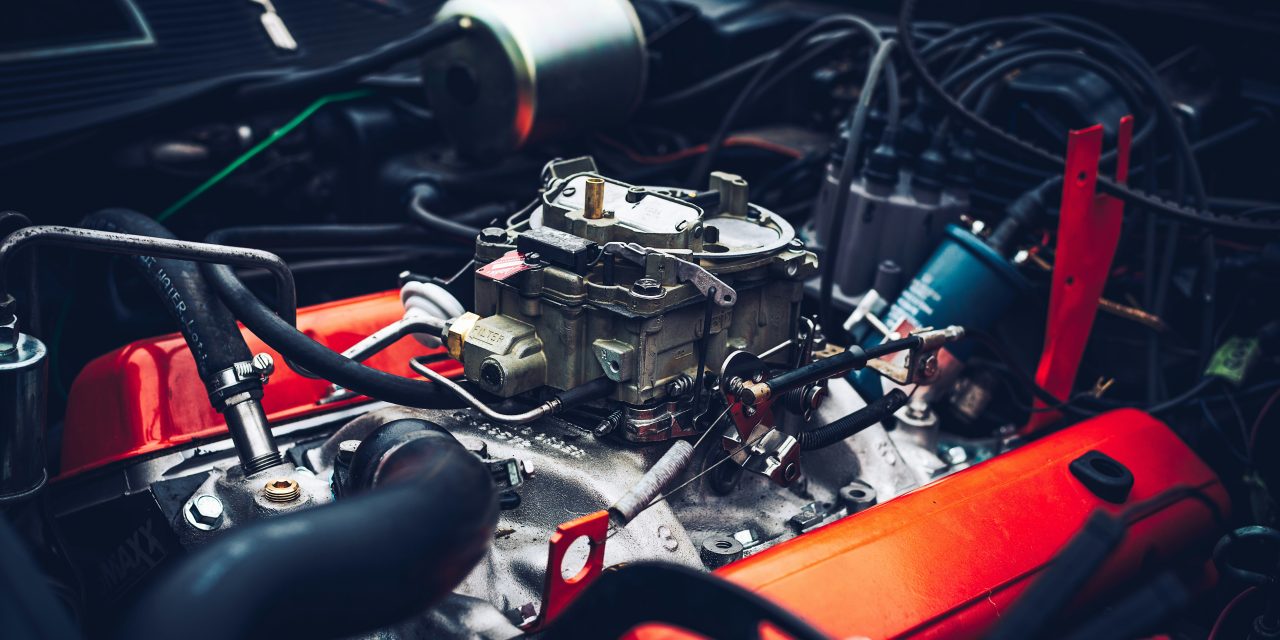
Engine rattling at idle is a common concern among vehicle owners, often signaling underlying mechanical issues that require immediate attention. This phenomenon can manifest as a variety of sounds, ranging from subtle ticking to pronounced clattering, and can be indicative of several potential problems within the engine compartment. Understanding the root causes of these noises is crucial for maintaining vehicle performance and longevity.
When an engine rattles while idling, it can lead to increased wear and tear on components, potentially resulting in costly repairs if left unaddressed. Identifying the source of the noise is essential for effective diagnosis and treatment. This article will explore various causes of engine rattling, including worn timing chains, loose heat shields, faulty valve lifters, and more. By understanding these issues, vehicle owners can take proactive measures to ensure their engines operate smoothly and efficiently.
If you’ve ever wondered why your engine makes a rattling noise at idle, it could be due to several factors such as loose components, worn-out parts, or issues with the exhaust system. Understanding these potential causes can help you diagnose the problem more effectively. For more insights on troubleshooting mechanical issues, you might find this article on fixing common household problems helpful: How to Fix a Door That Sticks or Won’t Close Properly.
Worn Timing Chain or Belt
One of the primary culprits behind engine rattling at idle is a worn timing chain or belt. The timing chain or belt is responsible for synchronizing the rotation of the crankshaft and camshaft, ensuring that the engine’s valves open and close at the correct intervals. Over time, these components can experience wear due to friction, heat, and age, leading to a loose or stretched chain or belt.
When the timing chain or belt becomes worn, it may produce a rattling noise as it fails to maintain proper tension. This can result in misalignment of the engine’s timing, causing poor performance and potentially severe engine damage if not addressed promptly. Regular inspections and timely replacements of these components are essential for preventing rattling noises and ensuring optimal engine function.
Loose or Damaged Heat Shields

Another common source of rattling sounds in an idling engine is loose or damaged heat shields. Heat shields are designed to protect various components from excessive heat generated by the exhaust system. Over time, these shields can become corroded or loosened due to vibrations and exposure to high temperatures.
When heat shields are compromised, they may rattle against other parts of the vehicle, creating an unsettling noise that can be mistaken for more serious engine issues. Inspecting heat shields for signs of damage or looseness is a straightforward process that can often resolve rattling noises without requiring extensive repairs. Ensuring that heat shields are securely fastened can prevent unnecessary noise and protect vital engine components from heat damage.
Faulty Valve Lifters or Rocker Arms

Faulty valve lifters or rocker arms can also contribute to engine rattling at idle. Valve lifters are responsible for transferring motion from the camshaft to the valves, while rocker arms facilitate the opening and closing of the valves themselves. If these components become worn or damaged, they may fail to operate smoothly, resulting in a ticking or rattling sound.
Inadequate lubrication can exacerbate this issue, leading to increased friction and wear on the lifters and rocker arms. Regular oil changes and using high-quality lubricants can help mitigate these problems by ensuring that all moving parts receive adequate lubrication. If rattling persists despite proper maintenance, it may be necessary to replace faulty lifters or rocker arms to restore normal engine function.
If you’re experiencing a rattling noise from your engine at idle, it could be due to several factors such as loose components or issues with the timing chain. To better understand the potential causes and solutions, you might find it helpful to read a related article that discusses engine noises and their implications. This resource can provide you with insights into diagnosing the problem effectively. For more information, check out this informative piece on engine noises and their common causes.
Exhaust System Issues
Exhaust system problems can also manifest as rattling noises during idle. Components such as catalytic converters, mufflers, and exhaust pipes can become loose or damaged over time due to corrosion or physical impact. When these parts are not securely attached, they may vibrate against each other or other components of the vehicle, producing a distinct rattling sound.
Diagnosing exhaust system issues typically involves a visual inspection for signs of damage or looseness. If any components are found to be compromised, they should be repaired or replaced promptly to prevent further noise and potential exhaust leaks. Addressing exhaust system problems not only reduces rattling but also enhances overall vehicle performance and efficiency.
Engine Knock Due to Incorrect Fuel Mixture
Engine knock is another potential cause of rattling noises at idle, often resulting from an incorrect fuel mixture. When the air-fuel ratio is imbalanced—either too rich or too lean—it can lead to premature ignition of the fuel mixture within the combustion chamber. This phenomenon creates a knocking sound that can be mistaken for mechanical issues.
To address this problem, it is essential to ensure that the fuel system is functioning correctly. Regular maintenance of fuel injectors, air filters, and sensors can help maintain an optimal air-fuel mixture. If knocking persists despite proper maintenance, it may be necessary to consult a mechanic for further diagnosis and potential adjustments to the fuel system.
Low Oil Pressure or Oil Level
Low oil pressure or oil level can significantly impact engine performance and contribute to rattling noises at idle. Engine oil serves as a lubricant for moving parts, reducing friction and preventing wear. When oil levels drop below recommended levels or when oil pressure is insufficient, it can lead to increased friction between components, resulting in rattling sounds.
Regularly checking oil levels and ensuring timely oil changes are crucial for maintaining proper lubrication within the engine. If low oil pressure is detected, it may indicate a more serious issue such as a failing oil pump or leaks within the system. Addressing these concerns promptly can prevent severe engine damage and restore quiet operation.
Loose or Damaged Engine Mounts
Loose or damaged engine mounts can also contribute to rattling noises during idle. Engine mounts are designed to secure the engine in place while absorbing vibrations produced during operation. Over time, these mounts can wear out or become damaged due to stress and exposure to heat.
When engine mounts fail, they may allow excessive movement of the engine during idle, leading to rattling sounds as components come into contact with each other or with the vehicle frame. Inspecting engine mounts for signs of wear or damage is essential for maintaining a quiet and stable engine operation. Replacing compromised mounts can significantly reduce noise levels and enhance overall driving comfort.
Carbon Buildup in the Combustion Chamber
Carbon buildup in the combustion chamber is another factor that can lead to engine rattling at idle. Over time, carbon deposits can accumulate on valves, pistons, and spark plugs due to incomplete combustion of fuel. This buildup can disrupt normal combustion processes, leading to knocking sounds as fuel ignites prematurely.
To prevent carbon buildup, regular maintenance such as fuel system cleaning and using high-quality fuels is recommended. If significant buildup occurs, professional cleaning services may be necessary to restore optimal engine performance. Addressing carbon deposits not only reduces rattling but also improves fuel efficiency and overall engine health.
Problems with the Fuel Injectors
Fuel injectors play a critical role in delivering the correct amount of fuel into the combustion chamber for efficient combustion. If injectors become clogged or malfunctioning, they may deliver an improper fuel mixture, leading to rough idling and potential rattling noises.
Regular maintenance of fuel injectors is essential for preventing issues that could lead to rattling sounds at idle. Cleaning injectors periodically and replacing them when necessary can help ensure optimal fuel delivery and combustion efficiency. If rattling persists despite injector maintenance, further diagnostic testing may be required to identify underlying issues within the fuel system.
When to See a Mechanic: Diagnosing Persistent Rattling Noises
While some causes of engine rattling at idle may be easily identifiable and resolved through routine maintenance, others may require professional intervention. If rattling noises persist despite addressing common issues such as oil levels, fuel quality, and component inspections, it is advisable to consult a qualified mechanic for further diagnosis.
Mechanics utilize specialized diagnostic tools and techniques to pinpoint the source of persistent rattling noises accurately. They may conduct comprehensive inspections of various engine components, including timing chains, valve lifters, exhaust systems, and more. Early intervention by a professional can prevent further damage and ensure that your vehicle remains safe and reliable on the road.
In summary, understanding the various causes of engine rattling at idle is essential for maintaining vehicle performance and longevity. From worn timing chains to faulty fuel injectors, numerous factors can contribute to this issue. Regular maintenance practices such as oil changes, inspections of critical components, and addressing any signs of wear can help mitigate these problems effectively. If rattling persists despite these efforts, seeking professional assistance is crucial for accurate diagnosis and resolution of underlying issues.
FAQs
What causes a rattling noise in an engine at idle?
A rattling noise in an engine at idle can be caused by several factors, including loose or worn engine components, such as heat shields, exhaust components, or engine mounts. Additionally, issues with the timing chain or belt, low oil levels, or insufficient oil pressure can also contribute to this noise.
Is a rattling noise at idle a serious issue?
While a rattling noise at idle may not always indicate a serious problem, it can be a sign of underlying issues that could lead to more significant engine damage if left unaddressed. It is advisable to have the vehicle inspected by a qualified mechanic to determine the cause and necessary repairs.
Can low oil levels cause a rattling noise in the engine?
Yes, low oil levels can cause a rattling noise in the engine. Insufficient oil can lead to inadequate lubrication of engine components, resulting in increased friction and noise. Regularly checking and maintaining proper oil levels is essential for engine health.
How can I diagnose the source of the rattling noise?
To diagnose the source of a rattling noise, you can start by visually inspecting the engine for loose components or signs of wear. Listening closely to the noise can help identify its location. If the noise persists, it is best to consult a professional mechanic who can perform a thorough inspection and diagnostic tests.
What should I do if my engine is making a rattling noise?
If your engine is making a rattling noise, it is important to address the issue promptly. Begin by checking the oil level and topping it off if necessary. If the noise continues, schedule an appointment with a mechanic to diagnose and repair the problem to prevent potential engine damage.