Overheating is a critical issue that can lead to severe engine damage if not addressed promptly. Recognizing the early signs of overheating is essential for any vehicle owner. Common indicators include the temperature gauge rising above the normal range, steam emanating from under the hood, and unusual engine noises. Additionally, warning lights on the dashboard, particularly the temperature warning light, should not be ignored. These signs indicate that the engine is operating at a temperature that exceeds its optimal range, which can lead to catastrophic failure if left unchecked.
Another symptom to be aware of is a sudden decrease in engine performance. If your vehicle begins to lose power or struggles to accelerate, it may be a sign that the engine is overheating. Drivers should also pay attention to any strange smells, such as burning oil or coolant, which can indicate that fluids are leaking or burning due to excessive heat. By being vigilant and recognizing these signs early, drivers can take proactive measures to prevent further damage.
If you find yourself in a situation where your car overheats while driving, it’s essential to take immediate action to prevent further damage to your vehicle. One helpful resource that provides guidance on emergency situations is an article discussing the top 10 canned foods and their shelf life, which can be useful for preparing an emergency kit for your car. You can read more about it here: Top 10 Canned Foods and Their Shelf Life.
Safely Pull Over to the Side of the Road
Upon noticing signs of overheating, the first step is to safely pull over to the side of the road. This action is crucial for ensuring both personal safety and preventing further damage to the vehicle. When selecting a location to stop, look for a flat area away from traffic where you can safely exit the vehicle. Turn on your hazard lights to alert other drivers of your situation. Once stopped, it is essential to remain calm and assess the situation before taking any further action.
While waiting for the engine to cool down, it is advisable to stay inside the vehicle with your seatbelt fastened if you are on a busy road. If you must exit, ensure that you do so cautiously and remain at a safe distance from moving traffic. This precaution not only protects you but also allows you to observe any visible signs of trouble under the hood without putting yourself in harm’s way.
Turn Off the Air Conditioning and Turn On the Heater

Once safely parked, one of the immediate actions to take is to turn off the air conditioning system. The air conditioning unit places additional strain on the engine, which can exacerbate overheating issues. By shutting it off, you reduce the load on the engine, allowing it to cool more effectively. In contrast, turning on the heater may seem counterintuitive; however, it can help dissipate heat from the engine by redirecting it into the cabin of the vehicle.
This method works by utilizing the vehicle’s heating system as a secondary cooling mechanism. The heater core acts as a radiator for the cabin air, absorbing excess heat from the engine coolant. While this may make the interior uncomfortable, it can be a temporary solution that aids in lowering engine temperatures until further action can be taken.
Pop the Hood to Allow the Engine to Cool

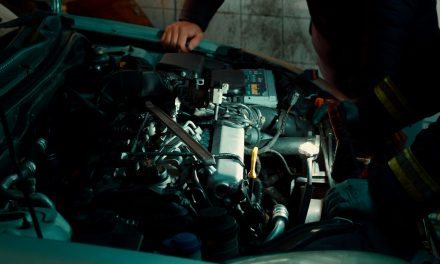
After taking steps to reduce engine load, popping the hood is an essential next step. Opening the hood allows heat to escape more rapidly from the engine compartment, facilitating cooling. However, caution must be exercised when performing this action; it is crucial to wait until steam has dissipated and there are no visible signs of boiling coolant before approaching the engine area.
When lifting the hood, ensure that it is secured properly to prevent it from falling unexpectedly. This action not only aids in cooling but also provides an opportunity for visual inspection of potential issues such as leaks or damaged components. Allowing sufficient time for cooling is vital; typically, waiting at least 30 minutes is advisable before attempting any further troubleshooting.
When your car overheats while driving, it’s crucial to take immediate action to prevent engine damage. Start by pulling over to a safe location and turning off the engine to allow it to cool down. While waiting, you can check the coolant levels and look for any visible leaks. For more detailed steps on handling this situation effectively, you might find it helpful to read this informative article on what to do when your car overheats. Additionally, if you’re interested in learning how to bake potatoes with crispy skin and fluffy centers, you can explore that topic further here.
Check the Coolant Level and Refill if Necessary
Once the engine has cooled sufficiently, checking the coolant level becomes imperative. The coolant reservoir is usually transparent and marked with minimum and maximum levels for easy reference. If the coolant level is below the minimum mark, it indicates that there may be a leak or that coolant has evaporated due to excessive heat. In such cases, topping off with a suitable coolant mixture is necessary.
When refilling coolant, it is essential to use a mixture that complies with your vehicle’s specifications. Most vehicles require a 50/50 mix of antifreeze and distilled water for optimal performance. If you are unsure about which type of coolant to use, consult your owner’s manual or seek advice from a professional mechanic. Proper coolant levels are crucial for maintaining engine temperature and preventing future overheating incidents.
Avoid Opening the Radiator Cap While Hot
One of the most critical safety precautions during an overheating incident is avoiding opening the radiator cap while hot. The radiator operates under high pressure, and opening it prematurely can result in scalding hot coolant spraying out, posing serious burn risks. It is advisable to wait until the engine has cooled completely before attempting to remove the radiator cap.
If you must check coolant levels or add fluid, use a cloth or towel to cover the cap and slowly release any built-up pressure by turning it slightly without fully removing it. This method allows steam and pressure to escape safely before fully opening the cap. Always prioritize safety when dealing with hot components; patience can prevent serious injuries.
Use Water as a Temporary Coolant in Emergencies
In emergency situations where coolant is unavailable, using water as a temporary coolant can be a viable solution. While not ideal for long-term use due to potential corrosion and freezing issues, water can help lower engine temperatures in critical moments. If you choose this option, ensure that you use clean water free from contaminants.
When adding water, pour it slowly into the radiator or coolant reservoir after ensuring that it has cooled sufficiently. Monitor your vehicle closely after using water as a temporary fix; it is essential to replace it with proper coolant as soon as possible to avoid long-term damage.
Inspect for Visible Leaks or Broken Hoses
After addressing immediate cooling needs, conducting a thorough inspection for visible leaks or broken hoses is crucial. Look for signs of coolant pooling under the vehicle or wet spots on hoses and connections. Pay particular attention to areas around clamps and fittings where leaks are most likely to occur.
Inspecting hoses for cracks or bulges is equally important; damaged hoses can lead to significant coolant loss and subsequent overheating. If any issues are detected during this inspection, repairs should be made promptly to prevent recurrence of overheating problems.
Restart the Engine Only When It Has Cooled Down
Before attempting to restart your vehicle after an overheating incident, ensure that sufficient time has passed for complete cooling. Restarting an overheated engine can cause severe damage due to thermal shock and increased pressure within engine components. Wait at least 30 minutes after cooling down before attempting ignition.
When restarting, listen carefully for any unusual sounds or warning lights on your dashboard. If everything appears normal but overheating symptoms persist upon driving, pull over immediately and reassess your situation.
Call for Roadside Assistance if the Problem Persists
If overheating issues continue despite taking preventive measures and troubleshooting steps, calling for roadside assistance may be necessary. Professional mechanics have specialized tools and expertise to diagnose underlying problems accurately. They can assess whether there are deeper issues such as a malfunctioning thermostat, water pump failure, or internal engine damage.
Roadside assistance services can also provide towing options if repairs cannot be made on-site. It is essential not to ignore persistent overheating symptoms; addressing them promptly can save you from costly repairs down the line.
Prevent Future Overheating with Regular Maintenance
Preventing future overheating incidents requires proactive maintenance practices tailored specifically for your vehicle’s needs. Regularly scheduled maintenance checks should include inspecting coolant levels, flushing and replacing old coolant as recommended by manufacturers, and checking hoses for wear and tear.
Additionally, monitoring your vehicle’s temperature gauge during operation can help identify potential issues before they escalate into serious problems. Keeping an eye on belts and pulleys associated with cooling systems ensures they remain in good condition as well.
In conclusion, recognizing early signs of overheating and taking immediate action can significantly mitigate risks associated with engine damage. By following these steps—safely pulling over, managing cabin temperature controls, inspecting coolant levels, and seeking professional help when necessary—drivers can protect their vehicles from overheating-related failures while ensuring their safety on the road.
### FAQ Section
1. **What causes an engine to overheat?**
– Common causes include low coolant levels, malfunctioning thermostats, broken water pumps, blocked radiators, or leaks in hoses.
2. **How can I tell if my car is overheating?**
– Look for rising temperature gauges, steam from under the hood, warning lights on your dashboard, or unusual noises from the engine.
3. **Is it safe to drive my car if it’s overheating?**
– No; driving an overheated vehicle can cause severe damage to engine components and should be avoided until resolved.
4. **What should I do if my car overheats?**
– Pull over safely, turn off air conditioning, open windows or turn on heater, pop hood for ventilation, check coolant levels once cooled down.
5. **Can I use tap water as coolant?**
– While tap water can be used temporarily in emergencies, it’s best replaced with proper coolant as soon as possible due to potential corrosion issues.
6. **How often should I check my coolant levels?**
– It’s advisable to check coolant levels monthly or before long trips; regular maintenance checks should also include this inspection.
7. **What are some preventative measures against overheating?**
– Regular maintenance checks on cooling systems, timely replacement of worn hoses/belts, flushing old coolant periodically are effective strategies.
8. **What should I do if I see steam coming from my hood?**
– Pull over immediately in a safe location and allow your vehicle time to cool down before inspecting under the hood.
9. **How long does it take for an overheated engine to cool down?**
– Typically 30 minutes; however, this may vary based on environmental conditions and severity of overheating.
10. **When should I call for roadside assistance?**
– If overheating persists after taking initial corrective actions or if you suspect serious mechanical issues requiring professional evaluation.
In summary, understanding how to recognize signs of overheating early and taking appropriate actions can prevent severe damage to your vehicle’s engine while ensuring safety on the road. Regular maintenance plays a pivotal role in preventing future incidents and prolonging vehicle lifespan.
FAQs
What are the common causes of a car overheating while driving?
Common causes of a car overheating include low coolant levels, a malfunctioning thermostat, a broken water pump, a clogged radiator, or a damaged radiator fan. Additionally, leaks in the cooling system or a blown head gasket can also lead to overheating.
What should I do immediately if my car starts to overheat?
If your car starts to overheat, the first step is to safely pull over to the side of the road. Turn off the engine and allow it to cool down for at least 15-30 minutes. Avoid opening the hood immediately, as steam may escape. Once cooled, check the coolant level and look for any visible leaks.
Can I continue driving if my car is overheating?
No, continuing to drive an overheating car can cause severe damage to the engine, including a blown head gasket or complete engine failure. It is crucial to stop the vehicle as soon as it is safe to do so and address the overheating issue.
How can I prevent my car from overheating in the future?
To prevent overheating, regularly check and maintain your vehicle’s cooling system, including the coolant level, radiator, and hoses. Schedule routine maintenance, replace worn-out parts, and ensure that the thermostat and water pump are functioning properly. Additionally, avoid heavy traffic and excessive idling during hot weather.
When should I seek professional help for an overheating car?
If your car continues to overheat after checking the coolant level and allowing it to cool down, or if you notice any leaks or unusual noises, it is advisable to seek professional help. A mechanic can diagnose and repair underlying issues that may be causing the overheating.