Experiencing a gasoline odor inside your vehicle can be alarming and warrants immediate attention. The presence of this smell often indicates a potential issue that could compromise both the safety and performance of your automobile. Gasoline vapors are not only unpleasant but can also pose serious health risks, including headaches, dizziness, and respiratory issues. Understanding the underlying causes of this odor is crucial for effective diagnosis and resolution.
The sources of gasoline smells can vary widely, ranging from minor issues to significant mechanical failures. Identifying the root cause is essential for determining the appropriate course of action. This article will delve into various potential sources of gasoline odors, providing insights into their implications and offering solutions for remediation.
If you’ve ever wondered why your car smells like gasoline inside, it could be due to a variety of issues, such as a fuel leak or a problem with the fuel system. It’s essential to address this smell promptly, as it can indicate a serious safety hazard. For more information on maintaining your vehicle’s overall health, including the importance of regularly changing your HVAC air filter, you can check out this related article: How Often Should You Change Your HVAC Air Filter?.
Fuel Leak in the Engine Compartment
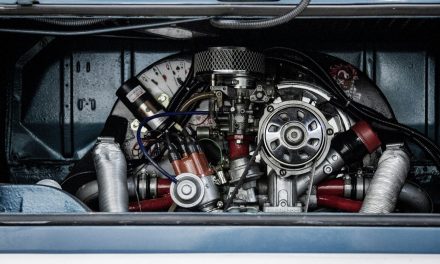
One of the most common reasons for a gasoline smell inside a vehicle is a fuel leak in the engine compartment. Fuel leaks can occur due to a variety of factors, including wear and tear on fuel lines, damaged fuel injectors, or even corrosion of metal components. When gasoline escapes from its intended pathway, it can evaporate quickly, leading to a noticeable odor that permeates the cabin.
To diagnose a fuel leak, it is essential to conduct a thorough visual inspection of the engine compartment. Look for signs of wetness or staining around fuel lines, injectors, and connections. If you suspect a leak, it is advisable to refrain from operating the vehicle until the issue is resolved, as fuel leaks can lead to fire hazards and environmental contamination.
Faulty Fuel Injector or Fuel Line

Another potential source of gasoline odors is a malfunctioning fuel injector or compromised fuel line. Fuel injectors are responsible for delivering precise amounts of fuel into the engine’s combustion chamber. If an injector becomes clogged or damaged, it may leak fuel, resulting in an unpleasant smell. Similarly, fuel lines can develop cracks or pinholes over time, allowing gasoline to escape.
To address these issues, it is crucial to have the fuel system inspected by a qualified technician. They may perform tests to assess injector performance and inspect fuel lines for integrity. In some cases, cleaning or replacing faulty injectors may be necessary, while damaged fuel lines will require immediate replacement to ensure safe operation.
Damaged or Loose Gas Cap

A seemingly minor issue that can lead to a gasoline smell is a damaged or improperly secured gas cap. The gas cap serves as a seal for the fuel tank, preventing vapors from escaping into the atmosphere. If the cap is cracked, worn out, or not tightened correctly, it can allow gasoline vapors to escape, resulting in an odor inside the vehicle.
To remedy this situation, inspect the gas cap for any visible damage and ensure it is securely fastened after refueling. If the cap appears compromised, replacing it with an OEM (Original Equipment Manufacturer) part is advisable to maintain proper sealing and prevent future issues.
If you’ve ever noticed a gasoline smell inside your car, it could be due to several issues, such as a fuel leak or a problem with the fuel system. It’s important to address this issue promptly, as it can pose safety risks. For more insights on automotive odors and their potential causes, you might find this article helpful in understanding the various reasons behind unusual smells in vehicles. You can check it out here.
Issues with the Evaporative Emission Control System (EVAP)
The Evaporative Emission Control System (EVAP) plays a critical role in capturing and recycling fuel vapors from the fuel tank. If components within this system malfunction—such as the charcoal canister, purge valve, or vent valve—fuel vapors may escape into the atmosphere and infiltrate the cabin.
Diagnosing EVAP system issues typically requires specialized diagnostic equipment to identify trouble codes stored in the vehicle’s onboard computer. A qualified technician can perform tests to pinpoint the malfunctioning component and recommend appropriate repairs or replacements to restore system functionality.
Leaking Fuel Tank or Fuel Pump
A leaking fuel tank or malfunctioning fuel pump can also contribute to gasoline odors inside your vehicle. Fuel tanks can develop leaks due to corrosion, impact damage, or manufacturing defects. Similarly, if a fuel pump develops a leak at its seals or connections, it can lead to gasoline escaping into areas where it should not be.
To address these concerns, it is essential to conduct a thorough inspection of both the fuel tank and pump assembly. If leaks are detected, replacement of the affected components will be necessary to ensure safe operation and prevent further complications.
Exhaust System Problems Leading to Fumes Inside the Cabin
Exhaust system issues can also result in gasoline odors infiltrating the cabin of your vehicle. Problems such as exhaust leaks or faulty catalytic converters can allow harmful fumes to enter through vents or openings in the cabin area. This situation poses significant health risks and should be addressed promptly.
To diagnose exhaust system problems, a comprehensive inspection should be conducted by a qualified technician. They will assess exhaust components for leaks and ensure that all connections are secure. Repairing or replacing damaged exhaust parts will help eliminate fumes from entering the cabin and improve overall vehicle performance.
Residual Gasoline Spills During Refueling
Residual gasoline spills during refueling can also contribute to unpleasant odors inside your vehicle. Spills may occur if the nozzle is not properly inserted into the filler neck or if overfilling occurs. These spills can seep into crevices within the vehicle’s structure, leading to lingering odors.
To mitigate this issue, it is essential to clean up any spills immediately using absorbent materials designed for petroleum products. Additionally, ensuring proper refueling techniques—such as avoiding overfilling—can help prevent future occurrences.
Worn or Damaged Seals and Gaskets
Worn or damaged seals and gaskets throughout your vehicle can also lead to gasoline odors infiltrating the cabin. These components are designed to create airtight seals between various parts of the fuel system and engine compartment. Over time, exposure to heat and chemicals can cause them to degrade, leading to leaks.
Regular inspections of seals and gaskets are crucial for maintaining vehicle integrity. If any signs of wear are detected—such as cracking or brittleness—replacement should be performed promptly to prevent further complications.
Cabin Air Filter Contamination
The cabin air filter plays a vital role in maintaining air quality within your vehicle’s interior. If this filter becomes contaminated with gasoline vapors due to leaks or spills, it can lead to unpleasant odors circulating through the cabin when the ventilation system is activated.
To address this issue, regular replacement of the cabin air filter is recommended as part of routine maintenance. A clean filter will help ensure that only fresh air enters the cabin while minimizing any lingering odors from previous spills or leaks.
When to Seek Professional Help for Gasoline Smell in Your Car
If you detect a persistent gasoline smell inside your vehicle, it is crucial to seek professional assistance promptly. Ignoring this issue could lead to severe consequences, including fire hazards and health risks associated with prolonged exposure to gasoline vapors.
A qualified automotive technician will have the expertise and diagnostic tools necessary to identify the source of the odor accurately. They will conduct thorough inspections of all relevant systems and components, providing you with a comprehensive assessment and recommendations for repairs or replacements as needed.
In conclusion, understanding the various causes of gasoline smells inside your car is essential for maintaining safety and performance. From fuel leaks in the engine compartment to issues with seals and gaskets, each potential source requires careful consideration and prompt action. Regular maintenance and inspections can help prevent many of these issues from arising in the first place.
By being proactive about vehicle care and seeking professional assistance when necessary, you can ensure that your car remains safe and enjoyable to drive while minimizing any unpleasant odors that may arise from gasoline leaks or spills.
FAQs
What causes a gasoline smell inside my car?
A gasoline smell inside your car can be caused by several factors, including fuel leaks from the fuel system, a damaged fuel injector, or a malfunctioning fuel pressure regulator. Additionally, issues with the fuel tank or fuel lines can also lead to gasoline vapors entering the cabin.
Is it safe to drive my car if it smells like gasoline?
No, it is not safe to drive your car if it smells like gasoline. The odor indicates a potential fuel leak, which can pose a fire hazard. It is advisable to stop driving the vehicle and have it inspected by a qualified mechanic as soon as possible.
How can I identify the source of the gasoline smell?
You can identify the source of the gasoline smell by visually inspecting the fuel lines, fuel injectors, and the fuel tank for any signs of leaks or damage. Additionally, checking for wet spots or stains under the vehicle can help pinpoint the issue. If you are unsure, it is best to consult a professional mechanic.
Can a faulty gas cap cause a gasoline smell inside my car?
Yes, a faulty or loose gas cap can cause a gasoline smell inside your car. If the gas cap is not sealing properly, fuel vapors can escape and enter the cabin. Checking and tightening or replacing the gas cap can often resolve the issue.
What should I do if I smell gasoline in my car?
If you smell gasoline in your car, you should immediately stop driving and park the vehicle in a safe location away from flammable materials. Avoid starting the engine and open the windows for ventilation. Contact a professional mechanic to diagnose and repair the issue as soon as possible.