Cooking chicken breast can often be a daunting task for both novice and experienced chefs alike. The primary challenge lies in the delicate balance between achieving a safe internal temperature while ensuring that the meat remains juicy and flavorful. Chicken breast, particularly when skinless and boneless, is notorious for its propensity to dry out during cooking. This is primarily due to its low-fat content, which can lead to a lack of moisture retention if not handled properly.
Moreover, the cooking process can be influenced by various factors such as the thickness of the breast, the cooking method employed, and even the initial temperature of the meat before cooking. Understanding these challenges is crucial for anyone looking to master the art of cooking chicken breast. By recognizing the common pitfalls, such as overcooking or under-seasoning, cooks can develop strategies to enhance both the texture and flavor of this versatile protein source.
If you’re looking to master the art of meal prepping chicken breast without drying it out, you might find it helpful to explore various cooking techniques and flavor profiles. For inspiration, check out this article on 10 Must-Try International Cuisine Recipes from Around the World. It offers a diverse range of recipes that can enhance your chicken dishes, ensuring they remain juicy and flavorful while also introducing you to exciting new ingredients and cooking styles.
Choosing the Right Cut for Juiciness
Selecting the appropriate cut of chicken breast is fundamental to achieving a succulent dish. While many opt for the standard boneless, skinless variety due to convenience and perceived health benefits, there are alternatives that can yield superior results. For instance, bone-in chicken breasts tend to retain moisture better during cooking due to the presence of bone and skin, which act as natural barriers against drying out.
Additionally, opting for organic or free-range chicken can also make a significant difference in flavor and juiciness. These chickens are often raised in more humane conditions and fed a natural diet, resulting in meat that is not only tastier but also more tender. When purchasing chicken, look for breasts that are plump and have a pinkish hue, indicating freshness. Avoid any cuts that appear pale or have an off-putting odor, as these may indicate spoilage.
Brining: The Secret to Moisture Retention

Brining is a time-honored technique that can dramatically improve the juiciness of chicken breast. This process involves soaking the meat in a solution of water and salt, often with added flavorings such as herbs and spices. The salt in the brine helps to break down some of the proteins in the meat, allowing it to absorb moisture and flavor before cooking.
A basic brine typically consists of 1 cup of kosher salt dissolved in 1 gallon of water. For enhanced flavor, consider adding ingredients like garlic cloves, bay leaves, or citrus peels. The recommended brining time for chicken breast is usually between 30 minutes to 4 hours, depending on the size of the cut. However, it is essential not to exceed this time frame, as prolonged exposure to salt can lead to overly salty meat.
Proper Seasoning Techniques for Flavorful Chicken

Seasoning is an integral part of cooking chicken breast that should not be overlooked. Proper seasoning enhances the natural flavors of the meat and can elevate a simple dish into something extraordinary. A well-seasoned chicken breast should have a balanced flavor profile that complements its inherent taste without overpowering it.
To achieve optimal seasoning, start by applying salt and pepper generously on both sides of the chicken breast before cooking. Consider using additional spices such as paprika, garlic powder, or onion powder for added depth. Fresh herbs like thyme or rosemary can also impart a delightful aroma and flavor when used as a rub or garnish. For best results, allow the seasoned chicken to rest for at least 15 minutes before cooking; this allows the flavors to penetrate the meat more effectively.
If you’re looking to meal prep chicken breast without drying it out, it’s essential to use the right techniques to keep it juicy and flavorful. One effective method is to marinate the chicken beforehand, which not only enhances the taste but also helps retain moisture during cooking. For more tips on maintaining the quality of your meals, you might find this article on starting seeds indoors interesting, as it emphasizes the importance of preparation in achieving great results, whether in gardening or cooking.
Optimal Marinade Ingredients and Timing
Marinating chicken breast is another effective method for infusing flavor and moisture into the meat. A good marinade typically consists of an acid (such as vinegar or citrus juice), oil, and various seasonings. The acid helps to tenderize the meat while also adding a zesty flavor profile.
For an effective marinade, consider using a combination of olive oil, lemon juice, minced garlic, and fresh herbs like parsley or cilantro. The recommended marinating time varies depending on the acidity level; generally, 30 minutes to 2 hours is sufficient for chicken breast. However, avoid marinating for longer than 24 hours, as this can lead to a mushy texture due to excessive breakdown of proteins.
Using the Right Cooking Methods to Avoid Dryness
The cooking method employed plays a pivotal role in determining the final texture and juiciness of chicken breast. Various techniques yield different results; therefore, understanding which methods work best for retaining moisture is essential.
Grilling and baking are popular methods that can produce juicy chicken when done correctly. Grilling over medium heat allows for even cooking while imparting a smoky flavor. Conversely, baking at a moderate temperature (around 375°F) ensures that the chicken cooks evenly without drying out. Searing in a hot skillet followed by finishing in the oven is another effective technique that locks in moisture while creating a delicious crust.
Controlling Cooking Temperature and Time
Precision in cooking temperature and time is crucial when preparing chicken breast. The ideal internal temperature for cooked chicken is 165°F (74°C), which ensures that harmful bacteria are eliminated while preserving moisture. Using an instant-read thermometer can help achieve this target accurately.
Cooking times will vary based on thickness; typically, boneless chicken breasts require about 20-30 minutes in an oven set at 375°F. For stovetop cooking, aim for approximately 6-8 minutes per side over medium heat. It’s important to monitor closely to avoid overcooking, which can lead to dryness and toughness.
Resting Chicken Breast for Maximum Juiciness
Resting cooked chicken breast is often an overlooked step that can significantly impact juiciness. After removing the chicken from heat, allow it to rest for at least 5-10 minutes before slicing. This resting period enables the juices within the meat to redistribute evenly throughout, preventing them from spilling out upon cutting.
Covering the chicken loosely with aluminum foil during this time can help retain warmth while allowing steam to escape, preventing sogginess. This simple yet effective technique ensures that each bite remains moist and flavorful.
Slicing Techniques to Preserve Moisture
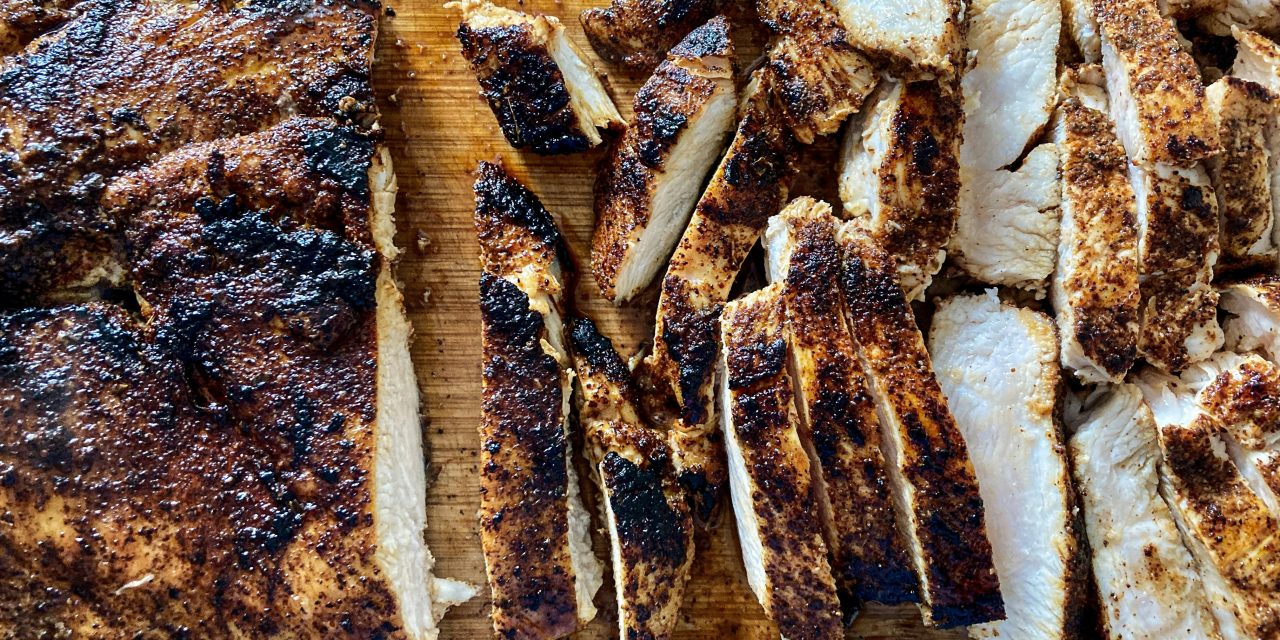
How you slice cooked chicken breast can also affect its perceived juiciness. To maximize moisture retention, always slice against the grain of the meat. This technique shortens muscle fibers, making each piece more tender and easier to chew.
Additionally, consider cutting thicker breasts into thinner cutlets before cooking; this not only reduces cooking time but also enhances tenderness. Using a sharp knife will ensure clean cuts without tearing the meat fibers, further preserving moisture.
Storing and Reheating Meal-Prepped Chicken Properly
Proper storage and reheating techniques are essential for maintaining the quality of meal-prepped chicken breast. After cooking, allow the chicken to cool completely before transferring it to an airtight container. Refrigerate within two hours of cooking to prevent bacterial growth; cooked chicken can be safely stored in the refrigerator for up to four days.
When reheating, aim for an internal temperature of 165°F (74°C) once again to ensure safety. Consider using methods such as steaming or microwaving with a splash of broth or water to prevent dryness during reheating.
Creative Recipes to Keep Your Chicken Exciting and Tender
To keep your culinary experience with chicken breast exciting, explore various recipes that incorporate diverse flavors and textures. For instance, try preparing a lemon herb grilled chicken served with a refreshing cucumber salad or a spicy honey garlic stir-fry with colorful vegetables.
Another option is to create stuffed chicken breasts filled with spinach and feta cheese or sun-dried tomatoes and mozzarella for an Italian twist. Experimenting with different cuisines—such as Thai coconut curry or Moroccan spiced chicken—can also introduce new flavors while maintaining tenderness through proper cooking techniques.
In summary, mastering the art of cooking chicken breast involves understanding its unique challenges and employing effective techniques such as brining, proper seasoning, optimal cooking methods, and careful slicing. By following these guidelines and exploring creative recipes, you can consistently achieve juicy and flavorful results that elevate your culinary repertoire.
FAQs
What is the best way to marinate chicken breast for meal prep?
The best way to marinate chicken breast for meal prep is to use a mixture of acidic ingredients, such as lemon juice or vinegar, along with oil and seasonings. A marinade should ideally be left on the chicken for at least 30 minutes to a few hours to enhance flavor and tenderness without drying it out.
How can I cook chicken breast to prevent it from drying out?
To prevent chicken breast from drying out during cooking, consider using methods such as poaching, baking at a low temperature, or grilling with indirect heat. Cooking the chicken until it reaches an internal temperature of 165°F (75°C) and allowing it to rest for a few minutes before slicing can also help retain moisture.
What is the ideal cooking temperature for chicken breast?
The ideal cooking temperature for chicken breast is around 375°F (190°C) when baking. This temperature allows the chicken to cook evenly without becoming dry. Using a meat thermometer to check for an internal temperature of 165°F (75°C) ensures that the chicken is safely cooked while remaining juicy.
Can I freeze meal-prepped chicken breast, and how should I do it?
Yes, you can freeze meal-prepped chicken breast. To do so, allow the cooked chicken to cool completely, then portion it into airtight containers or freezer bags. Remove as much air as possible to prevent freezer burn, and label the containers with the date. Frozen chicken breast can last up to 4 months in the freezer.
What are some tips for reheating chicken breast without drying it out?
To reheat chicken breast without drying it out, use a microwave with a damp paper towel over the chicken to retain moisture, or reheat it in a skillet with a splash of broth or water. Covering the chicken while reheating helps trap steam, keeping it juicy. Avoid reheating at high temperatures to prevent further drying.