Regular nail care is an essential aspect of canine health that often goes overlooked by pet owners. Neglecting to trim a dog’s nails can lead to a myriad of complications, including pain, discomfort, and mobility issues. Overgrown nails can cause a dog to alter its gait, leading to joint stress and potential long-term orthopedic problems. Furthermore, long nails can become snagged on various surfaces, resulting in painful injuries or even infections.
In addition to physical health concerns, regular nail trimming contributes to a dog’s overall well-being. Dogs with well-maintained nails are less likely to experience anxiety or stress related to discomfort. Moreover, routine nail care fosters a stronger bond between the pet and owner, as it requires trust and cooperation. Establishing a consistent nail care routine can significantly enhance a dog’s quality of life, ensuring they remain active and pain-free.
Choosing the Right Nail Clippers for Your Dog
Selecting the appropriate nail clippers is crucial for effective and safe nail trimming. There are several types of clippers available, including guillotine-style, scissors-style, and electric grinders. Each type has its advantages and disadvantages, depending on the size and temperament of the dog. For instance, guillotine-style clippers are ideal for small to medium-sized breeds due to their precision and ease of use. Conversely, scissors-style clippers may be more suitable for larger breeds with thicker nails.
When choosing nail clippers, consider the dog’s nail thickness and sensitivity. For dogs with particularly tough nails, heavy-duty clippers may be necessary. Additionally, ergonomic designs can provide better grip and control during the trimming process, reducing the risk of accidents. Always ensure that the clippers are sharp and well-maintained to achieve clean cuts without causing splintering or cracking.
How to Safely Introduce Nail Trimming to Your Dog

Introducing nail trimming to your dog should be a gradual process that prioritizes comfort and safety. Start by familiarizing your dog with the clippers or grinder without actually using them. Allow your pet to sniff and investigate the tools while offering treats and praise to create positive associations. This initial step is crucial in reducing anxiety and fear surrounding the grooming process.
Once your dog is comfortable with the tools, begin by gently handling their paws. Gradually apply pressure to their nails while rewarding them with treats and affection. This desensitization process can take time, so patience is key. When your dog appears relaxed and receptive, you can proceed with trimming a small portion of one nail at a time. Always monitor your dog’s body language for signs of stress or discomfort, and take breaks as needed.
Identifying the Quick: What It Is and Why It Matters

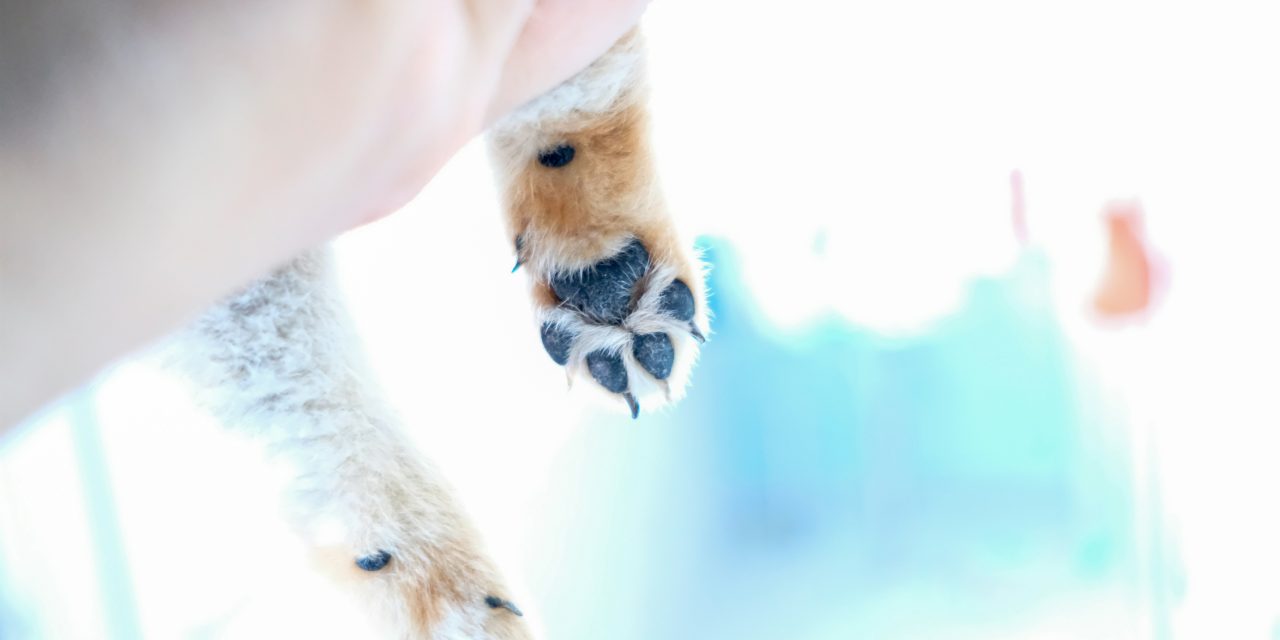
The quick is a vital anatomical structure within a dog’s nail that contains blood vessels and nerves. It appears as a pinkish area within the nail and serves as a critical reference point during trimming. Understanding the quick is essential for preventing injury during nail care; cutting into it can cause significant pain and bleeding.
Recognizing the quick is particularly important for dogs with dark nails, where it may not be visible. In such cases, trimming should be approached cautiously, removing only small amounts of nail at a time until the quick is identified. Regular trimming can help keep the quick receded, making it easier to maintain optimal nail length over time.
Step-by-Step Guide to Trimming Your Dog’s Nails
Trimming your dog’s nails can be a straightforward process when approached methodically. Begin by gathering all necessary tools: clippers or grinder, styptic powder (to stop bleeding), treats, and a comfortable space for grooming. Position your dog in a calm environment where they feel secure.
1. **Prepare Your Dog**: Ensure your dog is relaxed before starting. You may want to engage in some light play or exercise beforehand to expend excess energy.
2. **Examine the Nails**: Inspect each nail closely for any signs of injury or infection before proceeding with trimming.
3. **Trim Carefully**: Hold your dog’s paw firmly but gently, and begin trimming just below the quick. If you are unsure where the quick is located, trim small amounts gradually.
4. **Reward Your Dog**: After each successful trim, reward your dog with treats and praise to reinforce positive behavior.
5. **Monitor for Bleeding**: If you accidentally cut into the quick, apply styptic powder immediately to stop any bleeding.
6. **Finish Up**: Once all nails are trimmed, give your dog plenty of affection and treats to create a positive association with the experience.
Using a Nail Grinder: Pros and Cons
Nail grinders have gained popularity as an alternative to traditional clippers due to their ability to smooth rough edges and reduce the risk of splitting nails. These electric devices work by grinding down the nail gradually, allowing for precise control over length and shape.
**Pros**:
– **Smoother Finish**: Grinders provide a polished finish that reduces the likelihood of snagging.
– **Less Risk of Cutting Quick**: The gradual grinding process minimizes the risk of cutting into the quick.
– **Versatility**: Many grinders come with different attachments for various nail sizes.
**Cons**:
– **Noise Sensitivity**: Some dogs may be frightened by the sound of an electric grinder.
– **Heat Generation**: Prolonged use can generate heat that may cause discomfort if not monitored.
– **Learning Curve**: It may take time for both owner and dog to adapt to this method.
How Often Should You Trim Your Dog’s Nails?
The frequency of nail trimming varies based on several factors, including breed, activity level, and environment. Generally, most dogs require nail trimming every 3-4 weeks; however, active dogs that frequently walk on hard surfaces may naturally wear down their nails more quickly and require less frequent trims.
Monitoring your dog’s nails regularly is essential; if you hear clicking sounds when they walk or notice their nails touching the ground while standing, it’s time for a trim. Establishing a routine will help maintain optimal nail length and prevent complications associated with overgrown nails.
Signs of Overgrown Nails and Related Health Issues
Overgrown nails can lead to various health issues that may affect your dog’s overall well-being. Common signs include difficulty walking or running, reluctance to engage in physical activity, or changes in behavior due to discomfort. Additionally, overgrown nails can cause painful splaying of toes or even lead to fractures in severe cases.
If you notice any of these symptoms, it is crucial to address them promptly through regular trimming or professional grooming services. Ignoring overgrown nails can result in chronic pain or long-term mobility issues that may require veterinary intervention.
Tips for Calming Anxious Dogs During Nail Care
For dogs that exhibit anxiety during nail trimming sessions, employing calming techniques can significantly improve the experience for both pet and owner. Here are several strategies:
1. **Create a Calm Environment**: Choose a quiet space free from distractions where your dog feels secure.
2. **Use Calming Aids**: Consider using pheromone sprays or calming collars designed specifically for anxious pets.
3. **Practice Desensitization**: Gradually expose your dog to nail clippers or grinders without actually using them initially.
4. **Incorporate Positive Reinforcement**: Reward your dog with treats or praise throughout the process to create positive associations.
5. **Take Breaks**: If your dog becomes overly stressed, take breaks between trims to allow them to relax before continuing.
When to Seek Professional Grooming Help
While many pet owners can successfully manage their dog’s nail care at home, there are instances when seeking professional grooming assistance is advisable. If you are uncomfortable trimming your dog’s nails or if your pet exhibits extreme anxiety or aggression during grooming sessions, consulting a professional groomer may be beneficial.
Additionally, dogs with specific health conditions or those recovering from injuries may require specialized care that only trained professionals can provide. Regular visits to a groomer can also help maintain overall paw health beyond just nail trimming.
Maintaining Healthy Paws Beyond Nail Care
Maintaining healthy paws involves more than just regular nail trimming; it encompasses overall paw care practices that contribute to your dog’s well-being. Regularly inspect your dog’s paws for signs of injury or irritation, such as redness or swelling between toes.
Consider incorporating paw moisturizers into your routine during dry seasons to prevent cracking or chapping of paw pads. Additionally, keeping fur trimmed around the paws can help prevent matting and debris accumulation that could lead to infections.
Regular exercise on various surfaces can also promote healthy paw development while naturally wearing down nails over time. By prioritizing comprehensive paw care practices alongside regular nail maintenance, you can ensure your dog remains happy and healthy.
In summary, regular dog nail care is vital for maintaining overall health and comfort in pets. Choosing appropriate tools and introducing trimming gradually can ease anxiety during grooming sessions. Understanding the anatomy of nails helps prevent injury while establishing a routine ensures optimal maintenance. By recognizing signs of overgrown nails and employing calming techniques when necessary, pet owners can foster positive experiences during nail care while promoting long-term paw health through comprehensive practices beyond just trimming alone.
FAQs
Why is dog nail care important?
Dog nail care is important because overgrown nails can cause discomfort and pain for your dog. Long nails can lead to difficulty walking, increased risk of injury, and can even affect their posture. Regular nail trimming helps maintain their overall health and mobility.
How often should I trim my dog’s nails?
Generally, you should trim your dog’s nails every 3 to 4 weeks. However, the frequency can vary based on your dog’s activity level, breed, and the surfaces they walk on. Dogs that are more active and walk on hard surfaces may naturally wear down their nails and require less frequent trimming.
What tools are best for trimming dog nails?
The best tools for trimming dog nails include nail clippers specifically designed for pets, such as guillotine-style clippers or electric grinders. It’s important to choose a tool that is appropriate for your dog’s size and nail thickness to ensure a safe and effective trimming process.
How can I make my dog comfortable during nail trimming?
To make your dog comfortable during nail trimming, start by acclimating them to having their paws handled. Use treats and positive reinforcement to create a positive association with the process. Consider trimming their nails in a calm environment and take breaks if your dog becomes anxious.
What should I do if I accidentally cut the quick of my dog’s nail?
If you accidentally cut the quick of your dog’s nail, it can cause bleeding and discomfort. Apply a styptic powder or cornstarch to the area to help stop the bleeding. If the bleeding does not stop or if your dog shows signs of severe pain, consult your veterinarian for further assistance.