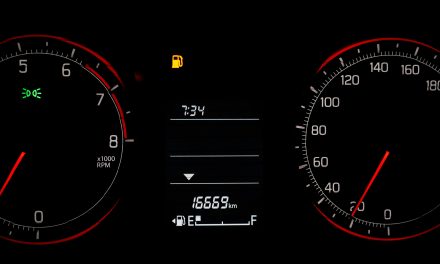
The battery charging warning light is a critical indicator on your vehicle’s dashboard, designed to alert drivers to potential issues within the electrical system. This light typically resembles a battery symbol, often accompanied by a plus (+) and minus (-) sign, and it serves as an essential diagnostic tool for monitoring the health of your vehicle’s battery and alternator. When illuminated, it signifies that the battery is not receiving adequate charge from the alternator, which can lead to a range of complications if not addressed promptly.
Understanding the implications of this warning light is crucial for maintaining vehicle performance and safety. The electrical system in modern vehicles is complex, relying on the alternator to recharge the battery while the engine runs. If the battery charging warning light activates, it may indicate that the alternator is malfunctioning or that there are issues with the battery itself. Recognizing this warning early can prevent further damage and costly repairs.
If you find yourself wondering whether it’s safe to drive with the battery charging warning light on, it’s essential to understand the potential risks involved. Ignoring this warning can lead to a complete breakdown of your vehicle, leaving you stranded. For more information on related topics, you might find this article on making fluffy pancakes from scratch interesting, as it highlights the importance of paying attention to details, much like monitoring your car’s warning lights. You can read it here: How to Make Fluffy Pancakes from Scratch.
Common Causes of the Battery Charging Warning Light
Several factors can trigger the battery charging warning light to illuminate. One of the most prevalent causes is a failing alternator. The alternator is responsible for converting mechanical energy into electrical energy, which powers the vehicle’s electrical systems and recharges the battery. If it begins to fail, it may not produce sufficient voltage, leading to a drained battery.
Another common cause is a weak or dead battery. Batteries have a finite lifespan, typically ranging from three to five years, depending on usage and environmental conditions. Over time, batteries can lose their ability to hold a charge, resulting in insufficient power for starting the vehicle or running electrical components. Additionally, corroded or loose battery terminals can impede electrical flow, triggering the warning light.
What the Warning Light Indicates About Your Vehicle’s Electrical System

When the battery charging warning light activates, it serves as an alert that there is an issue within your vehicle’s electrical system. This could indicate that the alternator is not generating enough voltage to recharge the battery effectively. A healthy alternator should produce between 13.5 to 14.5 volts while the engine is running; anything below this range may suggest a malfunction.
Moreover, this warning light can also signify problems with other components of the electrical system, such as wiring issues or faulty fuses. In some cases, it may indicate that there is an excessive load on the electrical system due to malfunctioning accessories or devices drawing power unnecessarily. Understanding these implications can help drivers take appropriate action before more severe issues arise.
Immediate Steps to Take When the Light Comes On

Upon noticing the battery charging warning light illuminated on your dashboard, it is essential to take immediate action to assess the situation. First, safely pull over to a secure location and turn off the engine. This will prevent any further strain on the electrical system and allow you to evaluate potential issues without risking additional damage.
Next, inspect the battery and alternator visually if possible. Look for signs of corrosion around battery terminals or loose connections that may be causing poor electrical contact. If you have access to a multimeter, you can check the voltage output of the alternator while the engine is running. If it falls below the normal range, it may be time to replace the alternator or seek professional assistance.
If you see the battery charging warning light on your dashboard, it’s essential to understand the implications of driving under such conditions. Ignoring this warning can lead to further damage to your vehicle’s electrical system or even a complete breakdown. For more information on maintaining your vehicle and ensuring its longevity, you might find this article on how to clean pet toys without using harsh chemicals helpful, as it emphasizes the importance of caring for your belongings, much like you would care for your car. You can read it here.
Is It Safe to Continue Driving with the Warning Light On?
Continuing to drive with the battery charging warning light illuminated poses significant risks. While it may be tempting to ignore this warning, doing so can lead to complete electrical failure, leaving you stranded or causing further damage to your vehicle’s components. The battery may eventually drain entirely, resulting in an inability to start the engine or operate essential systems such as headlights and power steering.
If you must drive with this warning light on, limit your driving time and avoid using non-essential electrical components like air conditioning or heated seats. However, it is advisable to seek professional assistance as soon as possible to diagnose and rectify any underlying issues.
If you notice the battery charging warning light illuminated on your dashboard, it’s crucial to understand the potential implications for your vehicle’s electrical system. Continuing to drive under these conditions can lead to a complete battery failure or even damage to other components. For more insights on how to handle such situations and ensure your vehicle remains in optimal condition, you might find this related article on food storage shelf life helpful, as it emphasizes the importance of maintaining your resources effectively. You can read more about it here.
Potential Risks of Ignoring the Battery Charging Warning Light
Ignoring the battery charging warning light can lead to several detrimental consequences for your vehicle’s performance and safety. One of the most immediate risks is being stranded due to a dead battery, which can occur if the alternator fails completely while driving. This situation can leave you vulnerable in unsafe locations or during inclement weather.
Additionally, prolonged neglect of this warning can result in damage to other electrical components within your vehicle. For instance, a failing alternator may cause voltage spikes or drops that can harm sensitive electronics such as onboard computers and infotainment systems. Ultimately, addressing this warning promptly can save you from costly repairs and ensure your vehicle remains reliable.
How to Check Your Car Battery and Alternator
To effectively check your car battery and alternator, begin by ensuring that your vehicle is parked on a level surface with the engine turned off. Open the hood and visually inspect the battery for any signs of corrosion or damage. Corrosion appears as a white or greenish powdery substance around terminals and can impede electrical flow.
Next, use a multimeter to measure the voltage of your battery. A healthy battery should read around 12.6 volts when fully charged. Start your vehicle and measure again; if the reading is between 13.5 and 14.5 volts, your alternator is functioning correctly. If readings fall outside these ranges, further investigation or replacement may be necessary.
When to Seek Professional Mechanical Assistance
If you are unable to identify or resolve issues related to the battery charging warning light through basic checks, it is crucial to seek professional mechanical assistance promptly. A qualified technician can perform comprehensive diagnostics using specialized equipment to pinpoint underlying problems within your vehicle’s electrical system.
Professional mechanics have access to advanced tools that can assess not only the battery and alternator but also wiring integrity and other components that may contribute to electrical failures. Timely intervention by a professional can prevent minor issues from escalating into significant repairs.
Preventative Maintenance to Avoid Battery Charging Issues
Preventative maintenance plays a vital role in avoiding battery charging issues in your vehicle. Regularly scheduled inspections of your battery and electrical system can help identify potential problems before they escalate into serious concerns. Cleaning battery terminals periodically can prevent corrosion buildup that impedes electrical flow.
Additionally, ensuring that your vehicle’s alternator is functioning correctly through routine checks can help maintain optimal performance levels. It is also advisable to replace batteries every three to five years proactively, even if they appear functional, as aging batteries are more prone to failure.
How to Reset the Battery Charging Warning Light
Resetting the battery charging warning light typically involves addressing the underlying issue that triggered its illumination initially. Once repairs are made—whether through replacing a faulty alternator or recharging a weak battery—the light should reset automatically after a short drive.
In some cases, disconnecting the negative terminal of the battery for approximately 15 minutes may reset the warning light manually; however, this should only be done after ensuring that all issues have been resolved. Always consult your vehicle’s owner manual for specific instructions related to your make and model.
Summary: Key Takeaways and Safety Tips
In summary, understanding the significance of the battery charging warning light is essential for maintaining vehicle safety and performance. Common causes include failing alternators and weak batteries, both of which require immediate attention upon illumination of this warning light. Ignoring this indicator can lead to severe consequences such as complete electrical failure or damage to sensitive components.
Regular maintenance checks of your vehicle’s electrical system can help prevent issues from arising in the first place. If you encounter persistent problems or are unsure about diagnosing issues yourself, seeking professional assistance is always advisable. By staying vigilant and proactive regarding your vehicle’s health, you can ensure safe travels and reliable performance on the road ahead.
FAQs
What does the battery charging warning light indicate?
The battery charging warning light indicates that there is an issue with the vehicle’s charging system. This could mean that the battery is not charging properly, which may be due to a faulty alternator, a bad battery, or issues with the electrical connections.
Can I continue driving if the battery charging warning light is on?
While it is possible to continue driving with the battery charging warning light on, it is not advisable. Doing so can lead to a complete loss of power, leaving you stranded. It’s best to address the issue as soon as possible to avoid further complications.
What should I do if the battery charging warning light comes on?
If the battery charging warning light comes on, you should pull over safely and turn off the engine. Check for any obvious issues, such as loose battery cables. If everything appears normal, it’s recommended to have the vehicle inspected by a professional mechanic as soon as possible.
How can I tell if my battery or alternator is failing?
Signs of a failing battery include difficulty starting the engine, dimming headlights, or electrical accessories not functioning properly. A failing alternator may cause similar symptoms, along with a burning smell or unusual noises. Testing the battery and alternator at an auto parts store can provide further clarity.
Will driving with a dead battery damage my vehicle?
Driving with a dead battery can potentially damage other components of your vehicle, particularly the alternator, as it may work harder to try to charge the battery. Additionally, it can lead to electrical system failures, which can be costly to repair.