Cream cheese is a versatile dairy product that serves as a staple in many kitchens, particularly in baking and cooking. Understanding how to measure cream cheese accurately is crucial for achieving the desired texture and flavor in recipes. Cream cheese is typically sold in blocks or tubs, and its density can vary slightly based on the brand and whether it is whipped or regular. This variability can lead to confusion when converting measurements, especially for those who are not familiar with the nuances of culinary measurements.
When dealing with cream cheese, it is essential to recognize that volume and weight are not always interchangeable. While many recipes may call for cream cheese in ounces, others may specify cups. This discrepancy can lead to inaccuracies if not properly understood. Therefore, having a solid grasp of how to convert between these two measurement systems is vital for any home cook or professional chef aiming for consistency in their culinary creations.
If you’re curious about how many cups are in 8 ounces of cream cheese, you might find it useful to explore related culinary topics, such as making a delicious pan sauce from meat drippings. Understanding the measurements and conversions in cooking can enhance your overall culinary skills. For more information on creating flavorful sauces, check out this article on how to make a pan sauce from steak or chicken drippings: How to Make a Pan Sauce.
What Does 8 Ounces of Cream Cheese Look Like?
Visualizing 8 ounces of cream cheese can be helpful for those who may not have a kitchen scale readily available. Typically, an 8-ounce block of cream cheese is packaged in a rectangular shape, measuring approximately 3 inches wide, 4 inches long, and 1 inch high. This standard size is common across various brands, making it easier to identify when shopping.
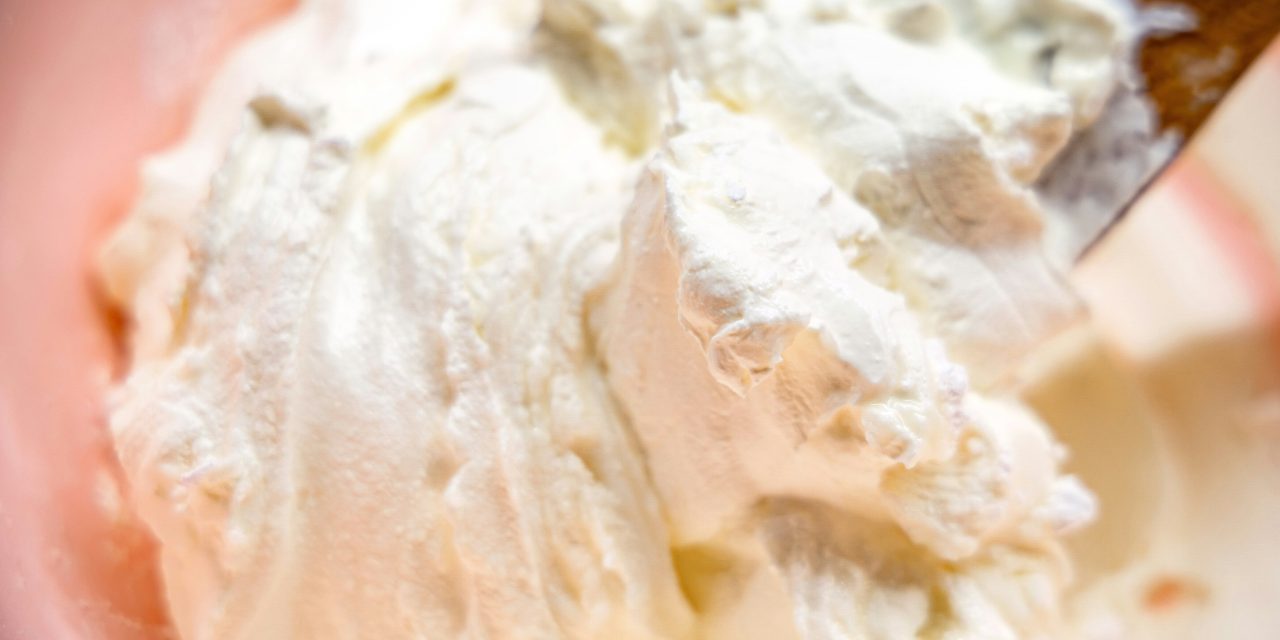
In terms of volume, 8 ounces of cream cheese translates to about 1 cup. This equivalency is particularly useful when following recipes that require specific measurements. When you open a package of cream cheese, you will notice its creamy texture and slightly spreadable consistency, which can vary depending on whether it has been left at room temperature or chilled. Understanding this visual cue can aid in ensuring that you are using the correct amount in your culinary endeavors.
Converting Ounces to Cups: The Basics

Converting ounces to cups is a fundamental skill in cooking and baking that allows for greater flexibility in recipe execution. The basic conversion rule states that 1 cup equals 8 fluid ounces. However, when it comes to solid ingredients like cream cheese, the conversion can be slightly more complex due to variations in density and packing methods.
For cream cheese specifically, the conversion remains straightforward: 8 ounces of cream cheese equals 1 cup. This direct correlation simplifies the measuring process for home cooks who may not have access to precise weighing tools. However, it is essential to note that this conversion applies primarily to cream cheese in its standard form; whipped cream cheese may have a different volume due to the incorporation of air during processing.
How Many Cups Are in 8 Ounces of Cream Cheese?

As previously mentioned, 8 ounces of cream cheese equates to exactly 1 cup. This measurement is consistent across most recipes that utilize cream cheese as an ingredient. Understanding this equivalency allows cooks to easily scale recipes up or down based on their needs.
For instance, if a recipe calls for 2 cups of cream cheese, one would need 16 ounces, or two 8-ounce blocks. Conversely, if a recipe requires only half a cup of cream cheese, one would need just 4 ounces. This straightforward conversion makes it easier for both novice and experienced cooks to navigate their culinary tasks without confusion.
If you’re wondering how many cups are in 8 ounces of cream cheese, you might find it helpful to explore related culinary measurements. For instance, understanding the conversion between ounces and cups can enhance your cooking skills. To learn more about the importance of precise measurements in recipes, you can check out this insightful article on pet care that emphasizes the significance of choosing the right ingredients for your pets’ nutrition. You can read it here: top benefits of choosing the right ingredients.
Factors That Affect Cream Cheese Volume
While the basic conversion from ounces to cups is relatively simple, several factors can influence the actual volume of cream cheese used in recipes. One significant factor is the temperature of the cream cheese. When cream cheese is cold, it tends to be denser and less spreadable, which can affect how it is measured. Conversely, when allowed to soften at room temperature, it becomes more pliable and easier to scoop or spread.
Another factor that can impact volume is how the cream cheese is packed into the measuring cup. If one scoops the cream cheese directly from the package without properly leveling it off, they may inadvertently use more than intended. Additionally, variations in brand formulations can lead to slight differences in density and moisture content, further complicating accurate measurements.
Measuring Cream Cheese Accurately at Home
To ensure accurate measurements of cream cheese at home, several techniques can be employed. First and foremost, using a kitchen scale provides the most precise measurement method. By weighing out 8 ounces on a digital scale, cooks can eliminate any guesswork associated with volume measurements.
If a scale is not available, using measuring cups can still yield satisfactory results. To measure cream cheese using cups, it is advisable to soften the product slightly by allowing it to sit at room temperature for about 30 minutes. Once softened, scoop the cream cheese into a measuring cup and press it down firmly to eliminate air pockets before leveling off with a straight edge.
When deciding whether to use cups or ounces in recipes, each measurement system has its advantages and disadvantages. Using cups can be more intuitive for home cooks who may not have access to precise measuring tools or scales. It allows for quick estimations and simplifies the measuring process for ingredients like cream cheese.
On the other hand, using ounces provides greater accuracy and consistency, particularly in baking where precise measurements are crucial for achieving desired results. Professional chefs often prefer weight measurements because they eliminate variability caused by packing methods or ingredient density variations. Ultimately, the choice between cups and ounces depends on personal preference and the specific requirements of the recipe being followed.
Tips for Substituting Cream Cheese in Recipes
Substituting cream cheese in recipes can be necessary due to dietary restrictions or personal preferences. Several alternatives can mimic the creamy texture and tangy flavor of cream cheese effectively. Some popular substitutes include Greek yogurt, sour cream, ricotta cheese, or even silken tofu for a dairy-free option.
When substituting Greek yogurt for cream cheese, use an equal amount as a direct replacement; however, keep in mind that Greek yogurt has a tangier flavor profile. Sour cream can also be used in equal proportions but may alter the overall taste slightly due to its distinct flavor. Ricotta cheese offers a similar texture but may require additional seasoning to achieve the desired taste.
Common Mistakes When Measuring Cream Cheese
Several common mistakes can occur when measuring cream cheese that may lead to inaccuracies in recipes. One frequent error is failing to soften the cream cheese before measuring it out. Cold cream cheese can be difficult to scoop accurately and may result in using more than intended.
Another mistake involves not leveling off the measuring cup after scooping out the cream cheese. This oversight can lead to excess amounts being used in recipes, potentially affecting the final outcome. Additionally, relying solely on visual estimations without proper measuring tools can introduce variability into cooking processes.
Tools to Help with Precise Cream Cheese Measurement
To achieve precise measurements of cream cheese and other ingredients, several tools can be beneficial in any kitchen setting. A digital kitchen scale is one of the most effective tools for weighing ingredients accurately; it allows cooks to measure out exact amounts without ambiguity.
Measuring cups with clear markings are also essential for those who prefer volume measurements over weight. Opting for sets that include both dry and liquid measuring cups ensures versatility when working with various ingredients. Additionally, silicone spatulas are invaluable for scraping every last bit of cream cheese from containers or measuring cups without waste.
Summary: Quick Reference for Cream Cheese Conversion
In summary, understanding how to measure cream cheese accurately is essential for successful cooking and baking endeavors. An 8-ounce block of cream cheese equates to 1 cup, making conversions straightforward for most recipes. Factors such as temperature and packing methods can influence measurements; therefore, employing techniques like weighing ingredients or using softened cream cheese can enhance accuracy.
When substituting cream cheese in recipes, various alternatives exist that can provide similar textures and flavors while accommodating dietary needs. By avoiding common measurement mistakes and utilizing appropriate tools, cooks can ensure their culinary creations turn out as intended every time they step into the kitchen.
FAQs
How many cups are in 8 ounces of cream cheese?
8 ounces of cream cheese is equivalent to 1 cup. This is because there are 8 fluid ounces in 1 cup, and cream cheese has a similar density to water.
Can I measure cream cheese in a different way?
Yes, cream cheese can also be measured by weight. Since 8 ounces is equal to 1 cup, you can use a kitchen scale to measure out 8 ounces if you prefer weighing your ingredients.
Does the measurement change for whipped cream cheese?
Yes, whipped cream cheese is lighter and less dense than regular cream cheese. Therefore, 8 ounces of whipped cream cheese may not fill a cup completely, and it is generally recommended to use volume measurements for accuracy.
How can I convert ounces to cups for other ingredients?
To convert ounces to cups for other ingredients, you can use the conversion that 1 cup equals 8 fluid ounces. Therefore, to convert ounces to cups, divide the number of ounces by 8.
Is there a difference between cream cheese and other types of cheese in measurement?
Yes, different types of cheese have varying densities and moisture content, which can affect their volume measurements. For example, shredded cheese may take up more space than cream cheese, so it’s important to check specific conversions for each type of cheese.