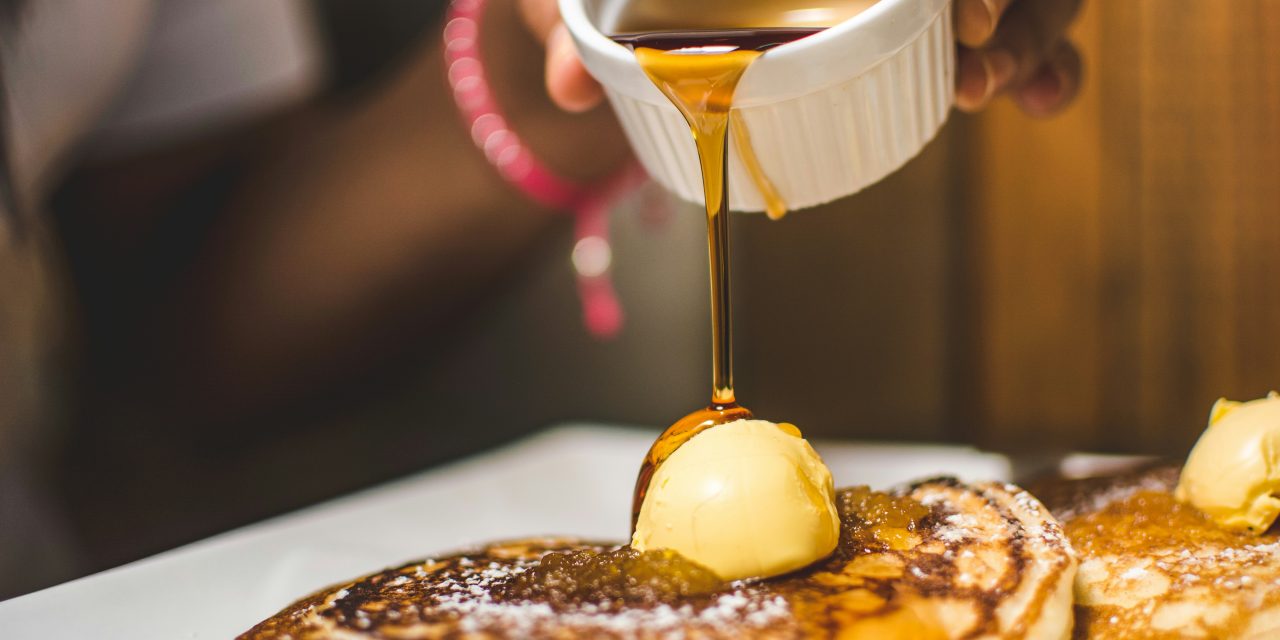
Corn syrup, a viscous sweetener derived from the starch of corn, plays a pivotal role in various culinary applications. Its primary function is to provide sweetness while also enhancing texture and moisture retention in baked goods. The syrup is composed mainly of glucose, which contributes to its ability to prevent crystallization in candies and confections, ensuring a smooth and creamy consistency. This characteristic makes corn syrup an essential ingredient in recipes for caramel, fudge, and certain types of frostings.
In addition to its sweetening properties, corn syrup serves as a humectant, which means it helps retain moisture in foods. This is particularly beneficial in baked items such as cookies and cakes, where maintaining a soft texture is crucial. Furthermore, corn syrup can enhance the browning of baked goods through the Maillard reaction, contributing to both flavor and visual appeal. Understanding these multifaceted roles can help cooks appreciate why corn syrup is often a go-to ingredient in many recipes.
If you’re looking for a good substitute for corn syrup in recipes, you might find it helpful to explore alternatives like honey, maple syrup, or agave nectar, which can provide similar sweetness and texture. For more culinary tips, you can check out this informative article on how to tell when steak is done, which offers valuable insights for cooking meat to perfection. You can read it here: How to Tell When Steak is Done: Temperature and Doneness Guide.
Why You Might Need a Corn Syrup Substitute
Despite its widespread use, there are several reasons one might seek alternatives to corn syrup. Health concerns are at the forefront; many individuals are increasingly wary of high-fructose corn syrup (HFCS), which has been linked to obesity and metabolic disorders. Additionally, dietary restrictions such as veganism or allergies may necessitate the search for substitutes. Some people may also prefer natural sweeteners over processed options for ethical or health-related reasons.
Moreover, certain recipes may call for corn syrup but may not require its specific properties. For instance, if a recipe does not rely heavily on the moisture-retaining qualities of corn syrup, a substitute could be used without compromising the final product’s integrity. Understanding these motivations can guide individuals in selecting the most appropriate alternative based on their culinary needs and personal preferences.
Honey: A Natural and Flavorful Alternative

Honey stands out as a natural sweetener that can effectively replace corn syrup in various recipes. Its unique flavor profile adds depth and complexity to dishes, making it an excellent choice for marinades, dressings, and baked goods. Honey is rich in antioxidants and has antimicrobial properties, which can enhance the nutritional value of recipes while providing a distinct taste that corn syrup lacks.
When substituting honey for corn syrup, it is essential to consider its viscosity and sweetness level. Honey is sweeter than corn syrup, so adjustments in quantity may be necessary; typically, one can use about ¾ cup of honey for every cup of corn syrup. Additionally, since honey contains water, it may be beneficial to reduce other liquid ingredients slightly to maintain the desired consistency of the final product.
Maple Syrup: Adding Depth and Sweetness

Maple syrup is another excellent alternative to corn syrup that brings its own unique flavor profile to recipes. Derived from the sap of sugar maple trees, this natural sweetener offers a rich, earthy taste that can enhance both sweet and savory dishes. Maple syrup is also packed with minerals such as manganese and zinc, making it a healthier option compared to refined sugars.
When using maple syrup as a substitute for corn syrup, it is important to note that it has a thinner consistency. Therefore, it may not provide the same level of moisture retention as corn syrup in certain recipes. A general guideline is to replace one cup of corn syrup with one cup of maple syrup while being mindful of the potential need to adjust other liquid components in the recipe. The distinct flavor of maple syrup can elevate baked goods like cookies and cakes, imparting a delightful twist that sets them apart.
If you’re looking for a good substitute for corn syrup in your recipes, you might find that honey or maple syrup can work well in many cases. These alternatives not only provide sweetness but also add unique flavors to your dishes. For a delightful dessert idea that doesn’t require corn syrup, check out this easy no-bake cheesecake recipe that features fresh berries. You can find it here: easy no-bake cheesecake cups. This recipe is perfect for those who want to enjoy a delicious treat without the need for corn syrup.
Agave Nectar: A Mild and Vegan-Friendly Option
Agave nectar has gained popularity as a vegan-friendly sweetener that can serve as an effective substitute for corn syrup. Extracted from the agave plant, this syrup has a mild flavor that does not overpower other ingredients in a recipe. Its low glycemic index makes it an appealing choice for those looking to manage blood sugar levels while still enjoying sweetness.
When substituting agave nectar for corn syrup, it is crucial to consider its higher sweetness level; typically, one can use about ⅔ cup of agave nectar for every cup of corn syrup. Additionally, agave nectar has a thinner consistency than corn syrup, which may necessitate adjustments in other liquid ingredients to achieve the desired texture in baked goods or sauces.
Golden Syrup: Classic British Sweetener Substitute
Golden syrup is a classic British sweetener that can effectively replace corn syrup in various recipes. This thick, amber-colored syrup has a rich flavor reminiscent of caramel and is often used in baking and dessert-making. Golden syrup is less sweet than corn syrup but provides a similar texture and moisture-retaining properties.
When using golden syrup as a substitute for corn syrup, one can typically use it in equal measure; one cup of golden syrup can replace one cup of corn syrup without significant alterations to the recipe’s outcome. Its unique flavor can add an interesting twist to traditional recipes such as treacle tarts or gingerbread cookies.
Brown Rice Syrup: A Less Sweet, Nutty Alternative
Brown rice syrup is another viable substitute for corn syrup that offers a less sweet option with a nutty flavor profile. Made from cooked brown rice that has been fermented with enzymes, this syrup contains complex carbohydrates and has a lower glycemic index compared to traditional sweeteners. It is particularly suitable for those seeking healthier alternatives without sacrificing taste.
When substituting brown rice syrup for corn syrup, it is essential to note that it has a thicker consistency and less sweetness; therefore, adjustments may be necessary. A common recommendation is to use about 1 ¼ cups of brown rice syrup for every cup of corn syrup while reducing other liquid ingredients accordingly. This substitution works well in recipes where a subtle sweetness and nutty flavor are desired.
Molasses: Rich Flavor for Hearty Recipes
Molasses is a robust sweetener derived from sugarcane or sugar beet processing and can serve as an excellent substitute for corn syrup in certain hearty recipes. Its deep flavor adds richness to baked goods such as gingerbread cookies or barbecue sauces. Molasses is also rich in vitamins and minerals like iron and calcium, making it a nutritious alternative.
When using molasses as a substitute for corn syrup, it is important to consider its strong flavor; typically, one can replace one cup of corn syrup with about ¾ cup of molasses while adjusting other ingredients accordingly. The distinct taste of molasses can enhance the overall flavor profile of recipes while providing additional health benefits.
Homemade Simple Syrup: Easy DIY Solution
For those who prefer complete control over their ingredients, homemade simple syrup offers an easy solution as a substitute for corn syrup. This versatile sweetener can be made by dissolving equal parts sugar and water over heat until fully combined. The result is a smooth liquid that can be flavored with vanilla or citrus zest for added complexity.
Homemade simple syrup can be used in equal measure as a replacement for corn syrup in most recipes. It provides sweetness without any artificial additives or preservatives commonly found in commercial syrups. Additionally, this DIY approach allows cooks to customize their sweeteners according to personal preferences or dietary restrictions.
Tips for Choosing the Right Substitute Based on Recipe
Selecting the appropriate substitute for corn syrup depends on various factors including flavor preferences, dietary restrictions, and the specific requirements of the recipe at hand. When choosing an alternative, consider the following tips:
1. **Flavor Compatibility**: Assess how the substitute’s flavor will interact with other ingredients in your dish.
2. **Consistency**: Evaluate whether the thickness or viscosity of the substitute aligns with what your recipe demands.
3. **Sweetness Level**: Adjust quantities based on how sweet each alternative is compared to corn syrup.
4. **Nutritional Value**: Consider any health benefits associated with different substitutes.
5. **Dietary Restrictions**: Ensure that your chosen alternative aligns with any dietary needs such as veganism or gluten intolerance.
By taking these factors into account, cooks can make informed decisions that enhance their culinary creations while accommodating personal preferences.
Adjusting Measurements and Cooking Times When Using Substitutes
When substituting corn syrup with alternatives, adjustments in measurements and cooking times may be necessary to achieve optimal results. Here are some guidelines:
1. **Measurement Adjustments**: As previously mentioned, many substitutes have different sweetness levels; therefore, measuring accurately is crucial.
2. **Cooking Times**: Some substitutes may alter cooking times due to differences in moisture content or caramelization properties.
3. **Texture Considerations**: Pay attention to how each substitute affects the final texture; some may yield denser results while others create lighter outcomes.
4. **Taste Testing**: Conduct taste tests during preparation to ensure that flavors remain balanced throughout the cooking process.
By being mindful of these adjustments, cooks can successfully navigate the transition from corn syrup to alternative sweeteners without compromising their culinary endeavors.
In summary, understanding the role of corn syrup in recipes highlights its importance as both a sweetener and textural enhancer. However, various substitutes such as honey, maple syrup, agave nectar, golden syrup, brown rice syrup, molasses, and homemade simple syrup offer viable alternatives based on individual preferences and dietary needs. By considering factors like flavor compatibility and adjusting measurements accordingly, cooks can create delicious dishes without relying solely on corn syrup while exploring new flavors and textures along the way.
FAQs
What are some common substitutes for corn syrup in baking?
Common substitutes for corn syrup in baking include honey, maple syrup, agave nectar, and brown rice syrup. Each of these alternatives can provide similar sweetness and moisture, but they may slightly alter the flavor and texture of the final product.
Can I use granulated sugar instead of corn syrup?
Yes, you can use granulated sugar as a substitute for corn syrup, but you’ll need to adjust the recipe. To replace 1 cup of corn syrup, mix 2/3 cup of granulated sugar with 1/4 cup of water to achieve a similar consistency and sweetness.
Is there a sugar-free alternative to corn syrup?
Yes, sugar-free alternatives to corn syrup include sugar-free maple syrup or a homemade mixture of erythritol and water. These options can provide sweetness without the added sugars found in corn syrup.
How does using honey as a substitute for corn syrup affect the recipe?
Using honey as a substitute for corn syrup can add a distinct flavor and may result in a darker color in baked goods. Additionally, honey is sweeter than corn syrup, so you may want to reduce the amount used by about 25% to achieve the desired sweetness.
Can I use molasses instead of corn syrup?
Yes, molasses can be used as a substitute for corn syrup, but it has a stronger flavor and darker color. When substituting, use an equal amount of molasses for corn syrup, keeping in mind that it may alter the taste of the final dish.